

En savoir plus sur le livre
The quest for an Irish identity in the visual arts has been intense and enduring. Early antiquarians, led by Petrie, unearthed ancient ruins, Celtic crosses, and treasures like the Tara Brooch and the Book of Kells. The Young Ireland movement sought self-determination, aiming to restore national pride by highlighting Ireland's cultural achievements. Artists and craftsmen created works inspired by these antiquities, while painters such as Maclise and Burton focused on themes from Irish history, mythology, and folklore. At the turn of the century, collector Hugh Lane, a friend of Yeats, Synge, and Lady Gregory, aimed to inspire a genuine Irish School through his collection of modern Irish and French art in Dublin. This period also saw the Celtic Revival, paralleling the literary resurgence led by Synge and Yeats, resulting in a flourishing of metalwork, textiles, architecture, and book design. External influences from political, literary, and language movements converged with talented artists who drew from the past, culminating in a true Irish Renaissance in art. The creations born from this pursuit of Irish culture, many illustrated for the first time, are striking in their own right. The narrative of this quest, intertwined with Ireland's political and cultural aspirations, enriches the history of the emergence of a national character.
Achat du livre
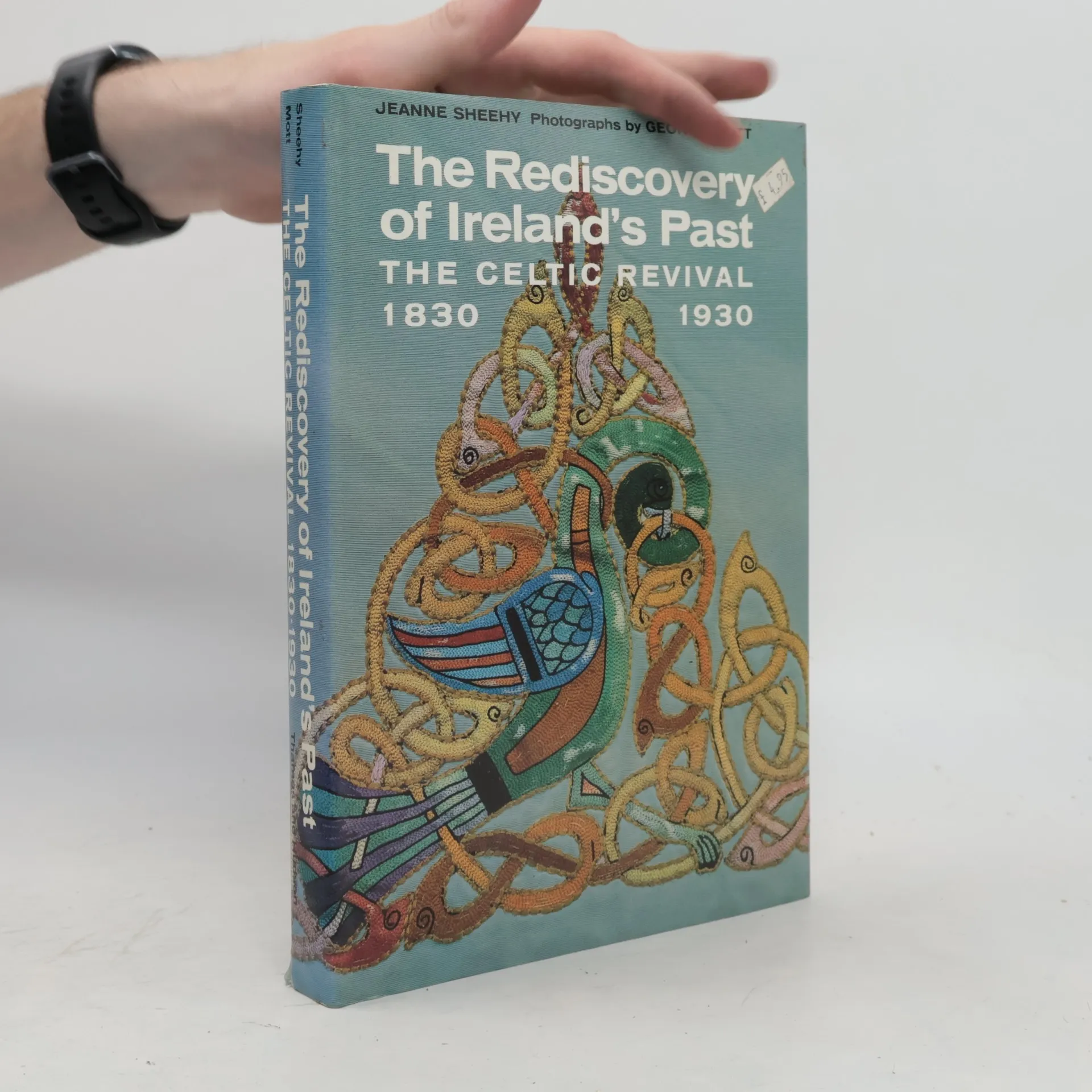
The Rediscovery of Ireland's Past, Jeanne Sheehy, Geoffrey Mott-Smith
- Langue

- Année de publication
- 1980
- Reliure
- (rigide)
Modes de paiement
Personne n'a encore évalué .
- Titre
- The Rediscovery of Ireland's Past
- Sous-titre
- The Celtic Revival, 1830-1930
- Langue
- Anglais
- Auteurs
- Jeanne Sheehy, Geoffrey Mott-Smith
- Éditeur
- Thames and Hudson
- Publié
- 1980
- Format
- rigide
- Pages
- 208
- ISBN10
- 0500012210
- ISBN13
- 9780500012215
- Séries
- Mots clés
- Thème historique, Art, Histoire de l'art
- Description
- The quest for an Irish identity in the visual arts has been intense and enduring. Early antiquarians, led by Petrie, unearthed ancient ruins, Celtic crosses, and treasures like the Tara Brooch and the Book of Kells. The Young Ireland movement sought self-determination, aiming to restore national pride by highlighting Ireland's cultural achievements. Artists and craftsmen created works inspired by these antiquities, while painters such as Maclise and Burton focused on themes from Irish history, mythology, and folklore. At the turn of the century, collector Hugh Lane, a friend of Yeats, Synge, and Lady Gregory, aimed to inspire a genuine Irish School through his collection of modern Irish and French art in Dublin. This period also saw the Celtic Revival, paralleling the literary resurgence led by Synge and Yeats, resulting in a flourishing of metalwork, textiles, architecture, and book design. External influences from political, literary, and language movements converged with talented artists who drew from the past, culminating in a true Irish Renaissance in art. The creations born from this pursuit of Irish culture, many illustrated for the first time, are striking in their own right. The narrative of this quest, intertwined with Ireland's political and cultural aspirations, enriches the history of the emergence of a national character.