

En savoir plus sur le livre
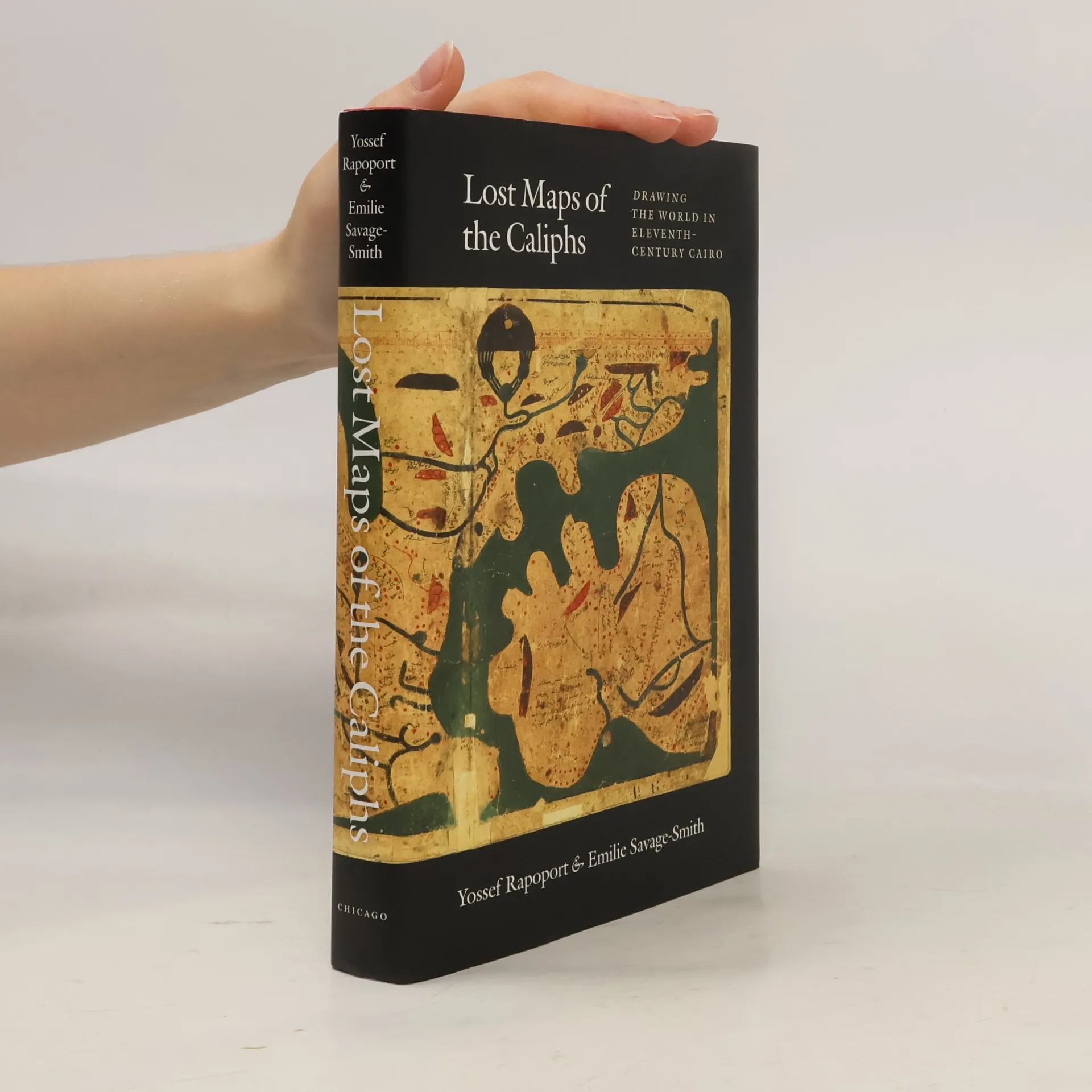
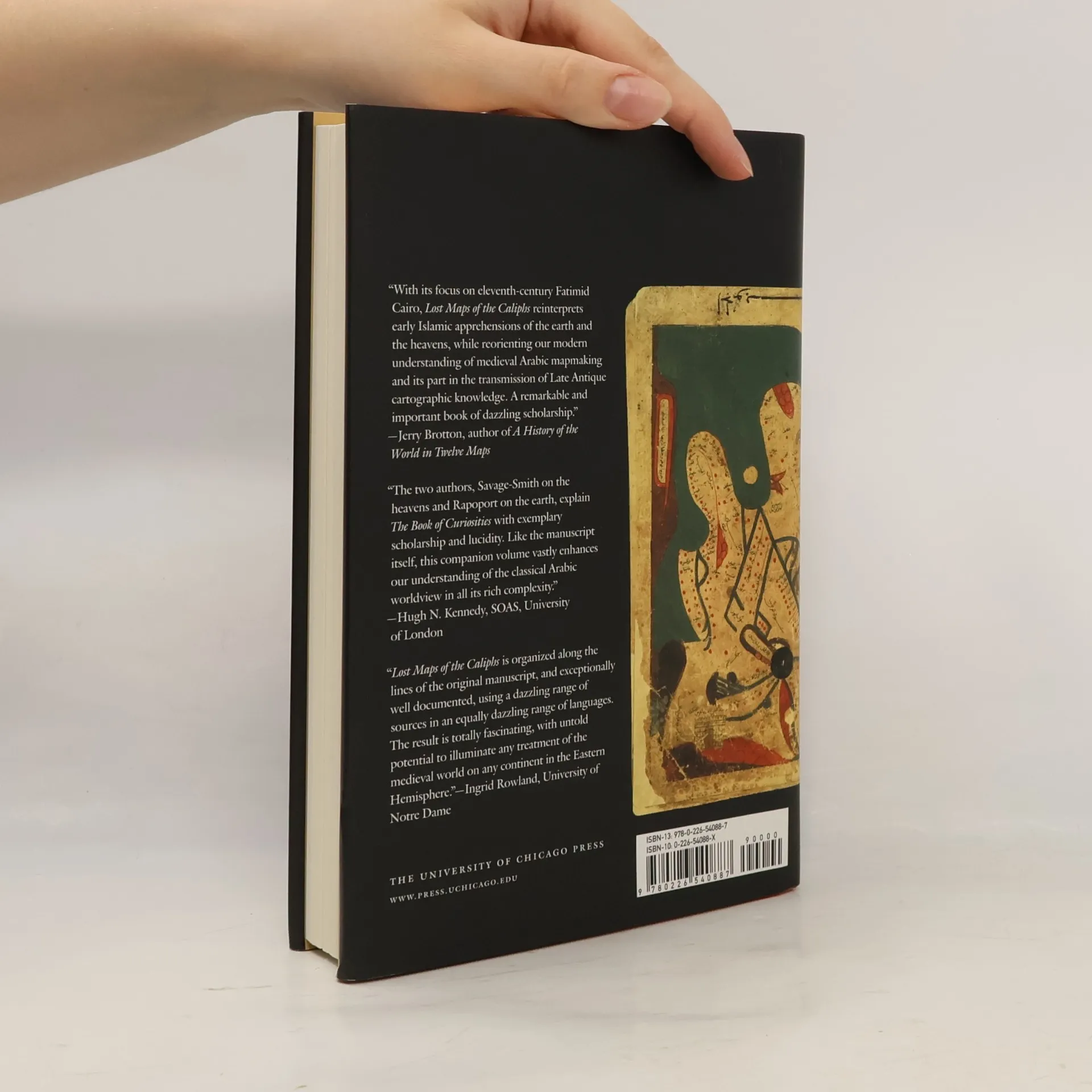
About a millennium ago in Cairo, an unknown author completed a richly illustrated book that guided readers on a journey from the cosmos to Earth and its inhabitants. This treatise, known as The Book of Curiosities, remained unknown to modern scholars until a manuscript surfaced in 2000. The first general overview of this work, Lost Maps of the Caliphs, explores its unique insights into medieval Islamic thought. It begins with the remarkable discovery of the manuscript and its acquisition by the Bodleian Library, using The Book of Curiosities to reassess the development of astrology, geography, and cartography in early Islamic history. The authors evaluate the transmission of Late Antique geography to the Islamic world, revealing the logic behind abstract maritime diagrams and examining the palaces and walls in medieval Islamic town plans. Early astronomical maps illustrate the medieval understanding of the cosmos and the belief that celestial events influenced life on Earth. The book also reconsiders the history of global communication networks around the millennium, portraying the Fatimid Empire and Cairo as a maritime power with connections from the eastern Mediterranean to the Indus Valley and East Africa. Ultimately, this work highlights The Book of Curiosities as a significant achievement in medieval mapmaking and a vital contribution to the narrative of Islamic civilization, offering a unique perspective on the medieval
Achat du livre
Lost Maps of the Caliphs, Yossef Rapoport, Emilie Savage-Smith
- Langue

- Année de publication
- 2018
- Reliure
- (rigide)
Modes de paiement
Personne n'a encore évalué .
- Titre
- Lost Maps of the Caliphs
- Sous-titre
- Drawing the World in Eleventh-Century Cairo
- Langue
- Anglais
- Auteurs
- Yossef Rapoport, Emilie Savage-Smith
- Publié
- 2018
- Format
- rigide
- Pages
- 368
- ISBN10
- 022654088X
- ISBN13
- 9780226540887
- Séries
- Mots clés
- Thème historique, Thèmes religieux, Science, États-Unis, Technologie, Moyen Âge, Égypte, Cartographie, Géographie historique
- Description
- About a millennium ago in Cairo, an unknown author completed a richly illustrated book that guided readers on a journey from the cosmos to Earth and its inhabitants. This treatise, known as The Book of Curiosities, remained unknown to modern scholars until a manuscript surfaced in 2000. The first general overview of this work, Lost Maps of the Caliphs, explores its unique insights into medieval Islamic thought. It begins with the remarkable discovery of the manuscript and its acquisition by the Bodleian Library, using The Book of Curiosities to reassess the development of astrology, geography, and cartography in early Islamic history. The authors evaluate the transmission of Late Antique geography to the Islamic world, revealing the logic behind abstract maritime diagrams and examining the palaces and walls in medieval Islamic town plans. Early astronomical maps illustrate the medieval understanding of the cosmos and the belief that celestial events influenced life on Earth. The book also reconsiders the history of global communication networks around the millennium, portraying the Fatimid Empire and Cairo as a maritime power with connections from the eastern Mediterranean to the Indus Valley and East Africa. Ultimately, this work highlights The Book of Curiosities as a significant achievement in medieval mapmaking and a vital contribution to the narrative of Islamic civilization, offering a unique perspective on the medieval