



Paramètres
- 258pages
- 10 heures de lecture
En savoir plus sur le livre
Historians have often credited Prussia with the development of modern strategic planning, viewing the Great General Staff as the epitome of military foresight. In contrast, the French Army has been portrayed as lacking in strategic depth, particularly in the years following Waterloo, often seen as stagnant and mired in reactionary politics. However, Gary Cox's new work reveals that nineteenth-century French defense policy was far more innovative than previously thought. He argues that France began to develop long-range strategic plans soon after Waterloo, drawing from Napoleonic principles of strategy and staff work, which significantly influenced their military approach leading up to the Great War. Cox meticulously supports his thesis with evidence from the French Army's archives, highlighting the rivalry between France and Germany before the Franco-Prussian War. He explores the origins of this conflict, noting the initial similarities in strategic planning between the two nations before their methods diverged. This work fills a crucial gap in understanding how France prepared for war during the nineteenth century and offers fresh insights into its military strategies and responses to the disastrous defeat of 1870.
Achat du livre
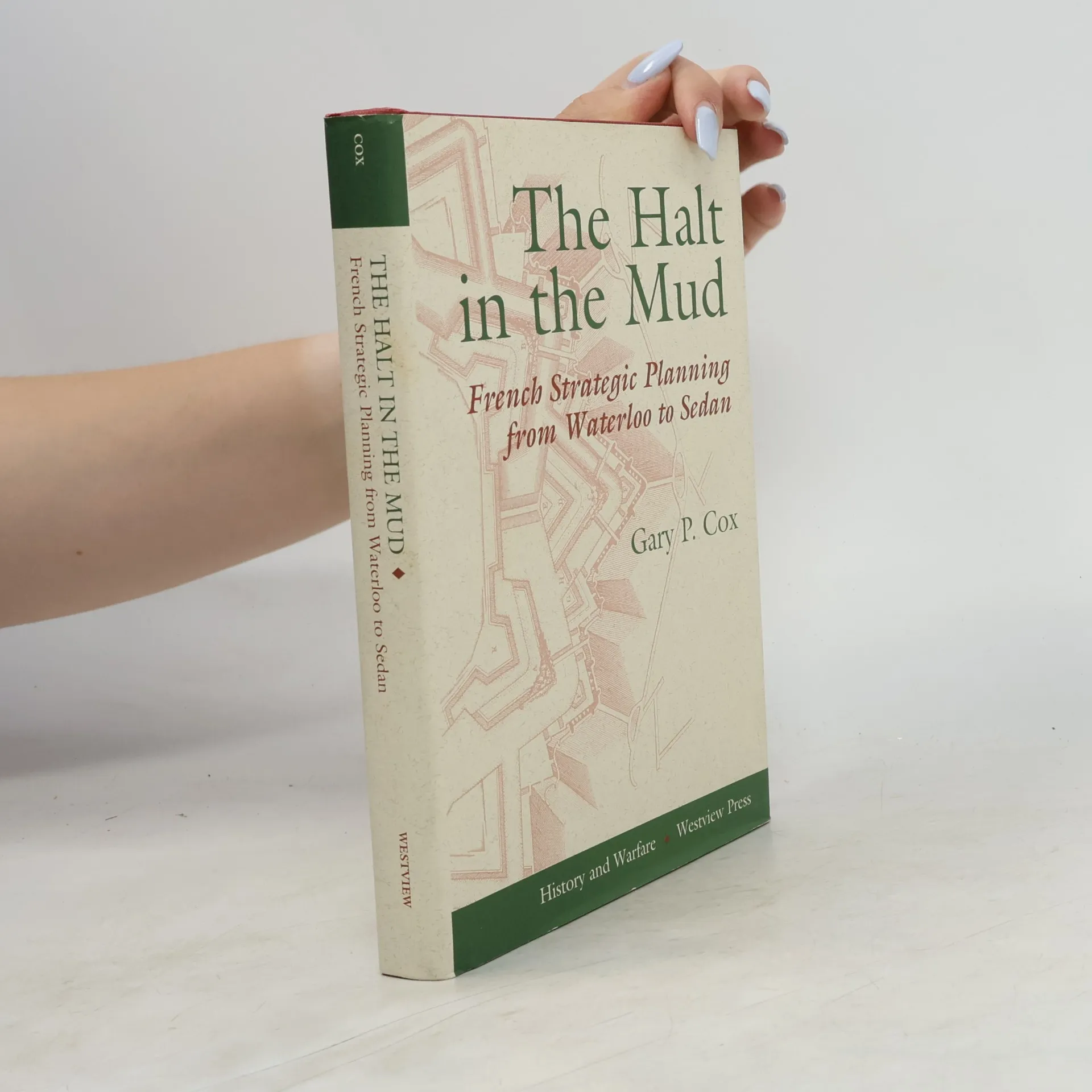
History and Warfare: The Halt in the Mud, Gary P. Cox
- Langue

- Année de publication
- 1994
- Reliure
- (rigide)
Modes de paiement
Personne n'a encore évalué .
- Titre
- History and Warfare: The Halt in the Mud
- Sous-titre
- French Strategic Planning from Waterloo to Sedan
- Langue
- Anglais
- Auteurs
- Gary P. Cox
- Éditeur
- Westview Press
- Publié
- 1994
- Format
- rigide
- Pages
- 258
- ISBN10
- 0813315360
- ISBN13
- 9780813315362
- Séries
- Catégories
- Mots clés
- Thème historique, États-Unis, France, Europe, 19e siècle, Histoire de l'Europe, Théories politiques, Europe de l'Ouest, Stratégie, Politique Militaire
- Description
- Historians have often credited Prussia with the development of modern strategic planning, viewing the Great General Staff as the epitome of military foresight. In contrast, the French Army has been portrayed as lacking in strategic depth, particularly in the years following Waterloo, often seen as stagnant and mired in reactionary politics. However, Gary Cox's new work reveals that nineteenth-century French defense policy was far more innovative than previously thought. He argues that France began to develop long-range strategic plans soon after Waterloo, drawing from Napoleonic principles of strategy and staff work, which significantly influenced their military approach leading up to the Great War. Cox meticulously supports his thesis with evidence from the French Army's archives, highlighting the rivalry between France and Germany before the Franco-Prussian War. He explores the origins of this conflict, noting the initial similarities in strategic planning between the two nations before their methods diverged. This work fills a crucial gap in understanding how France prepared for war during the nineteenth century and offers fresh insights into its military strategies and responses to the disastrous defeat of 1870.