



Paramètres
- 180pages
- 7 heures de lecture
En savoir plus sur le livre
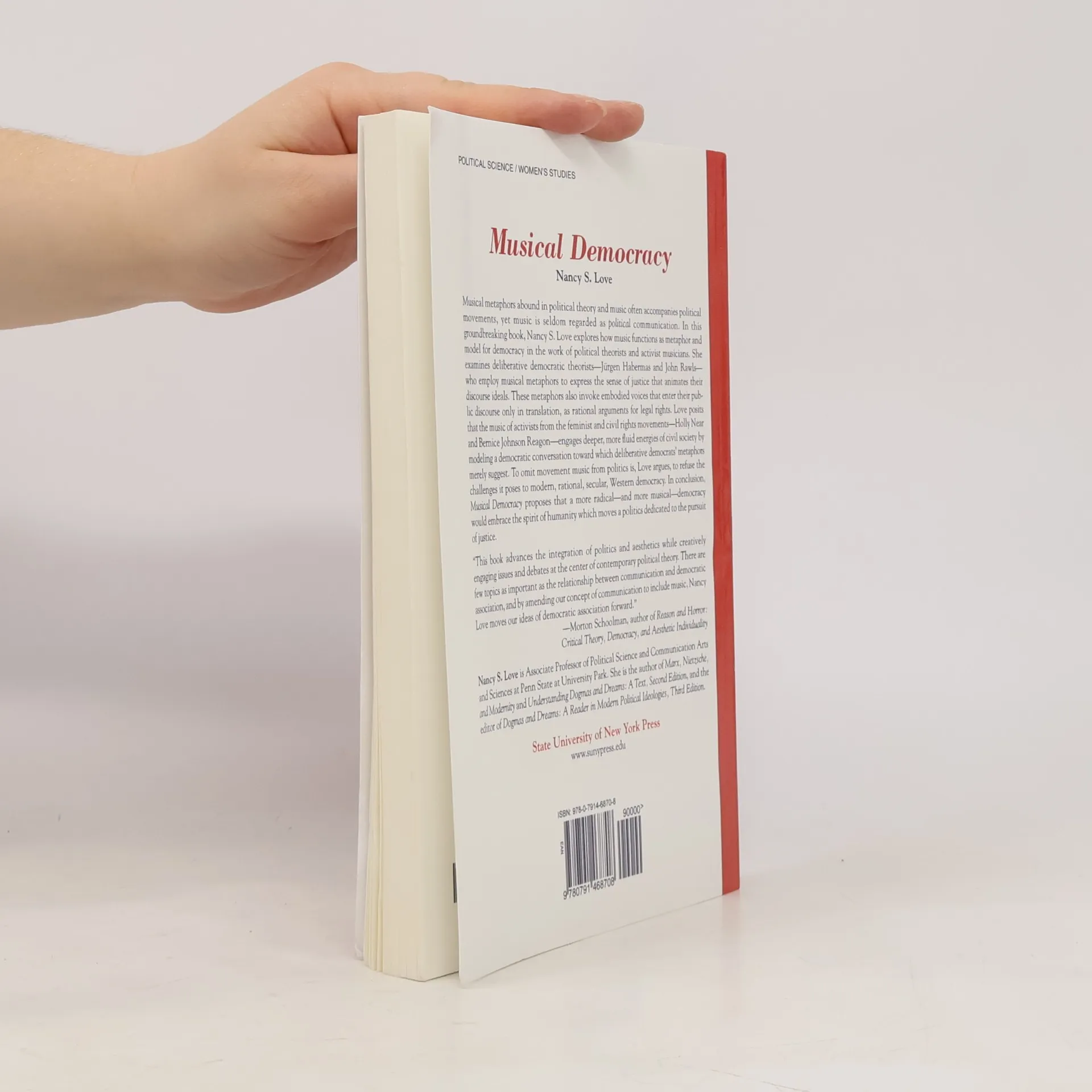
Musical metaphors abound in political theory and music often accompanies political movements, yet music is seldom regarded as political communication. In this groundbreaking book, Nancy S. Love explores how music functions as metaphor and model for democracy in the work of political theorists and activist musicians. She examines deliberative democratic theorists--Jurgen Habermas and John Rawls--who employ musical metaphors to express the sense of justice that animates their discourse ideals. These metaphors also invoke embodied voices that enter their public discourse only in translation, as rational arguments for legal rights. Love posits that the music of activists from the feminist and civil rights movements--Holly Near and Bernice Johnson Reagon--engages deeper, more fluid energies of civil society by modeling a democratic conversation toward which deliberative democrats' metaphors merely suggest. To omit movement music from politics is, Love argues, to refuse the challenges it poses to modern, rational, secular, Western democracy. In conclusion, Musical Democracy proposes that a more radical--and more musical--democracy would embrace the spirit of humanity which moves a politics dedicated to the pursuit of justice.
Achat du livre
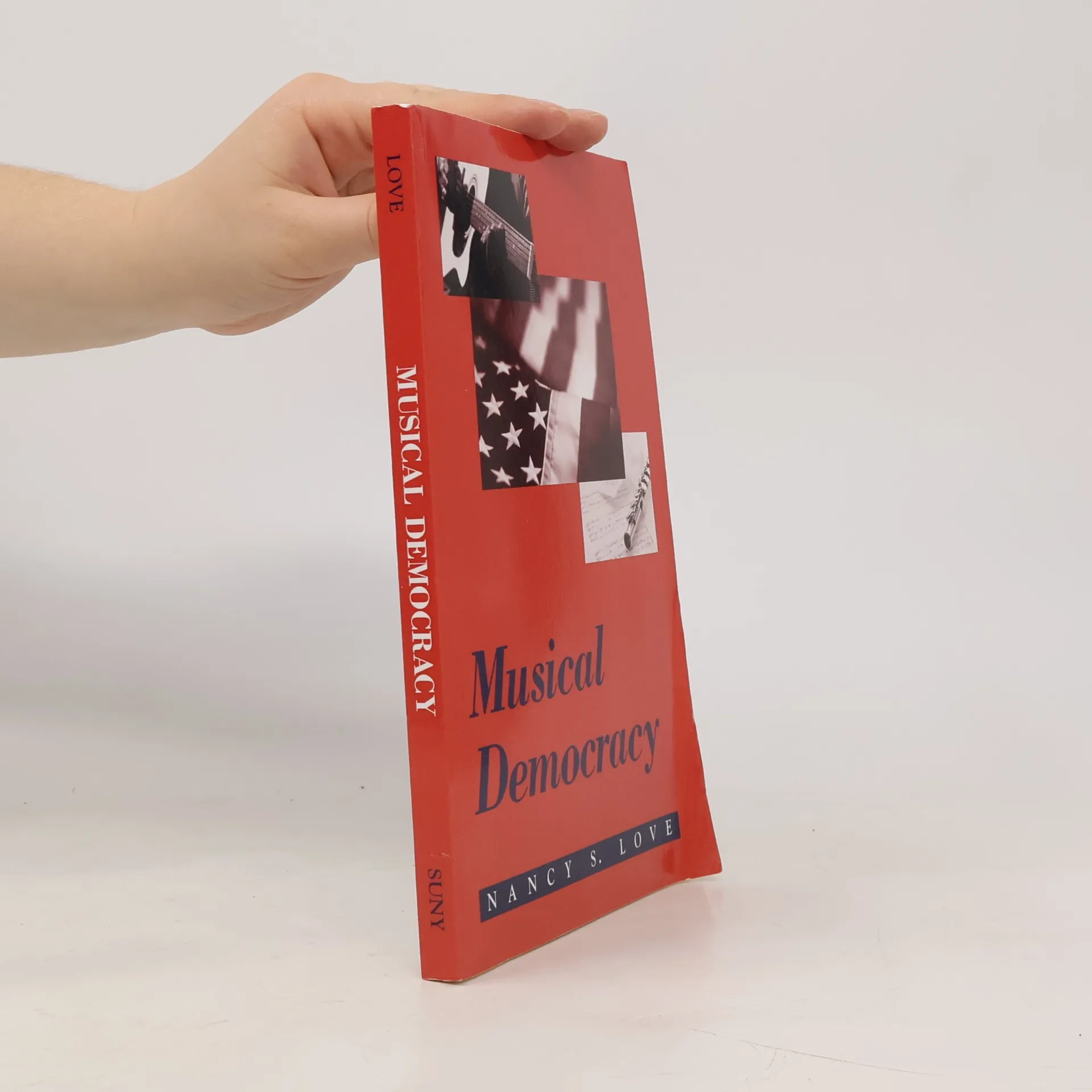
Musical Democracy, Nancy S. Love
- Langue

- Année de publication
- 2006
- Reliure
- (souple),
- État du livre
- Bon
- Prix
- 7,79 €
Modes de paiement
Personne n'a encore évalué .
- Titre
- Musical Democracy
- Langue
- Anglais
- Auteurs
- Nancy S. Love
- Publié
- 2006
- Format
- souple
- Pages
- 180
- ISBN10
- 0791468704
- ISBN13
- 9780791468708
- Séries
- Mots clés
- Thématique philosophique, Thématique musicale, Théories politiques, Aspects sociaux, Aspects politiques
- Description
- Musical metaphors abound in political theory and music often accompanies political movements, yet music is seldom regarded as political communication. In this groundbreaking book, Nancy S. Love explores how music functions as metaphor and model for democracy in the work of political theorists and activist musicians. She examines deliberative democratic theorists--Jurgen Habermas and John Rawls--who employ musical metaphors to express the sense of justice that animates their discourse ideals. These metaphors also invoke embodied voices that enter their public discourse only in translation, as rational arguments for legal rights. Love posits that the music of activists from the feminist and civil rights movements--Holly Near and Bernice Johnson Reagon--engages deeper, more fluid energies of civil society by modeling a democratic conversation toward which deliberative democrats' metaphors merely suggest. To omit movement music from politics is, Love argues, to refuse the challenges it poses to modern, rational, secular, Western democracy. In conclusion, Musical Democracy proposes that a more radical--and more musical--democracy would embrace the spirit of humanity which moves a politics dedicated to the pursuit of justice.