

En savoir plus sur le livre
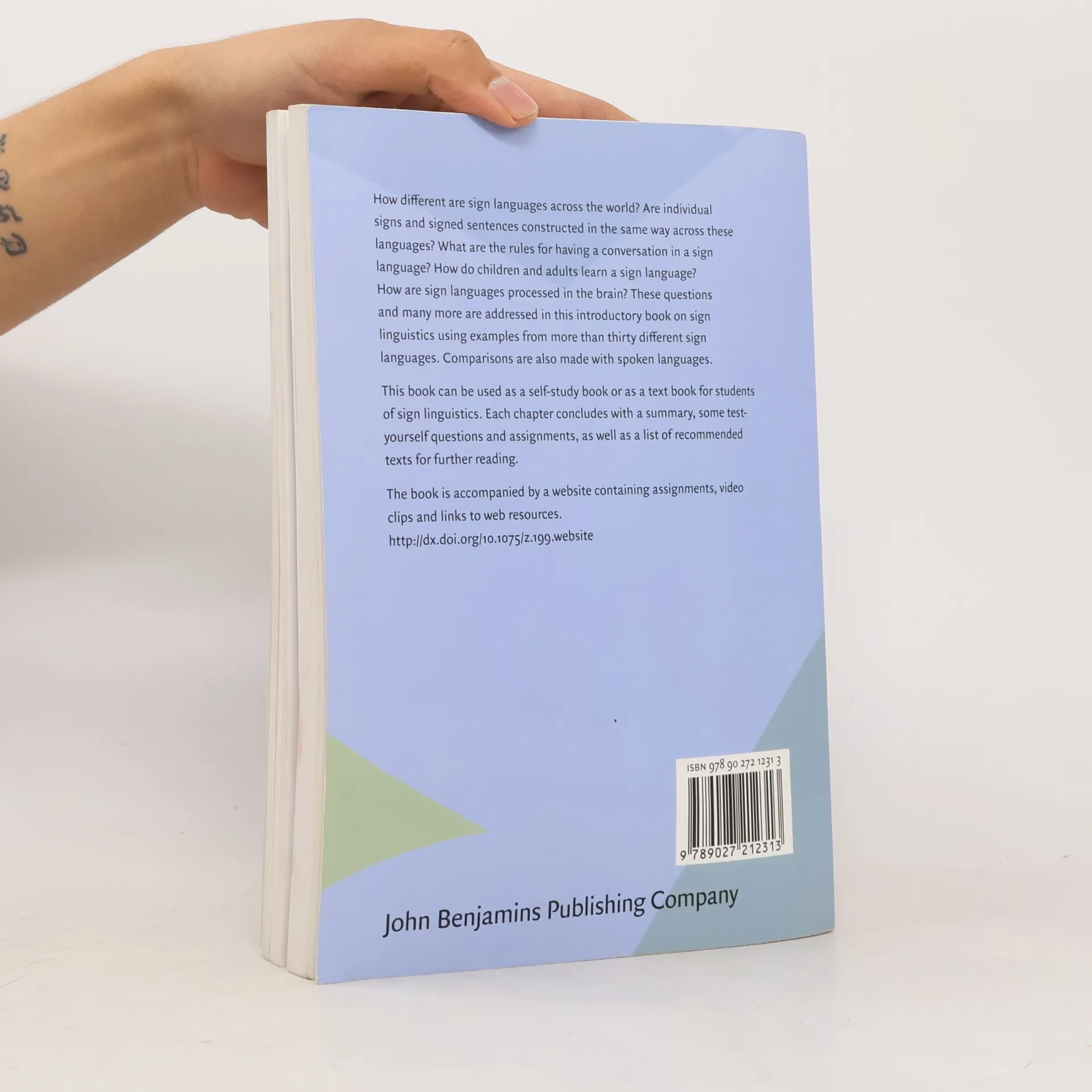
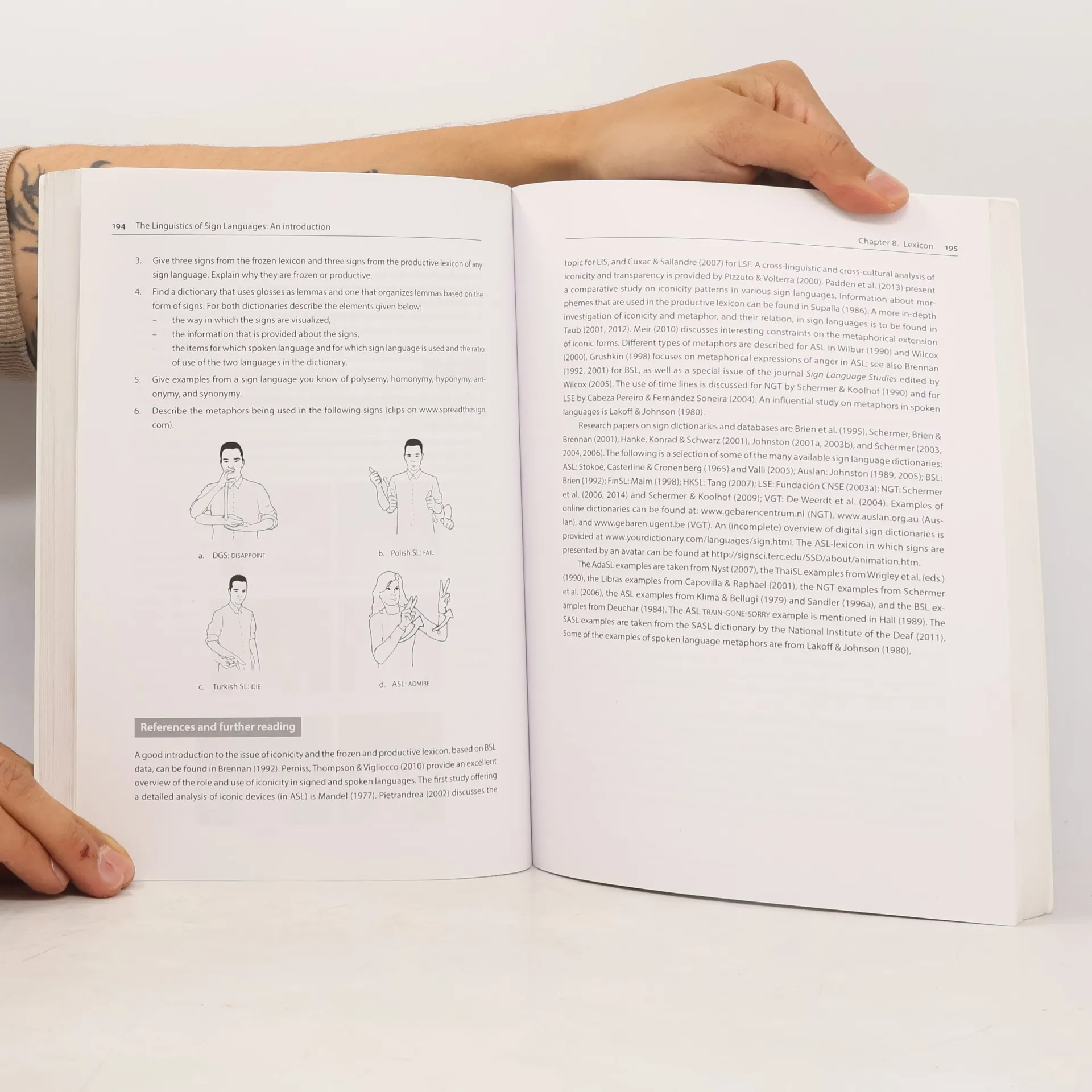
How different are sign languages across the world? Are individual signs and signed sentences constructed in the same way across these languages? What are the rules for having a conversation in a sign language? How do children and adults learn a sign language? How are sign languages processed in the brain? These questions and many more are addressed in this introductory book on sign linguistics using examples from more than thirty different sign languages. Comparisons are also made with spoken languages. This book can be used as a self-study book or as a text book for students of sign linguistics. Each chapter concludes with a summary, some test-yourself questions and assignments, as well as a list of recommended texts for further reading. The book is accompanied by a containing assignments, video clips and links to web resources.
Achat du livre
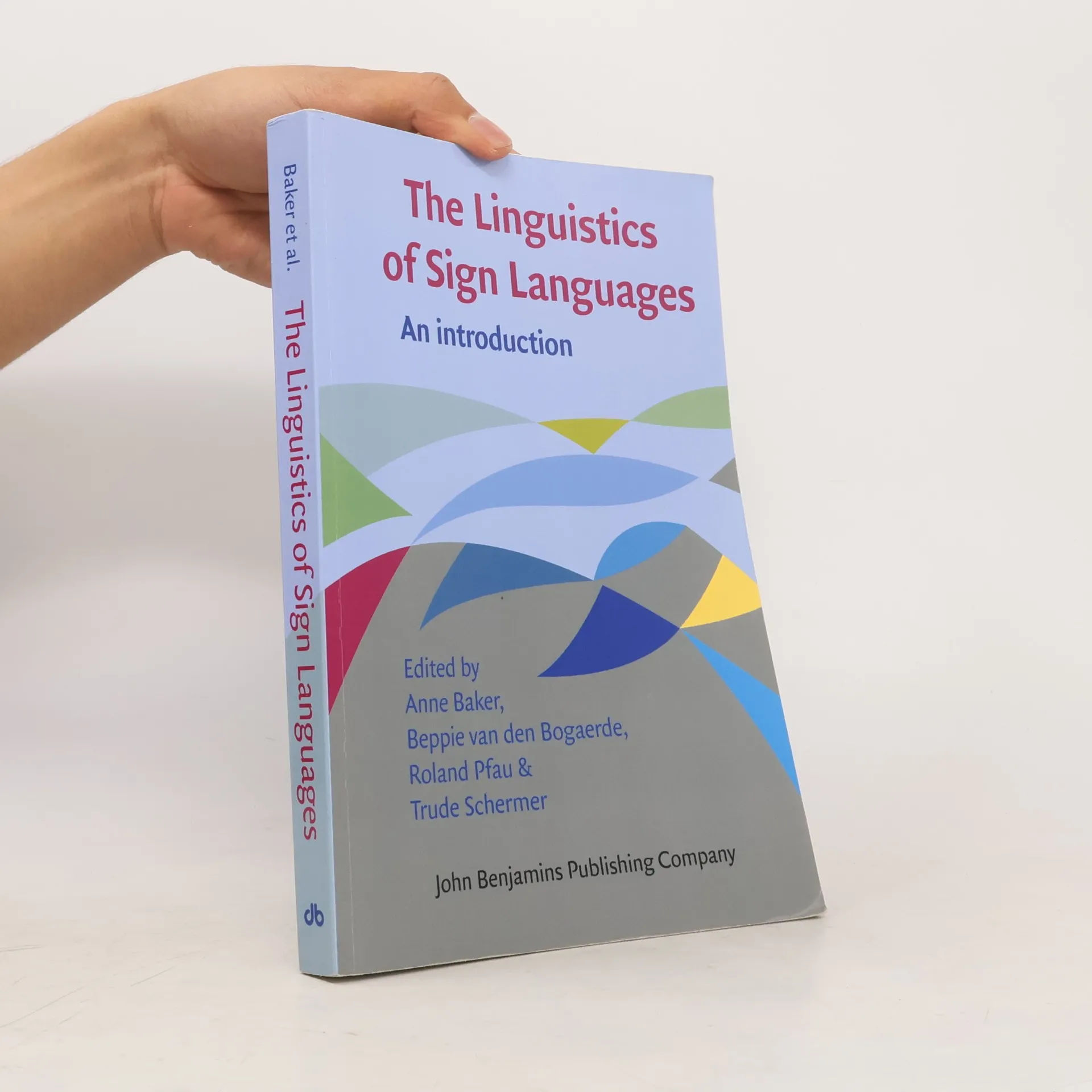
The Linguistics of Sign Languages, Anne E. Baker, Beppie van den Bogaerde, Roland Pfau, Trude Schermer
- Langue

- Année de publication
- 2016
- Reliure
- (souple),
- État du livre
- Bon
- Prix
- 12,99 €
Modes de paiement
Personne n'a encore évalué .
- Titre
- The Linguistics of Sign Languages
- Sous-titre
- An Introduction
- Langue
- Anglais
- Publié
- 2016
- Format
- souple
- Pages
- 393
- ISBN10
- 9027212317
- ISBN13
- 9789027212313
- Séries
- Catégories
- Mots clés
- Linguistique, Écrits rassemblés, Langue des signes
- Description
- How different are sign languages across the world? Are individual signs and signed sentences constructed in the same way across these languages? What are the rules for having a conversation in a sign language? How do children and adults learn a sign language? How are sign languages processed in the brain? These questions and many more are addressed in this introductory book on sign linguistics using examples from more than thirty different sign languages. Comparisons are also made with spoken languages. This book can be used as a self-study book or as a text book for students of sign linguistics. Each chapter concludes with a summary, some test-yourself questions and assignments, as well as a list of recommended texts for further reading. The book is accompanied by a containing assignments, video clips and links to web resources.