


Sacred Literature Series: Moral Teachings of Islam
Prophetic Traditions from Al-Adab Al-Mufrad
En savoir plus sur le livre
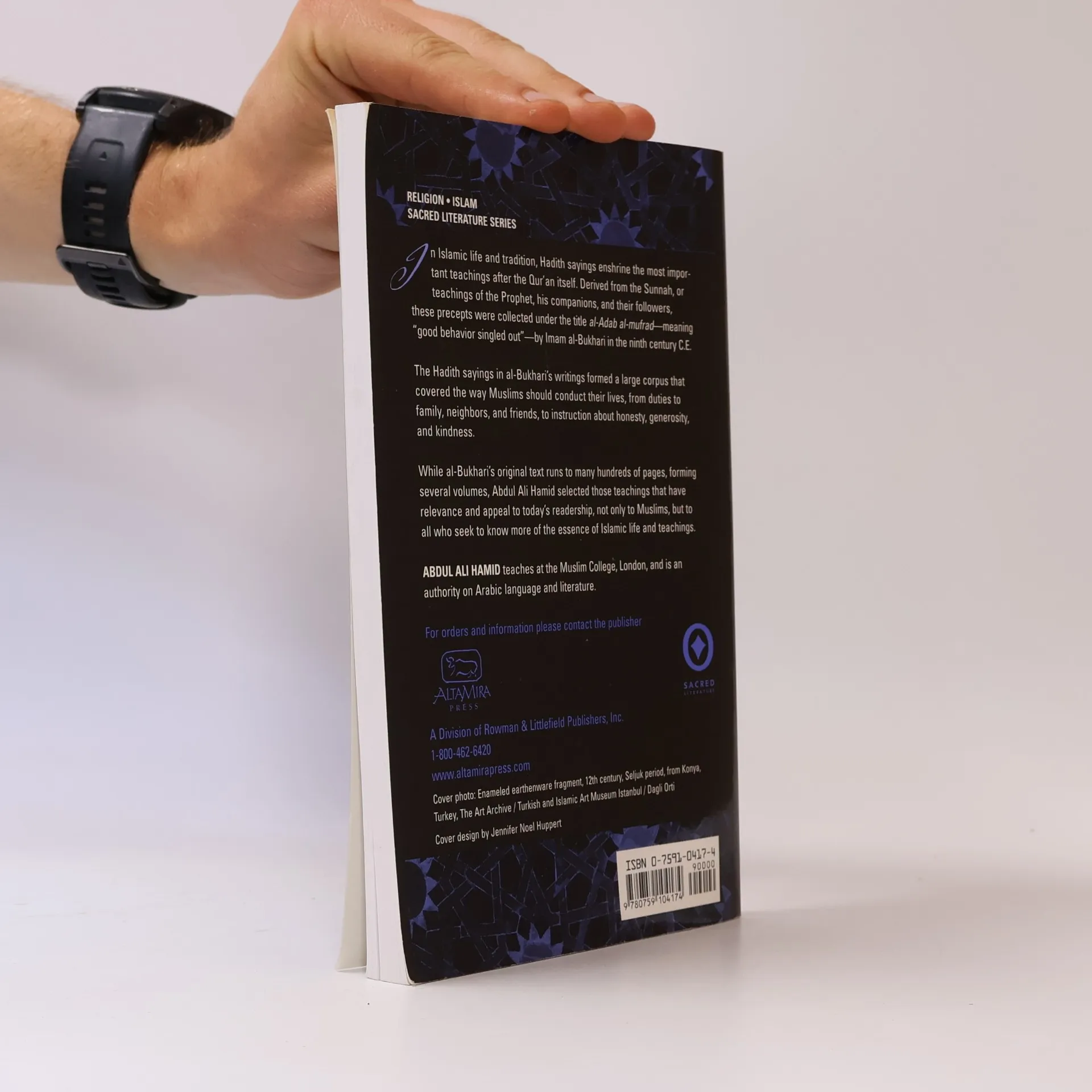
In Islamic life and tradition, Hadith sayings enshrine the most important teachings after the Qur'an itself. Derived from the Sunnah or teachings of the Prophet and his Companions and their followers, these precepts were collected under the title Al-Adab al-mufrad-meaning Good behaviour singled out-by Imam al-Bukhari in the ninth century CE. The Hadith sayings in al-Bukhari's writings formed a large corpus that covered the way Muslims should conduct their lives, from duties to parents, family, relatives, neighbors and friends, to instruction about honesty, generosity, truthfulness and kindness. While al-Bukhari's original text runs to many hundreds of pages forming several volumes, Abdul Hamid has made a selection of the teachings that has relevance and appeal to today's readership, with appeal not only to Muslims but to all who seek to know more of the essence of Islamic life and teachings.
Achat du livre
Sacred Literature Series: Moral Teachings of Islam, Muhammad Ibn Isma'il Bukhari, Abdul Ali Hamid
- Langue

- Année de publication
- 2002
- Reliure
- (souple),
- État du livre
- Bon
- Prix
- 2,39 €
Modes de paiement
Personne n'a encore évalué .
- Titre
- Sacred Literature Series: Moral Teachings of Islam
- Sous-titre
- Prophetic Traditions from Al-Adab Al-Mufrad
- Langue
- Anglais
- Éditeur
- Altamira
- Publié
- 2002
- Format
- souple
- Pages
- 132
- ISBN10
- 0759104174
- ISBN13
- 9780759104174
- Séries
- Catégories
- Mots clés
- Thèmes religieux, États-Unis, Vie religieuse
- Description
- In Islamic life and tradition, Hadith sayings enshrine the most important teachings after the Qur'an itself. Derived from the Sunnah or teachings of the Prophet and his Companions and their followers, these precepts were collected under the title Al-Adab al-mufrad-meaning Good behaviour singled out-by Imam al-Bukhari in the ninth century CE. The Hadith sayings in al-Bukhari's writings formed a large corpus that covered the way Muslims should conduct their lives, from duties to parents, family, relatives, neighbors and friends, to instruction about honesty, generosity, truthfulness and kindness. While al-Bukhari's original text runs to many hundreds of pages forming several volumes, Abdul Hamid has made a selection of the teachings that has relevance and appeal to today's readership, with appeal not only to Muslims but to all who seek to know more of the essence of Islamic life and teachings.