



Paramètres
- 208pages
- 8 heures de lecture
En savoir plus sur le livre
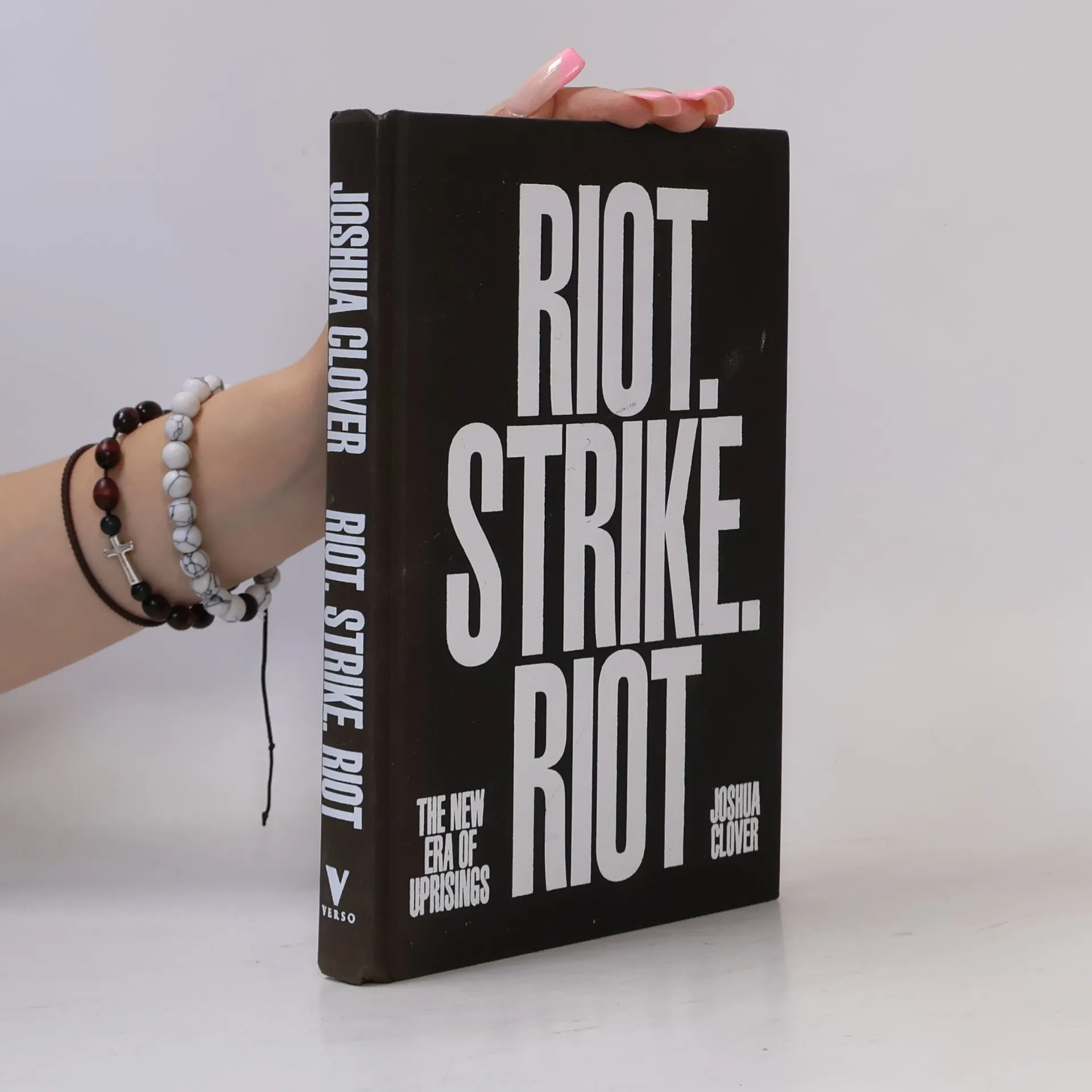
Award winning poet Joshua Clover theorises the riot as the form of the coming insurrection Baltimore. Ferguson. Tottenham. Clichy-sous-Bois. Oakland. Ours has become an “age of riots” as the struggle of people versus state and capital has taken to the streets. Award-winning poet and scholar Joshua Clover offers a new understanding of this present moment and its history. Rioting was the central form of protest in the seventeenth and eighteenth centuries, and was supplanted by the strike in the early nineteenth century. It returned to prominence in the 1970s, profoundly changed along with the coordinates of race and class. From early wage demands to recent social justice campaigns pursued through occupations and blockades, Clover connects these protests to the upheavals of a sclerotic economy in a state of moral collapse. Historical events such as the global economic crisis of 1973 and the decline of organized labor, viewed from the perspective of vast social transformations, are the proper context for understanding these eruptions of discontent. As social unrest against an unsustainable order continues to grow, this valuable history will help guide future antagonists in their struggles toward a revolutionary horizon.
Achat du livre
Riot. Strike. Riot, Joshua Clover
- Langue

- Année de publication
- 2016
- Reliure
- (rigide)
Modes de paiement
Personne n'a encore évalué .
- Titre
- Riot. Strike. Riot
- Sous-titre
- The New Era of Uprisings
- Langue
- Anglais
- Auteurs
- Joshua Clover
- Éditeur
- Verso Books
- Publié
- 2016
- Format
- rigide
- Pages
- 208
- ISBN10
- 1784780596
- ISBN13
- 9781784780593
- Séries
- Catégories
- Mots clés
- Thème historique, Commerce, Politique, Théories scientifiques, Activisme
- Description
- Award winning poet Joshua Clover theorises the riot as the form of the coming insurrection Baltimore. Ferguson. Tottenham. Clichy-sous-Bois. Oakland. Ours has become an “age of riots” as the struggle of people versus state and capital has taken to the streets. Award-winning poet and scholar Joshua Clover offers a new understanding of this present moment and its history. Rioting was the central form of protest in the seventeenth and eighteenth centuries, and was supplanted by the strike in the early nineteenth century. It returned to prominence in the 1970s, profoundly changed along with the coordinates of race and class. From early wage demands to recent social justice campaigns pursued through occupations and blockades, Clover connects these protests to the upheavals of a sclerotic economy in a state of moral collapse. Historical events such as the global economic crisis of 1973 and the decline of organized labor, viewed from the perspective of vast social transformations, are the proper context for understanding these eruptions of discontent. As social unrest against an unsustainable order continues to grow, this valuable history will help guide future antagonists in their struggles toward a revolutionary horizon.