

En savoir plus sur le livre
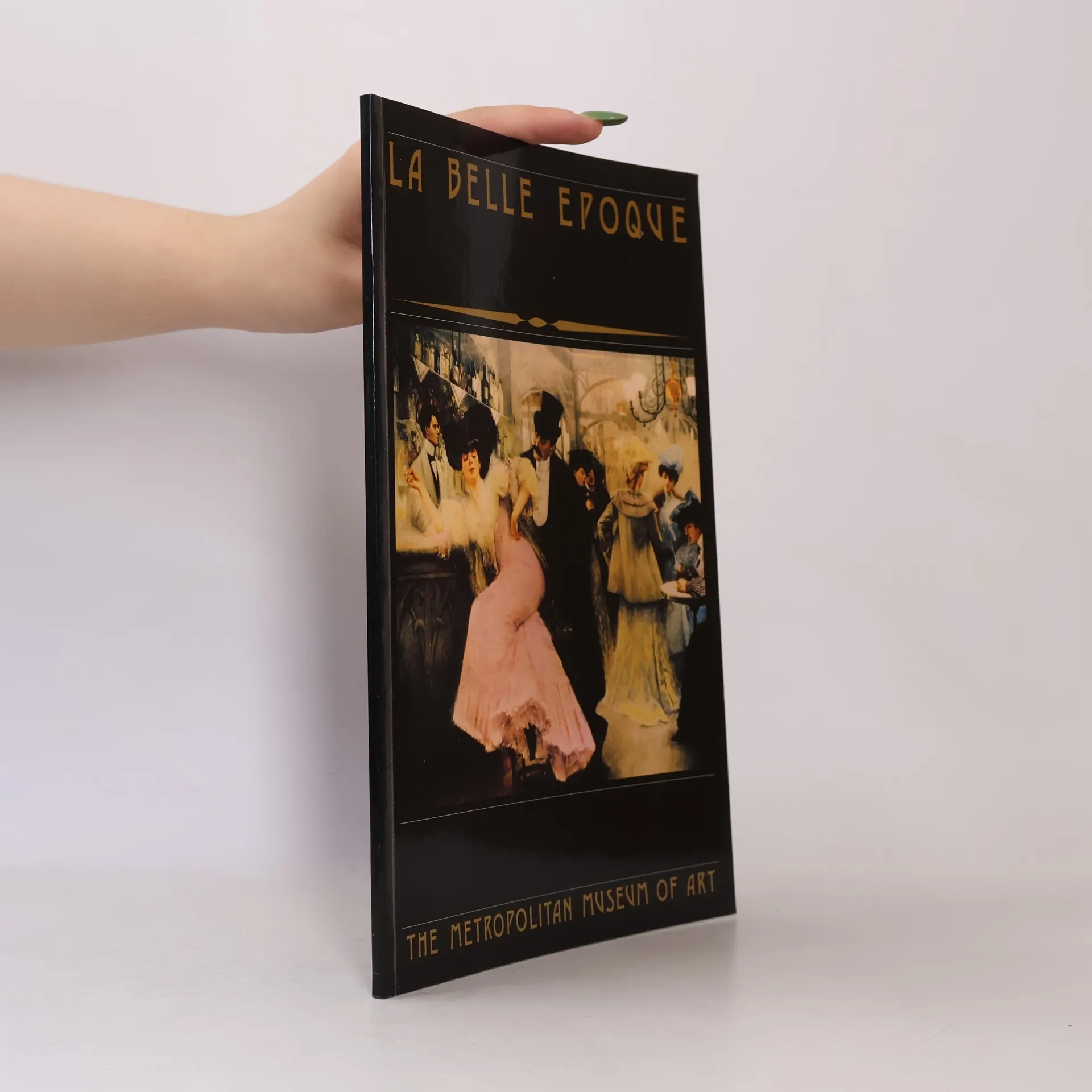
The Belle Époque or La Belle Époque (French for "Beautiful Era") was a period in French and Belgian history that is conventionally dated as starting in 1871 and ending when World War I began in 1914. Occurring during the era of the Third French Republic (beginning 1870), it was a period characterized by optimism, peace at home and in Europe, new technology and scientific discoveries. The peace and prosperity in Paris allowed the arts to flourish, and many masterpieces of literature, music, theatre, and visual art gained recognition. The Belle Époque was named, in retrospect, when it began to be considered a "golden age" in contrast to the horrors of World War I. In the newly rich United States, emerging from the Panic of 1873, the comparable epoch was dubbed the Gilded Age. In the United Kingdom, the Belle Époque overlapped with the late Victorian era and the Edwardian era. In Germany, the Belle Époque coincided with the reigns of Kaiser Wilhelm I & II and in Russia with the reigns of Alexander III and Nicholas II. Catalog of an Exhibition held at the Metropolitan Museum of Art. Includes reprint of Philippe Jullian's essay: La Belle Epoque, originally titled Can Can and Flappers, appeared in La Belle Epoque, William Morrow & Co.
Achat du livre
La Belle Époque, Philippe Jullian, Diana Vreeland
- Langue

- Année de publication
- 1982
- Reliure
- (souple)
Modes de paiement
Personne n'a encore évalué .
- Titre
- La Belle Époque
- Langue
- Anglais
- Auteurs
- Philippe Jullian, Diana Vreeland
- Éditeur
- Metropolitan Museum of Art
- Publié
- 1982
- Format
- souple
- Pages
- 48
- ISBN10
- 0870993291
- ISBN13
- 9780870993299
- Séries
- Mots clés
- Art, France, Histoire de l'art, Recherche
- Description
- The Belle Époque or La Belle Époque (French for "Beautiful Era") was a period in French and Belgian history that is conventionally dated as starting in 1871 and ending when World War I began in 1914. Occurring during the era of the Third French Republic (beginning 1870), it was a period characterized by optimism, peace at home and in Europe, new technology and scientific discoveries. The peace and prosperity in Paris allowed the arts to flourish, and many masterpieces of literature, music, theatre, and visual art gained recognition. The Belle Époque was named, in retrospect, when it began to be considered a "golden age" in contrast to the horrors of World War I. In the newly rich United States, emerging from the Panic of 1873, the comparable epoch was dubbed the Gilded Age. In the United Kingdom, the Belle Époque overlapped with the late Victorian era and the Edwardian era. In Germany, the Belle Époque coincided with the reigns of Kaiser Wilhelm I & II and in Russia with the reigns of Alexander III and Nicholas II. Catalog of an Exhibition held at the Metropolitan Museum of Art. Includes reprint of Philippe Jullian's essay: La Belle Epoque, originally titled Can Can and Flappers, appeared in La Belle Epoque, William Morrow & Co.