

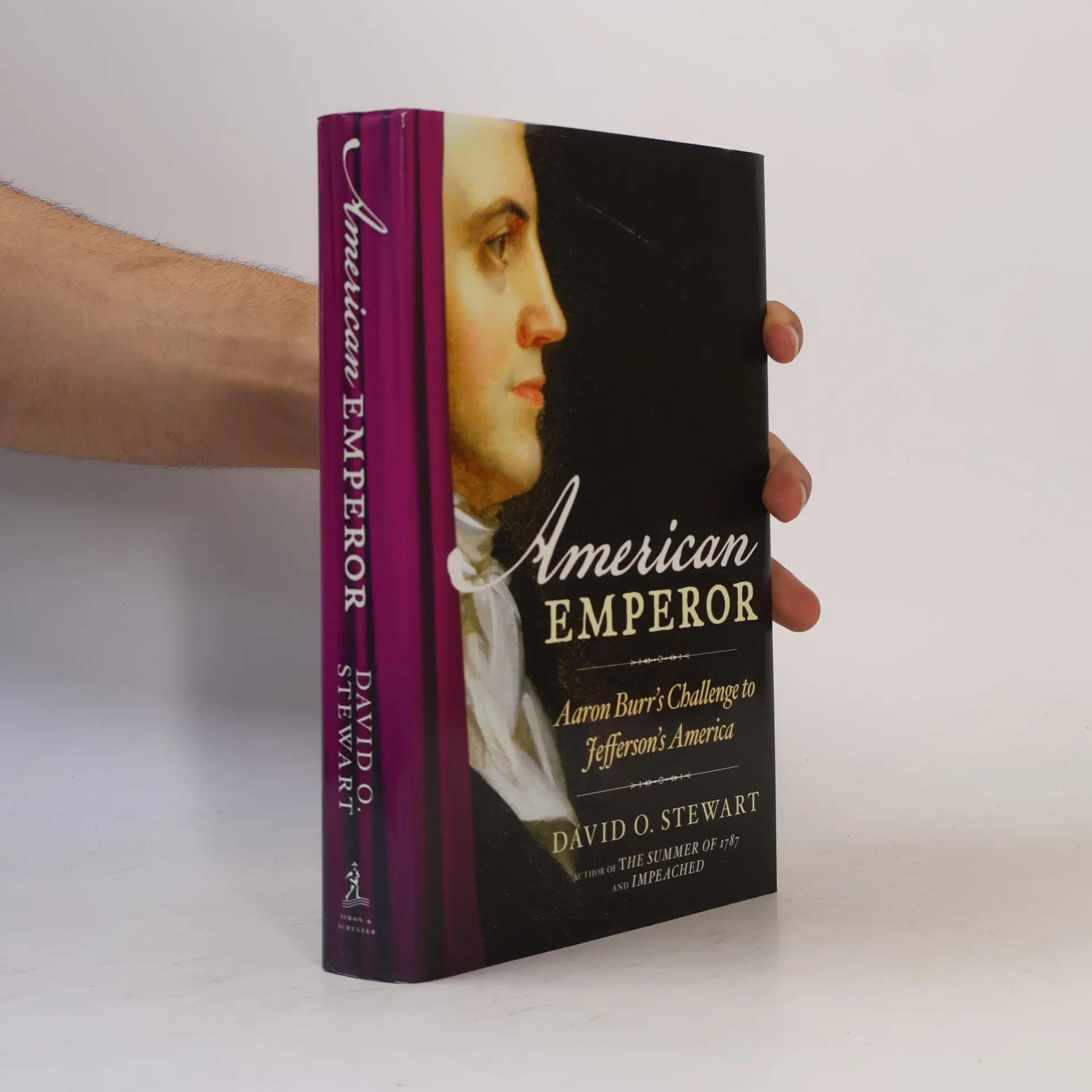
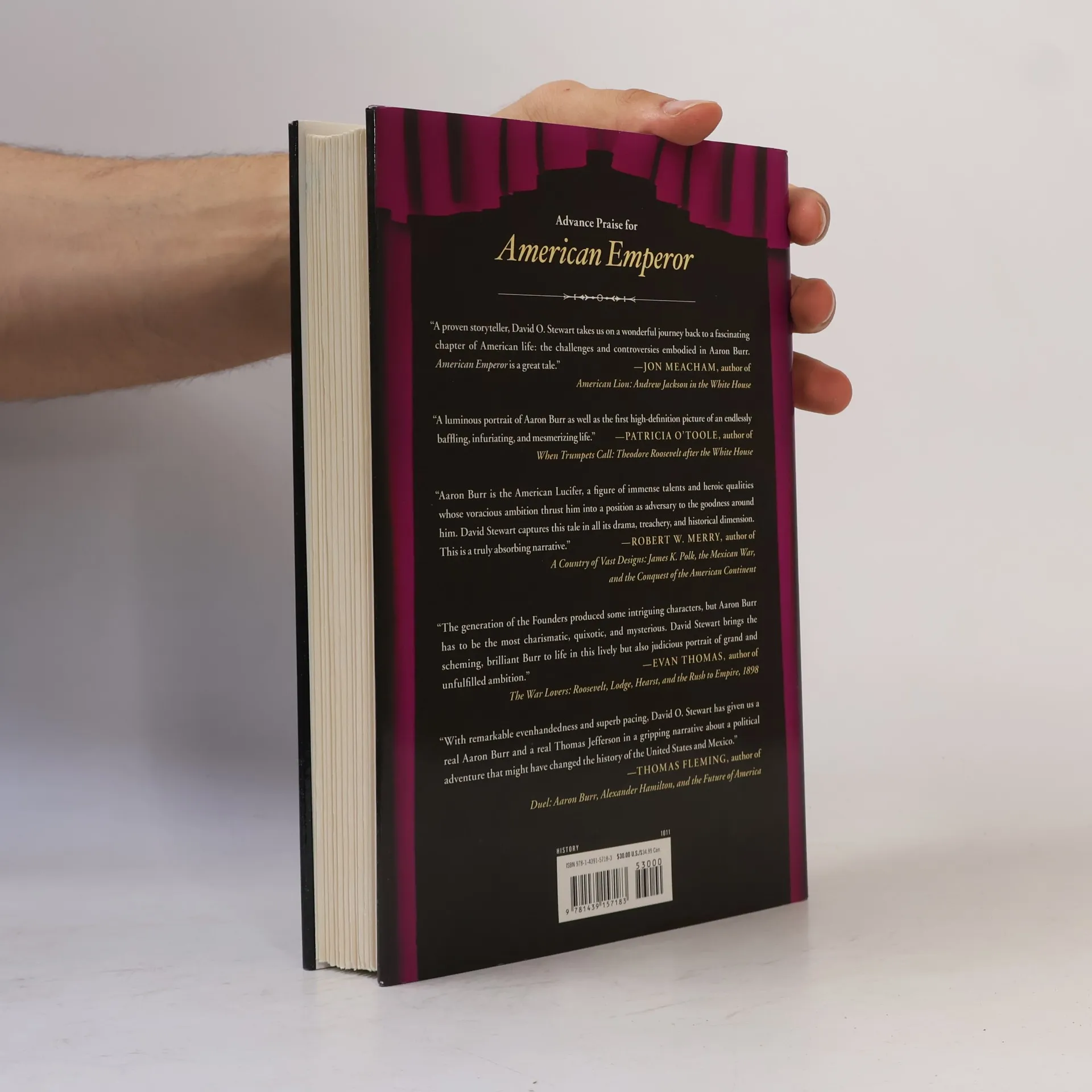

En savoir plus sur le livre
In this vivid biography, David Stewart portrays Aaron Burr, the third vice president, as a daring yet perhaps deluded figure who challenged the foundations of a young nation. In 1805, the United States was less than twenty years old, with a small government and a tiny army of 3,300 soldiers. Following the Louisiana Purchase, the western border was uncertain, and secessionist sentiments were rising in various regions. Burr, having previously challenged Jefferson in the 1800 presidential election, was indicted for murder after the duel with Alexander Hamilton in 1804. He harbored grand ambitions, envisioning an insurrection in New Orleans, a private invasion of Spanish territories, and the establishment of a vast empire on the Gulf of Mexico. For two years, Burr sought support from military leaders and western figures, including Andrew Jackson. However, after being betrayed by the army chief, Jefferson ordered Burr's prosecution for treason. The trial, featuring prominent lawyers and Chief Justice John Marshall, became a pivotal moment for the nation's identity, debating whether individual rights should be sacrificed for political stability. In a surprising twist, Jefferson defended government power while Marshall protected Burr. Ultimately, Burr's clever legal maneuvers secured his freedom. He later attempted to liberate Spain’s American colonies but returned to America, living an unrepentant old age. Stewart’s account offers a
Achat du livre
American Emperor, David Stewart
- Langue

- Année de publication
- 2011
- Reliure
- (rigide),
- État du livre
- Bon
- Prix
- 6,99 €
Modes de paiement
Personne n'a encore évalué .
- Titre
- American Emperor
- Sous-titre
- Aaron Burr's Challenge to Jefferson's America
- Langue
- Anglais
- Auteurs
- David Stewart
- Éditeur
- Simon & Schuster
- Publié
- 2011
- Format
- rigide
- Pages
- 411
- ISBN10
- 1439157189
- ISBN13
- 9781439157183
- Séries
- Catégories
- Mots clés
- Thème historique, Politique, États-Unis, Histoire des États-Unis, Présidents
- Description
- In this vivid biography, David Stewart portrays Aaron Burr, the third vice president, as a daring yet perhaps deluded figure who challenged the foundations of a young nation. In 1805, the United States was less than twenty years old, with a small government and a tiny army of 3,300 soldiers. Following the Louisiana Purchase, the western border was uncertain, and secessionist sentiments were rising in various regions. Burr, having previously challenged Jefferson in the 1800 presidential election, was indicted for murder after the duel with Alexander Hamilton in 1804. He harbored grand ambitions, envisioning an insurrection in New Orleans, a private invasion of Spanish territories, and the establishment of a vast empire on the Gulf of Mexico. For two years, Burr sought support from military leaders and western figures, including Andrew Jackson. However, after being betrayed by the army chief, Jefferson ordered Burr's prosecution for treason. The trial, featuring prominent lawyers and Chief Justice John Marshall, became a pivotal moment for the nation's identity, debating whether individual rights should be sacrificed for political stability. In a surprising twist, Jefferson defended government power while Marshall protected Burr. Ultimately, Burr's clever legal maneuvers secured his freedom. He later attempted to liberate Spain’s American colonies but returned to America, living an unrepentant old age. Stewart’s account offers a