


Paramètres
- 202pages
- 8 heures de lecture
En savoir plus sur le livre
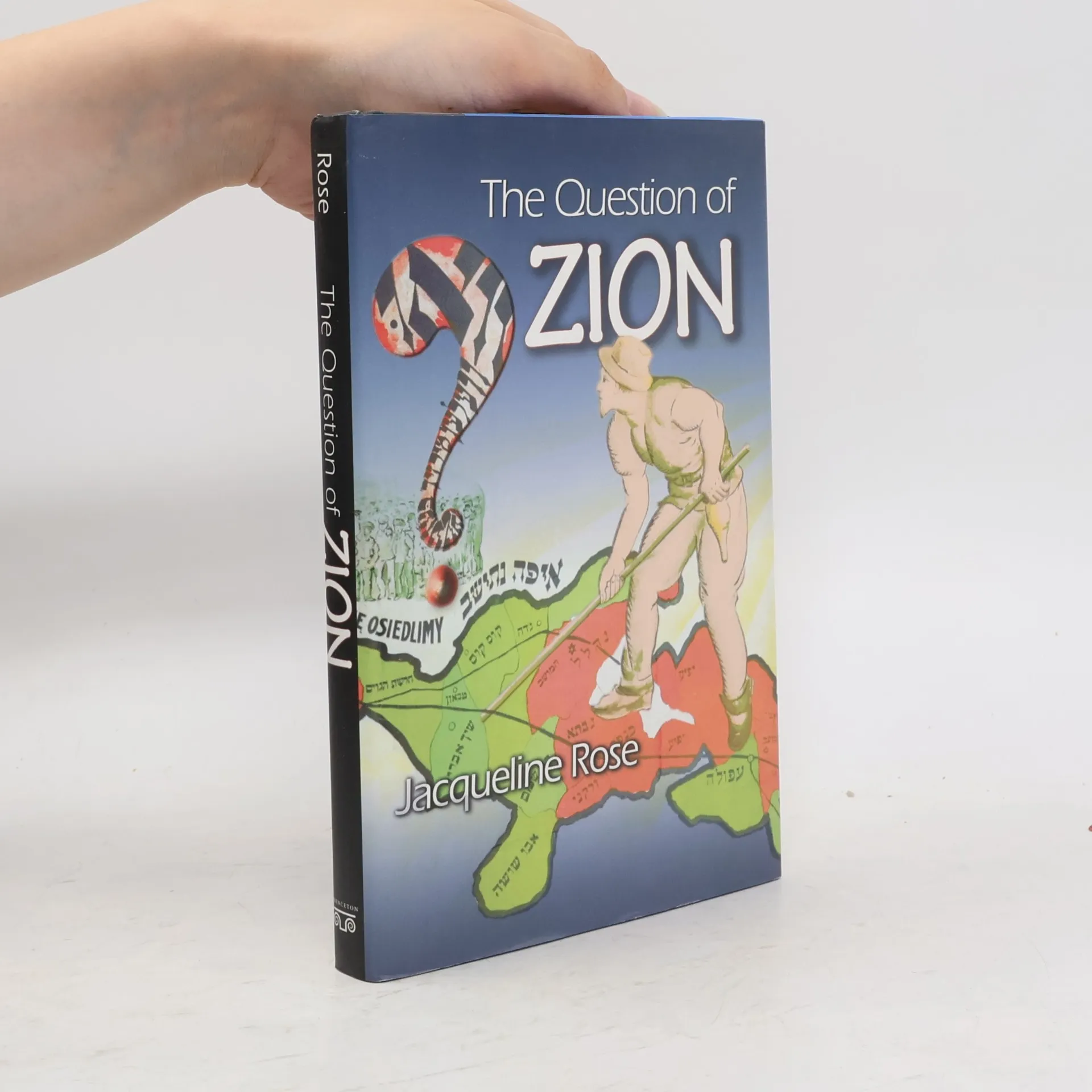
Zionism emerged as a movement seeking a homeland for the stateless and persecuted Jewish people, yet it simultaneously infringed upon the rights of Arabs in Palestine. This complex and controversial ideology, according to prominent British writer Jacqueline Rose, challenges rational public discourse. Utilizing her political and psychoanalytic expertise, Rose provides an unprecedented examination of Zionism, probing its formation as an identity and its seemingly immutable nature. She analyzes the messianic fervor that continues to shape Israel's self-image. Rose also highlights the voices of dissidents who, believing themselves true Zionists, cautioned against the perils of statehood for the Jewish people. Their foresight regarding the legitimate claims of Palestinian Arabs is emphasized, suggesting that their insights are crucial for the Jewish state’s transformation today. In a provocative segment of her analysis, Rose reconsiders the connection between the Holocaust and the establishment of Israel, arguing that the early leaders' shame over their European history complicates the justification of current policies. For those invested in the Israel-Palestine conflict, this timely work offers a distinctive perspective on Zionism as a significant psychic and historical force.
Achat du livre
The Question Of Zion, Jacqueline Rose
- Langue

- Année de publication
- 2005
- Reliure
- (rigide),
- État du livre
- Bon
- Prix
- 12,49 €
Modes de paiement
Personne n'a encore évalué .
- Titre
- The Question Of Zion
- Langue
- Anglais
- Auteurs
- Jacqueline Rose
- Éditeur
- Princeton University Press
- Publié
- 2005
- Format
- rigide
- Pages
- 202
- ISBN10
- 0691117500
- ISBN13
- 9780691117508
- Séries
- Catégories
- Mots clés
- Thème historique, Thématique philosophique, États-Unis, 20e siècle, Théories politiques, Judaica, Littérature juive, Israël, Palestine, Nationalisme, Aspects Psychologiques, Sionisme
- Description
- Zionism emerged as a movement seeking a homeland for the stateless and persecuted Jewish people, yet it simultaneously infringed upon the rights of Arabs in Palestine. This complex and controversial ideology, according to prominent British writer Jacqueline Rose, challenges rational public discourse. Utilizing her political and psychoanalytic expertise, Rose provides an unprecedented examination of Zionism, probing its formation as an identity and its seemingly immutable nature. She analyzes the messianic fervor that continues to shape Israel's self-image. Rose also highlights the voices of dissidents who, believing themselves true Zionists, cautioned against the perils of statehood for the Jewish people. Their foresight regarding the legitimate claims of Palestinian Arabs is emphasized, suggesting that their insights are crucial for the Jewish state’s transformation today. In a provocative segment of her analysis, Rose reconsiders the connection between the Holocaust and the establishment of Israel, arguing that the early leaders' shame over their European history complicates the justification of current policies. For those invested in the Israel-Palestine conflict, this timely work offers a distinctive perspective on Zionism as a significant psychic and historical force.