



En savoir plus sur le livre
This powerful book argues that white culture in America is inseparable from black culture, highlighting the collision between the rights of man and the system of slavery that has shaped the nation. It emphasizes the need to integrate not only buses, schools, and factories but also the canon of American literature. Eric Sundquist undertakes this task, exploring the intersection of politics and literature, from Uncle Remus to African American spirituals. A significant reevaluation of American literature from 1830 to 1930 reveals how white and black literature are intertwined. Sundquist examines African America's complex relationship with white intellectual and literary forms, reconstructing the American literary tradition from the pre-Civil War era to the early twentieth century. The discussion begins with Nat Turner's "Confessions," recorded by Thomas Gray, setting the stage for the nuanced meanings found in American texts. Sundquist analyzes works by Frederick Douglass, Herman Melville, Martin Delany, Mark Twain, Charles Chesnutt, and W.E.B. Du Bois, contextualizing each within a rich tapestry of history, law, politics, religion, folklore, music, and dance. These readings provide insights into broader cultural themes, including the intersection of slavery with revolutionary ideology, literary depictions of segregation, and the transformation of African and antebellum folk consciousness into American literature.
Achat du livre
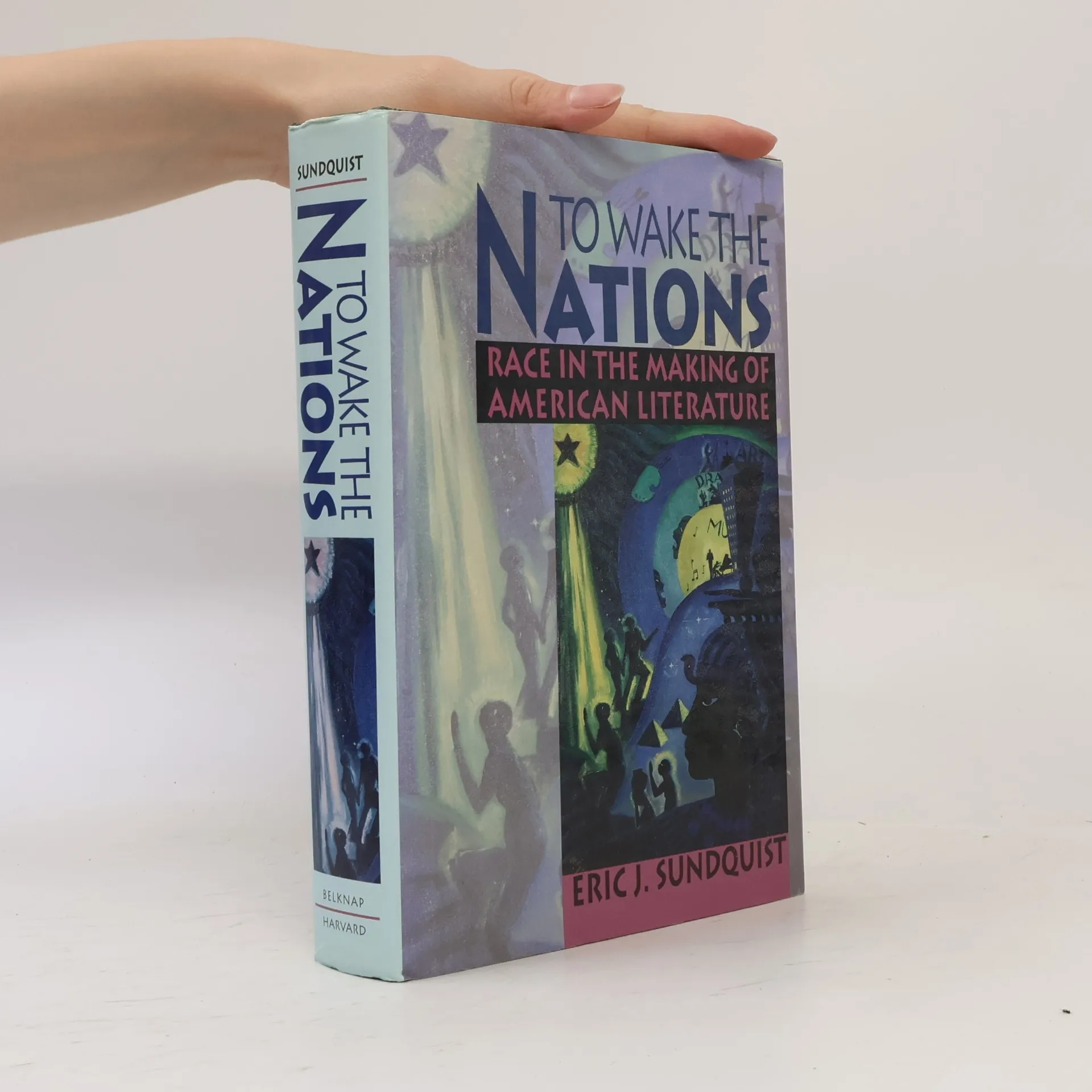
To Wake the Nations, Eric J. Sundquist
- Langue

- Année de publication
- 1993
- Reliure
- (rigide),
- État du livre
- Très bon
- Prix
- 7,49 €
Modes de paiement
Personne n'a encore évalué .
- Titre
- To Wake the Nations
- Sous-titre
- Race in the Making of American Literature
- Langue
- Anglais
- Auteurs
- Eric J. Sundquist
- Éditeur
- Belknap Press
- Publié
- 1993
- Format
- rigide
- Pages
- 705
- ISBN10
- 0674893301
- ISBN13
- 9780674893306
- Séries
- Mots clés
- Critique littéraire
- Description
- This powerful book argues that white culture in America is inseparable from black culture, highlighting the collision between the rights of man and the system of slavery that has shaped the nation. It emphasizes the need to integrate not only buses, schools, and factories but also the canon of American literature. Eric Sundquist undertakes this task, exploring the intersection of politics and literature, from Uncle Remus to African American spirituals. A significant reevaluation of American literature from 1830 to 1930 reveals how white and black literature are intertwined. Sundquist examines African America's complex relationship with white intellectual and literary forms, reconstructing the American literary tradition from the pre-Civil War era to the early twentieth century. The discussion begins with Nat Turner's "Confessions," recorded by Thomas Gray, setting the stage for the nuanced meanings found in American texts. Sundquist analyzes works by Frederick Douglass, Herman Melville, Martin Delany, Mark Twain, Charles Chesnutt, and W.E.B. Du Bois, contextualizing each within a rich tapestry of history, law, politics, religion, folklore, music, and dance. These readings provide insights into broader cultural themes, including the intersection of slavery with revolutionary ideology, literary depictions of segregation, and the transformation of African and antebellum folk consciousness into American literature.