


En savoir plus sur le livre
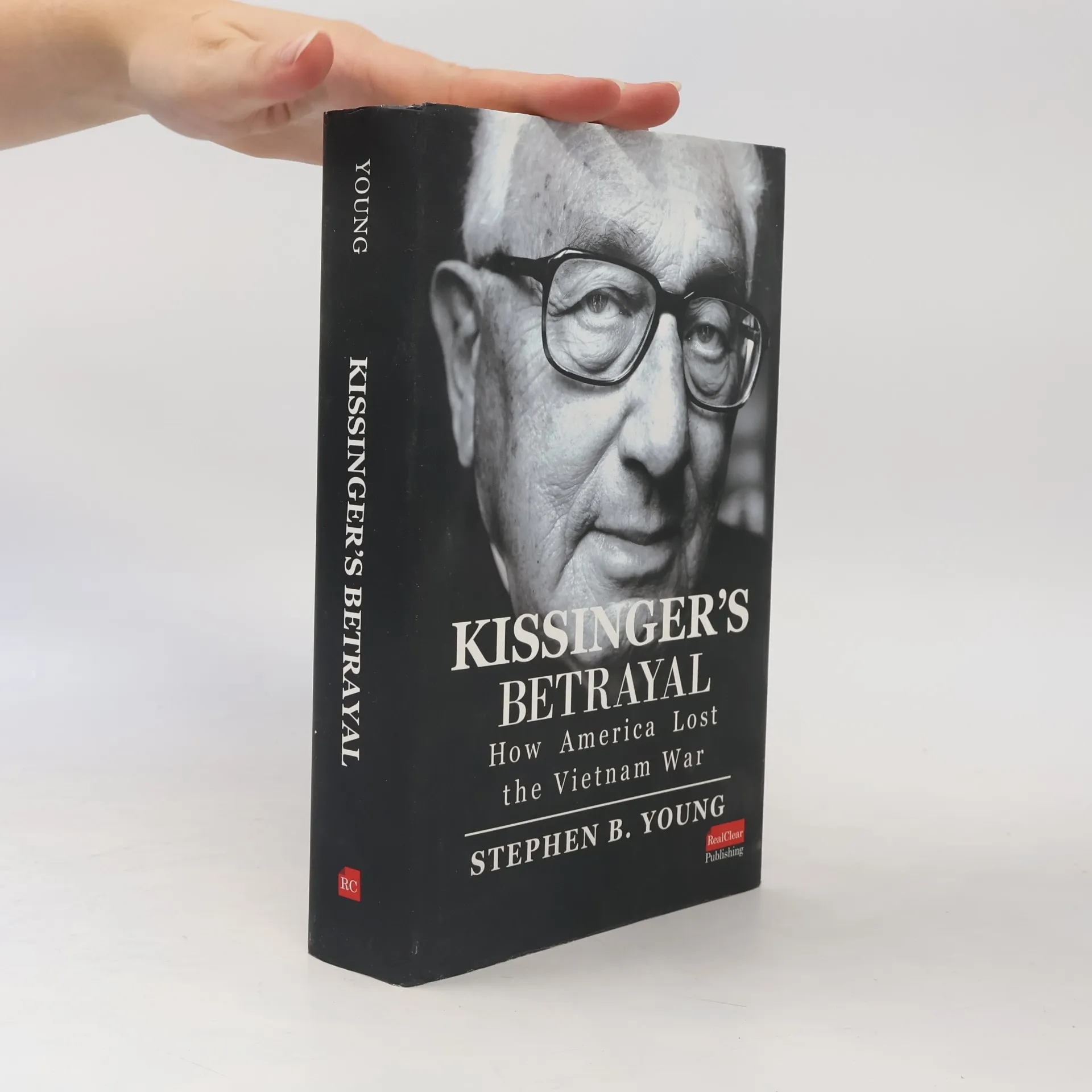
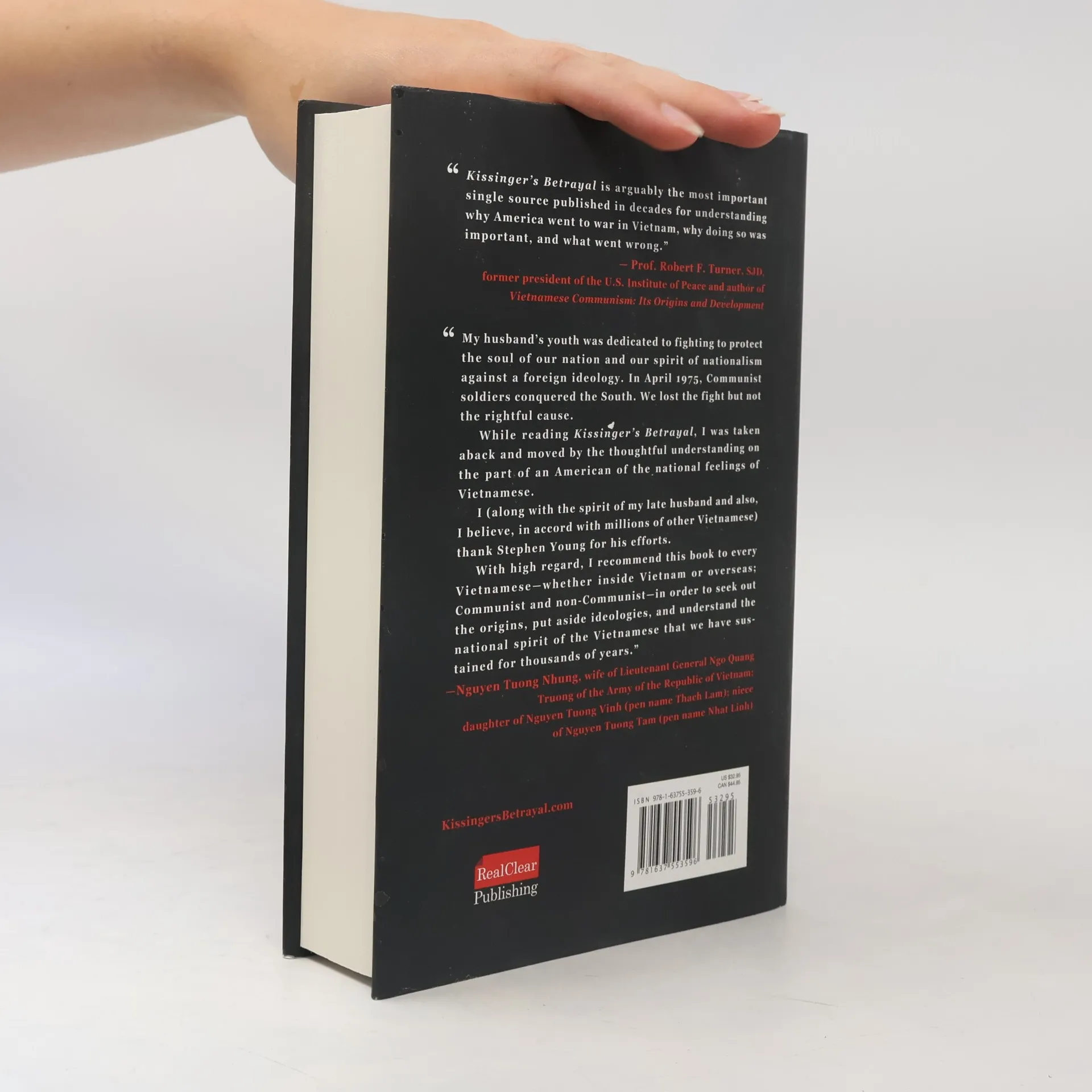
This work is a crucial resource for understanding the Vietnam War, addressing why the U.S. engaged in the conflict, its significance, and the factors that led to a Communist victory. For decades, it has been widely accepted that South Vietnam's defeat was inevitable due to its inherent weaknesses and the American effort's inability to win local support. However, this narrative is challenged by the possibility that South Vietnam's downfall stemmed from betrayal through covert agreements made without its knowledge. Drawing from previously classified documents, including those from the American ambassador to South Vietnam and the Soviet foreign ministry, the text reveals how Henry Kissinger secretly undermined South Vietnam's chances for survival. He made a significant diplomatic concession, allowing North Vietnam to maintain its military presence in the South and resume its invasion at will, without informing U.S. leadership or allies. Historian Stephen B. Young provides a nuanced perspective on Vietnamese nationalism and the impact of French colonialism, emphasizing the right of the Vietnamese people to self-determination. This account offers a revised and more accurate history of the Vietnam War, restoring dignity to both America and the Vietnamese people.
Achat du livre
Kissinger's Betrayal, Stephen B. Young
- Langue

- Année de publication
- 2023
- Reliure
- (rigide)
Modes de paiement
Personne n'a encore évalué .
- Titre
- Kissinger's Betrayal
- Sous-titre
- How America Lost the Vietnam War
- Langue
- Anglais
- Auteurs
- Stephen B. Young
- Éditeur
- Mascot Books, Incorporated
- Publié
- 2023
- Format
- rigide
- Pages
- 432
- ISBN10
- 1637553595
- ISBN13
- 9781637553596
- Séries
- Mots clés
- Thème historique, États-Unis, Guerres, Asie, Conflits, Asie du Sud-Est
- Description
- This work is a crucial resource for understanding the Vietnam War, addressing why the U.S. engaged in the conflict, its significance, and the factors that led to a Communist victory. For decades, it has been widely accepted that South Vietnam's defeat was inevitable due to its inherent weaknesses and the American effort's inability to win local support. However, this narrative is challenged by the possibility that South Vietnam's downfall stemmed from betrayal through covert agreements made without its knowledge. Drawing from previously classified documents, including those from the American ambassador to South Vietnam and the Soviet foreign ministry, the text reveals how Henry Kissinger secretly undermined South Vietnam's chances for survival. He made a significant diplomatic concession, allowing North Vietnam to maintain its military presence in the South and resume its invasion at will, without informing U.S. leadership or allies. Historian Stephen B. Young provides a nuanced perspective on Vietnamese nationalism and the impact of French colonialism, emphasizing the right of the Vietnamese people to self-determination. This account offers a revised and more accurate history of the Vietnam War, restoring dignity to both America and the Vietnamese people.