



En savoir plus sur le livre
When Thomas Jefferson wrote his epitaph, he highlighted his authorship of the Declaration of Independence, the Virginia statute of religious freedom, and founding the University of Virginia, omitting his presidency and role as Virginia's second governor during the Revolution. Dumas Malone noted that these events reveal Jefferson's character as a man of action in emergencies, while Joseph Ellis remarked that his governorship toughened him. Michael Kranish's narrative illuminates this critical period in *Flight from Monticello*, filled with vivid scenes of clashing armies, spies, and desperate battles. The story begins with the colonies' resistance to British rule, highlighting Jefferson's involvement in the Continental Congress and his rise to governorship. His belief in limiting executive power led to a weak governorship, leaving Virginia unprepared for British invasion under Benedict Arnold. The British easily captured the colony, forcing the legislature to flee and Jefferson to narrowly escape capture twice. Kranish details Jefferson's struggles to respond to the invasion while painting an intimate portrait of his personal life at Monticello. Jefferson's record was marked by contradictions, and though he felt unqualified to lead in war, he learned valuable lessons during these tumultuous times that influenced him throughout his life.
Achat du livre
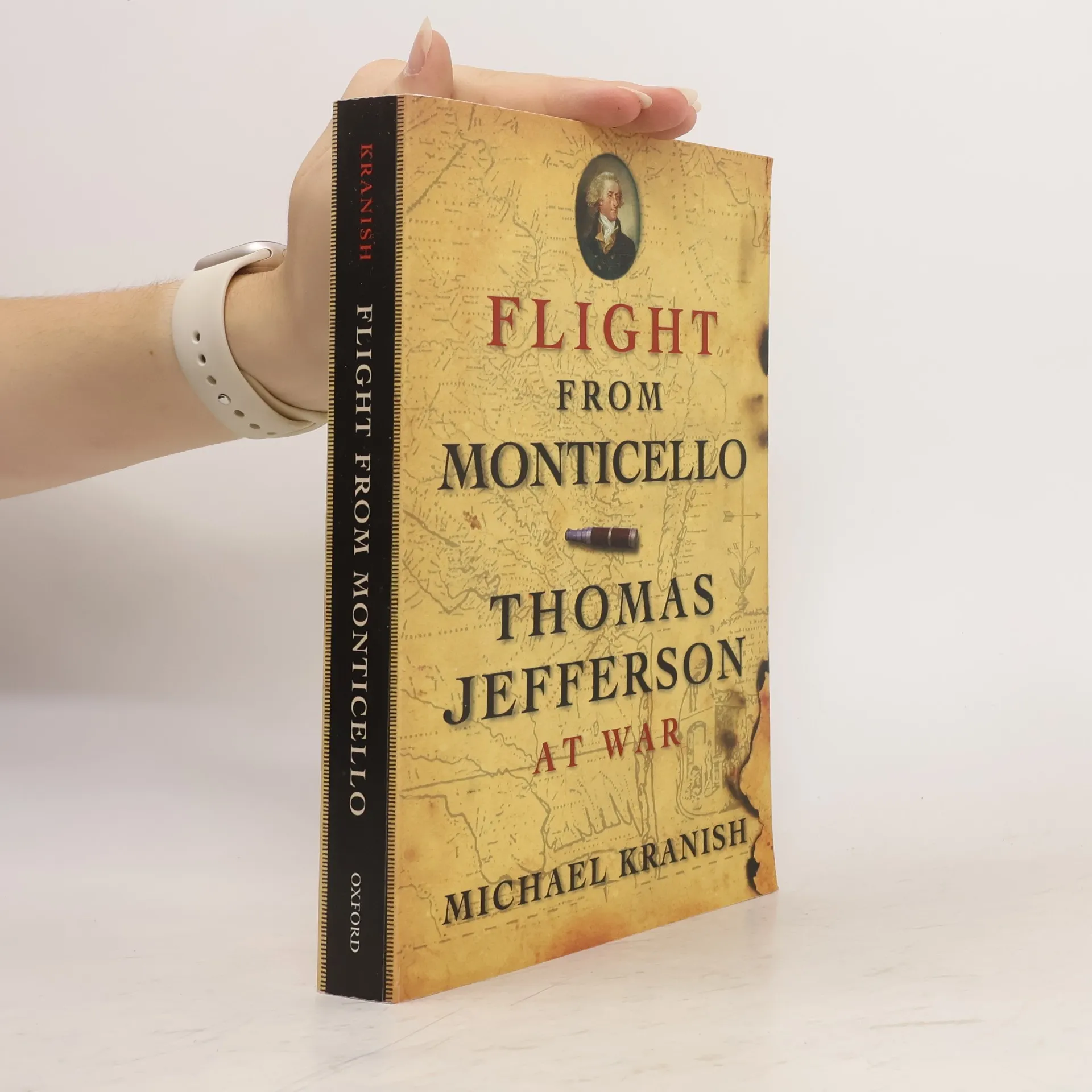
Flight from Monticello, Michael Kranish
- Langue

- Année de publication
- 2011
- Reliure
- (souple),
- État du livre
- Bon
- Prix
- 7,49 €
Modes de paiement
Personne n'a encore évalué .
- Titre
- Flight from Monticello
- Sous-titre
- Thomas Jefferson at War
- Langue
- Anglais
- Auteurs
- Michael Kranish
- Éditeur
- Oxford University Press
- Publié
- 2011
- Format
- souple
- Pages
- 400
- ISBN10
- 0199837325
- ISBN13
- 9780199837328
- Séries
- Catégories
- Description
- When Thomas Jefferson wrote his epitaph, he highlighted his authorship of the Declaration of Independence, the Virginia statute of religious freedom, and founding the University of Virginia, omitting his presidency and role as Virginia's second governor during the Revolution. Dumas Malone noted that these events reveal Jefferson's character as a man of action in emergencies, while Joseph Ellis remarked that his governorship toughened him. Michael Kranish's narrative illuminates this critical period in *Flight from Monticello*, filled with vivid scenes of clashing armies, spies, and desperate battles. The story begins with the colonies' resistance to British rule, highlighting Jefferson's involvement in the Continental Congress and his rise to governorship. His belief in limiting executive power led to a weak governorship, leaving Virginia unprepared for British invasion under Benedict Arnold. The British easily captured the colony, forcing the legislature to flee and Jefferson to narrowly escape capture twice. Kranish details Jefferson's struggles to respond to the invasion while painting an intimate portrait of his personal life at Monticello. Jefferson's record was marked by contradictions, and though he felt unqualified to lead in war, he learned valuable lessons during these tumultuous times that influenced him throughout his life.