

En savoir plus sur le livre
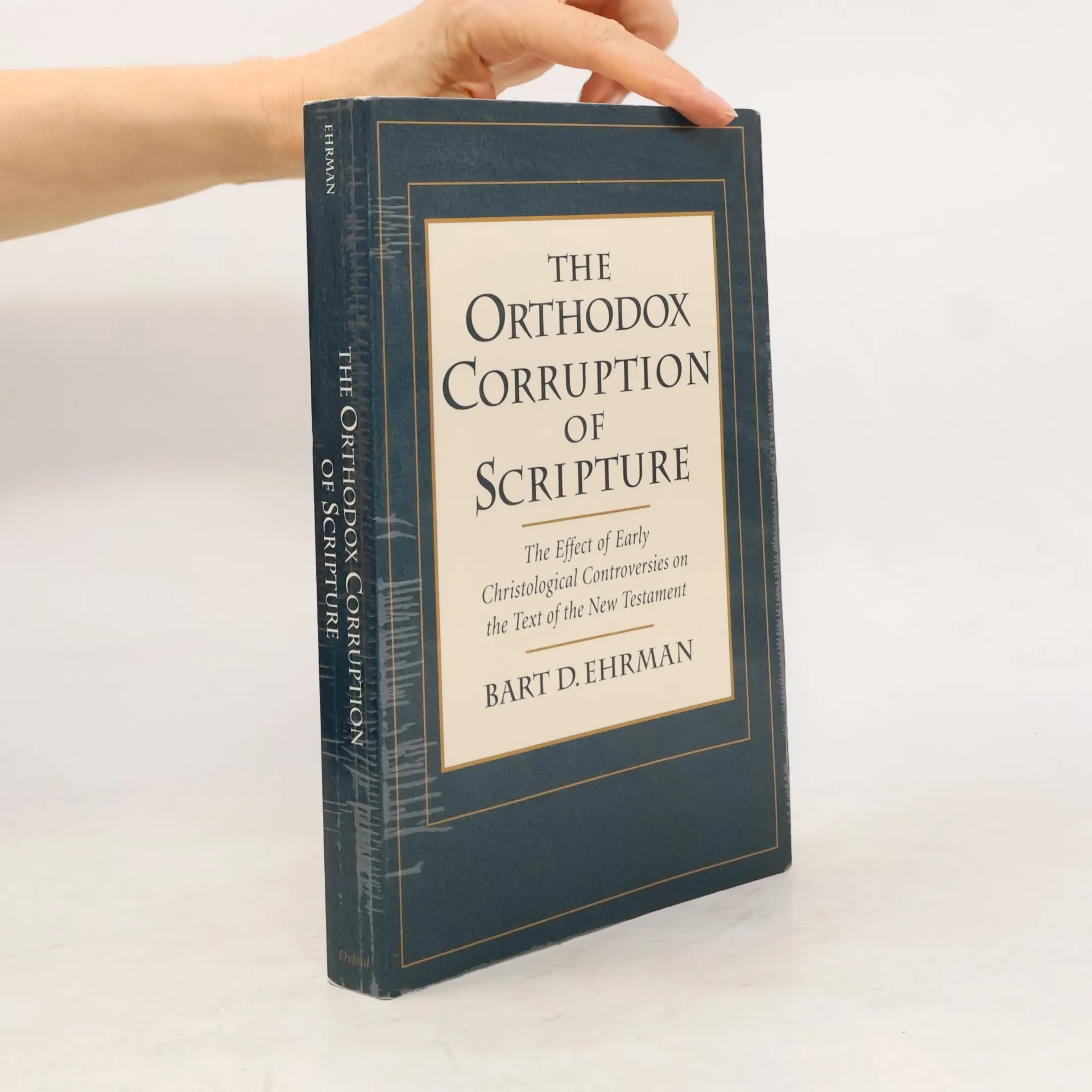
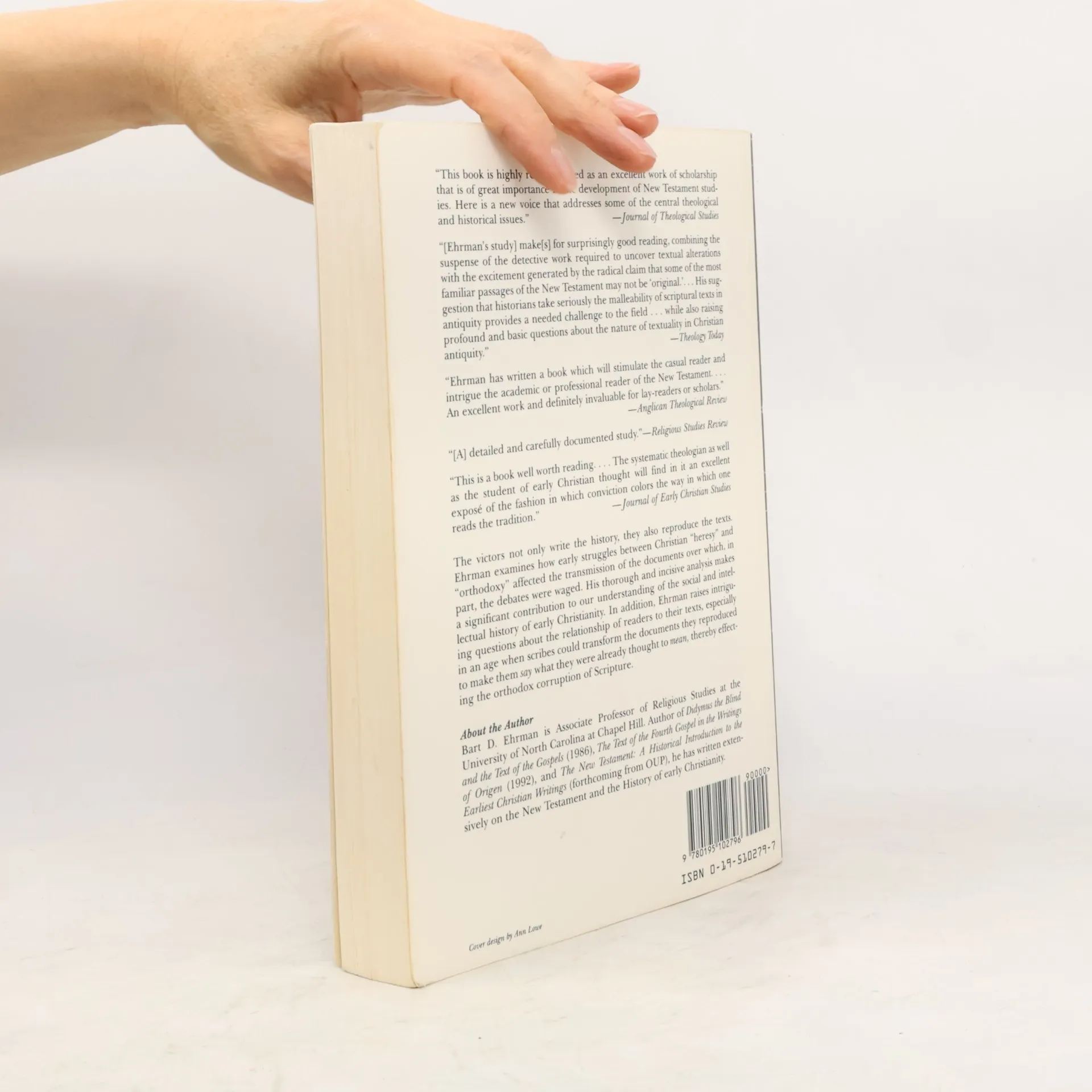
Victors not only write they also reproduce the texts. Bart Ehrman explores the close relationship between the social history of early Christianity and the textual tradition of the emerging New Testament, examining how early struggles between Christian "heresy" and "orthodoxy" affectedthe transmission of the documents over which many of the debates were waged. He makes a crucial contribution to our understanding of the social and intellectual history of early Christianity and raises intriguing questions about the relationship of readers to their texts, especially in an age whenscribes could transform the documents they reproduced. This edition includes a new afterword surveying research in biblical interpretation over the past twenty years.
Achat du livre
The Orthodox Corruption of Scripture, Bart D. Ehrman
- Langue

- Année de publication
- 1996
- Reliure
- (souple)
Modes de paiement
Personne n'a encore évalué .
- Titre
- The Orthodox Corruption of Scripture
- Sous-titre
- The Effect of Early Christological Controversies on the Text of the New Testament
- Langue
- Anglais
- Auteurs
- Bart D. Ehrman
- Éditeur
- Oxford University Press
- Publié
- 1996
- Format
- souple
- Pages
- 314
- ISBN10
- 0195102797
- ISBN13
- 9780195102796
- Séries
- Mots clés
- Thème historique, Thèmes religieux, Spiritualité et spiritualisme, Thèmes chrétiens, Théologie, Linguistique, Nouveau Testament, Histoire des religions, Théologie chrétienne, Droit d'auteur, Manuscrits, Christologie, Reproduction
- Description
- Victors not only write they also reproduce the texts. Bart Ehrman explores the close relationship between the social history of early Christianity and the textual tradition of the emerging New Testament, examining how early struggles between Christian "heresy" and "orthodoxy" affectedthe transmission of the documents over which many of the debates were waged. He makes a crucial contribution to our understanding of the social and intellectual history of early Christianity and raises intriguing questions about the relationship of readers to their texts, especially in an age whenscribes could transform the documents they reproduced. This edition includes a new afterword surveying research in biblical interpretation over the past twenty years.