

Paramètres
- 411pages
- 15 heures de lecture
En savoir plus sur le livre
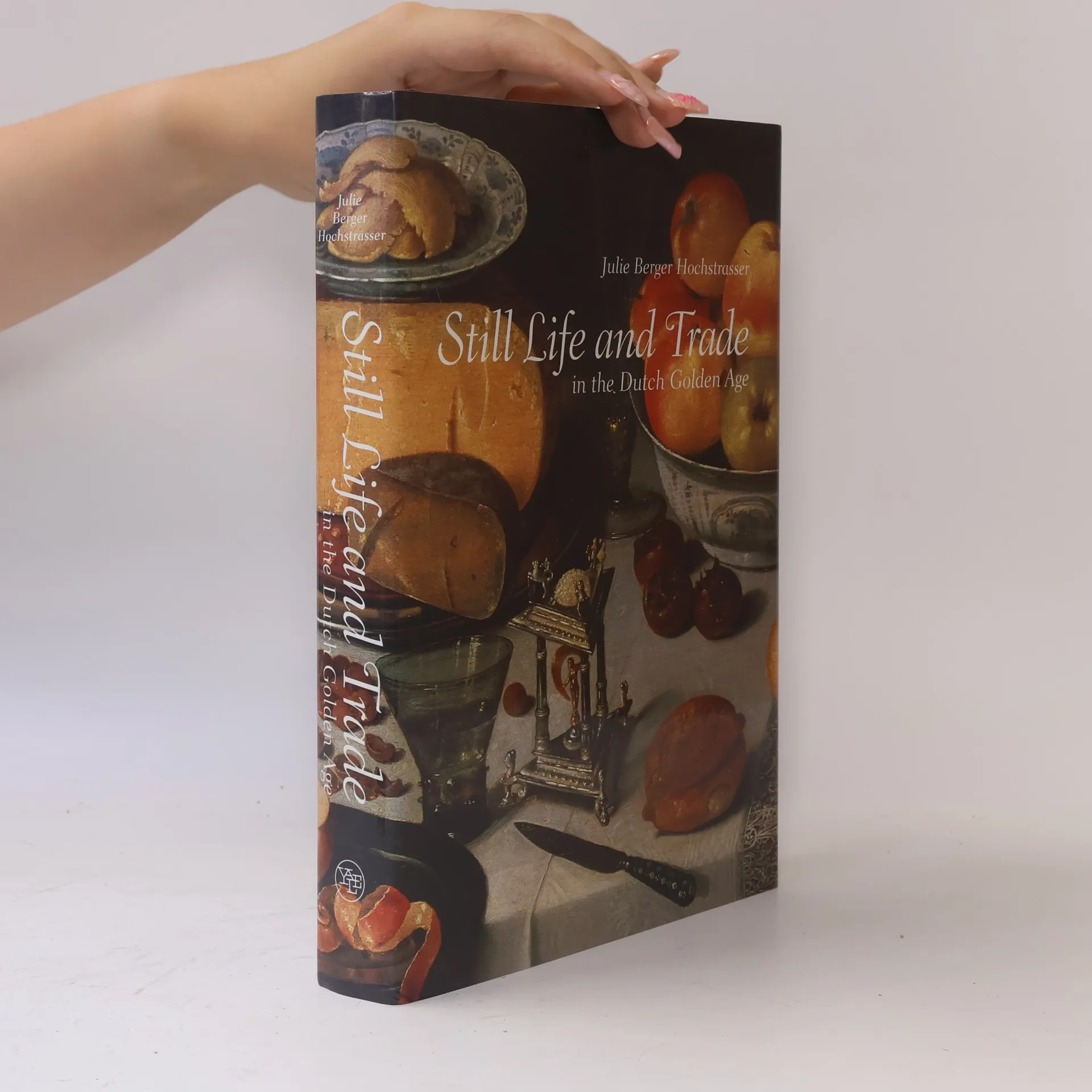
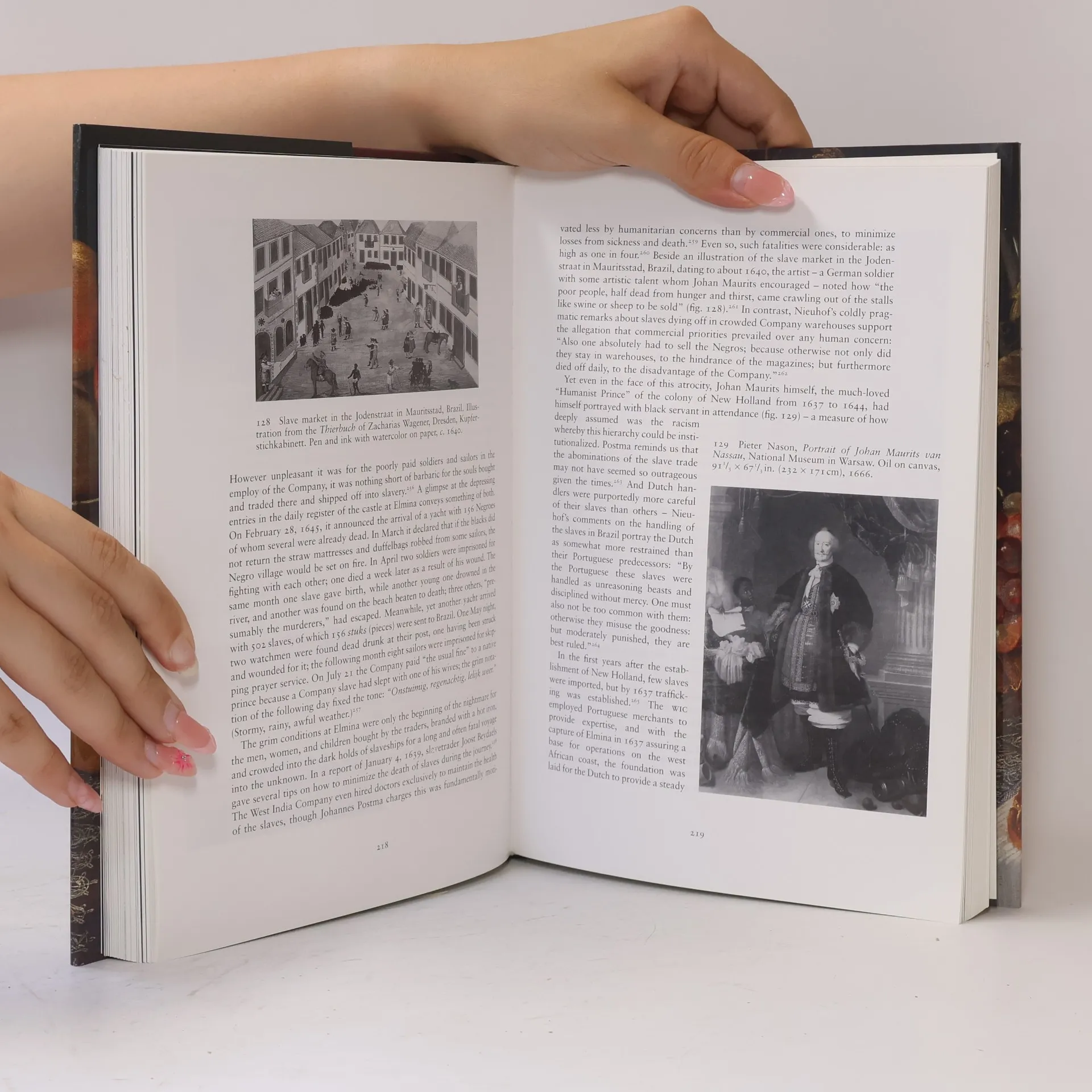
The magnificent still life paintings of the Dutch Golden Age depict tables richly laid with an array of products that attest to the vast scope of the Dutch trade network. These striking pictures reveal much more about Dutch society and capitalist culture of the seventeenth century than has been previously understood, says the author of this engaging book. Julie Berger Hochstrasser explores for the first time the significance of various foods and commodities rendered on canvas during the Dutch Republic’s phenomenal rise to prosperity.From domestic cheese to the wines of Europe to exotic commodities like pepper, porcelain, and even slaves imported by the Dutch East and West India Companies, the fruits of global commerce glowed in paintings of the time. Yet an uncomfortable tension exists between these elegant representations of products of trade and the darker aspects of their commodity histories. With penetrating insights, Hochstrasser offers a new and provocative view of Dutch still life paintings.
Achat du livre
Still Life and Trade in the Dutch Golden Age, Julie Berger Hochstrasser
- Langue

- Année de publication
- 2004
- Reliure
- (rigide)
Modes de paiement
Personne n'a encore évalué .
- Titre
- Still Life and Trade in the Dutch Golden Age
- Langue
- Anglais
- Auteurs
- Julie Berger Hochstrasser
- Éditeur
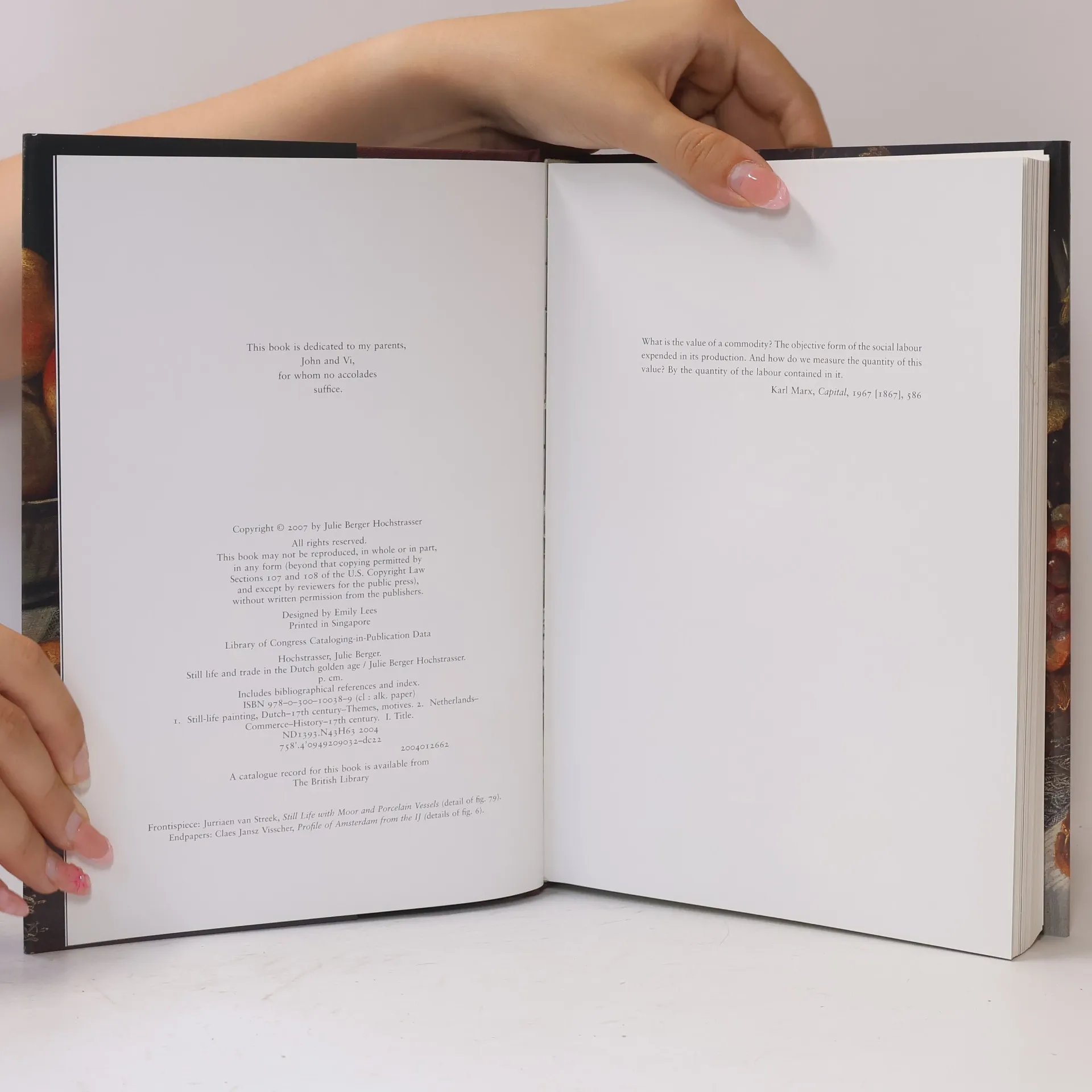
- Yale University Press
- Publié
- 2004
- Format
- rigide
- Pages
- 411
- ISBN10
- 0300100388
- ISBN13
- 9780300100389
- Séries
- Mots clés
- Thème historique, Art, Histoire de l'art, XVIIIe siècle, Pays-Bas, 17e siècle, Histoire sociale, Néerlandais
- Description
- The magnificent still life paintings of the Dutch Golden Age depict tables richly laid with an array of products that attest to the vast scope of the Dutch trade network. These striking pictures reveal much more about Dutch society and capitalist culture of the seventeenth century than has been previously understood, says the author of this engaging book. Julie Berger Hochstrasser explores for the first time the significance of various foods and commodities rendered on canvas during the Dutch Republic’s phenomenal rise to prosperity.From domestic cheese to the wines of Europe to exotic commodities like pepper, porcelain, and even slaves imported by the Dutch East and West India Companies, the fruits of global commerce glowed in paintings of the time. Yet an uncomfortable tension exists between these elegant representations of products of trade and the darker aspects of their commodity histories. With penetrating insights, Hochstrasser offers a new and provocative view of Dutch still life paintings.