

Paramètres
- 420pages
- 15 heures de lecture
En savoir plus sur le livre
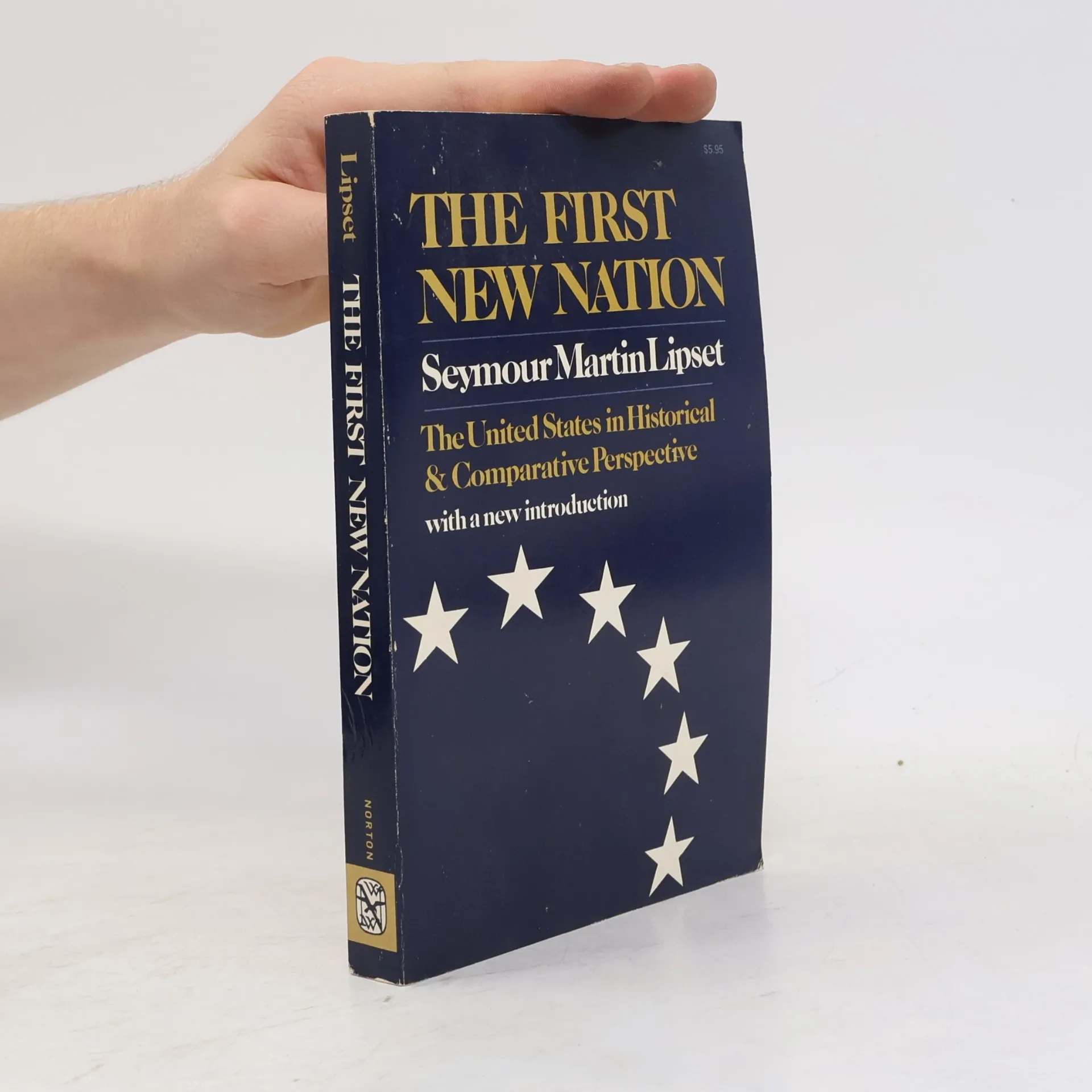
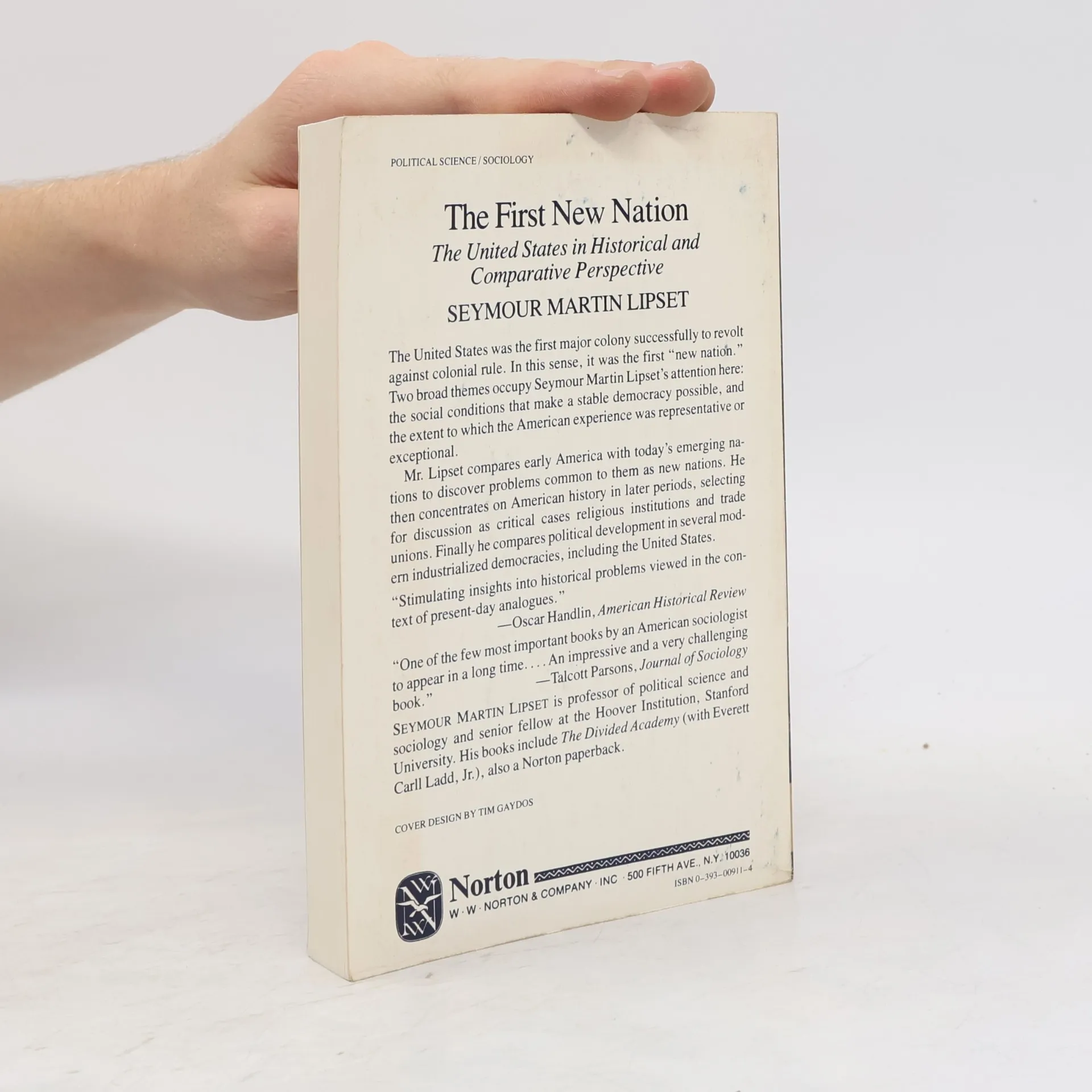
The United States was the first major colony successfully to revolt against colonial rule. In this sense, it was the first “new nation.” Two broad themes occupy Seymour Martin Lipset’s attention here: the social conditions that make a stable democracy possible, and the extent to which the American experience was representative or exceptional. Mr. Lipset compares early America with today’s emerging nations to discover problems common to them as new nations. He then concentrates on American history in later periods, selecting for discussion as critical cases religious institutions and trade unions. Finally he compares political development in several modern industrialized democracies, including the United States.
Achat du livre
The First New Nation, Seymour Martin Lipset
- Langue

- Année de publication
- 1979
- Reliure
- (souple),
- État du livre
- Bon
- Prix
- 7,99 €
Modes de paiement
Personne n'a encore évalué .
- Titre
- The First New Nation
- Sous-titre
- The United States in Historical & Comparative Perspective with a New Introduction
- Langue
- Anglais
- Auteurs
- Seymour Martin Lipset
- Éditeur
- W. W. Norton & Company, Inc.
- Publié
- 1979
- Format
- souple
- Pages
- 420
- ISBN10
- 0393009114
- ISBN13
- 9780393009118
- Séries
- Catégories
- Mots clés
- Thème historique, Politique, États-Unis, Théories politiques, Civilisation
- Description
- The United States was the first major colony successfully to revolt against colonial rule. In this sense, it was the first “new nation.” Two broad themes occupy Seymour Martin Lipset’s attention here: the social conditions that make a stable democracy possible, and the extent to which the American experience was representative or exceptional. Mr. Lipset compares early America with today’s emerging nations to discover problems common to them as new nations. He then concentrates on American history in later periods, selecting for discussion as critical cases religious institutions and trade unions. Finally he compares political development in several modern industrialized democracies, including the United States.