

Paramètres
- 192pages
- 7 heures de lecture
En savoir plus sur le livre
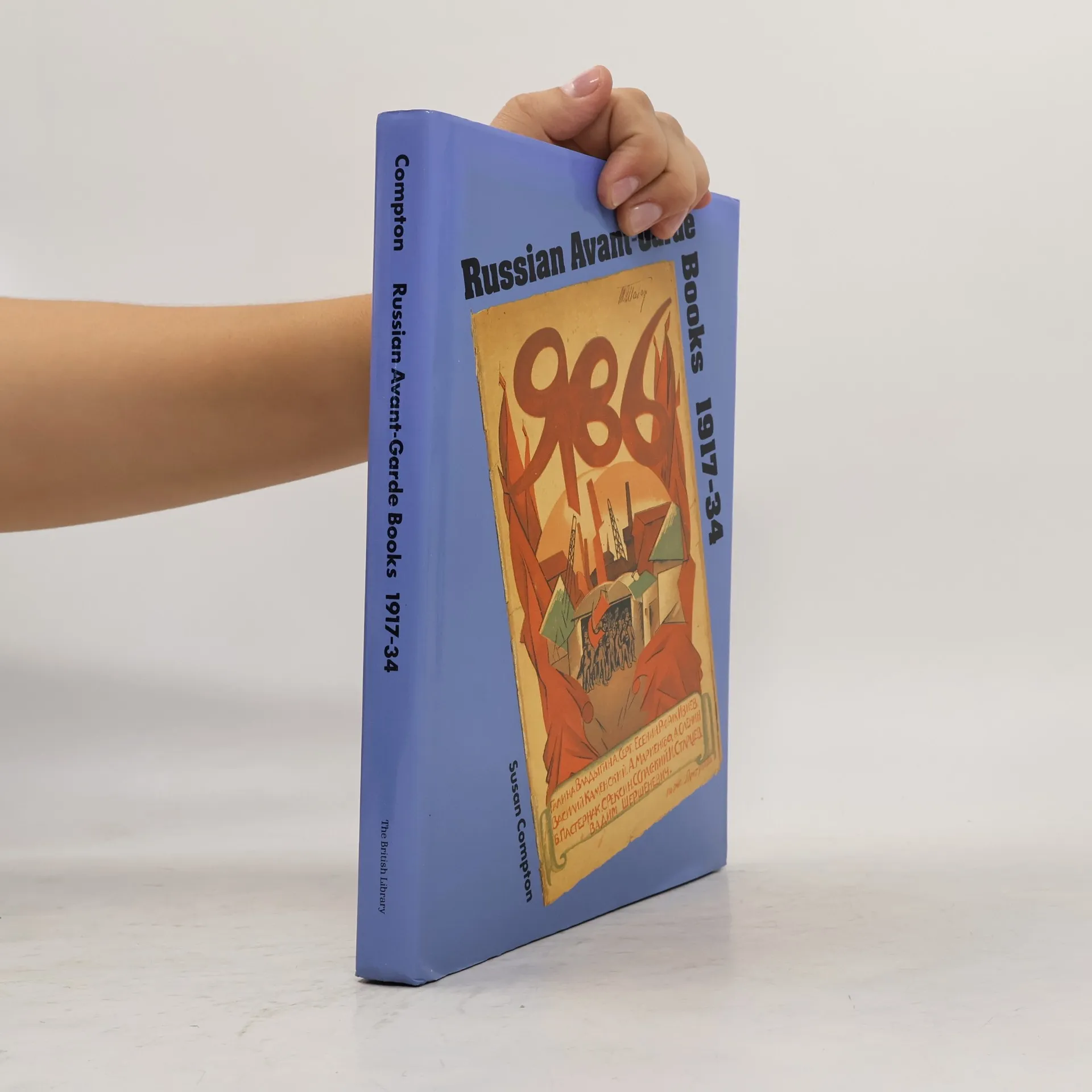
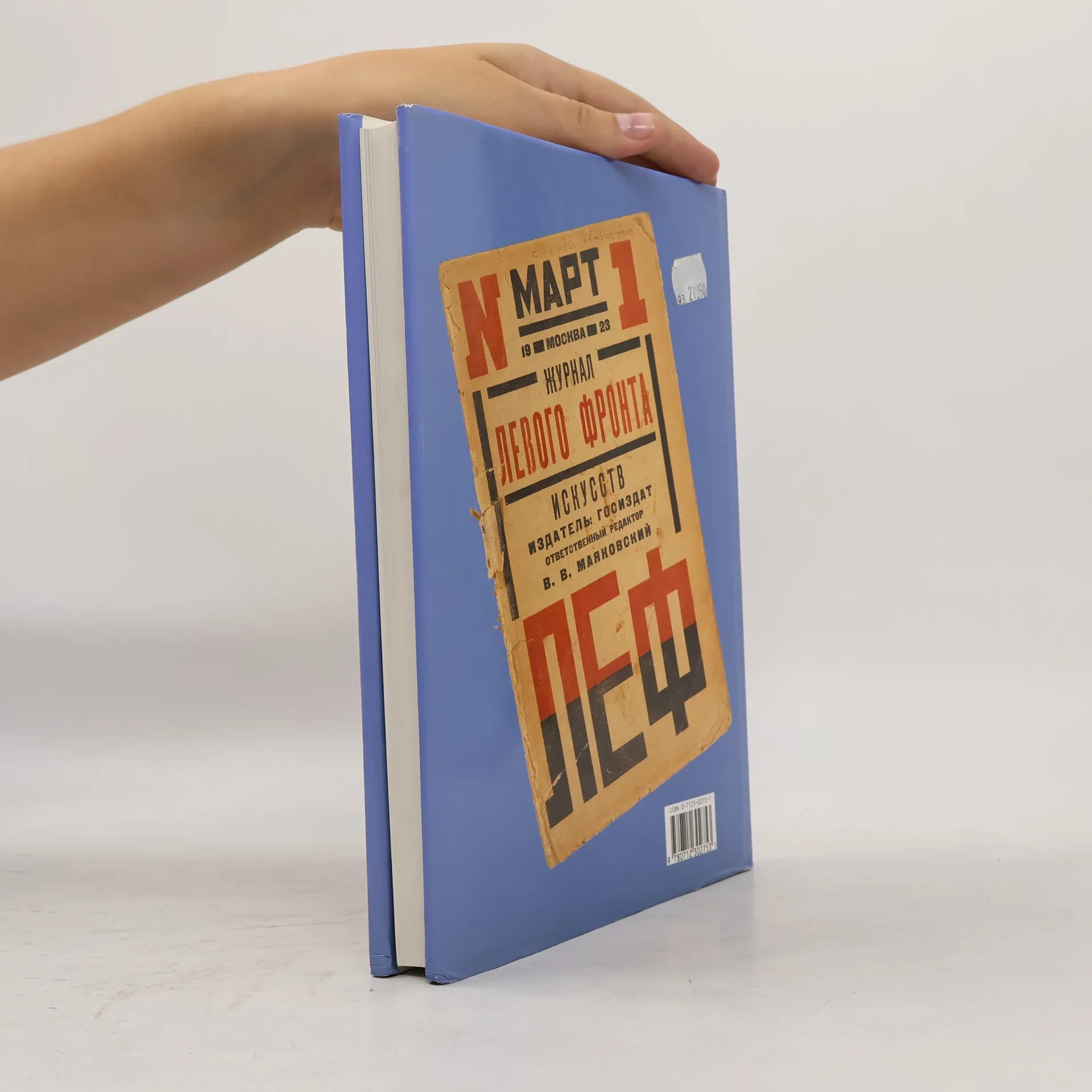
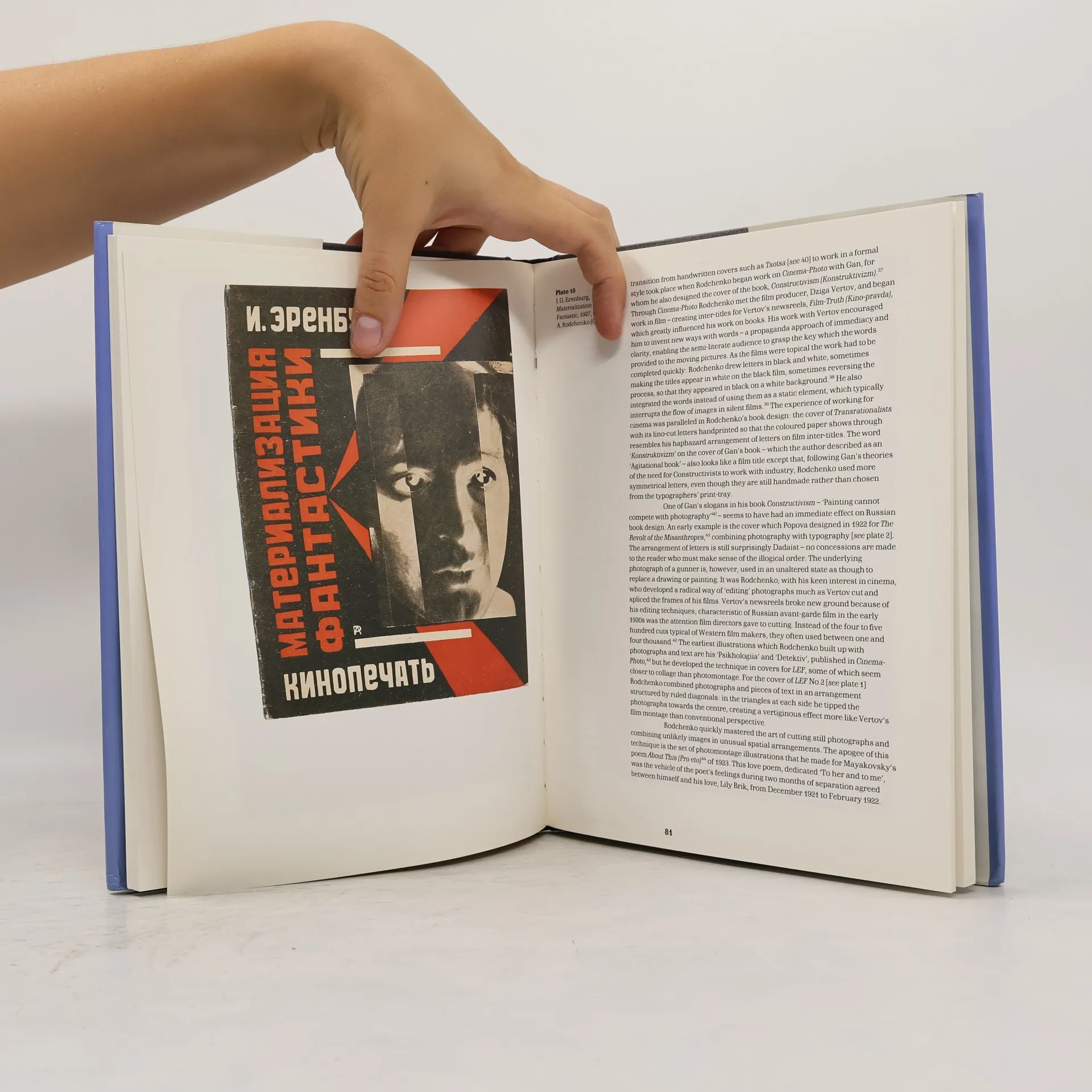
Illustrated throughout with examples from the British Library's extensive collections, and with a narrative chronology, Russian Avant-Garde Books is an important survey of Russian design and literature of the 1920s and 1930s. It emphasizes continuity with the preceding Futurist years and explores the development of graphic design and photomontage in books and journals about theater and architecture as well as in collections of poetry and prose by avant-garde writers, including the Constructivists. From the February Revolution of 1917 to the Soviet Writers' Conference of 1934, the Russian book was at the forefront of avant-garde movements, notably Mayakovsky's LEF - "Left Front of Art. With inventive typography, the use of photomontage, and graphic styles rivaling political posters, "worker artists" set commercial standards in the design of book covers that have rarely been surpassed. Among the best-known authors whose early books are represented here are the poets Pasternak, Kruchenykh, and Kamensky; the linguists Brik and Shklovsky; the filmmakers Eisenstein and Vertov; the theoretician Arvatov; and the artists Zdanevich, Rodchenko, Stepanova, and Lavinsky. Susan Compton is an art historian and curator. She is author of The World Russian Futurist Books 1912-16, which remains the standard reference on Russian avantgarde books of that period.
Achat du livre
Russian Avant-garde Books, 1917-1934, Susan Compton
- Langue

- Année de publication
- 1992
- Reliure
- (rigide)
Modes de paiement
Personne n'a encore évalué .
- Titre
- Russian Avant-garde Books, 1917-1934
- Langue
- Anglais
- Auteurs
- Susan Compton
- Éditeur
- British Library Board
- Publié
- 1992
- Format
- rigide
- Pages
- 192
- ISBN10
- 0712302751
- ISBN13
- 9780712302753
- Séries
- Mots clés
- Thème historique, Art, Russie, Histoire de l'art, Design graphique, Typographie
- Description
- Illustrated throughout with examples from the British Library's extensive collections, and with a narrative chronology, Russian Avant-Garde Books is an important survey of Russian design and literature of the 1920s and 1930s. It emphasizes continuity with the preceding Futurist years and explores the development of graphic design and photomontage in books and journals about theater and architecture as well as in collections of poetry and prose by avant-garde writers, including the Constructivists. From the February Revolution of 1917 to the Soviet Writers' Conference of 1934, the Russian book was at the forefront of avant-garde movements, notably Mayakovsky's LEF - "Left Front of Art. With inventive typography, the use of photomontage, and graphic styles rivaling political posters, "worker artists" set commercial standards in the design of book covers that have rarely been surpassed. Among the best-known authors whose early books are represented here are the poets Pasternak, Kruchenykh, and Kamensky; the linguists Brik and Shklovsky; the filmmakers Eisenstein and Vertov; the theoretician Arvatov; and the artists Zdanevich, Rodchenko, Stepanova, and Lavinsky. Susan Compton is an art historian and curator. She is author of The World Russian Futurist Books 1912-16, which remains the standard reference on Russian avantgarde books of that period.