




Paramètres
- 296pages
- 11 heures de lecture
En savoir plus sur le livre
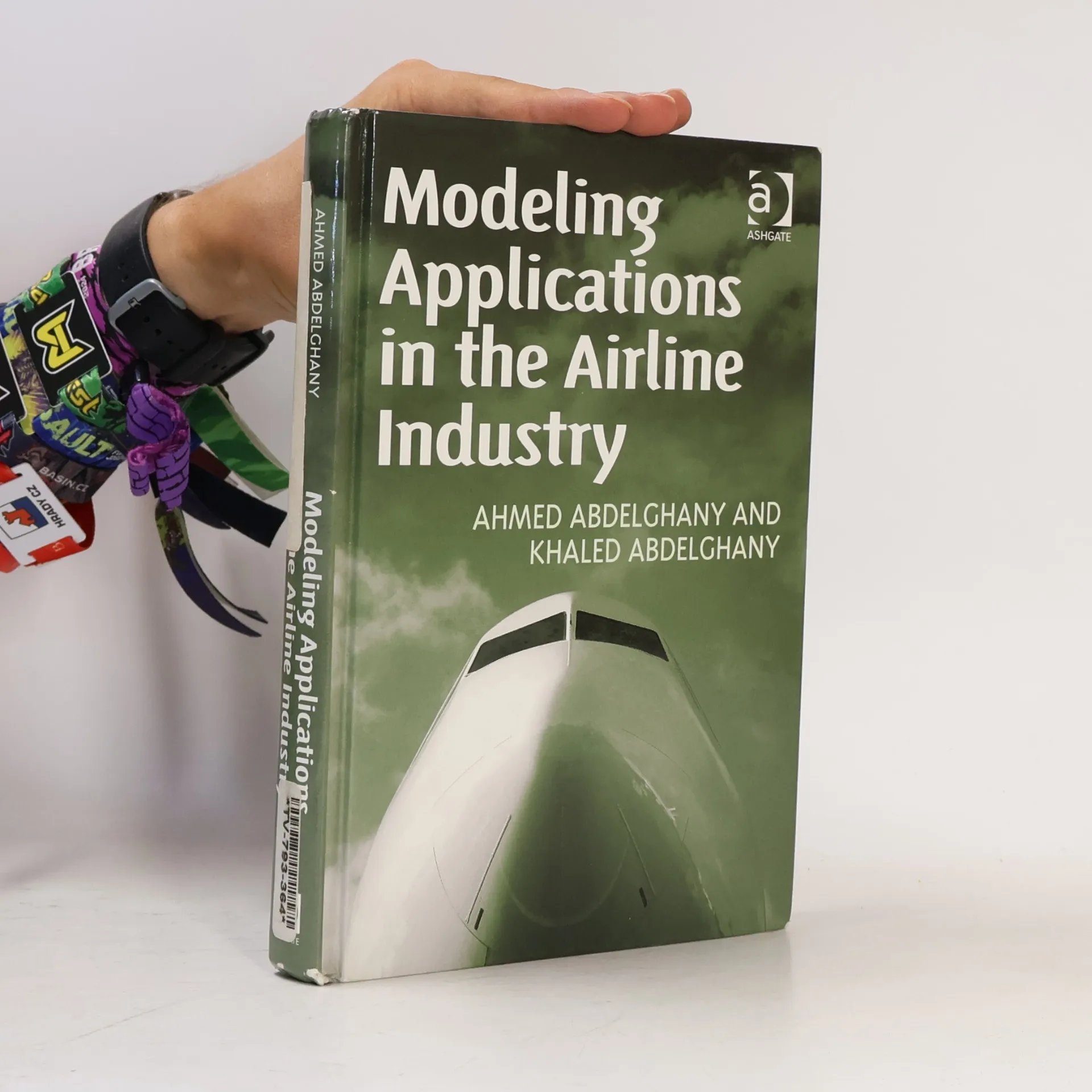
Modeling Applications in the Airline Industry explains the different functions and tactics performed by airlines during their planning and operation phases. Each function receives a full explanation of the challenges it brings and a solution methodology is presented, supported by numerical illustrative examples wherever possible. The book also highlights the main limitations of current practice and provides a brief description of future work related to each function. The authors have filtered the rich literature of airline management to include only the research that has actually been adopted by the airlines, giving a genuinely accurate representation of real airline management and its continuing development of solution methodologies. The book consists of 20 chapters divided into 4 sections: - Demand Modeling and Forecasting - Scheduling of Resources - Revenue Management - Irregular Operations Management. The book will be a valuable source or a handbook for individuals seeking a career in airline management. Written by experts with significant working experience within the industry, it offers readers insights to the real practice of operations modelling. In particular the book makes accessible the complexities of the key airline functions and explains the interrelation between them.
Achat du livre
Modeling Applications in the Airline Industry, Ahmed F. Abdelghany, Khaled Abdelghany
- Langue

- Année de publication
- 2009
- Reliure
- (rigide),
- État du livre
- Bon
- Prix
- 87,99 €
Modes de paiement
Personne n'a encore évalué .
- Titre
- Modeling Applications in the Airline Industry
- Langue
- Anglais
- Auteurs
- Ahmed F. Abdelghany, Khaled Abdelghany
- Éditeur
- Routledge
- Publié
- 2009
- Format
- rigide
- Pages
- 296
- ISBN10
- 0754678741
- ISBN13
- 9780754678748
- Séries
- Catégories
- Mots clés
- Commerce, Technologie, Aviation
- Description
- Modeling Applications in the Airline Industry explains the different functions and tactics performed by airlines during their planning and operation phases. Each function receives a full explanation of the challenges it brings and a solution methodology is presented, supported by numerical illustrative examples wherever possible. The book also highlights the main limitations of current practice and provides a brief description of future work related to each function. The authors have filtered the rich literature of airline management to include only the research that has actually been adopted by the airlines, giving a genuinely accurate representation of real airline management and its continuing development of solution methodologies. The book consists of 20 chapters divided into 4 sections: - Demand Modeling and Forecasting - Scheduling of Resources - Revenue Management - Irregular Operations Management. The book will be a valuable source or a handbook for individuals seeking a career in airline management. Written by experts with significant working experience within the industry, it offers readers insights to the real practice of operations modelling. In particular the book makes accessible the complexities of the key airline functions and explains the interrelation between them.