

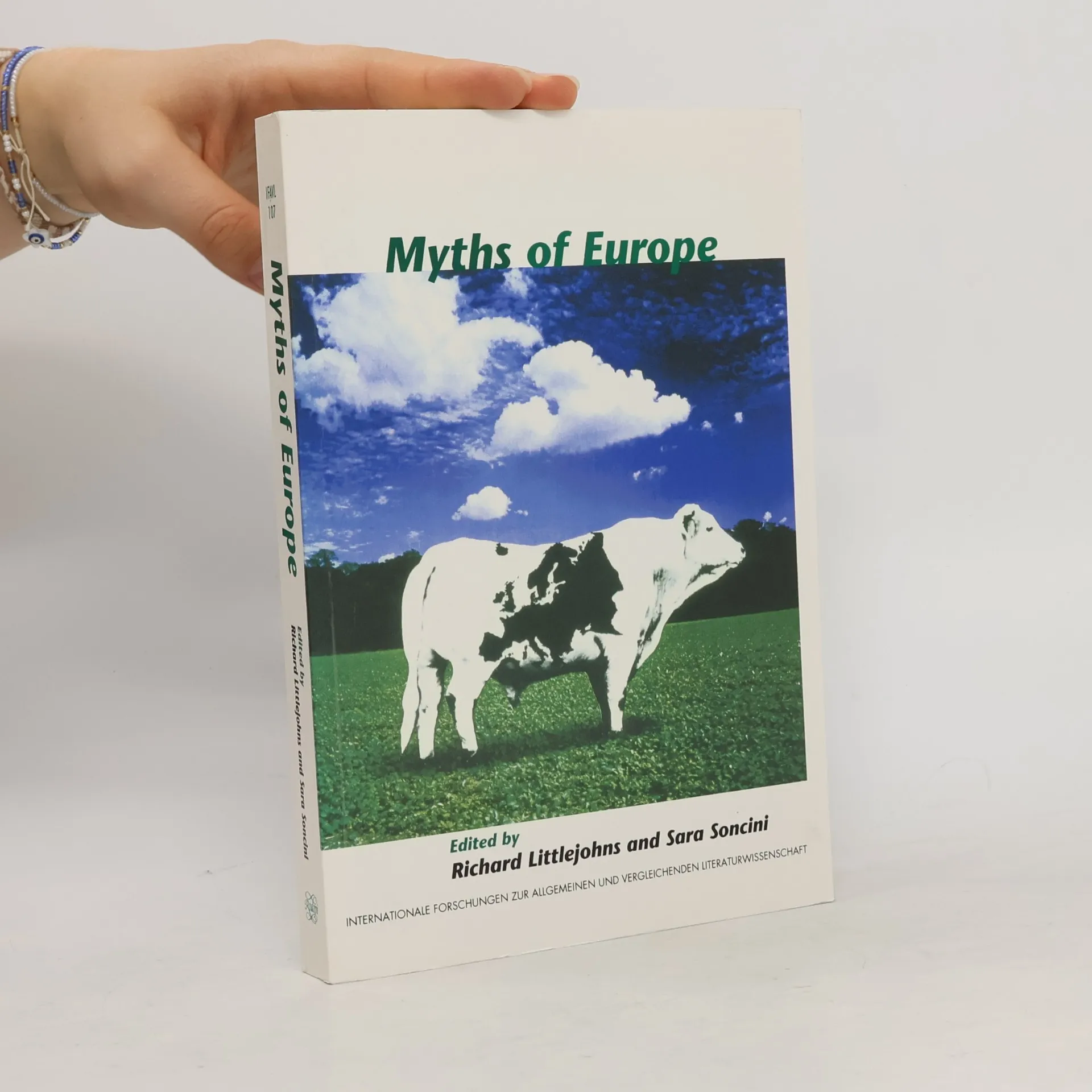


Myths of Europe
En savoir plus sur le livre
'Myths of Europe' delves into the identity of Europe, reassessing its cultural, literary, and political traditions in the 21st century. Over 20 contributors—historians, political scientists, literary scholars, and cultural historians from five countries—engage in a critical debate. They explore the relevance of the myths that have shaped Europe for centuries in the context of global politics post-9/11. The discussion raises questions about whether 'Old Europe' can sustain its traditional identity amidst the expansion of the European Union to include previously peripheral nations. It also examines Europe's historical and current interactions with non-European Others, particularly in light of rising immigration and asylum-seeking. Foundational myths, such as Hamlet and St. Nicholas, are acknowledged for their role in shaping European consciousness, yet they also reveal unsettling Eurocentric implications. The volume interrogates the viability of these myths today, considering their purpose and extent. Positioned at the intersection of culture and politics, this work is essential for those interested in the evolution of myth and the trajectory of Europe, addressing both its past and future.
Achat du livre
Myths of Europe, Sara Soncini, Richard Littlejohns
- Langue

- Année de publication
- 2006
- Reliure
- (souple),
- État du livre
- Très bon
- Prix
- 7,29 €
Modes de paiement
Personne n'a encore évalué .
- Titre
- Myths of Europe
- Langue
- Anglais
- Auteurs
- Sara Soncini, Richard Littlejohns
- Éditeur
- Rodopi
- Publié
- 2006
- Format
- souple
- Pages
- 295
- ISBN10
- 9042021470
- ISBN13
- 9789042021471
- Séries
- Mots clés
- Critique littéraire
- Description
- 'Myths of Europe' delves into the identity of Europe, reassessing its cultural, literary, and political traditions in the 21st century. Over 20 contributors—historians, political scientists, literary scholars, and cultural historians from five countries—engage in a critical debate. They explore the relevance of the myths that have shaped Europe for centuries in the context of global politics post-9/11. The discussion raises questions about whether 'Old Europe' can sustain its traditional identity amidst the expansion of the European Union to include previously peripheral nations. It also examines Europe's historical and current interactions with non-European Others, particularly in light of rising immigration and asylum-seeking. Foundational myths, such as Hamlet and St. Nicholas, are acknowledged for their role in shaping European consciousness, yet they also reveal unsettling Eurocentric implications. The volume interrogates the viability of these myths today, considering their purpose and extent. Positioned at the intersection of culture and politics, this work is essential for those interested in the evolution of myth and the trajectory of Europe, addressing both its past and future.