

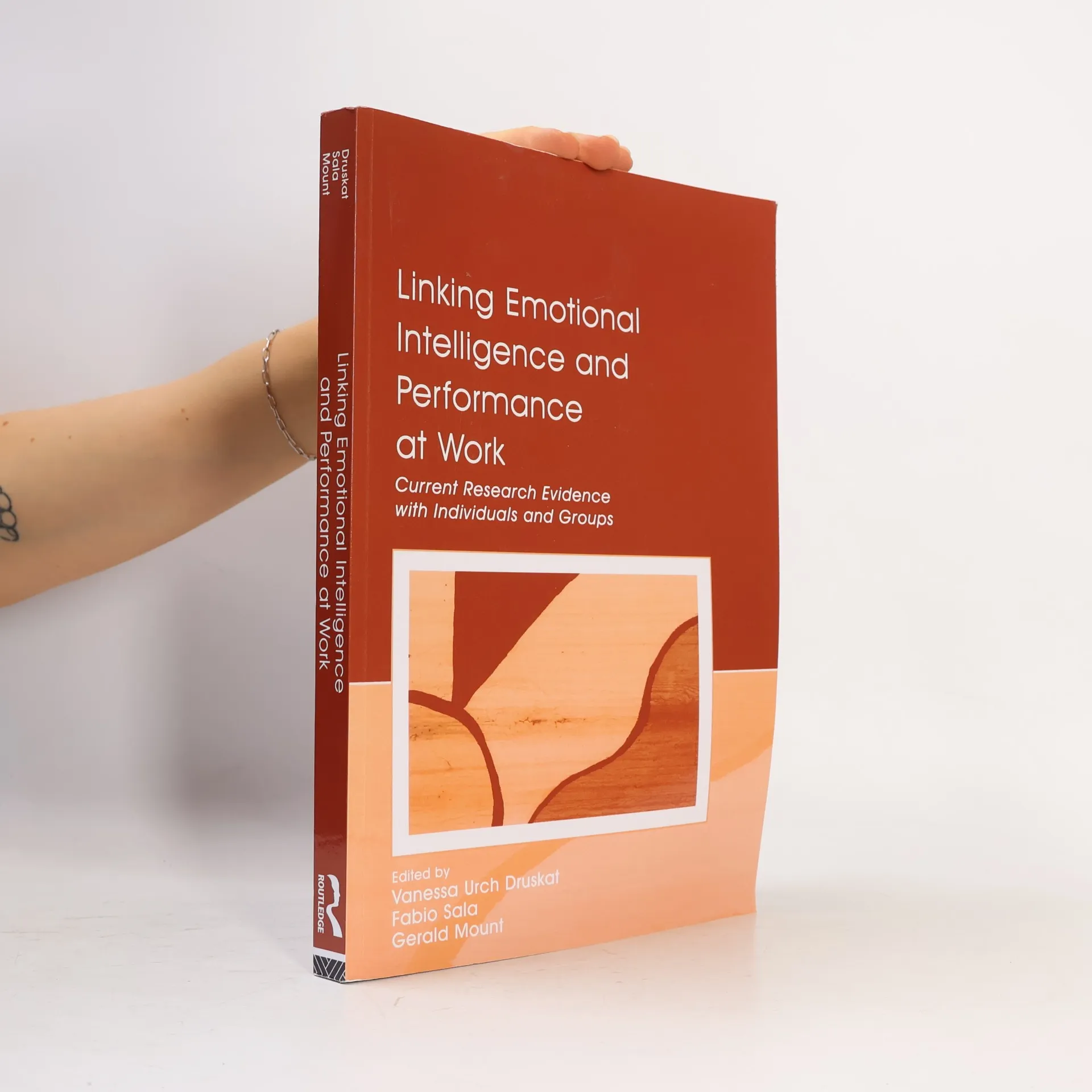


Linking Emotional Intelligence and Performance at Work
Current Research Evidence With Individuals and Groups
En savoir plus sur le livre
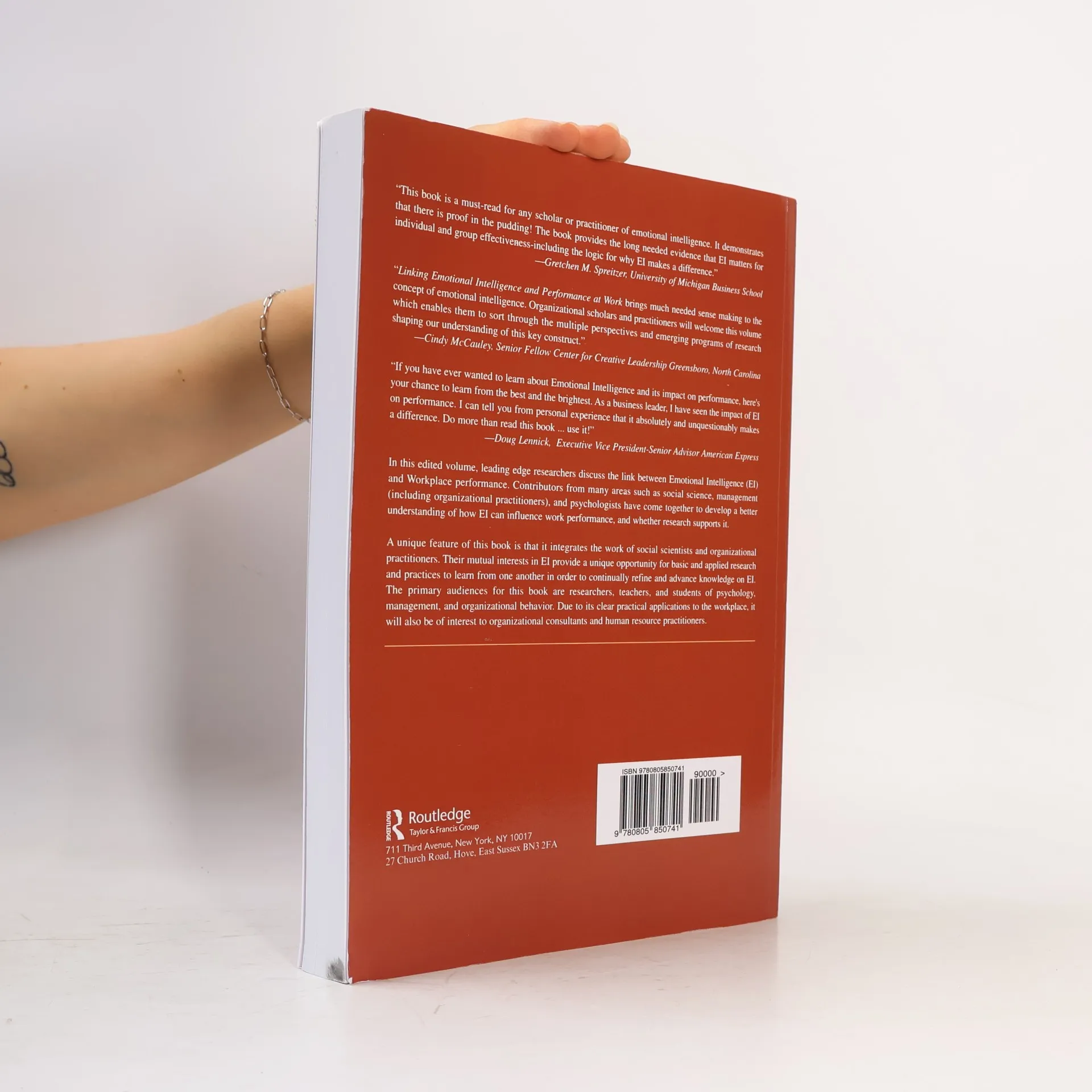
In this edited volume, leading edge researchers discuss the link between Emotional Intelligence (EI) and workplace performance. Contributors from many areas such as social science, management (including organizational practitioners), and psychologists have come together to develop a better understanding of how EI can influence work performance, and whether research supports it. A unique feature of this book is that it integrates the work of social scientists and organizational practitioners. Their mutual interests in EI provide a unique opportunity for basic and applied research and practices to learn from one another in order to continually refine and advance knowledge on EI. The primary audience for this book is researchers, teachers, and students of psychology, management, and organizational behavior. Due to its clear practical applications to the workplace, it will also be of interest to organizational consultants and human resource practitioners.
Achat du livre
Linking Emotional Intelligence and Performance at Work, Vanessa Urch Druskat, Fabio Sala, Gerald Mount
- Langue

- Année de publication
- 2013
- Reliure
- (souple),
- État du livre
- Bon
- Prix
- 2,79 €
Modes de paiement
Personne n'a encore évalué .
- Titre
- Linking Emotional Intelligence and Performance at Work
- Sous-titre
- Current Research Evidence With Individuals and Groups
- Langue
- Anglais
- Auteurs
- Vanessa Urch Druskat, Fabio Sala, Gerald Mount
- Éditeur
- Routledge
- Publié
- 2013
- Format
- souple
- Pages
- 340
- ISBN10
- 0805850740
- ISBN13
- 9780805850741
- Séries
- Mots clés
- Commerce, Thèmes psychologiques, Écrits rassemblés, Stress, Tolérance, QE, intelligence émotionnelle
- Description
- In this edited volume, leading edge researchers discuss the link between Emotional Intelligence (EI) and workplace performance. Contributors from many areas such as social science, management (including organizational practitioners), and psychologists have come together to develop a better understanding of how EI can influence work performance, and whether research supports it. A unique feature of this book is that it integrates the work of social scientists and organizational practitioners. Their mutual interests in EI provide a unique opportunity for basic and applied research and practices to learn from one another in order to continually refine and advance knowledge on EI. The primary audience for this book is researchers, teachers, and students of psychology, management, and organizational behavior. Due to its clear practical applications to the workplace, it will also be of interest to organizational consultants and human resource practitioners.