


En savoir plus sur le livre
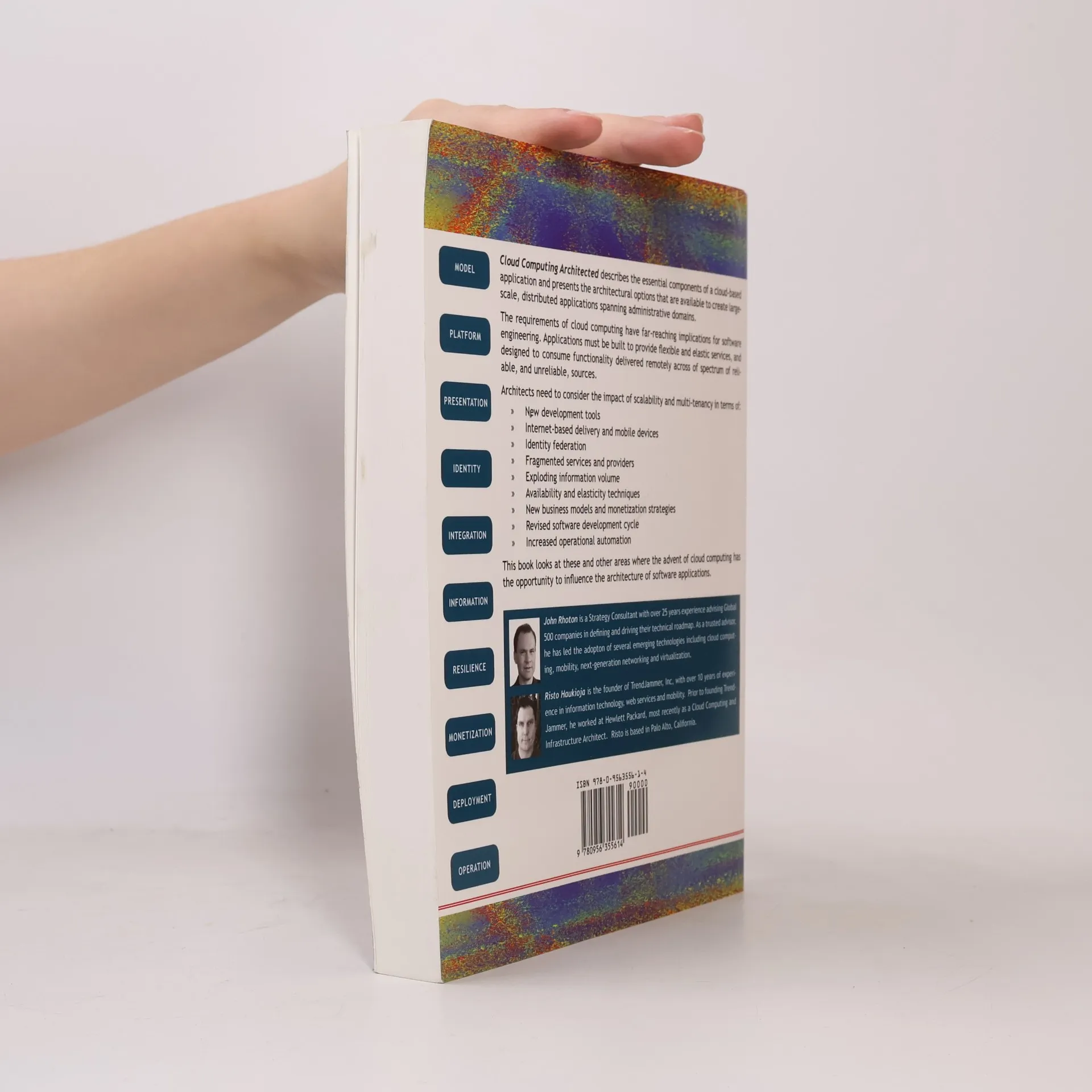
Cloud Computing Architected describes the essential components of a cloud-based application and presents the architectural options that are available to create large-scale, distributed applications spanning administrative domains. The requirements of cloud computing have far-reaching implications for software engineering. Applications must be built to provide flexible and elastic services, and designed to consume functionality delivered remotely across of spectrum of reliable, and unreliable, sources. Architects need to consider the impact of scalability and multi-tenancy in terms of: -New development tools -Internet-based delivery and mobile devices -Identity federation -Fragmented services and providers -Exploding information volume -Availability and elasticity techniques -New business models and monetization strategies -Revised software development cycle -Increased operational automation This book looks at these and other areas where the advent of cloud computing has the opportunity to influence the architecture of software applications.
Achat du livre
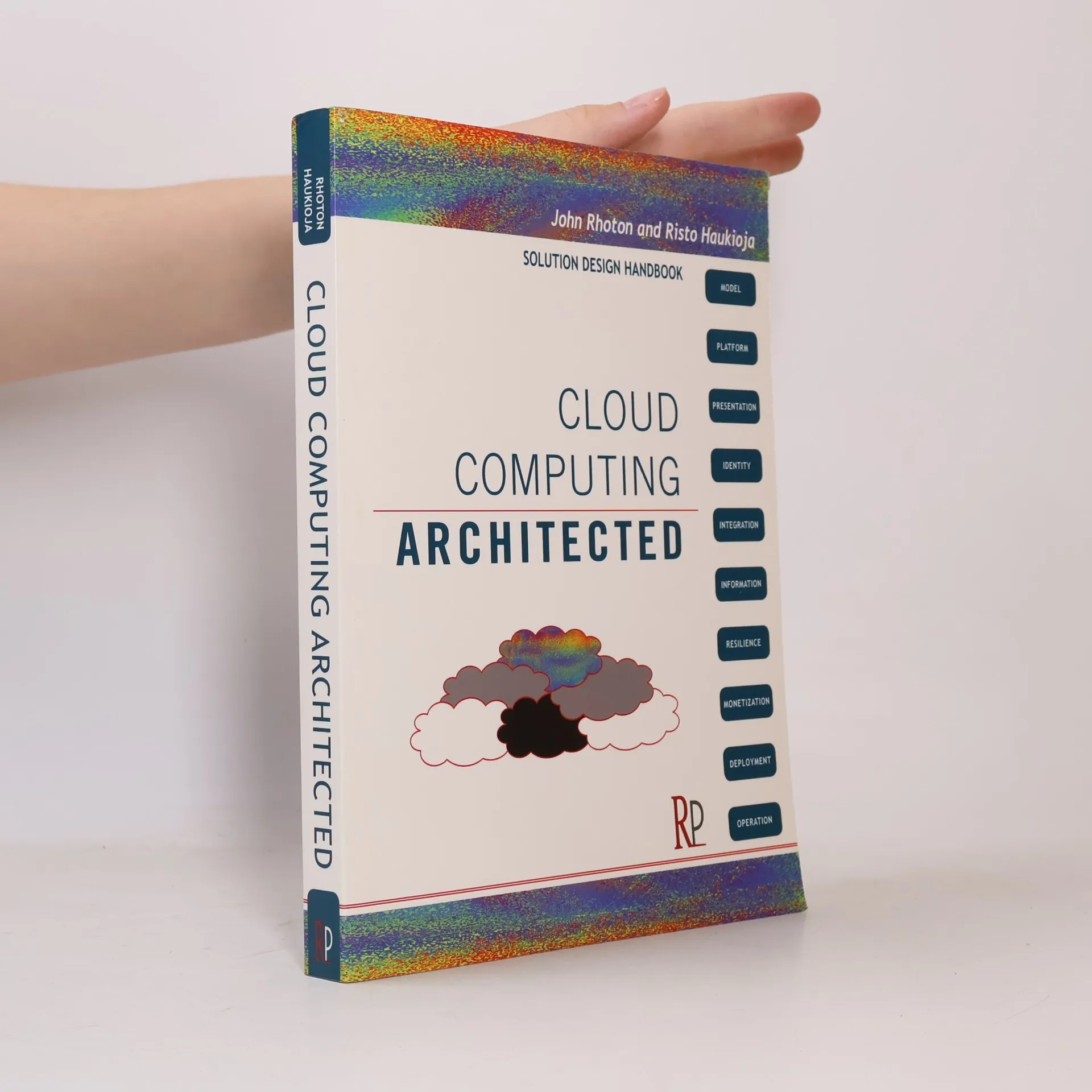
Cloud Computing Architected, John Rhoton, Risto Haukioja
- Langue

- Année de publication
- 2011
- Reliure
- (souple),
- État du livre
- Bon
- Prix
- 4,79 €
Modes de paiement
Personne n'a encore évalué .
- Titre
- Cloud Computing Architected
- Sous-titre
- Solution Design Handbook
- Langue
- Anglais
- Auteurs
- John Rhoton, Risto Haukioja
- Éditeur
- Recursive, Limited
- Publié
- 2011
- Format
- souple
- Pages
- 443
- ISBN10
- 0956355617
- ISBN13
- 9780956355614
- Séries
- Mots clés
- Technologie
- Description
- Cloud Computing Architected describes the essential components of a cloud-based application and presents the architectural options that are available to create large-scale, distributed applications spanning administrative domains. The requirements of cloud computing have far-reaching implications for software engineering. Applications must be built to provide flexible and elastic services, and designed to consume functionality delivered remotely across of spectrum of reliable, and unreliable, sources. Architects need to consider the impact of scalability and multi-tenancy in terms of: -New development tools -Internet-based delivery and mobile devices -Identity federation -Fragmented services and providers -Exploding information volume -Availability and elasticity techniques -New business models and monetization strategies -Revised software development cycle -Increased operational automation This book looks at these and other areas where the advent of cloud computing has the opportunity to influence the architecture of software applications.