

En savoir plus sur le livre
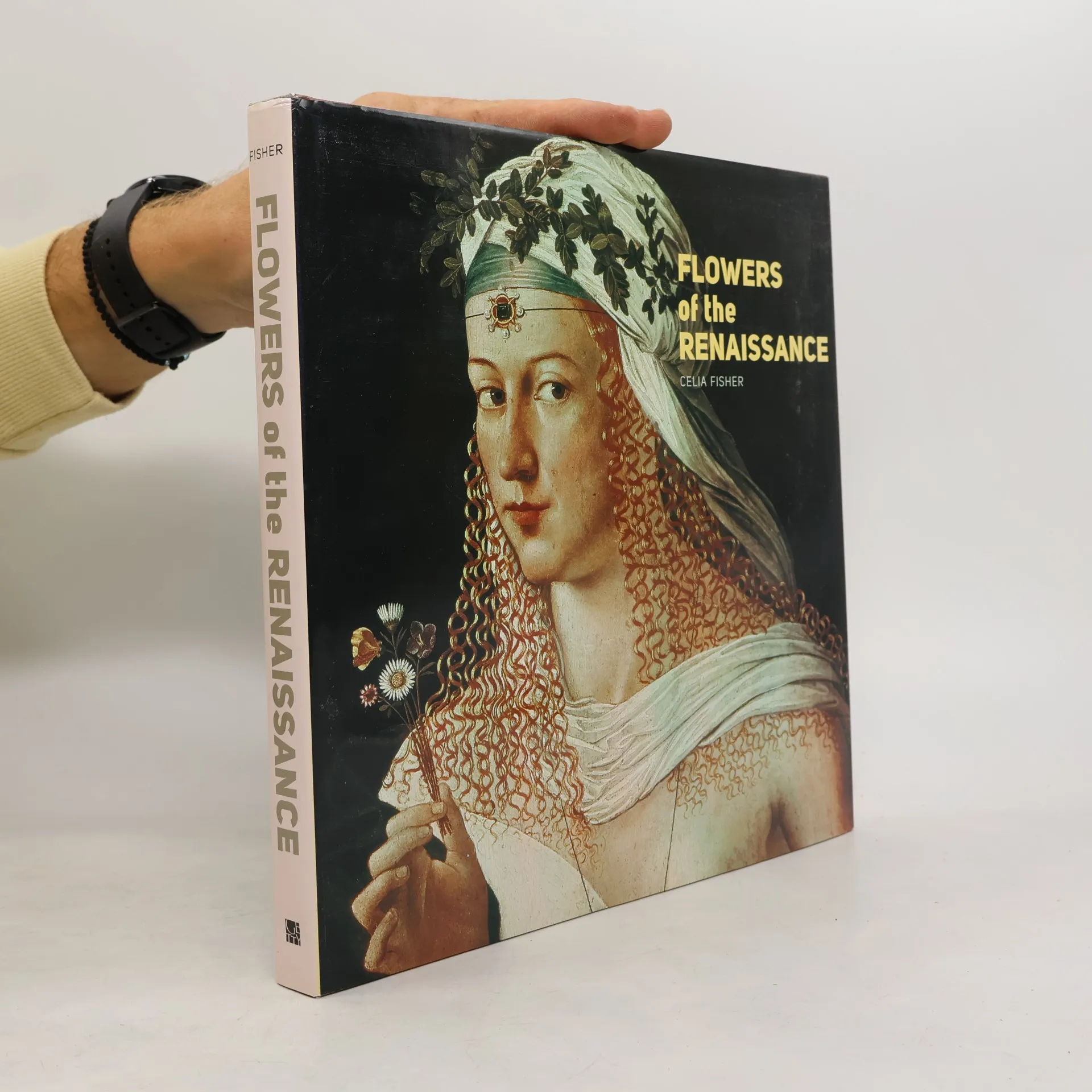
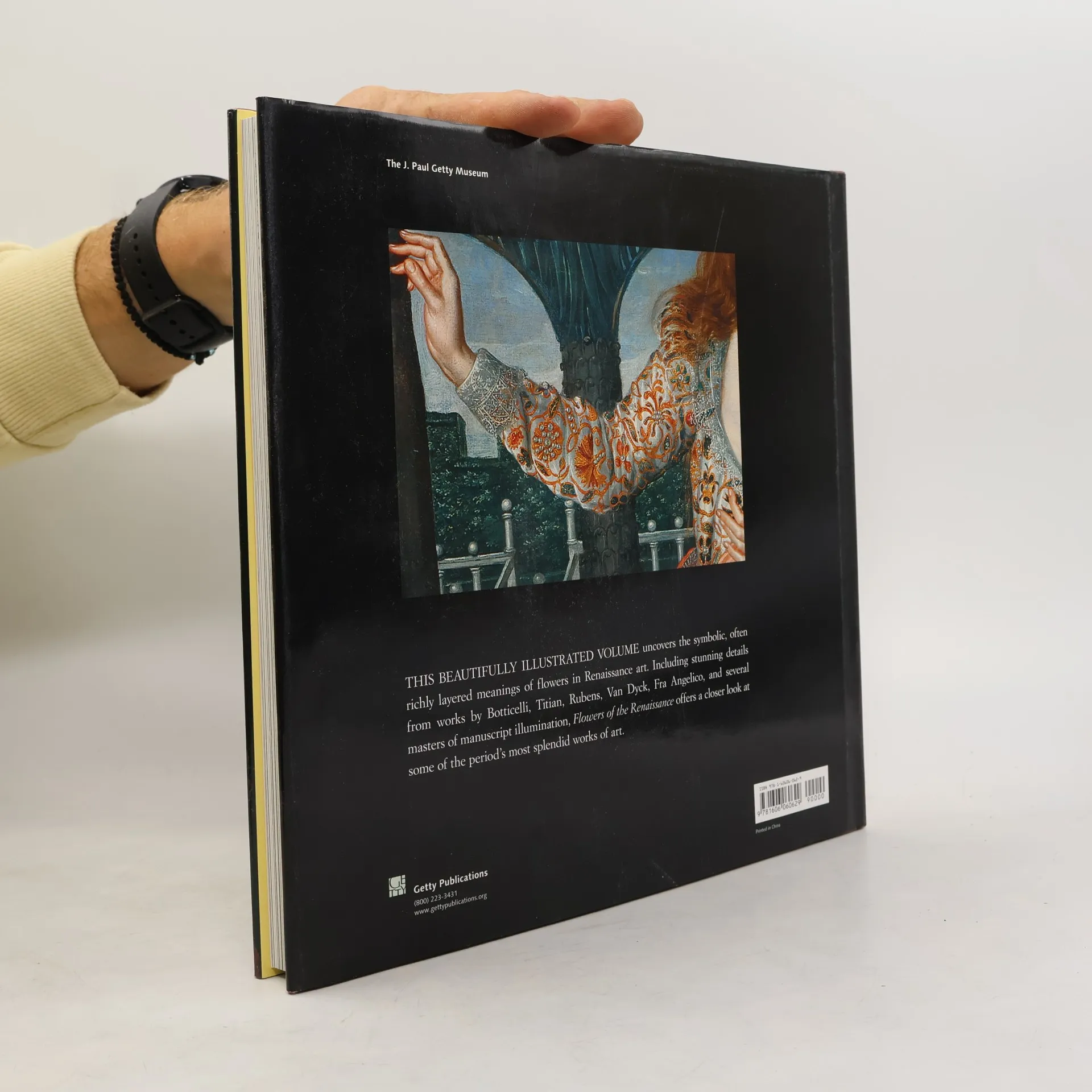
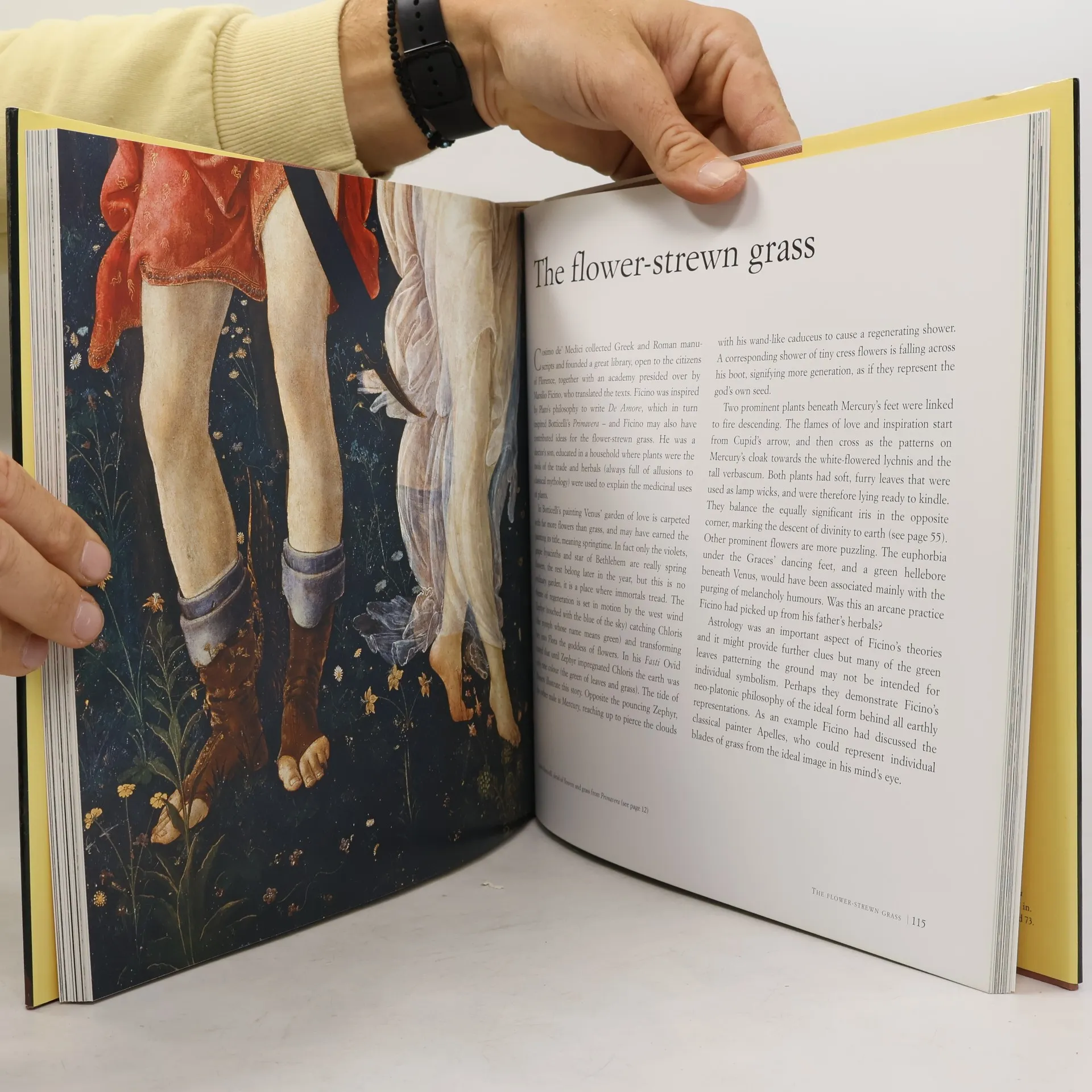
From the sunflower in Van Dyck’s self-portrait to roses scattered around Botticelli’s Venus to columbines in the borders of fifteenth-century manuscripts, flowers grace many Renaissance artworks. But their symbolism may not be understood by the modern viewer. This is the first book to untangle the richly layered botanical messages in many of the world’s great masterpieces. Renaissance artists made conscious choices about the flowers they included in their work and by embracing new methods of observation, rendered petals and leaves with an accuracy that made each species easily identifiable. Focusing on twenty popular Renaissance flowers, including roses, lilies, irises, tulips, daises, and poppies, the author discusses the history of cultivation of each variety before examining its symbolic meanings. Flowers and plants were not usually the subject of a painting, but rather elements of a larger religious story. Influenced by the revival of classical ideals, Renaissance artists frequently married religious symbolism with that from contemporary romances or classical mythology. For example, the hortus conclusus or closed garden, traditionally a reference to the Virgin Mary, also became a symbol for the popular Romance of the Rose , and Venus, in her purest aspect as the goddess of love, was aligned with the Virgin Mary and, like her, often surrounded by roses or daisies. This delightful and beautifully illustrated book uncovers hidden treasures in the grass at a saint’s feet, on the sleeve of an Elizabethan lady, and inside the lid of a Florentine wedding chest, allowing the reader to appreciate another aspect of many of the Renaissance’s most splendid works of art.
Achat du livre
Flowers of the Renaissance, Celia Fisher
- Langue

- Année de publication
- 2011
- Reliure
- (rigide),
- État du livre
- Très bon
- Prix
- 31,49 €
Modes de paiement
Personne n'a encore évalué .
- Titre
- Flowers of the Renaissance
- Langue
- Anglais
- Auteurs
- Celia Fisher
- Éditeur
- J. Paul Getty Museum
- Publié
- 2011
- Format
- rigide
- Pages
- 160
- ISBN10
- 1606060627
- ISBN13
- 9781606060629
- Séries
- Catégories
- Mots clés
- Thème historique, Art, États-Unis, Histoire de l'art, Europe de l'Ouest, Fleurs, 16e siècle, Renaissance (époque), 15ème siècle
- Description
- From the sunflower in Van Dyck’s self-portrait to roses scattered around Botticelli’s Venus to columbines in the borders of fifteenth-century manuscripts, flowers grace many Renaissance artworks. But their symbolism may not be understood by the modern viewer. This is the first book to untangle the richly layered botanical messages in many of the world’s great masterpieces. Renaissance artists made conscious choices about the flowers they included in their work and by embracing new methods of observation, rendered petals and leaves with an accuracy that made each species easily identifiable. Focusing on twenty popular Renaissance flowers, including roses, lilies, irises, tulips, daises, and poppies, the author discusses the history of cultivation of each variety before examining its symbolic meanings. Flowers and plants were not usually the subject of a painting, but rather elements of a larger religious story. Influenced by the revival of classical ideals, Renaissance artists frequently married religious symbolism with that from contemporary romances or classical mythology. For example, the hortus conclusus or closed garden, traditionally a reference to the Virgin Mary, also became a symbol for the popular Romance of the Rose , and Venus, in her purest aspect as the goddess of love, was aligned with the Virgin Mary and, like her, often surrounded by roses or daisies. This delightful and beautifully illustrated book uncovers hidden treasures in the grass at a saint’s feet, on the sleeve of an Elizabethan lady, and inside the lid of a Florentine wedding chest, allowing the reader to appreciate another aspect of many of the Renaissance’s most splendid works of art.