

Paramètres
- 576pages
- 21 heures de lecture
En savoir plus sur le livre
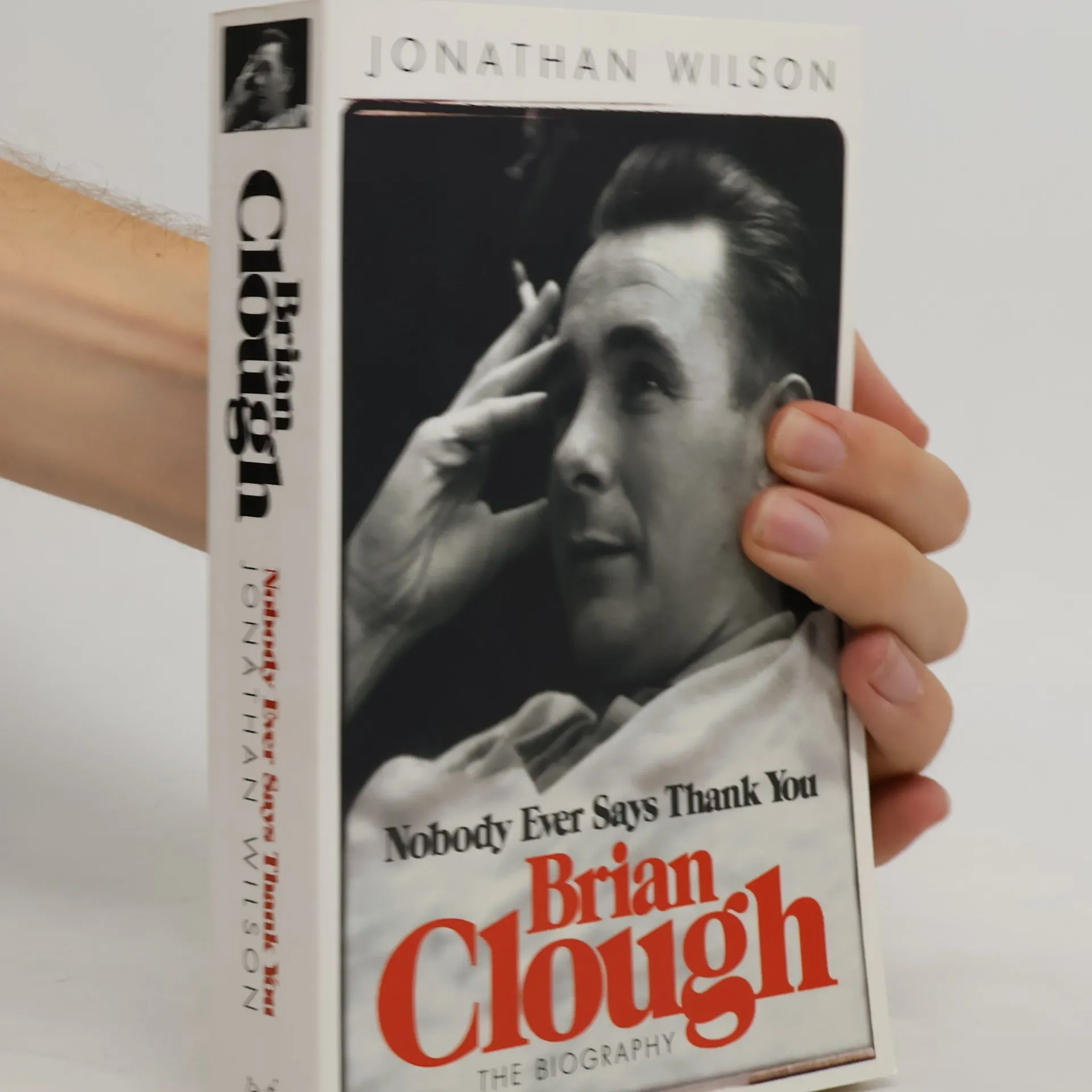
The final word on Brian Clough In this first full, critical biography, Jonathan Wilson draws an intimate and powerful portrait of one of England's greatest football managers, Brian Clough, and his right-hand man, Peter Taylor. It was in the unforgiving world of post-war football where their identities and reputations were made - a world where, as Clough and Taylor's mentor Harry Storer once said, 'Nobody ever says thank you.' Nonetheless, Clough brought the gleam of silverware to the depressed East Midlands of the 1970s. Initial triumph at Derby was followed by a sudden departure and a traumatic 44 days at Leeds. By the end of a frazzled 1974, Clough was set up for life financially, but also hardened to the realities of football. By the time he was at Forest, Clough's mask was almost permanently donned: a persona based on brashness and conflict. Drink fuelled the controversies and the colourful character; it heightened the razor-sharp wit and was a salve for the highs of football that never lasted long enough, and for the lows that inevitably followed. Wilson's account is the definitive portrait of this complex and enduring man.
Achat du livre
Brian Clough: Nobody Ever Says Thank You, Jonathan Wilson
- Langue

- Année de publication
- 2012
- Reliure
- (souple),
- État du livre
- Bon
- Prix
- 8,49 €
Modes de paiement
Personne n'a encore évalué .
- Titre
- Brian Clough: Nobody Ever Says Thank You
- Langue
- Anglais
- Auteurs
- Jonathan Wilson
- Éditeur
- Orion Publishing Co
- Publié
- 2012
- Format
- souple
- Pages
- 576
- ISBN10
- 0753828715
- ISBN13
- 9780753828717
- Séries
- Catégories
- Mots clés
- Manuels et guides, Sport, Souvenirs, Angleterre, Football, Jeux de hasard, Histoire des sports, Clubs de football, Football américain
- Description
- The final word on Brian Clough In this first full, critical biography, Jonathan Wilson draws an intimate and powerful portrait of one of England's greatest football managers, Brian Clough, and his right-hand man, Peter Taylor. It was in the unforgiving world of post-war football where their identities and reputations were made - a world where, as Clough and Taylor's mentor Harry Storer once said, 'Nobody ever says thank you.' Nonetheless, Clough brought the gleam of silverware to the depressed East Midlands of the 1970s. Initial triumph at Derby was followed by a sudden departure and a traumatic 44 days at Leeds. By the end of a frazzled 1974, Clough was set up for life financially, but also hardened to the realities of football. By the time he was at Forest, Clough's mask was almost permanently donned: a persona based on brashness and conflict. Drink fuelled the controversies and the colourful character; it heightened the razor-sharp wit and was a salve for the highs of football that never lasted long enough, and for the lows that inevitably followed. Wilson's account is the definitive portrait of this complex and enduring man.