

En savoir plus sur le livre
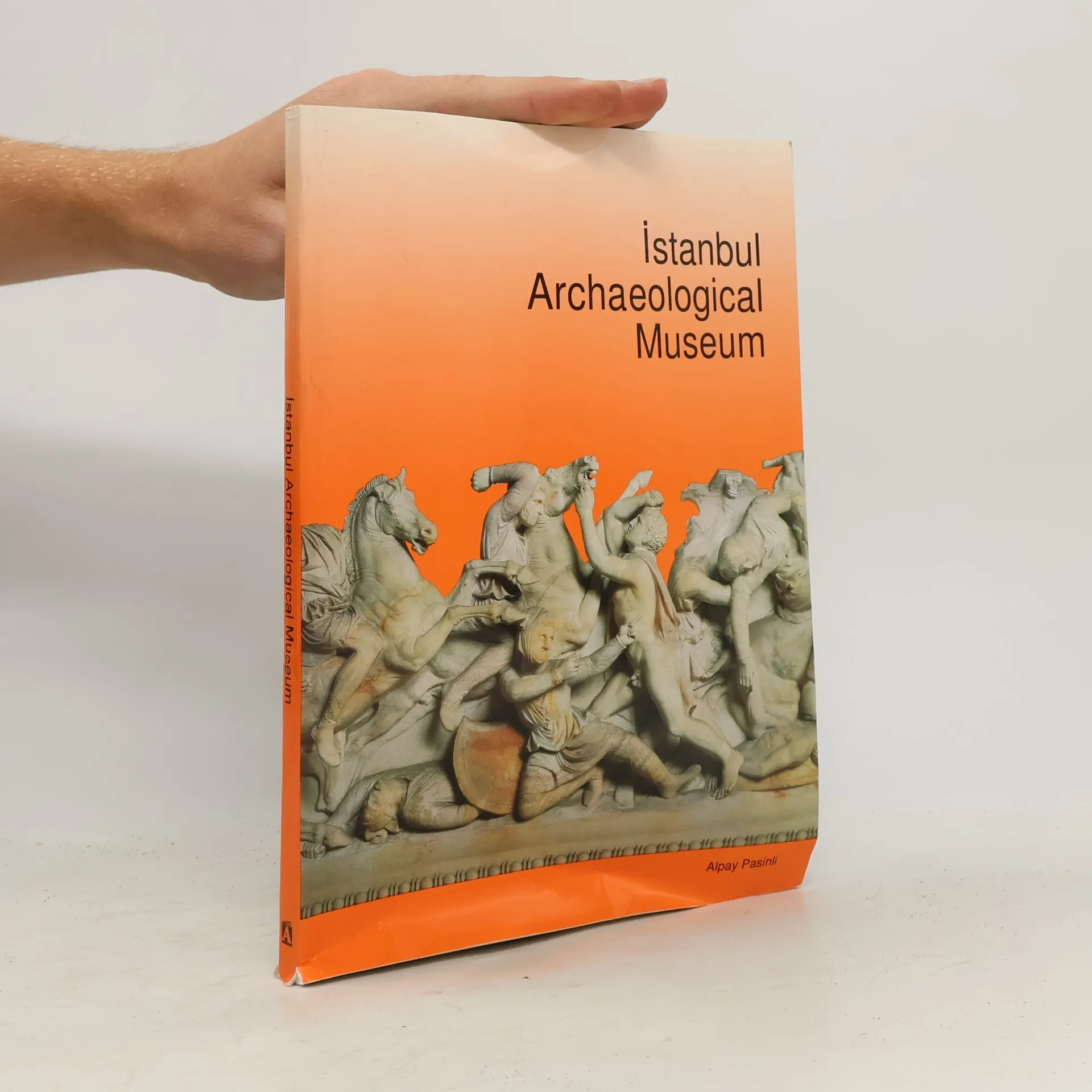
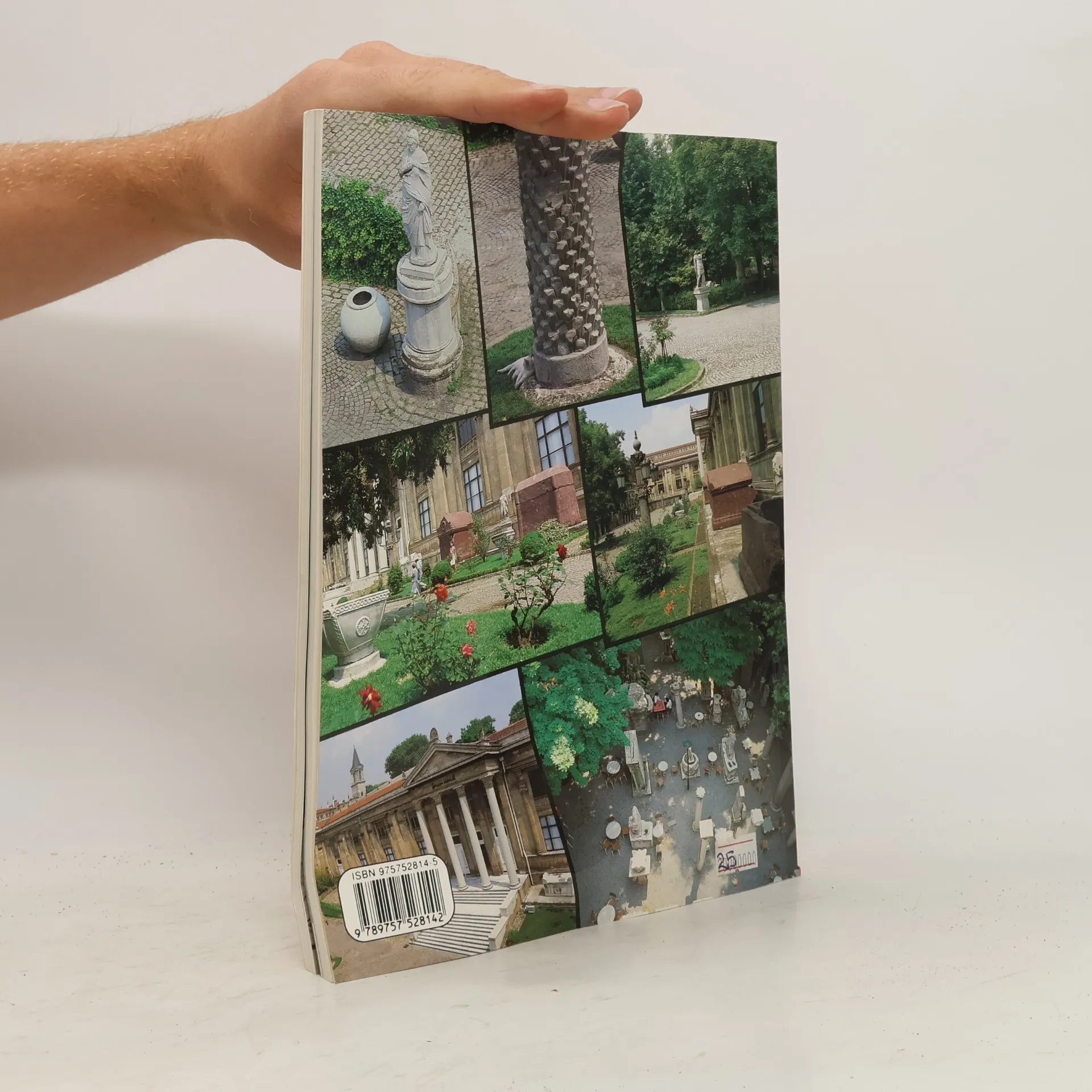
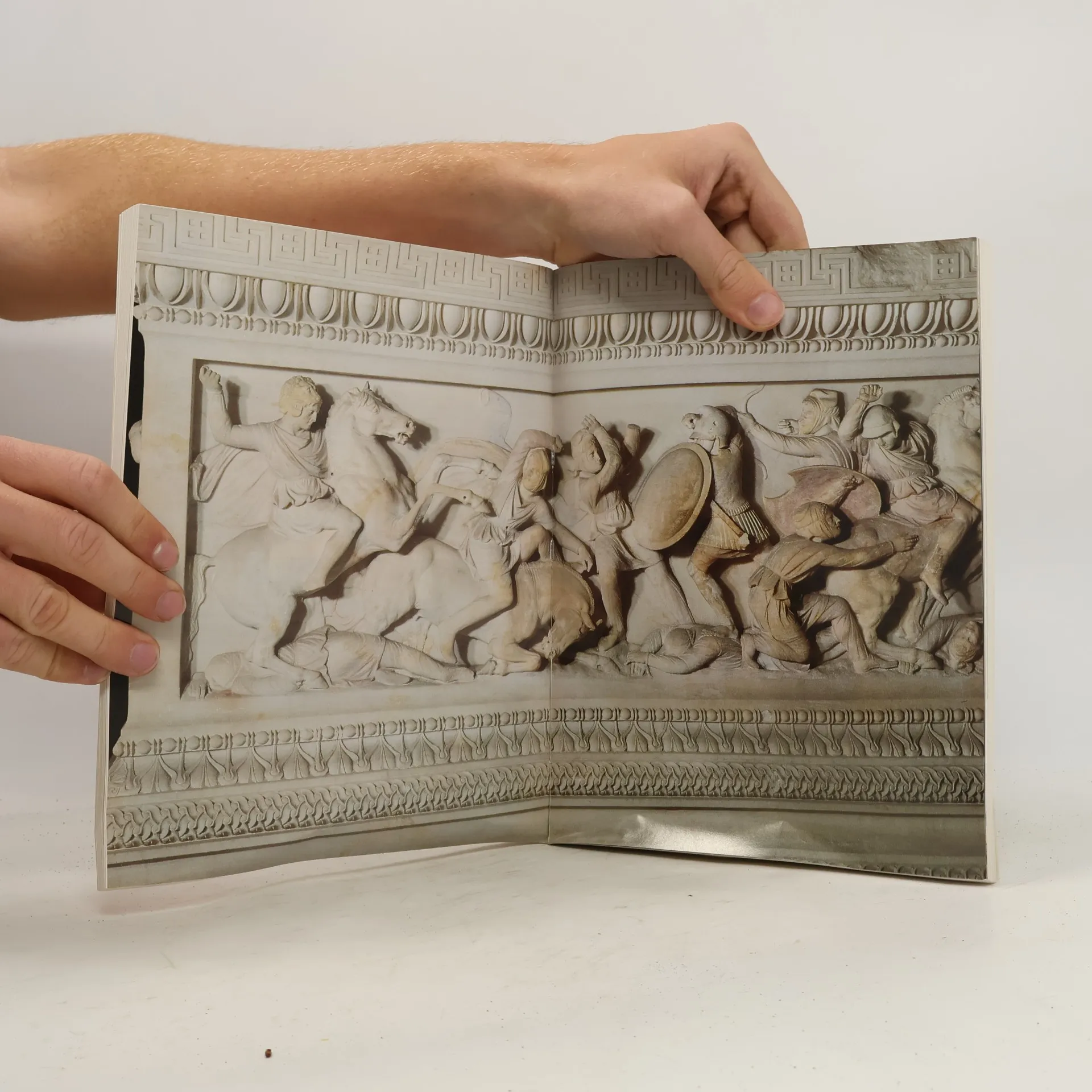
This catalogue introduces the most important objects in a chronological manner from this large institution's three Museum of Archaeology, Museum of Çinili Köşk (Tiled Pavillion) and Museum of the Ancient Orient. The chapters about the Museum of Archaeology have been supplemented with its new premises such as Thrace-Bithynia and Byzance, İstanbul Through the Ages, Anatolia and Troia Through the Ages, Cultures Neighbour to Anatolia.The original building of İstanbul Archaeological Museums owes its existence to the group of sarcophagi which came from a royal necropolis at Sidon (present day Saida in Lebanon) in 1887. Until then the archaeological material which was received in the Ottoman capital was displayed in the Çinili Köşk, or the Tiled Pavilion. The discovery of such a large collection made the construction of a new building imperative. When these sarcophagi were brought to İstanbul through Osman Hamdi Bey's – the Director of the Ottoman Imperial Museum of the time – efforts, the present day old museum building was constructed and opened to the public on 13th June 1891.
Achat du livre
Istanbul Archaeological Museums, Alpay Pasinli
- Langue

- Année de publication
- 2004
- Reliure
- (souple),
- État du livre
- Abîmé
- Prix
- 10,76 €
Modes de paiement
Personne n'a encore évalué .
- Titre
- Istanbul Archaeological Museums
- Langue
- Anglais
- Auteurs
- Alpay Pasinli
- Éditeur
- Milet Publishing Ltd
- Publié
- 2004
- Format
- souple
- Pages
- 208
- ISBN10
- 9757528145
- ISBN13
- 9789757528142
- Séries
- Catégories
- Mots clés
- Voyage, Archéologie, Turquie
- Description
- This catalogue introduces the most important objects in a chronological manner from this large institution's three Museum of Archaeology, Museum of Çinili Köşk (Tiled Pavillion) and Museum of the Ancient Orient. The chapters about the Museum of Archaeology have been supplemented with its new premises such as Thrace-Bithynia and Byzance, İstanbul Through the Ages, Anatolia and Troia Through the Ages, Cultures Neighbour to Anatolia.The original building of İstanbul Archaeological Museums owes its existence to the group of sarcophagi which came from a royal necropolis at Sidon (present day Saida in Lebanon) in 1887. Until then the archaeological material which was received in the Ottoman capital was displayed in the Çinili Köşk, or the Tiled Pavilion. The discovery of such a large collection made the construction of a new building imperative. When these sarcophagi were brought to İstanbul through Osman Hamdi Bey's – the Director of the Ottoman Imperial Museum of the time – efforts, the present day old museum building was constructed and opened to the public on 13th June 1891.