



En savoir plus sur le livre
In answer to popular demand from students and practitioners alike, Braye and Preston-Shoot have produced a guide to understanding the complex area of community care. What are the core components of the Government's community care policy? What do terms like partnership, anti-discriminatory and anti-oppressive practice mean? This book provides a simple exposition of the concepts and value-base underpinning community care policy and practice. Written in a jargon-free style, it goes beyond the how-to approach of much of the existing social care literature and examines the principles and values on which professionals involved in welfare provision base their work. It addresses issues of power and partnership in professional practice and identifies dilemmas arising from the relationship between Needs, Rights and Resources, between Autonomy, Paternalism and Empowerment. It tackles the choices and uncertainties faced by those making decisions about service provision, and offers survival strategies to professionals under stress.
Achat du livre
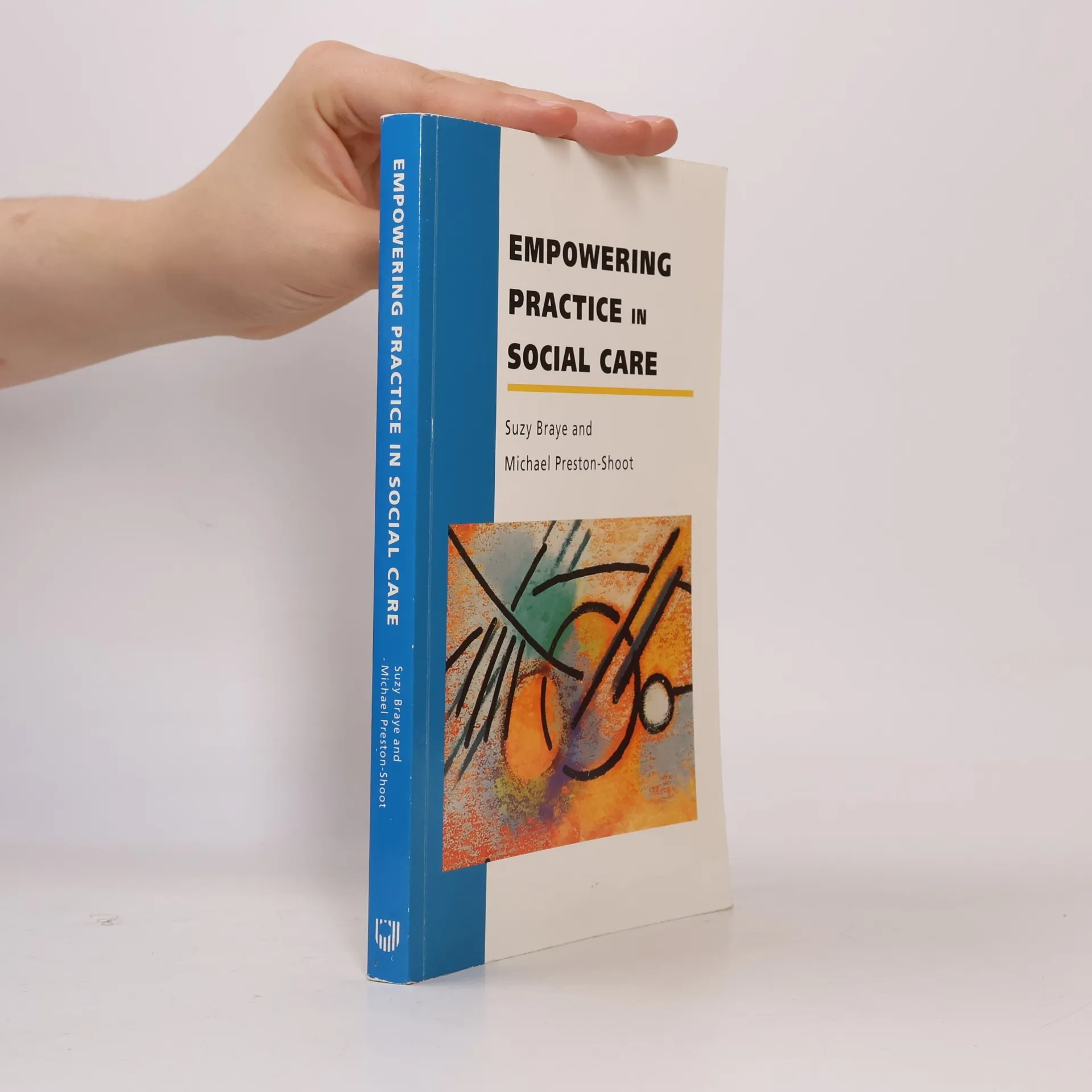
Empowering Practice in Social Care, Suzy Braye, Michael Preston-Shoot
- Langue

- Année de publication
- 1995
- Reliure
- (souple),
- État du livre
- Bon
- Prix
- 6,99 €
Modes de paiement
Personne n'a encore évalué .
- Titre
- Empowering Practice in Social Care
- Langue
- Anglais
- Auteurs
- Suzy Braye, Michael Preston-Shoot
- Éditeur
- Open University Press
- Publié
- 1995
- Format
- souple
- Pages
- 216
- ISBN10
- 0335192459
- ISBN13
- 9780335192458
- Séries
- Catégories
- Mots clés
- Grande-Bretagne, Travail social
- Description
- In answer to popular demand from students and practitioners alike, Braye and Preston-Shoot have produced a guide to understanding the complex area of community care. What are the core components of the Government's community care policy? What do terms like partnership, anti-discriminatory and anti-oppressive practice mean? This book provides a simple exposition of the concepts and value-base underpinning community care policy and practice. Written in a jargon-free style, it goes beyond the how-to approach of much of the existing social care literature and examines the principles and values on which professionals involved in welfare provision base their work. It addresses issues of power and partnership in professional practice and identifies dilemmas arising from the relationship between Needs, Rights and Resources, between Autonomy, Paternalism and Empowerment. It tackles the choices and uncertainties faced by those making decisions about service provision, and offers survival strategies to professionals under stress.