



En savoir plus sur le livre
Through examples and analogies, Computational Thinking for the Modern Problem Solver introduces computational thinking as part of an introductory computing course and shows how computer science concepts are applicable to other fields. It keeps the material accessible and relevant to noncomputer science majors. With numerous color figures, this classroom-tested book focuses on both foundational computer science concepts and engineering topics. It covers abstraction, algorithms, logic, graph theory, social issues of software, and numeric modeling as well as execution control, problem-solving strategies, testing, and data encoding and organizing. The text also discusses fundamental concepts of programming, including variables and assignment, sequential execution, selection, repetition, control abstraction, data organization, and concurrency. The authors present the algorithms using language-independent notation.
Achat du livre
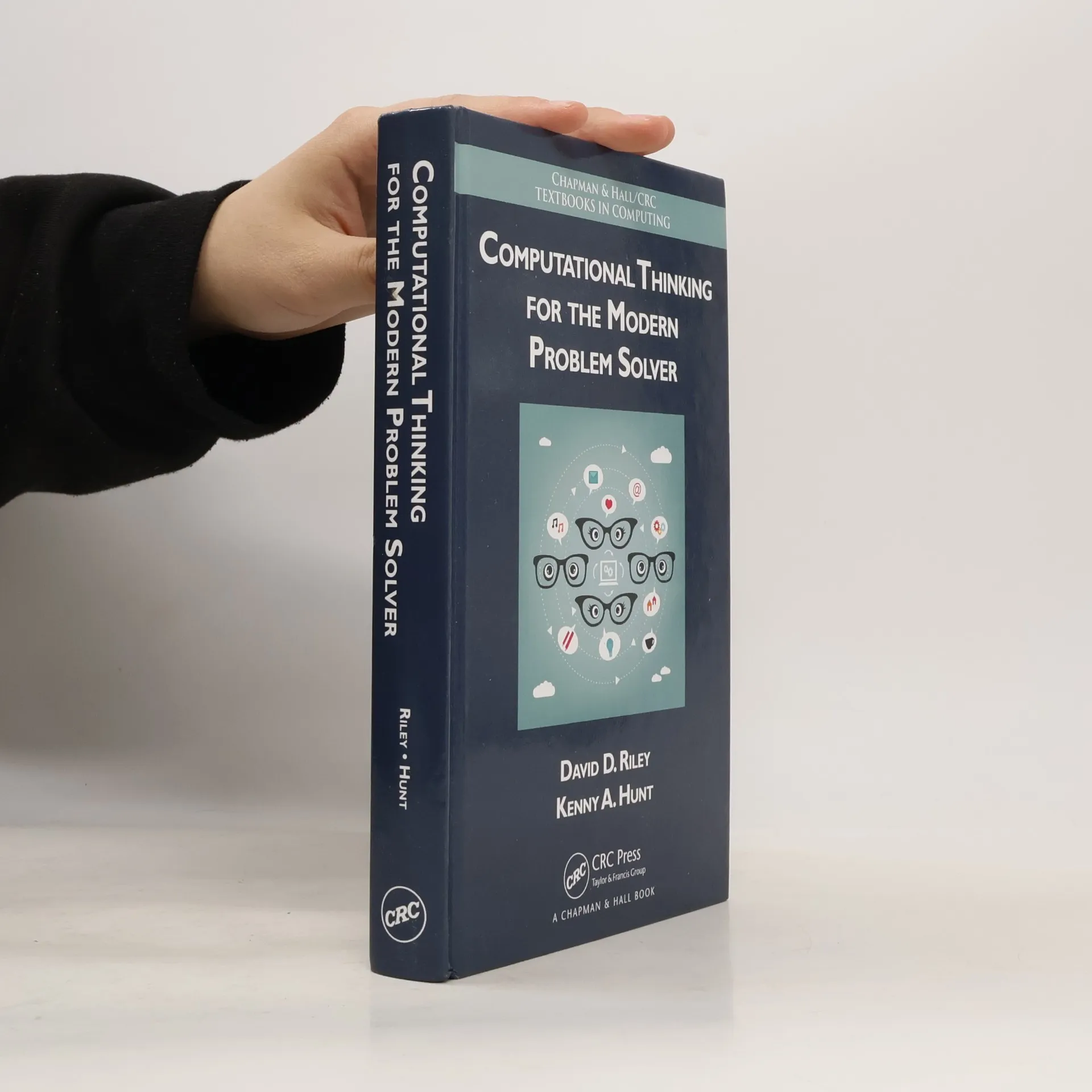
Chapman & Hall/CRC Textbooks in Computing: Computational Thinking for the Modern Problem Solver, David D. Riley, Kenny A. Hunt
- Langue

- Année de publication
- 2014
- Reliure
- (rigide),
- État du livre
- Bon
- Prix
- 27,99 €
Modes de paiement
Personne n'a encore évalué .
- Titre
- Chapman & Hall/CRC Textbooks in Computing: Computational Thinking for the Modern Problem Solver
- Langue
- Anglais
- Auteurs
- David D. Riley, Kenny A. Hunt
- Éditeur
- Chapman and Hall/CRC
- Publié
- 2014
- Format
- rigide
- Pages
- 389
- ISBN10
- 1466587776
- ISBN13
- 9781466587779
- Séries
- Catégories
- Mots clés
- Jeux, Arithmétique
- Description
- Through examples and analogies, Computational Thinking for the Modern Problem Solver introduces computational thinking as part of an introductory computing course and shows how computer science concepts are applicable to other fields. It keeps the material accessible and relevant to noncomputer science majors. With numerous color figures, this classroom-tested book focuses on both foundational computer science concepts and engineering topics. It covers abstraction, algorithms, logic, graph theory, social issues of software, and numeric modeling as well as execution control, problem-solving strategies, testing, and data encoding and organizing. The text also discusses fundamental concepts of programming, including variables and assignment, sequential execution, selection, repetition, control abstraction, data organization, and concurrency. The authors present the algorithms using language-independent notation.