


En savoir plus sur le livre
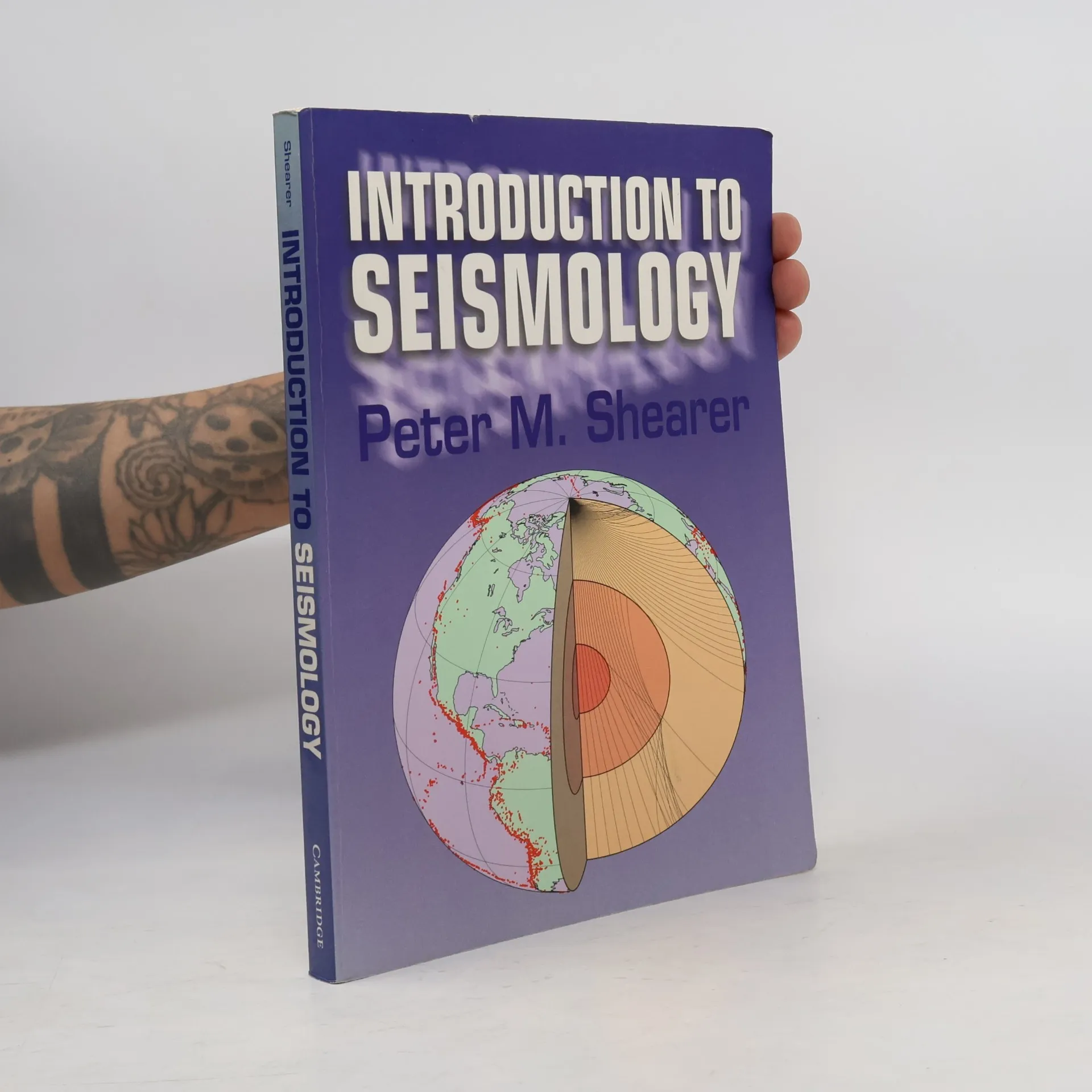
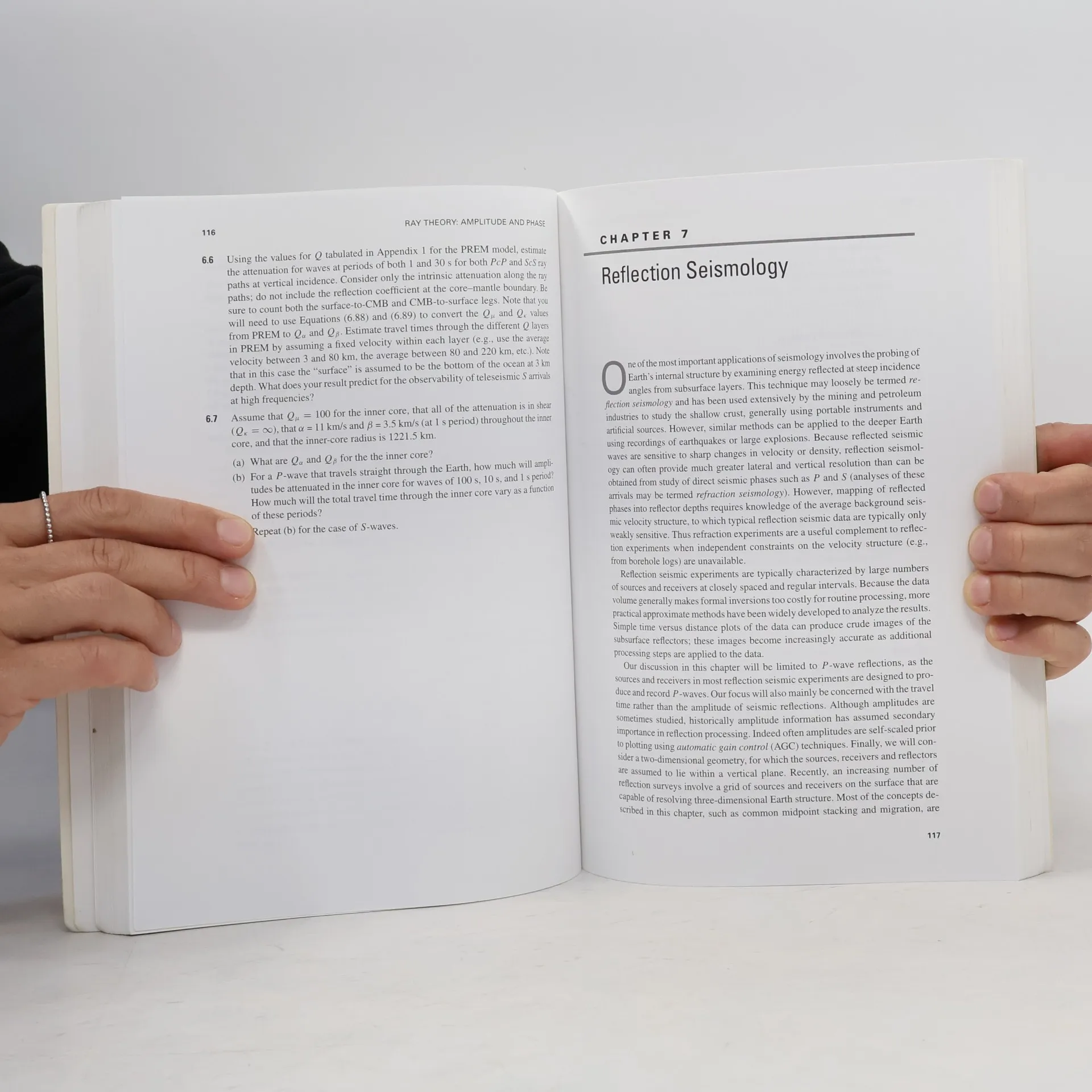
This book provides an approachable and concise introduction to seismology theory. It clearly explains the fundamental concepts, emphasizing intuitive understanding over lengthy derivations. Topics include all that is needed for a comprehensive first course in seismology: stress/strain theory, seismic wave equation, ray theory, tomography, reflection seismology, surface waves, source theory, anisotropy and earthquake prediction. Detailed exercises follow each chapter, giving students the opportunity to apply the techniques they have learned to compute results of interest and to illustrate some of Earth's seismic properties. In several cases, computer subroutines are provided to assist with these exercises. Numerous illustrations accompany the text, including examples of seismograms and images of the global seismic wavefield. This textbook is ideal for any introductory course in seismology taught to upper-division undergraduates or first-year graduate students, and is especially suited for a one-semester class on seismology.
Achat du livre
Introduction to Seismology, Peter M. Shearer
- Langue

- Année de publication
- 1999
- Reliure
- (souple),
- État du livre
- Bon
- Prix
- 9,79 €
Modes de paiement
Personne n'a encore évalué .
- Titre
- Introduction to Seismology
- Langue
- Anglais
- Auteurs
- Peter M. Shearer
- Éditeur
- Cambridge University Press
- Publié
- 1999
- Format
- souple
- Pages
- 272
- ISBN10
- 0521669537
- ISBN13
- 9780521669535
- Séries
- Catégories
- Mots clés
- Manuels et guides, Science, Littérature spécialisée, Manuels de physique, Géologie, Sismologie
- Description
- This book provides an approachable and concise introduction to seismology theory. It clearly explains the fundamental concepts, emphasizing intuitive understanding over lengthy derivations. Topics include all that is needed for a comprehensive first course in seismology: stress/strain theory, seismic wave equation, ray theory, tomography, reflection seismology, surface waves, source theory, anisotropy and earthquake prediction. Detailed exercises follow each chapter, giving students the opportunity to apply the techniques they have learned to compute results of interest and to illustrate some of Earth's seismic properties. In several cases, computer subroutines are provided to assist with these exercises. Numerous illustrations accompany the text, including examples of seismograms and images of the global seismic wavefield. This textbook is ideal for any introductory course in seismology taught to upper-division undergraduates or first-year graduate students, and is especially suited for a one-semester class on seismology.