


Paramètres
- 284pages
- 10 heures de lecture
En savoir plus sur le livre
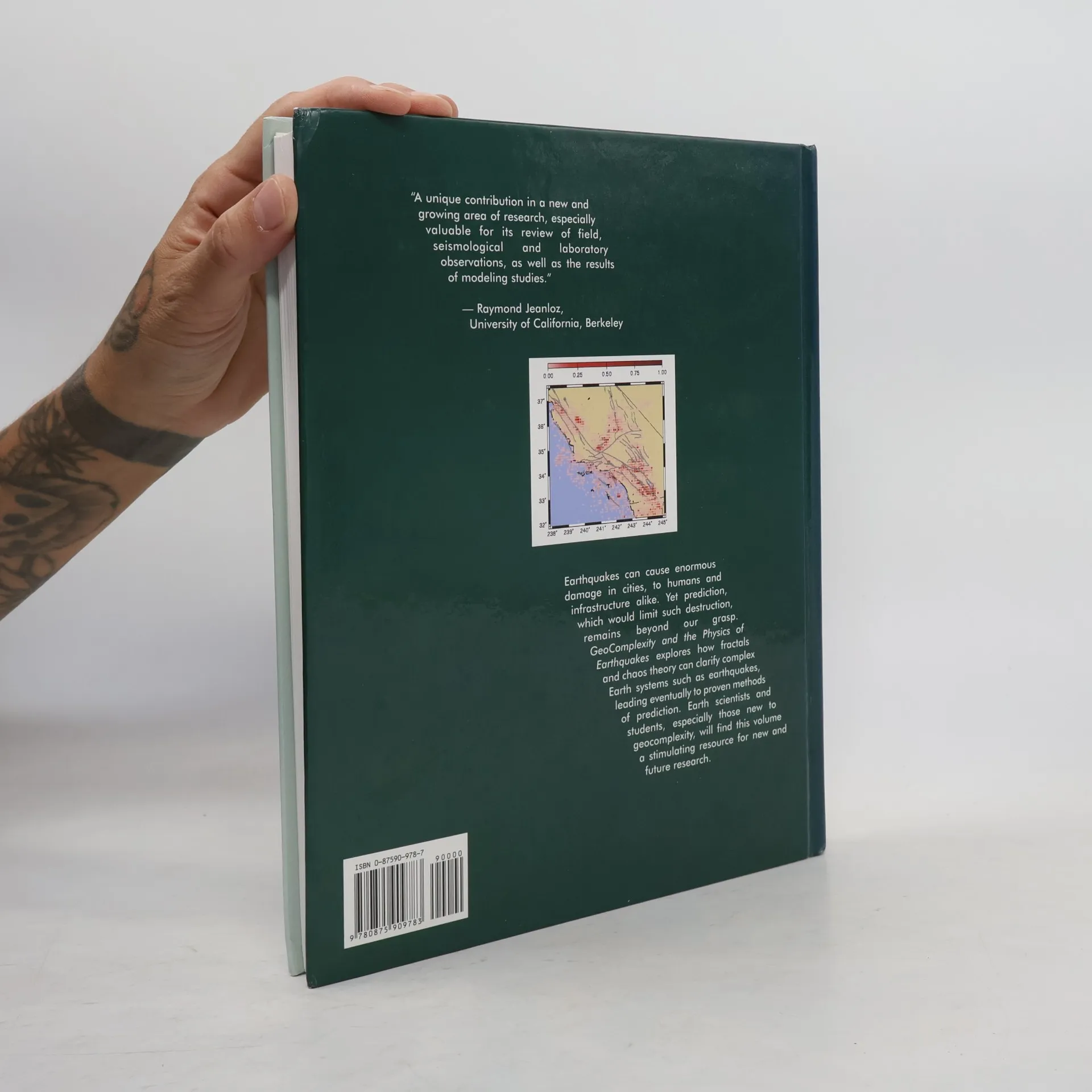
Published by the American Geophysical Union as part of the Geophysical Monograph Series, Volume 120.Earthquakes in urban centers are capable of causing enormous damage. The January 16, 1995 Kobe, Japan earthquake was only a magnitude 6.9 event and yet produced an estimated $200 billion loss. Despite an active earthquake prediction program in Japan, this event was a complete surprise. Similar scenarios are possible in Los Angeles, San Francisco, Seattle, and other urban centers around the Pacific plate boundary. The development of forecast or prediction methodologies for these great damaging earthquakes has been complicated by the fact that the largest events repeat at irregular intervals of hundreds to thousands of years, resulting in a limited historical record that has frustrated phenomenological studies. The papers in this book describe an emerging alternative approach, which is based on a new understanding of earthquake physics arising from the construction and analysis of numerical simulations. With these numerical simulations, earthquake physics now can be investigated in numerical laboratories. Simulation data from numerical experiments can be used to develop theoretical understanding that can be subsequently applied to observed data. These methods have been enabled by the information technology revolution, in which fundamental advances in computing and communications are placing vast computational resources at our disposal.
Achat du livre
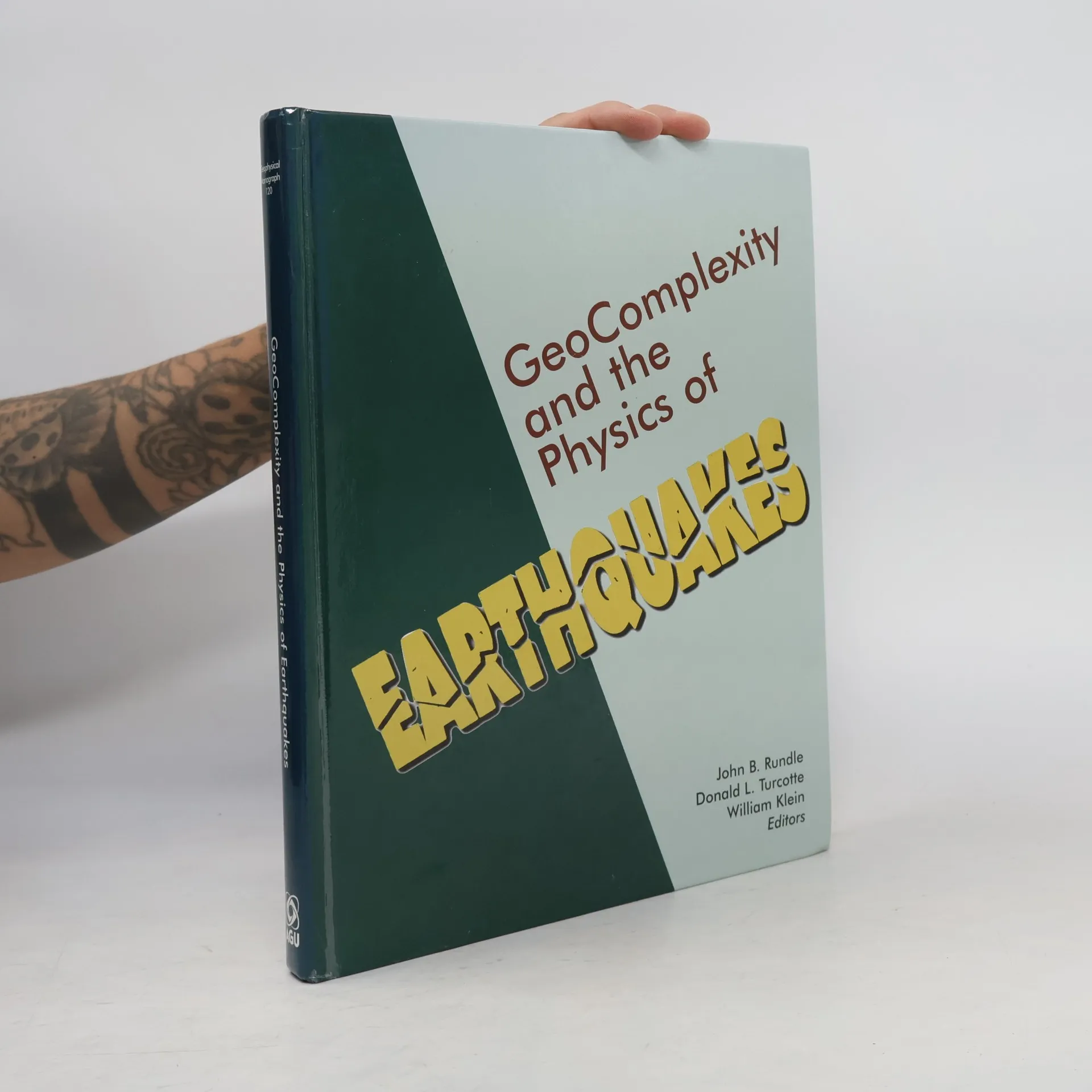
Geophysical Monograph - 120: Geocomplexity and the Physics of Earthquakes, John B. Rundle, Donald L. Turcotte, William Klein
- Langue

- Année de publication
- 2000
- Reliure
- (rigide),
- État du livre
- Abîmé
- Prix
- 54,99 €
Modes de paiement
Personne n'a encore évalué .
- Titre
- Geophysical Monograph - 120: Geocomplexity and the Physics of Earthquakes
- Langue
- Anglais
- Éditeur
- American Geophysical Union
- Publié
- 2000
- Format
- rigide
- Pages
- 284
- ISBN10
- 0875909787
- ISBN13
- 9780875909783
- Séries
- Catégories
- Mots clés
- La nature, Science, États-Unis, Littérature spécialisée, Géologie, Chaos, Mannequins, Tremblements de terre
- Description
- Published by the American Geophysical Union as part of the Geophysical Monograph Series, Volume 120.Earthquakes in urban centers are capable of causing enormous damage. The January 16, 1995 Kobe, Japan earthquake was only a magnitude 6.9 event and yet produced an estimated $200 billion loss. Despite an active earthquake prediction program in Japan, this event was a complete surprise. Similar scenarios are possible in Los Angeles, San Francisco, Seattle, and other urban centers around the Pacific plate boundary. The development of forecast or prediction methodologies for these great damaging earthquakes has been complicated by the fact that the largest events repeat at irregular intervals of hundreds to thousands of years, resulting in a limited historical record that has frustrated phenomenological studies. The papers in this book describe an emerging alternative approach, which is based on a new understanding of earthquake physics arising from the construction and analysis of numerical simulations. With these numerical simulations, earthquake physics now can be investigated in numerical laboratories. Simulation data from numerical experiments can be used to develop theoretical understanding that can be subsequently applied to observed data. These methods have been enabled by the information technology revolution, in which fundamental advances in computing and communications are placing vast computational resources at our disposal.