

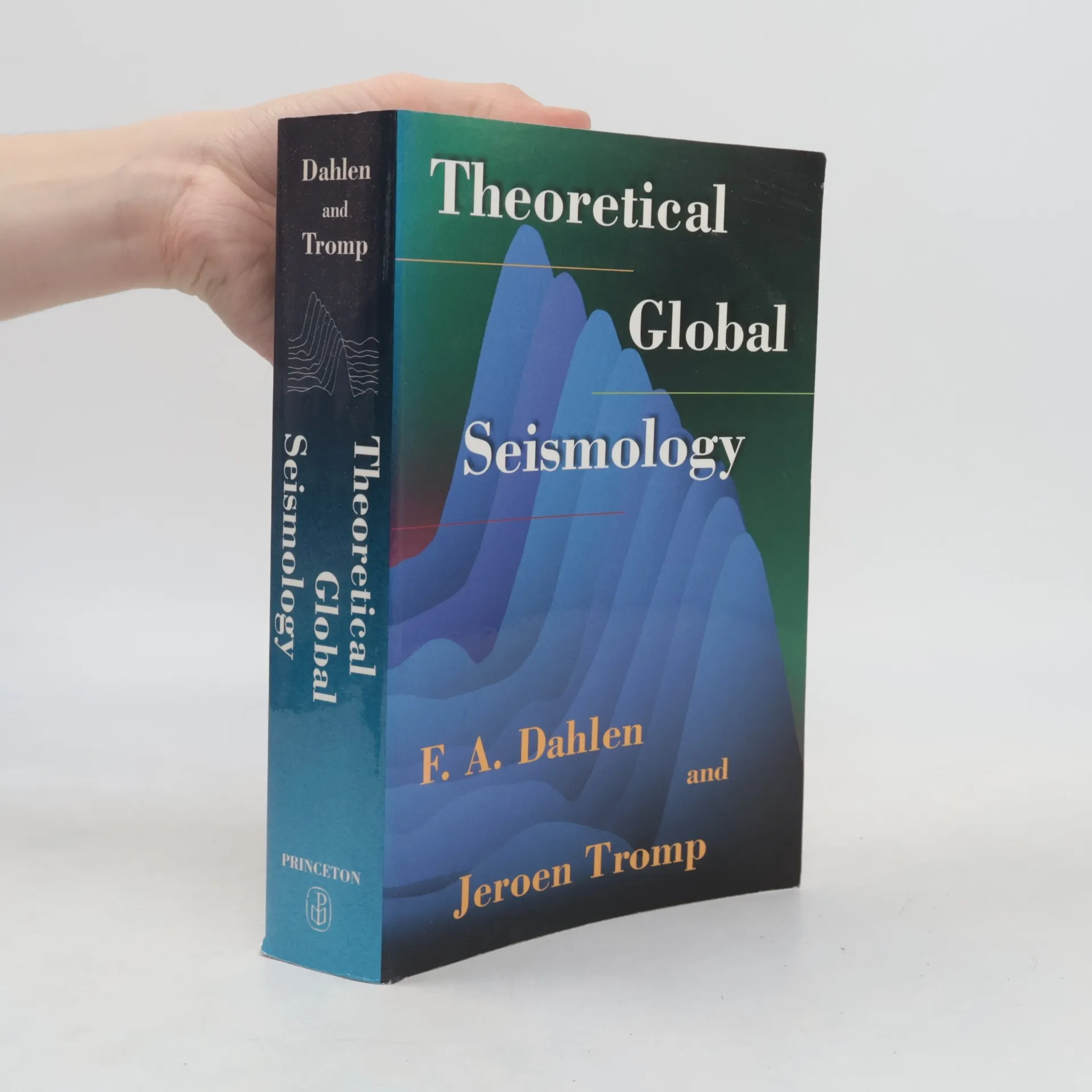
Theoretical Global Seismology
Auteurs
En savoir plus sur le livre
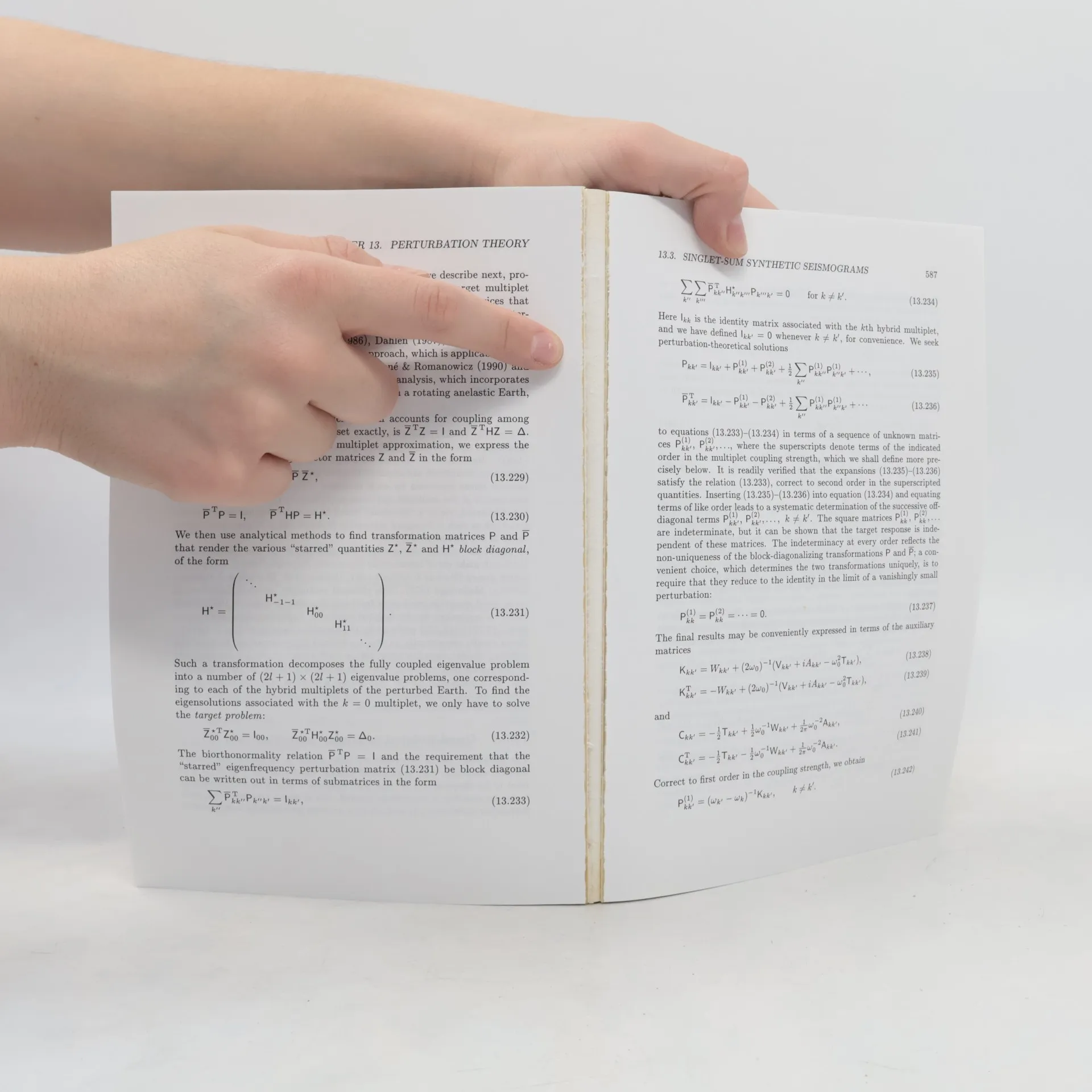
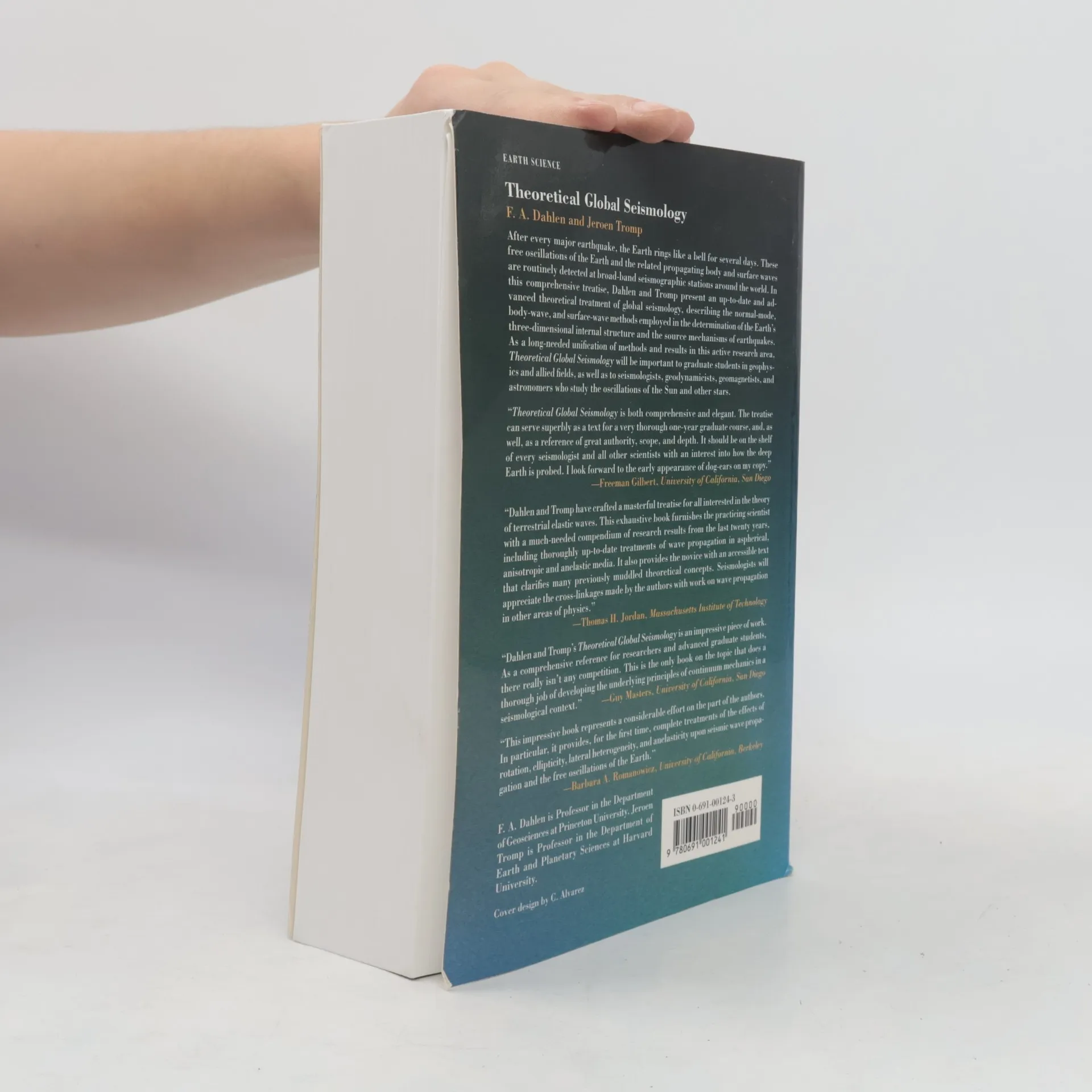
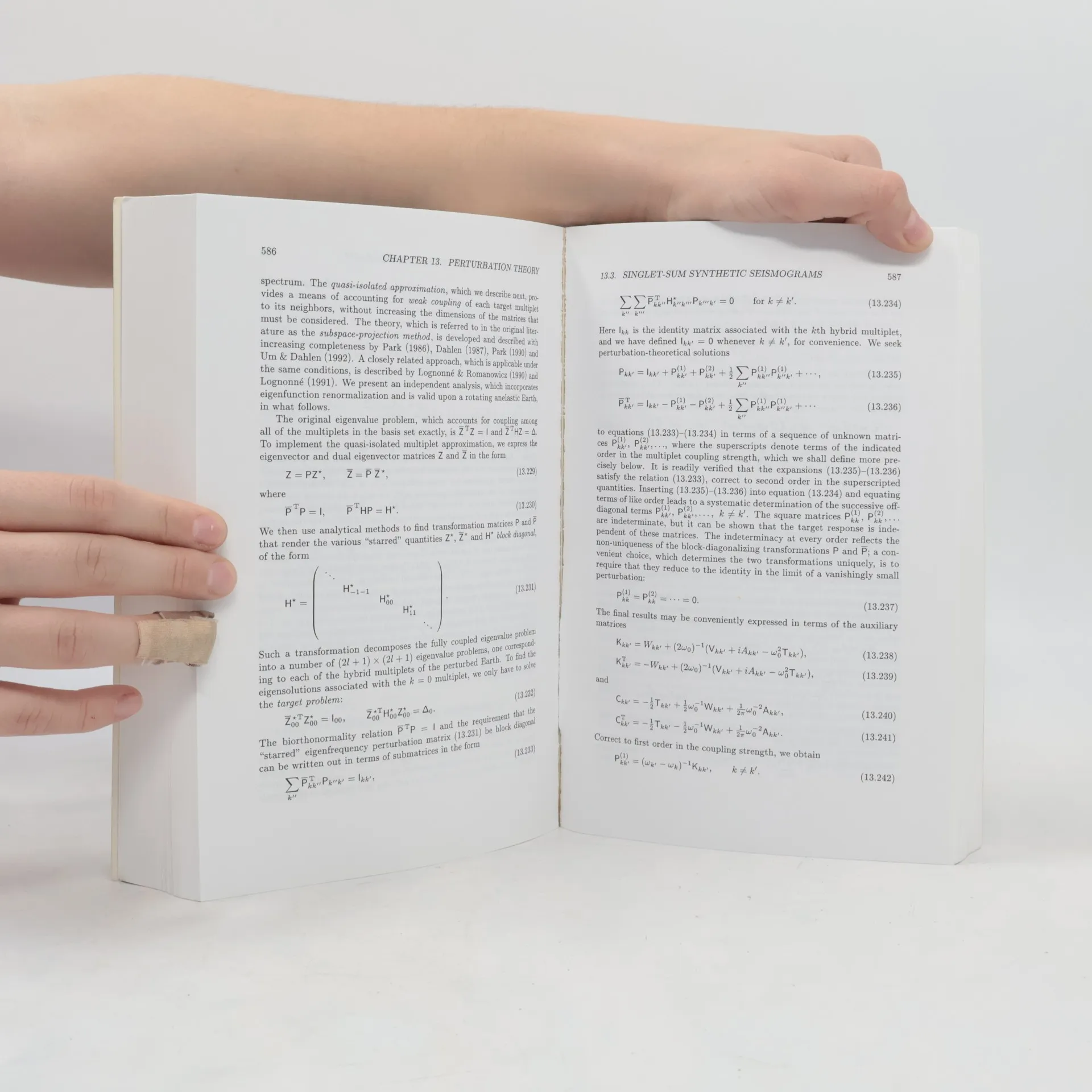
After major earthquakes, the Earth resonates for days, with free oscillations and related waves detected globally. This work by F. A. Dahlen and Jeroen Tromp offers an advanced theoretical exploration of global seismology, detailing the normal-mode, body-wave, and surface-wave methods used to determine the Earth's three-dimensional internal structure and earthquake source mechanisms. The authors review the history of global seismology and recent theoretical and observational advancements. The book is structured into three parts: Foundations, which introduces continuum mechanics and seismic source representation; The Spherical Earth, focusing on free oscillations of a spherically symmetric Earth; and The Aspherical Earth, addressing methods for handling the Earth's three-dimensional heterogeneity. Primarily focused on the forward problem of global seismology, it explains how to calculate and interpret synthetic seismograms and spectra. This comprehensive unification of theories will be invaluable to graduate students, professional seismologists, geodynamicists, geomagnetists, and astronomers studying free oscillations in celestial bodies.
Achat du livre
Theoretical Global Seismology, Jeroen Tromp, F. A. Dahlen
- Langue

- Année de publication
- 1998
- Reliure
- (souple),
- État du livre
- Abîmé
- Prix
- 13,98 €
Modes de paiement
Personne n'a encore évalué .
- Titre
- Theoretical Global Seismology
- Langue
- Anglais
- Auteurs
- Jeroen Tromp, F. A. Dahlen
- Éditeur
- Princeton University Press
- Publié
- 1998
- Format
- souple
- Pages
- 944
- ISBN10
- 0691001243
- ISBN13
- 9780691001241
- Séries
- Mots clés
- Sciences naturelles, Science, Sismologie
- Description
- After major earthquakes, the Earth resonates for days, with free oscillations and related waves detected globally. This work by F. A. Dahlen and Jeroen Tromp offers an advanced theoretical exploration of global seismology, detailing the normal-mode, body-wave, and surface-wave methods used to determine the Earth's three-dimensional internal structure and earthquake source mechanisms. The authors review the history of global seismology and recent theoretical and observational advancements. The book is structured into three parts: Foundations, which introduces continuum mechanics and seismic source representation; The Spherical Earth, focusing on free oscillations of a spherically symmetric Earth; and The Aspherical Earth, addressing methods for handling the Earth's three-dimensional heterogeneity. Primarily focused on the forward problem of global seismology, it explains how to calculate and interpret synthetic seismograms and spectra. This comprehensive unification of theories will be invaluable to graduate students, professional seismologists, geodynamicists, geomagnetists, and astronomers studying free oscillations in celestial bodies.