


Paramètres
- 160pages
- 6 heures de lecture
En savoir plus sur le livre
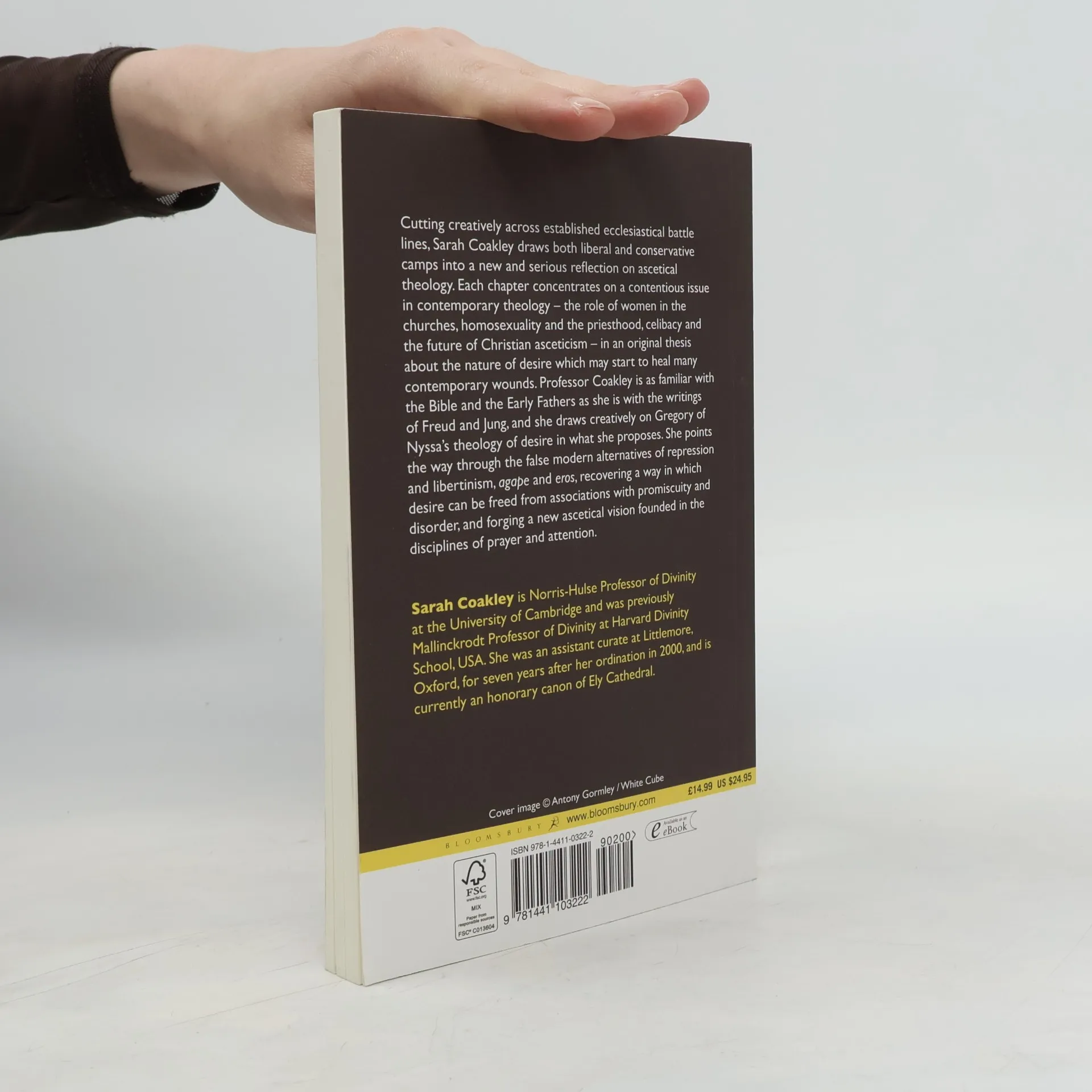
Each chapter of The New Asceticism concentrates on a contentious issue in contemporary theology - the role of women in the churches, homosexuality and the priesthood, celibacy and the future of Christian asceticism - in an original thesis about the nature of desire which may start to heal many contemporary wounds. Professor Coakley is as familiar with the Bible and the Early Fathers as she is with the writings of Freud and Jung, and she draws heavily on Gregory of Nyssa's theology of desire in what she proposes. She points the way through the false modern alternatives of repression and libertinism, agape and eros, recovering a way in which desire can be freed from associations with promiscuity and disorder, and forging a new ascetical vision founded in the disciplines of prayer and attention.
Achat du livre
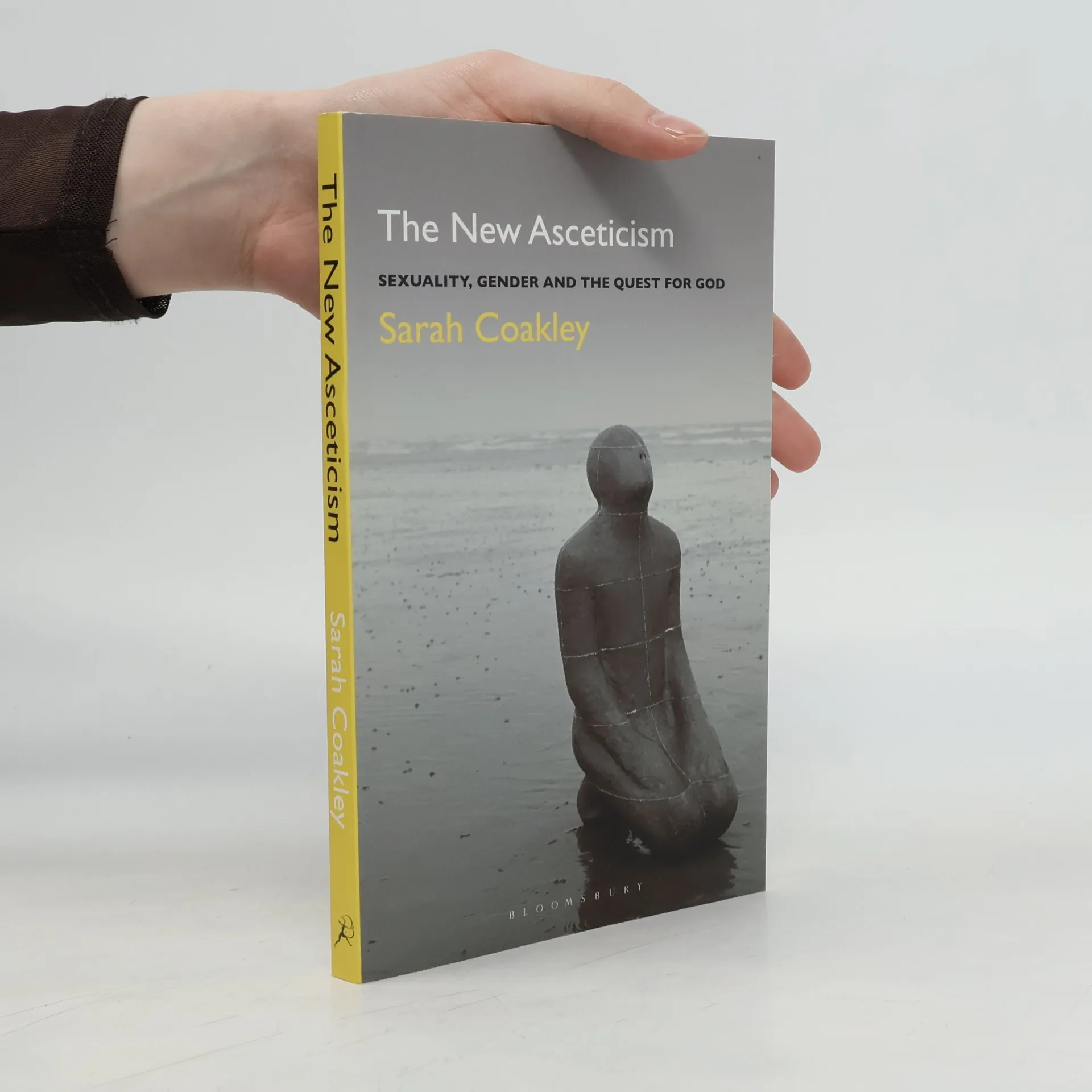
The New Asceticism, Sarah Coakley
- Langue

- Année de publication
- 2015
- Reliure
- (souple),
- État du livre
- Très bon
- Prix
- 11,39 €
Modes de paiement
Personne n'a encore évalué .
- Titre
- The New Asceticism
- Langue
- Anglais
- Auteurs
- Sarah Coakley
- Éditeur
- Bloomsbury Specialist
- Publié
- 2015
- Format
- souple
- Pages
- 160
- ISBN10
- 1441103228
- ISBN13
- 9781441103222
- Séries
- Catégories
- Mots clés
- Thèmes religieux, Thématique philosophique, Spiritualité et spiritualisme, Thèmes chrétiens, Théologie, Sexualité et intimité, Bible, Vie chrétienne, Prières, Genre, Homosexualité, Théologie chrétienne, Sigmund Freud, Sacerdotal, Éros, Célibat, Théologie morale, Ascèse, Répression, Grégoire de Nysse
- Description
- Each chapter of The New Asceticism concentrates on a contentious issue in contemporary theology - the role of women in the churches, homosexuality and the priesthood, celibacy and the future of Christian asceticism - in an original thesis about the nature of desire which may start to heal many contemporary wounds. Professor Coakley is as familiar with the Bible and the Early Fathers as she is with the writings of Freud and Jung, and she draws heavily on Gregory of Nyssa's theology of desire in what she proposes. She points the way through the false modern alternatives of repression and libertinism, agape and eros, recovering a way in which desire can be freed from associations with promiscuity and disorder, and forging a new ascetical vision founded in the disciplines of prayer and attention.