



Paramètres
- 264pages
- 10 heures de lecture
En savoir plus sur le livre
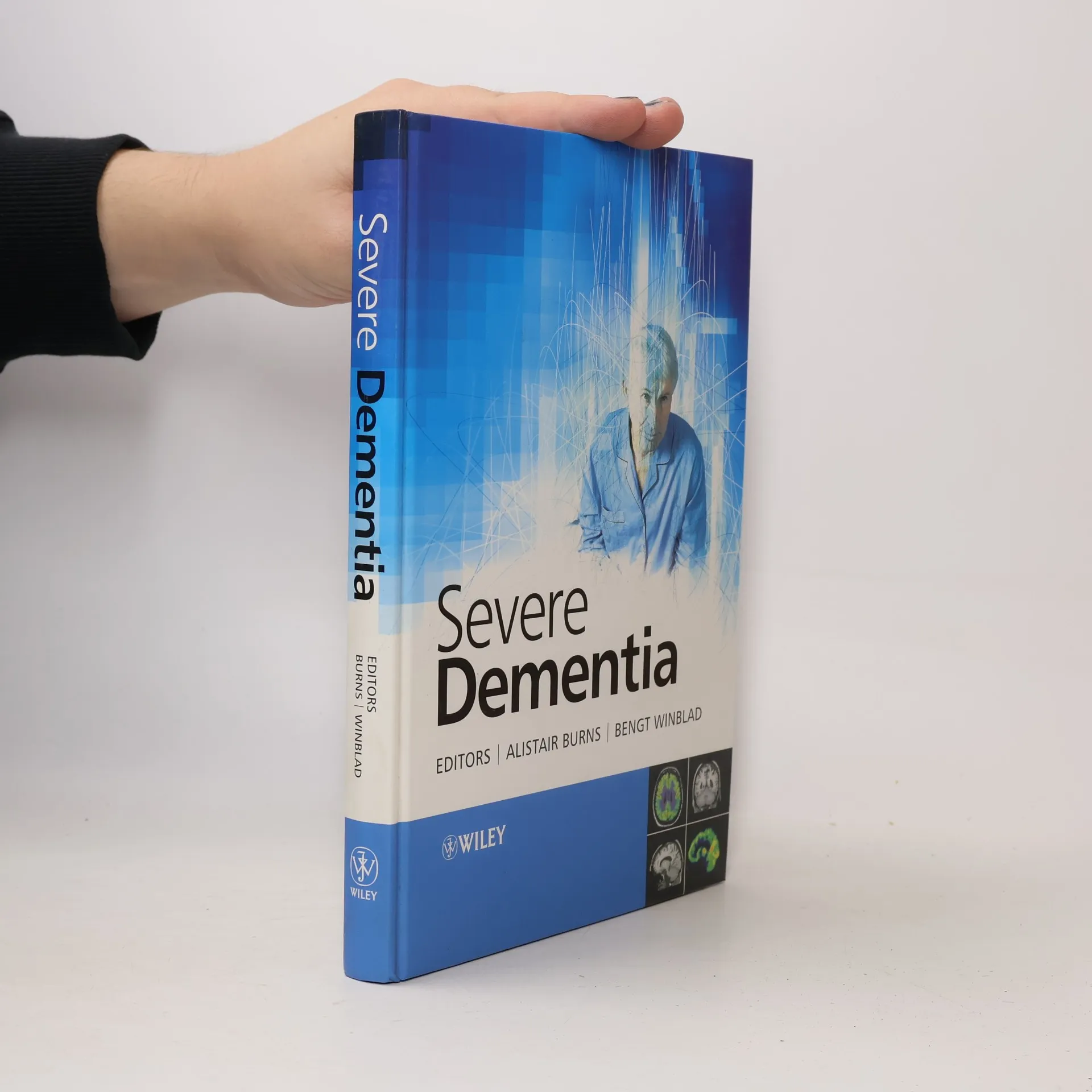
The later stages of dementia are as important, if not more so, as the earlier stages, since they harbour unique characteristics and events, which profoundly affect the lives of patients and their carers. Severe dementia has not had a high profile in the clinical literature as until recently prognosis was poor and there were few beneficial interventions. With the recent licensing of memantine, clinicians finally have a drug option that will delay disease progression. Severe Dementia is the first book to focus exclusively on severe dementia. It addresses both the clinical features of the disease and the social aspects of care. Introductory chapters on the differential diagnosis, neurochemistry and molecular pathology of severe dementia set the scene for the clinical discussion. Detailed clinical chapters on cognitive function, depression, physical effects, staging and function follow. All therapeutic interventions are then discussed, including memantine, anticholinesterases, neuroleptics and non-pharmacological treatment. The final chapters review the social and economic aspects of dementia care, including family involvement, person-centered care, palliative care, ethics and health economics. Written and edited by experts in geriatric psychiatry and geriatrics, Severe Dementia is of value to all clinicians involved in the management of this complex and vulnerable group of patients. It is also of interest to general practitioners and carers in nursing homes.
Achat du livre
Severe Dementia, Alistair Burns, Bengt Winblad
- Langue

- Année de publication
- 2006
- Reliure
- (rigide),
- État du livre
- Abîmé
- Prix
- 21,49 €
Modes de paiement
Personne n'a encore évalué .
- Titre
- Severe Dementia
- Langue
- Anglais
- Auteurs
- Alistair Burns, Bengt Winblad
- Éditeur
- WILEY
- Publié
- 2006
- Format
- rigide
- Pages
- 264
- ISBN10
- 0470010541
- ISBN13
- 9780470010549
- Séries
- Catégories
- Mots clés
- Recueils, anthologies, Médecine, Littérature spécialisée, Écrits rassemblés, Psychiatrie, Neurologie, Pharmacologie, Démence (maladie), Patients, Chimiothérapie
- Description
- The later stages of dementia are as important, if not more so, as the earlier stages, since they harbour unique characteristics and events, which profoundly affect the lives of patients and their carers. Severe dementia has not had a high profile in the clinical literature as until recently prognosis was poor and there were few beneficial interventions. With the recent licensing of memantine, clinicians finally have a drug option that will delay disease progression. Severe Dementia is the first book to focus exclusively on severe dementia. It addresses both the clinical features of the disease and the social aspects of care. Introductory chapters on the differential diagnosis, neurochemistry and molecular pathology of severe dementia set the scene for the clinical discussion. Detailed clinical chapters on cognitive function, depression, physical effects, staging and function follow. All therapeutic interventions are then discussed, including memantine, anticholinesterases, neuroleptics and non-pharmacological treatment. The final chapters review the social and economic aspects of dementia care, including family involvement, person-centered care, palliative care, ethics and health economics. Written and edited by experts in geriatric psychiatry and geriatrics, Severe Dementia is of value to all clinicians involved in the management of this complex and vulnerable group of patients. It is also of interest to general practitioners and carers in nursing homes.