

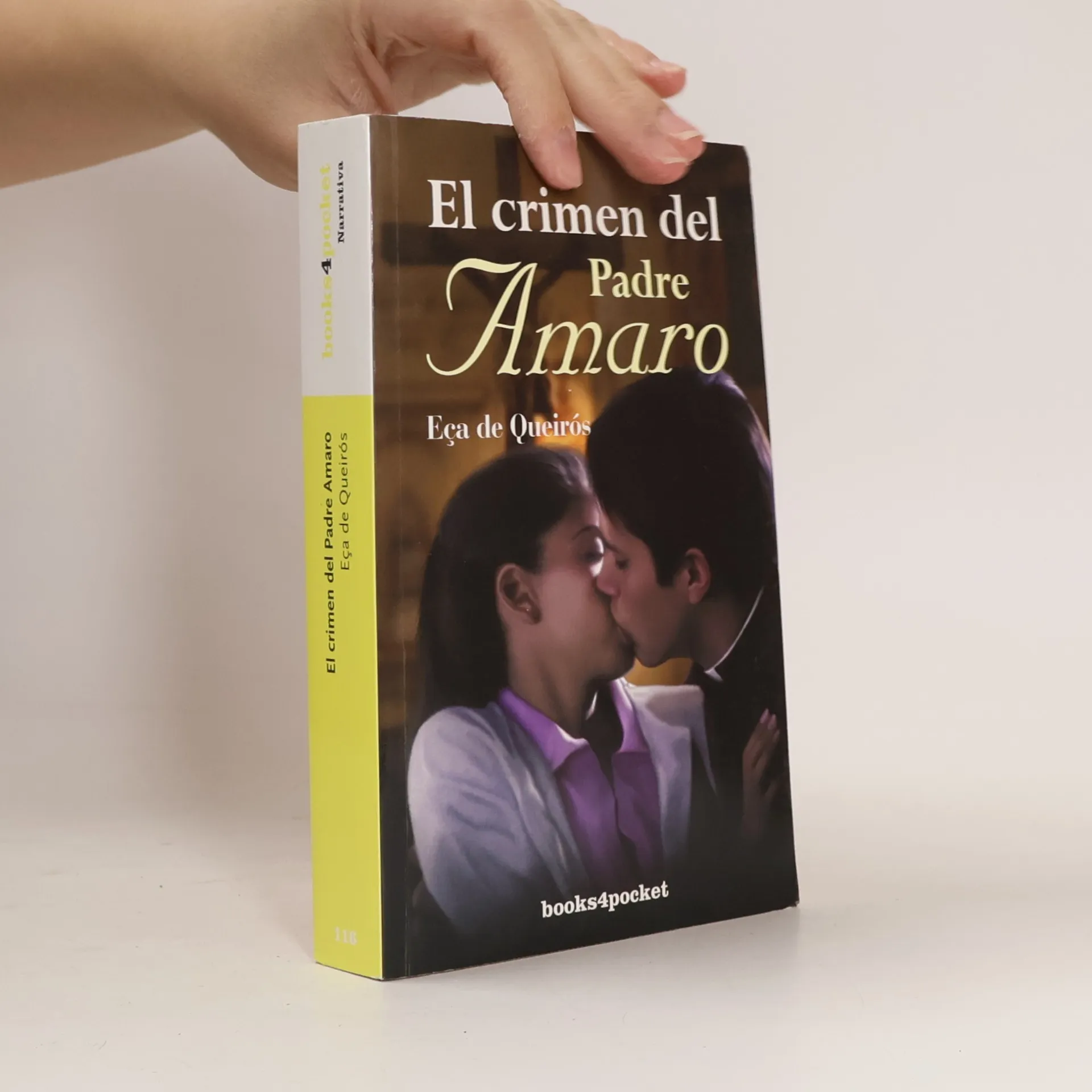
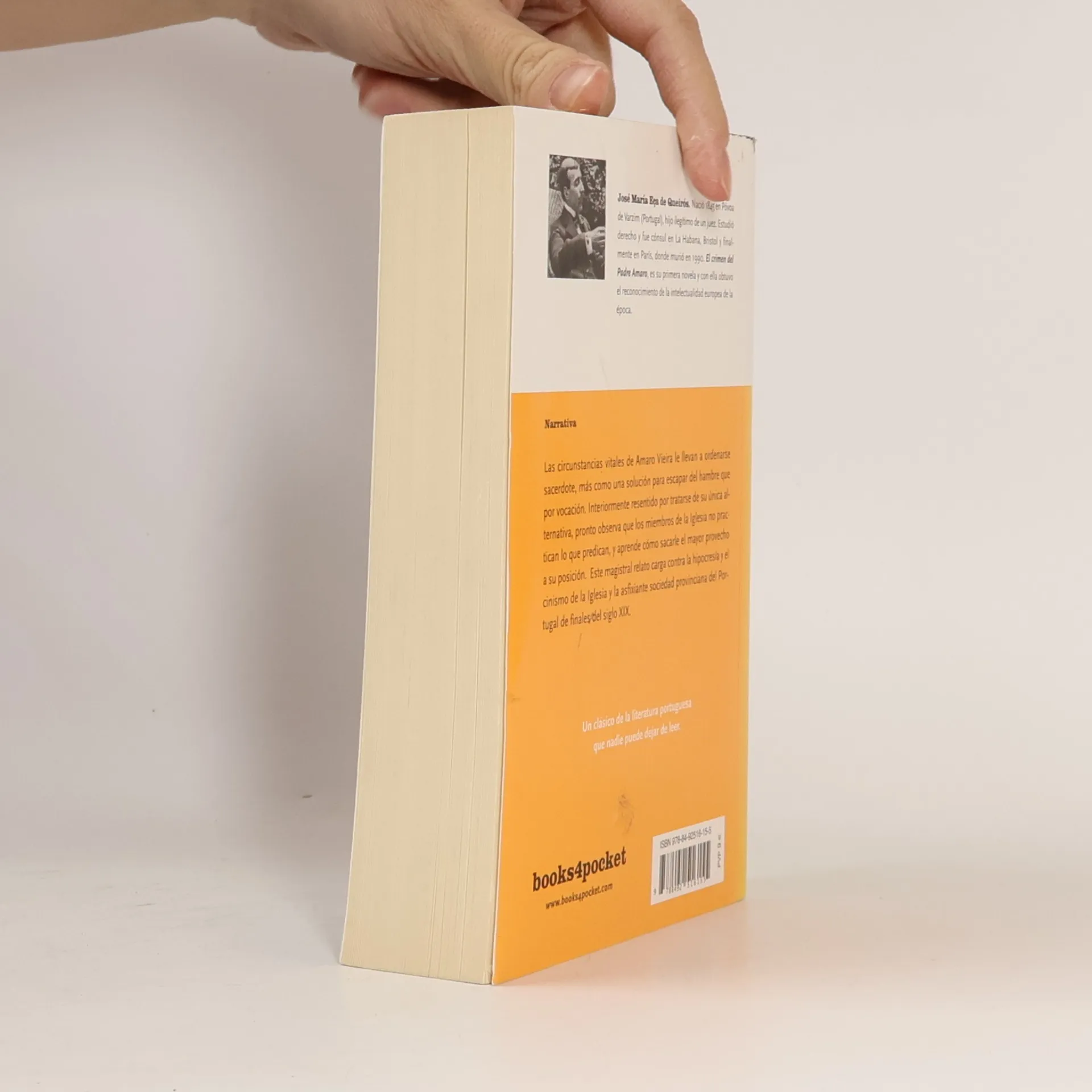

Narrativa - 116: El crimen del Padre Amaro
Auteurs
Paramètres
- 576pages
- 21 heures de lecture
En savoir plus sur le livre
Ea de Queirs's novel is a vivid satire of clerical corruption in Leira, Portugal, set around the time of the 1871 Paris Commune. The story opens with a priest's dramatic demise after a fish supper during a lively birthday celebration. Young Father Amaro, whose name translates to "bitter," arrives in town and becomes infatuated with Amlia, the devout daughter of So Joaneira, who has taken him in as a lodger. Their secret love affair unfolds against a backdrop of intriguing minor characters, including Canon Dias, a glutton and So Joaneira's lover; Dona Maria da Assuno, a wealthy widow obsessed with religious imagery; Joo Eduardo, a repressed atheist and Amlia's suitor; and Father Brito, the "strongest and most stupid priest in the diocese." The municipal council administrator is also a notable figure, spying on a neighbor's wife daily. Ea's sharp critique reflects the hypocrisy of a powerful Church, the provincial mindset of Portuguese society, and the ineffectiveness of politics and science in addressing the town's issues. Beneath the surface, the narrative hints at a nearly forgotten religion of tolerance, wisdom, and equality. Margaret Jull Costa's exquisite translation and insightful introduction enhance this timeless story.
Achat du livre
Narrativa - 116: El crimen del Padre Amaro, José Maria Eca de Queiroz
- Langue

- Année de publication
- 2008
- Reliure
- (souple),
- État du livre
- Bon
- Prix
- 6,09 €
Modes de paiement
Personne n'a encore évalué .
- Titre
- Narrativa - 116: El crimen del Padre Amaro
- Langue
- Espagnol
- Auteurs
- José Maria Eca de Queiroz
- Éditeur
- books4pocket
- Publié
- 2008
- Format
- souple
- Pages
- 576
- ISBN10
- 8492516151
- ISBN13
- 9788492516155
- Séries
- Mots clés
- Espagne, Portugal, Littérature portugaise, Portugais
- Description
- Ea de Queirs's novel is a vivid satire of clerical corruption in Leira, Portugal, set around the time of the 1871 Paris Commune. The story opens with a priest's dramatic demise after a fish supper during a lively birthday celebration. Young Father Amaro, whose name translates to "bitter," arrives in town and becomes infatuated with Amlia, the devout daughter of So Joaneira, who has taken him in as a lodger. Their secret love affair unfolds against a backdrop of intriguing minor characters, including Canon Dias, a glutton and So Joaneira's lover; Dona Maria da Assuno, a wealthy widow obsessed with religious imagery; Joo Eduardo, a repressed atheist and Amlia's suitor; and Father Brito, the "strongest and most stupid priest in the diocese." The municipal council administrator is also a notable figure, spying on a neighbor's wife daily. Ea's sharp critique reflects the hypocrisy of a powerful Church, the provincial mindset of Portuguese society, and the ineffectiveness of politics and science in addressing the town's issues. Beneath the surface, the narrative hints at a nearly forgotten religion of tolerance, wisdom, and equality. Margaret Jull Costa's exquisite translation and insightful introduction enhance this timeless story.