

London's East End
A 1960s Album
Auteurs
En savoir plus sur le livre
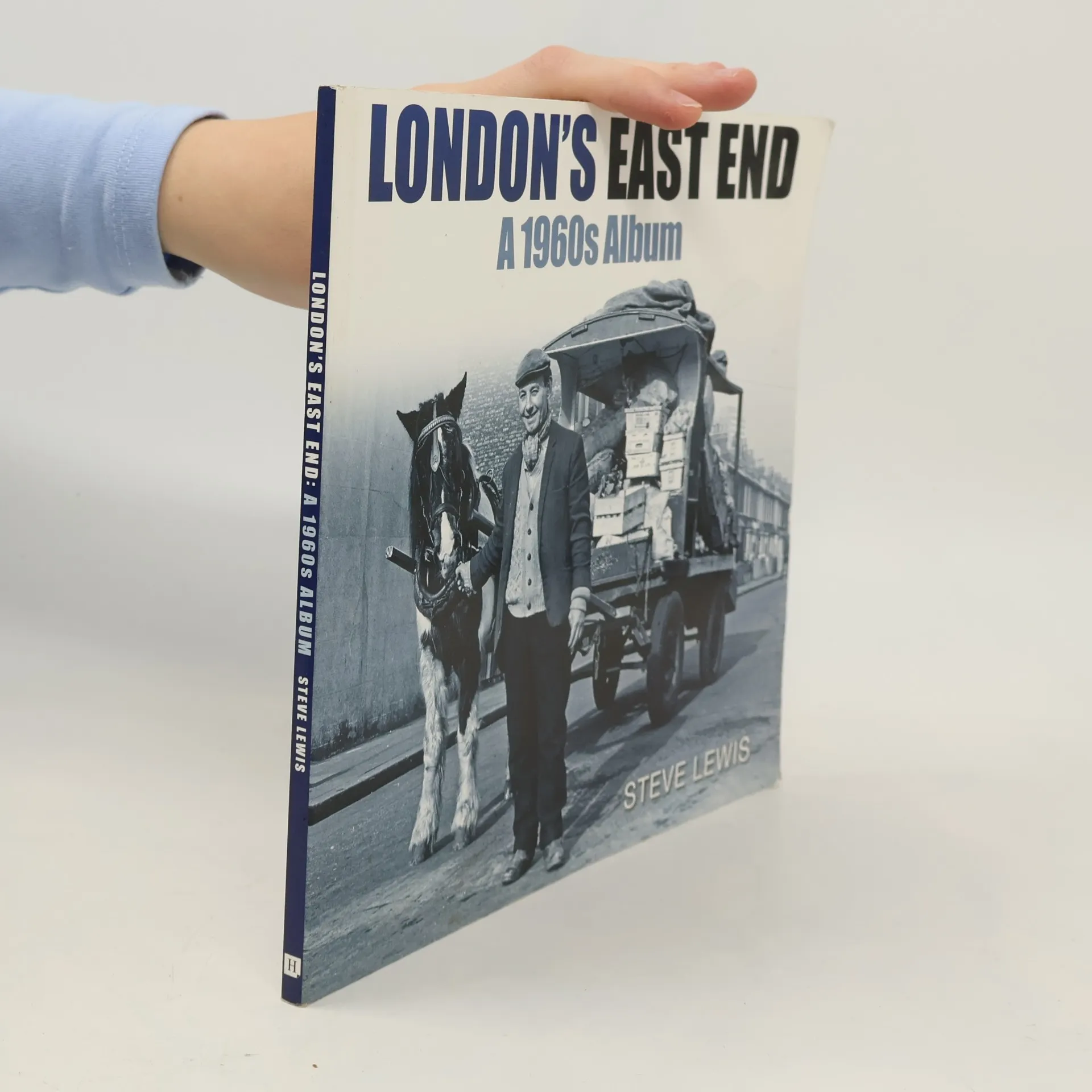
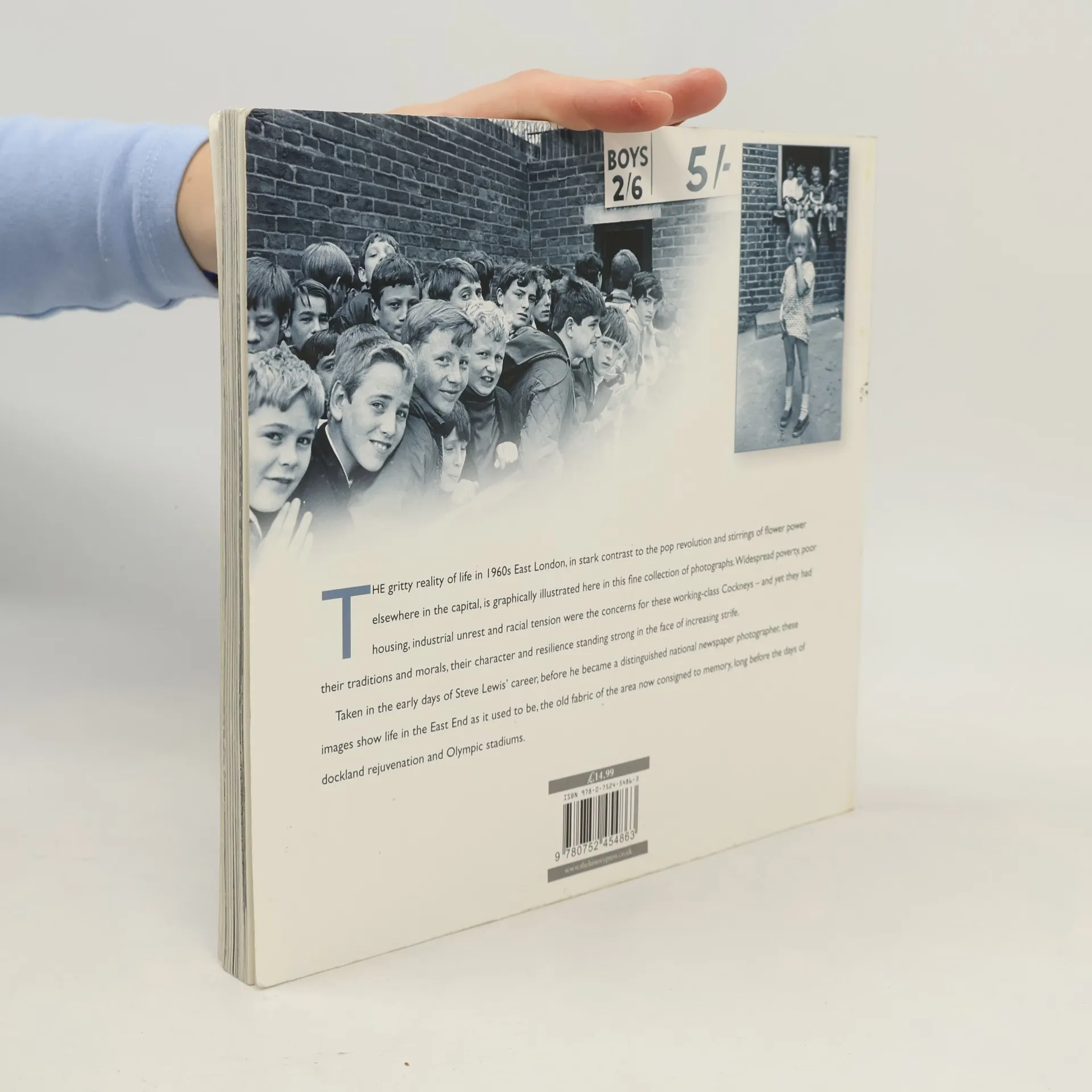
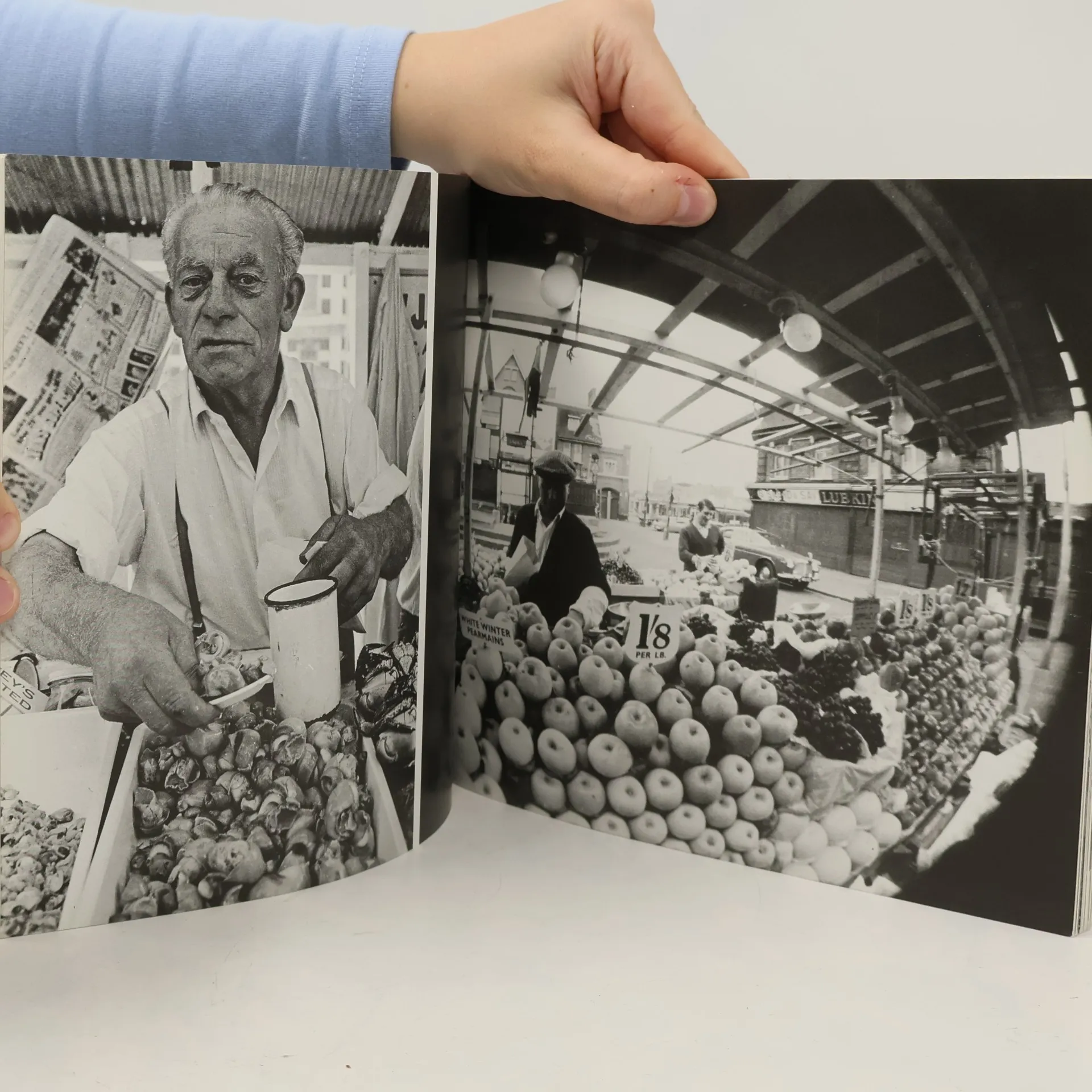
The photographs in this book capture the gritty reality of life in East London during the Swinging Sixties. As the images graphically illustrate, the pop revolution and the early stirrings of flower power had little discernible impact on the working-class Cockney. East Enders were preoccupied with other concerns: widespread poverty, poor housing, industrial unrest, and racial tension. The area proved fertile ground for news-gatherers, among them Steve Lewis, destined to become a distinguished national newspaper photographer. In the 1960s, he covered the "manor" for the local press and picture agencies. On quiet days, Lewis focused on the disappearing vignettes of street life: the milkman straining under the weight of his Edwardian handcart; the rag-and-bone man plodding the streets with his horse-drawn wagon; the bicycle-borne totter with sign proclaiming: "Complete Homes Purchased." Many of the locations in which Lewis worked have changed beyond recognition. Tower blocks supplanted swathes of Blitz-scarred terraces; docklands was recast as the capital's alternative commercial hub. Now the site of the 2012 Olympics offers new vistas. As the old fabric of the East End was consigned to memory, so were many of its traditions. Here is a glimpse of the way it was.
Achat du livre
London's East End, Steve Lewis
- Langue

- Année de publication
- 2010
- Reliure
- (souple),
- État du livre
- Bon
- Prix
- 17,49 €
Modes de paiement
Personne n'a encore évalué .
- Titre
- London's East End
- Sous-titre
- A 1960s Album
- Langue
- Anglais
- Auteurs
- Steve Lewis
- Éditeur
- The History Press Ltd
- Publié
- 2010
- Format
- souple
- Pages
- 96
- ISBN10
- 0752454862
- ISBN13
- 9780752454863
- Séries
- Mots clés
- Thème historique, Histoire locale
- Description
- The photographs in this book capture the gritty reality of life in East London during the Swinging Sixties. As the images graphically illustrate, the pop revolution and the early stirrings of flower power had little discernible impact on the working-class Cockney. East Enders were preoccupied with other concerns: widespread poverty, poor housing, industrial unrest, and racial tension. The area proved fertile ground for news-gatherers, among them Steve Lewis, destined to become a distinguished national newspaper photographer. In the 1960s, he covered the "manor" for the local press and picture agencies. On quiet days, Lewis focused on the disappearing vignettes of street life: the milkman straining under the weight of his Edwardian handcart; the rag-and-bone man plodding the streets with his horse-drawn wagon; the bicycle-borne totter with sign proclaiming: "Complete Homes Purchased." Many of the locations in which Lewis worked have changed beyond recognition. Tower blocks supplanted swathes of Blitz-scarred terraces; docklands was recast as the capital's alternative commercial hub. Now the site of the 2012 Olympics offers new vistas. As the old fabric of the East End was consigned to memory, so were many of its traditions. Here is a glimpse of the way it was.