

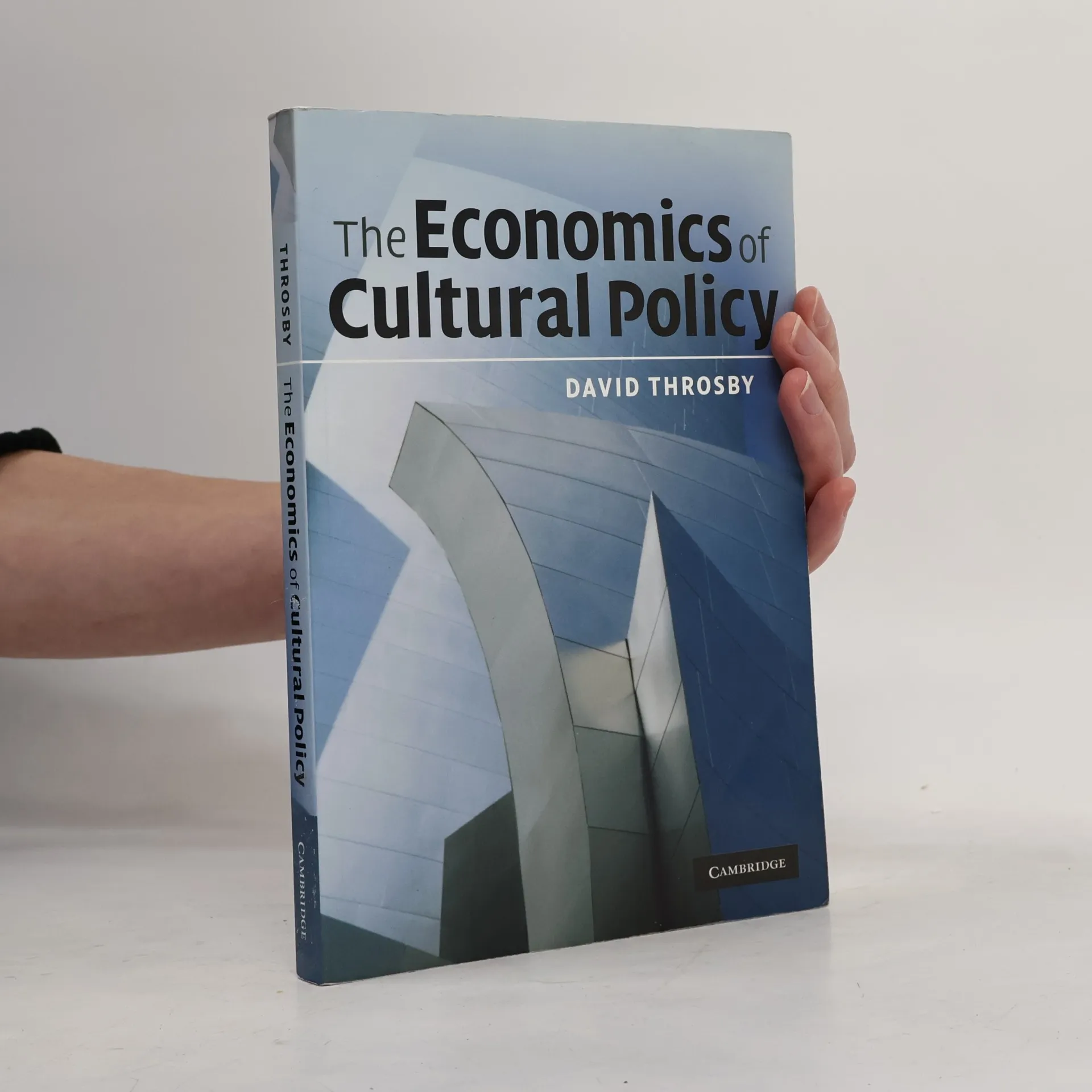


The Economics of Cultural Policy
Auteurs
En savoir plus sur le livre
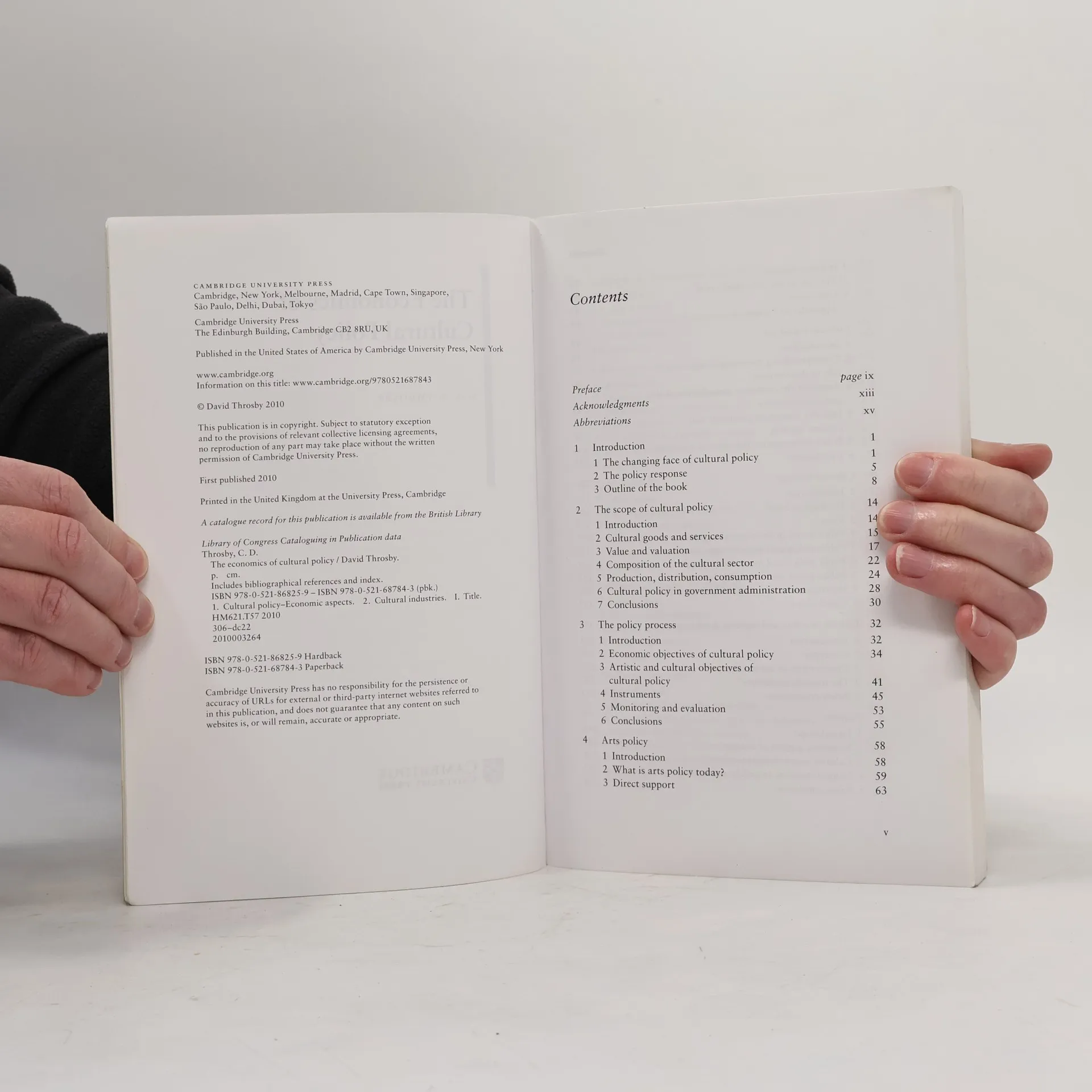
Cultural policy is changing. Traditionally, cultural policies have been concerned with providing financial support for the arts, for cultural heritage and for institutions such as museums and galleries. In recent years, around the world, interest has grown in the creative industries as a source of innovation and economic dynamism. This book argues that an understanding of the nature of both the economic and the cultural value created by the cultural sector is essential to good policy-making. The book is the first comprehensive account of the application of economic theory and analysis to the broad field of cultural policy. It deals with general principles of policy-making in the cultural arena as seen from an economic point of view, and goes on to examine a range of specific cultural policy areas, including the arts, heritage, the cultural industries, urban development, tourism, education, trade, cultural diversity, economic development, intellectual property and cultural statistics.
Achat du livre
The Economics of Cultural Policy, David Throsby
- Langue

- Année de publication
- 2010
- Reliure
- (souple),
- État du livre
- Bon
- Prix
- 15,99 €
Modes de paiement
Personne n'a encore évalué .
- Titre
- The Economics of Cultural Policy
- Langue
- Anglais
- Auteurs
- David Throsby
- Éditeur
- Cambridge University Press
- Publié
- 2010
- Format
- souple
- Pages
- 294
- ISBN10
- 0521687845
- ISBN13
- 9780521687843
- Séries
- Catégories
- Mots clés
- Art, Politique, États-Unis, Politique sociale
- Description
- Cultural policy is changing. Traditionally, cultural policies have been concerned with providing financial support for the arts, for cultural heritage and for institutions such as museums and galleries. In recent years, around the world, interest has grown in the creative industries as a source of innovation and economic dynamism. This book argues that an understanding of the nature of both the economic and the cultural value created by the cultural sector is essential to good policy-making. The book is the first comprehensive account of the application of economic theory and analysis to the broad field of cultural policy. It deals with general principles of policy-making in the cultural arena as seen from an economic point of view, and goes on to examine a range of specific cultural policy areas, including the arts, heritage, the cultural industries, urban development, tourism, education, trade, cultural diversity, economic development, intellectual property and cultural statistics.