
Bookbot

Annick Payne

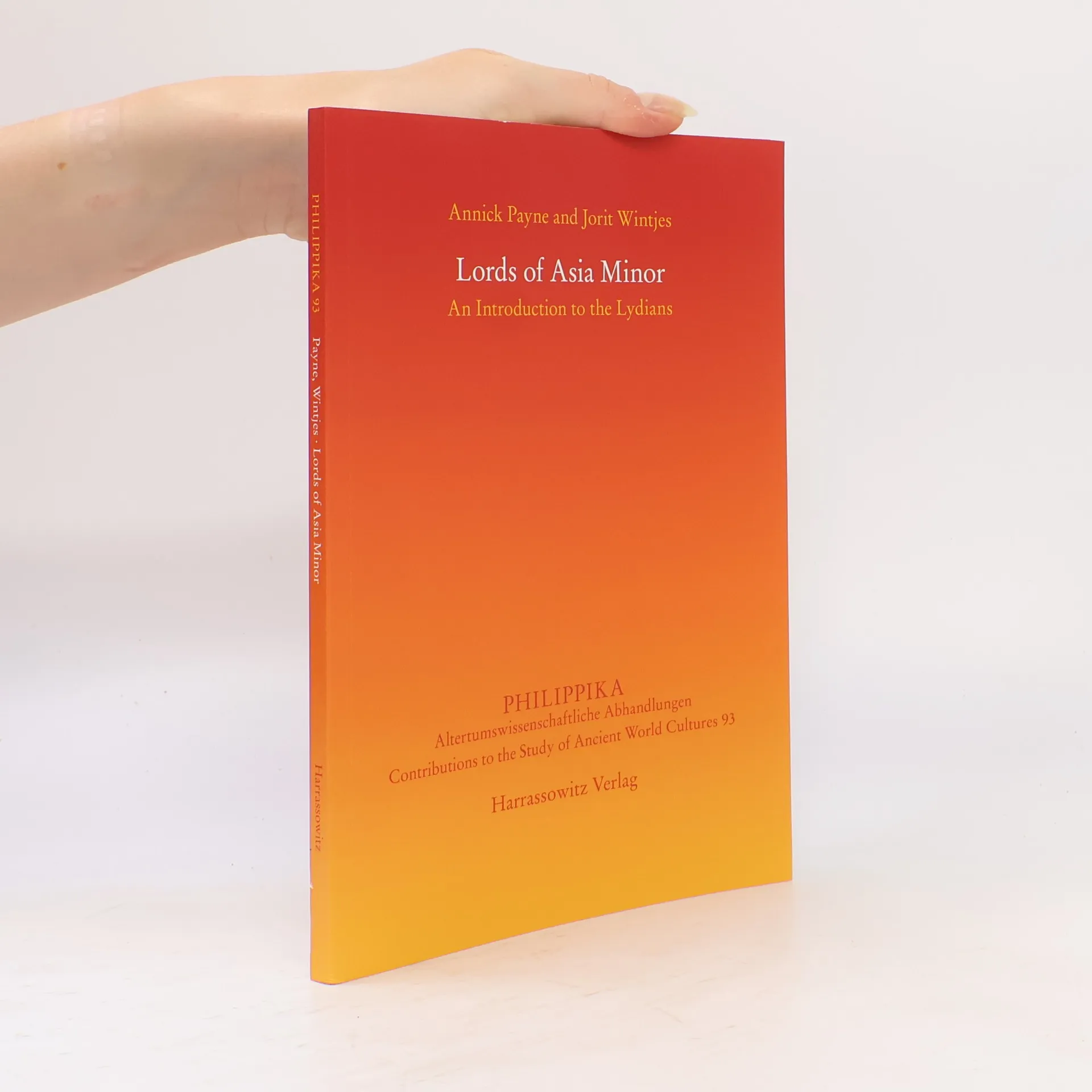
    Philippika - 93: Lords of Asia Minor
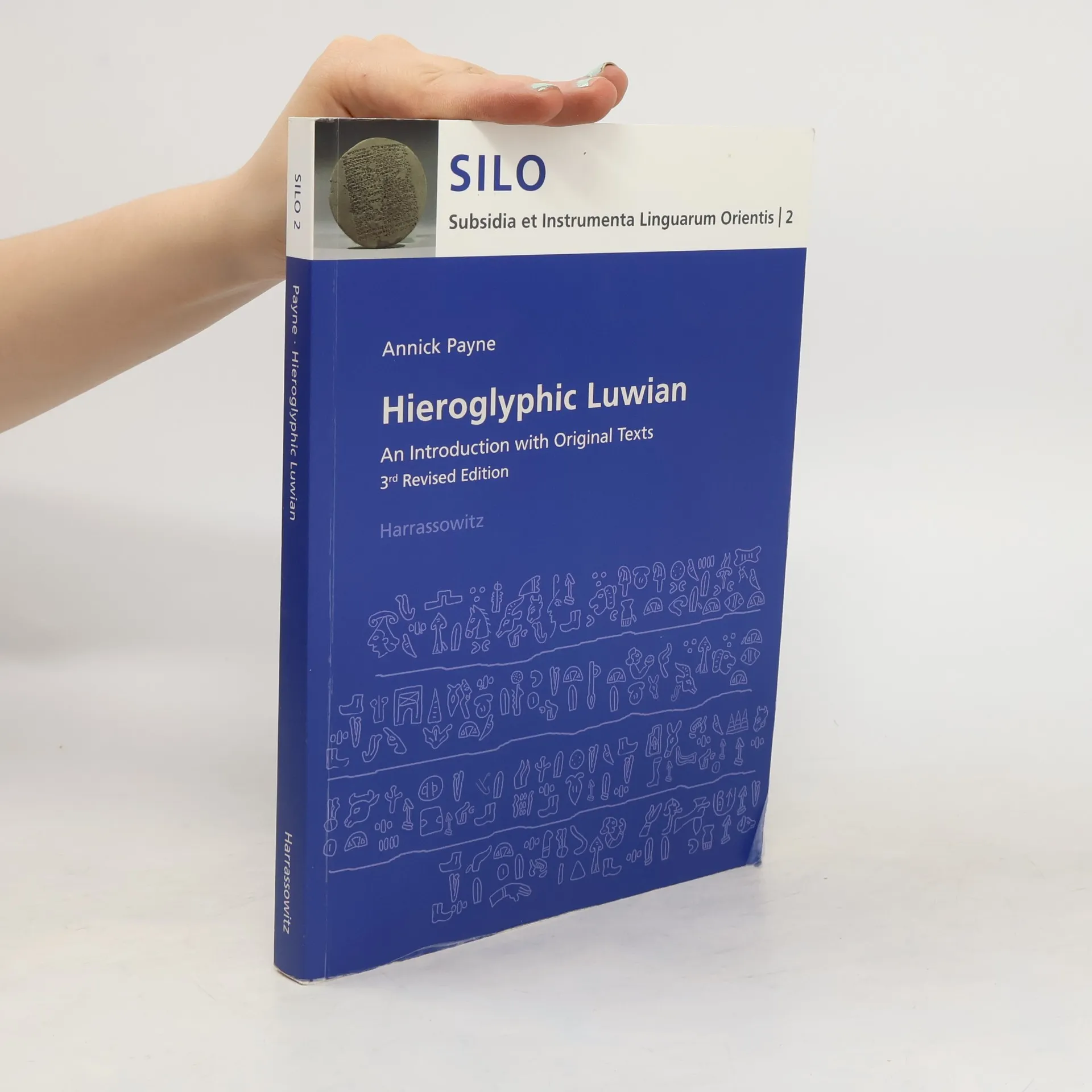
    Hieroglyphic Luwian
    • Hieroglyphic Luwian

      An Introduction with Original Texts Third revised edition

      • 231pages
      • 9 heures de lecture

      This book has been written for beginners studying on their own and assumes no prior knowledge of the subject. It begins with the history of the language and its discovery and decipherment up to the present day. It contains a clearly structured concise grammar which offers much original material on Luwian syntax. Twelve reading exercises introduce the basic grammatical principles and are carefully graded to allow the reader to build up a knowledge of common signs and vocabulary as well as giving a broad introduction to Hieroglyphic Luwian literature. Grammatical analysis, commentary, vocabulary notes and a revision section accompany each text. Additionally, the book includes the most extensive up-to-date vocabulary available and a complete sign list. Both will serve the reader as invaluable tools for any further study of the subject.

      Hieroglyphic Luwian
      5,0
    • Philippika - 93: Lords of Asia Minor

      An Introduction to the Lydians

      • 145pages
      • 6 heures de lecture

      The Lydians, speakers of an ancient Indo-European language, ruled Western Asia Minor under the Mermnad dynasty during the 7th and 6th centuries BC. The last Mermnad king, Croesus, is often regarded as a symbol of immense wealth. Beyond Croesus, the Lydians are renowned for inventing coinage and for their significant presence in Graeco-Roman literature, especially in Herodotus's writings, which influenced later artistic works like Friedrich Hebbel’s tragedy and Alexander Zemlinky’s opera. Primary knowledge of the Lydians comes from archaeological findings, as the native Lydian texts are limited, and later sources may reflect bias. This volume integrates contemporary historical, linguistic, and archaeological research to explore various topics, including Lydian history, language, writing, money, religion, and burial customs, while also addressing how Lydia has been perceived throughout history. It serves as a modern introduction to the Lydians, complete with extensive bibliographical references for further exploration, targeting both general readers and scholars. The focus is particularly on reinterpreting available texts in light of recent advancements in the study of ancient Anatolian civilizations.

      Philippika - 93: Lords of Asia Minor