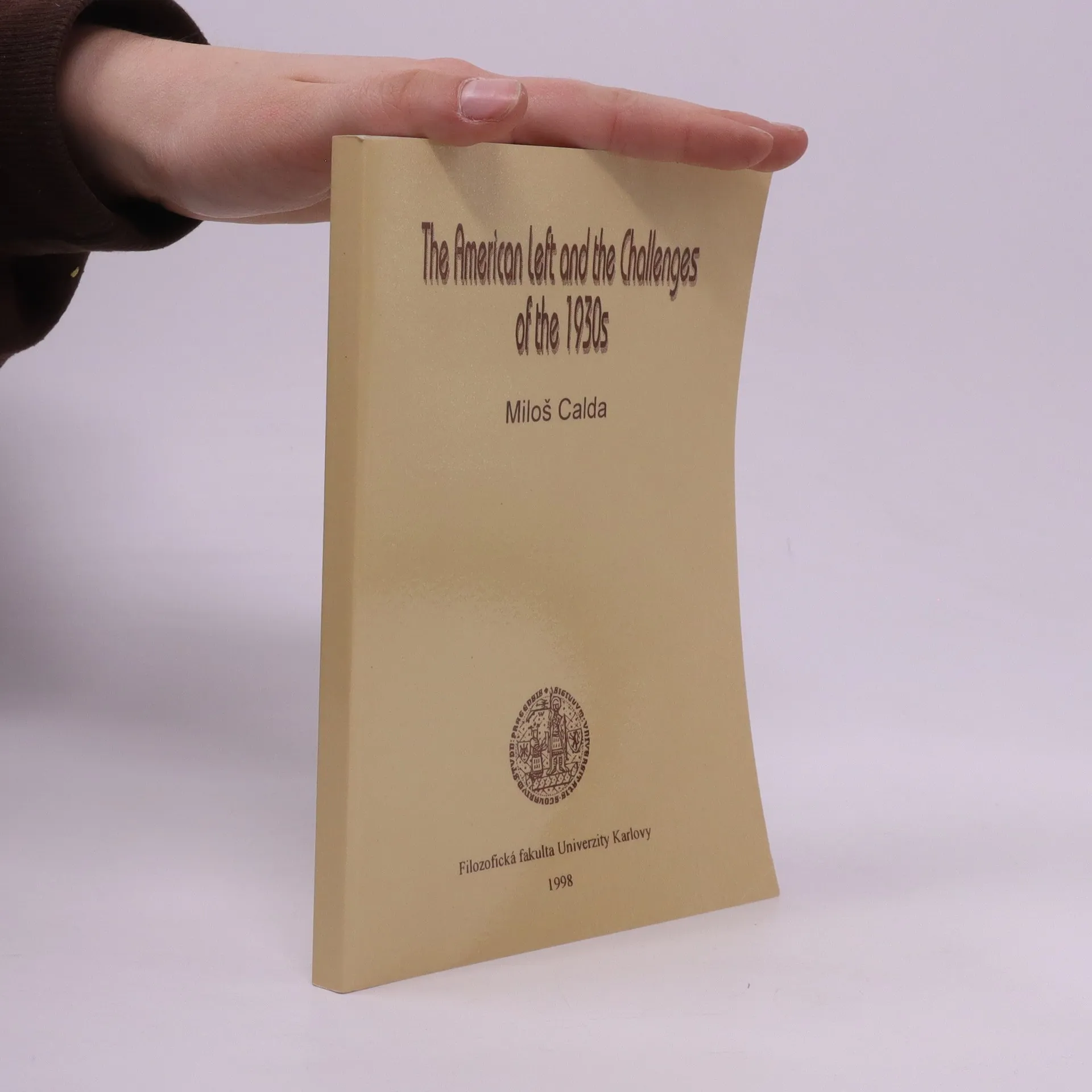
The American left and the Challenges of the 1930s
- 186pages
- 7 heures de lecture



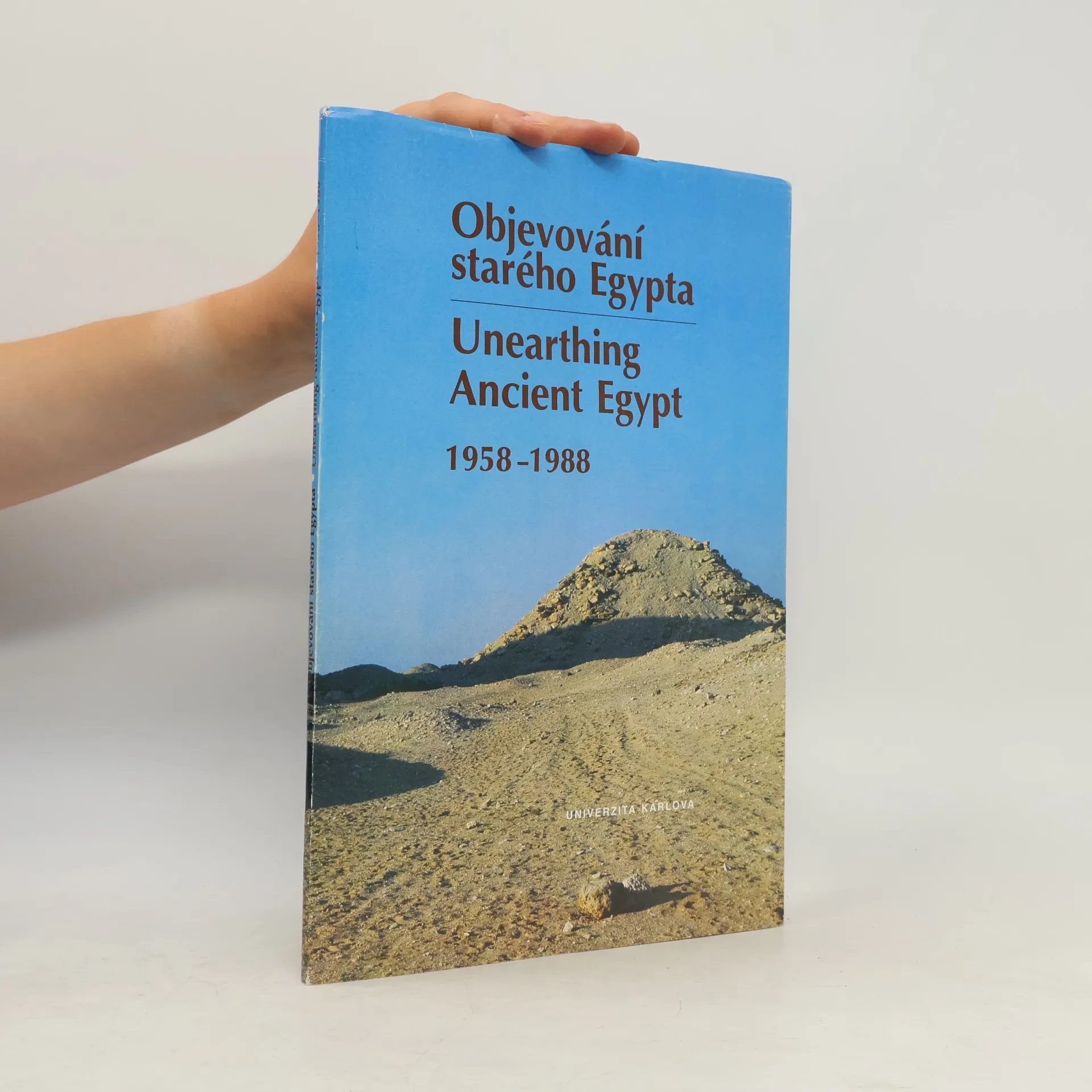
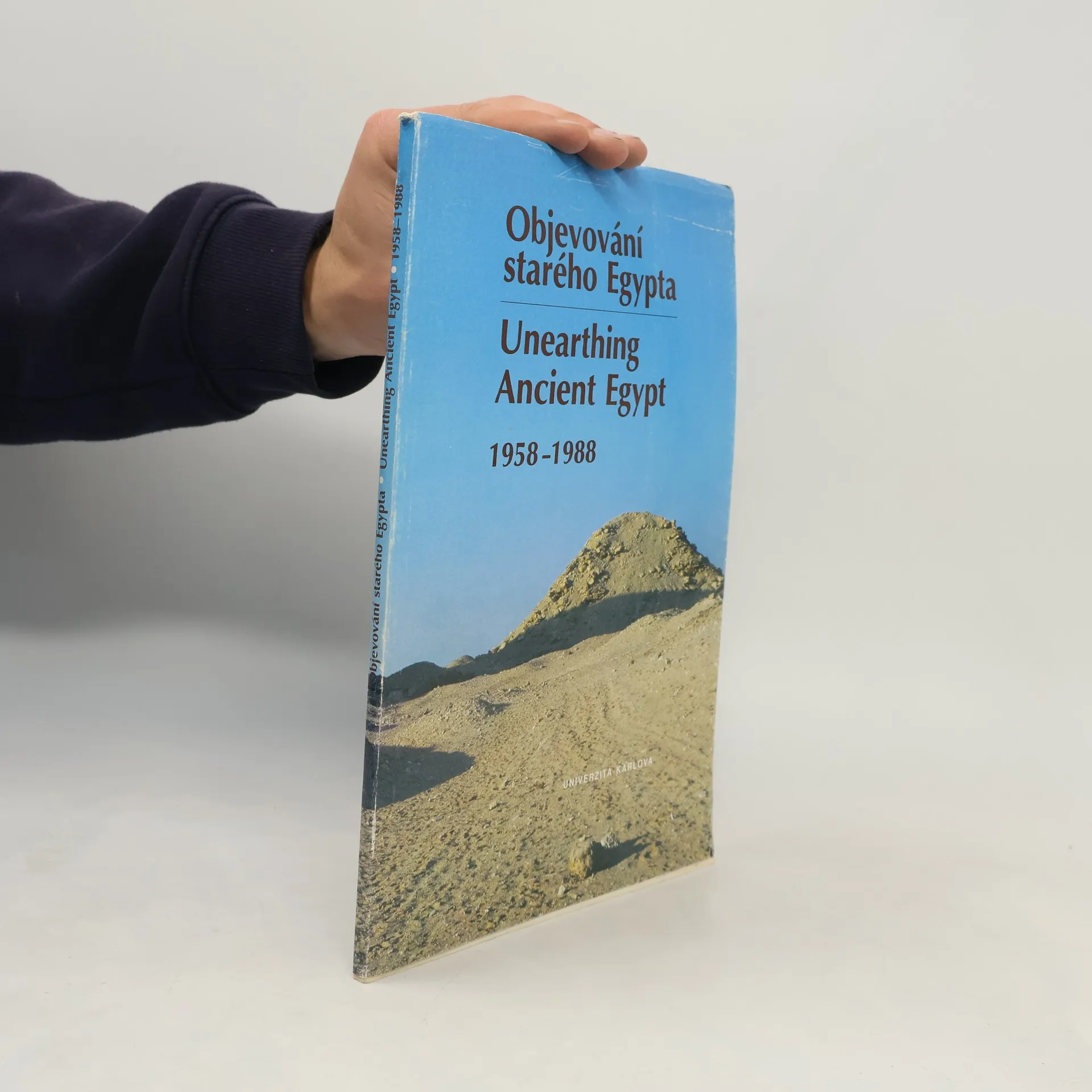
Velkoformátová česko - anglická publikace bilancuje práci Československého egyptologického ústavu Univerzity Karlovy v Egyptě v letech 1958 až 1988. Obsahuje příspěvky: M. Verner: Mezinárodní akce UNESCO na záchranu památek Núbie, M. Verner: Ptahšepsesova mastaba v Abúsíru, M. Verner: Jižní pole v Abúsíru, L. Bareš: Přehled československých egyptologických expedic do EAR, B. Vachala: Bibliografie československých egyptologických prací 1958-1988
Presented in both Czech and English this book commemorates work by the Czech Institute of Egyptology in Egypt between 1958 and 1988. The topics covered are: The international UNESCO campaign to save the monuments of Nubia; work at the Mastaba of Ptahshepses at Abusir; work in the South Field at Abusir; an overview of Czech Egyptological Expeditions and a bibliography of Czech Egyptological publications.
"Oleg Gordievsky was a spy of principle, a child of the KGB who would turn his back on the hypocrisy of Soviet Communism. As he rose through the KGB ranks, he was secretly working for MI6, the British intelligence service, providing critical information that foiled Soviet plots, exposed their spies, and ultimately avoided catastrophic nuclear escalation between the great powers. MI6 fiercely guarded Gordievsky's identity, even from President Ronald Reagan and the CIA. But the American spy agency, was bent on discovering the British source, unaware that their head of counterintelligence--Aldrich Ames--was secretly spying for the Soviets. A riveting story of Cold War intrigue, The Spy and the Traitor finds 'master storyteller' (San Francisco Chronicle) Ben Macintyre at his thrilling best"--Back cover
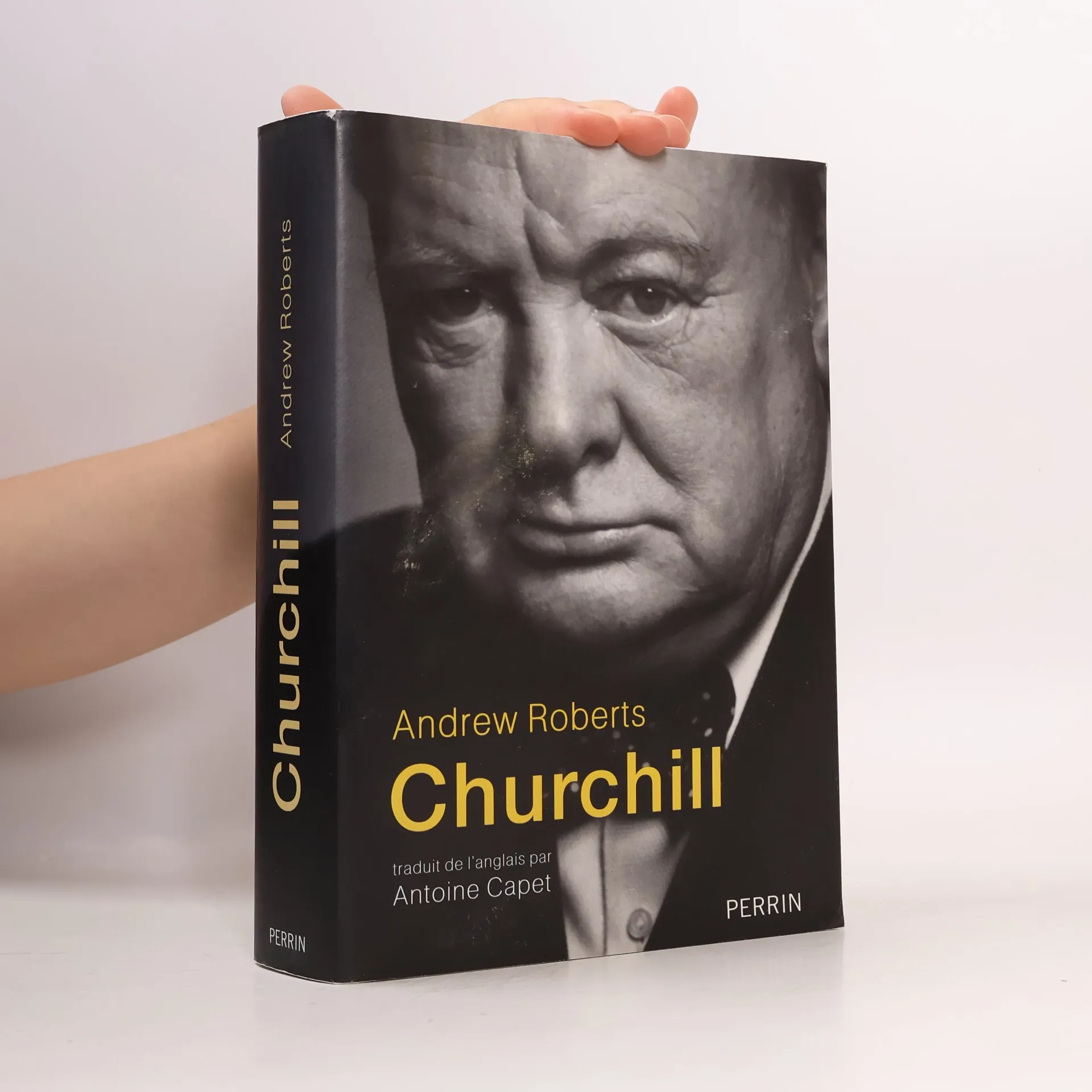
La meilleure biographie de Churchill, abondée de documents inédits. De Churchill, croit-on, tout a été dit – en premier lieu par lui-même. Et pourtant, Andrew Roberts est parvenu à exhumer des articles de presse, des correspondances privées, des journaux intimes – le moindre n’étant pas celui du roi Georges VI, jusque-là sous clé – qui ne figurent dans aucune des mille biographies environ déjà consacrées à ce personnage essentiel de la Grande-Bretagne et du XXe siècle. Tout cela lui permet de proposer un récit extrêmement enlevé, fondé sur une abondance de citations désormais « classiques », mais également souvent peu connues voire inédites qui apportent une éclairage parfois convergent, parfois contrasté sur l'homme Churchill. Démêlant le vrai du faux, tordant le cou aux nombreux mythes voire aux calomnies qui lui collent à la peau, mais relevant les critiques justifiées dont il est loin d’être exempt, Roberts brosse avec maestria le portrait de ce « Vieux Lion » dont toute la vie avant 1940 n’a fait que préparer le grand œuvre que demeurent ses années de guerre. Il livre là ce qui est sans doute la meilleure biographie de ce géant de l’histoire.
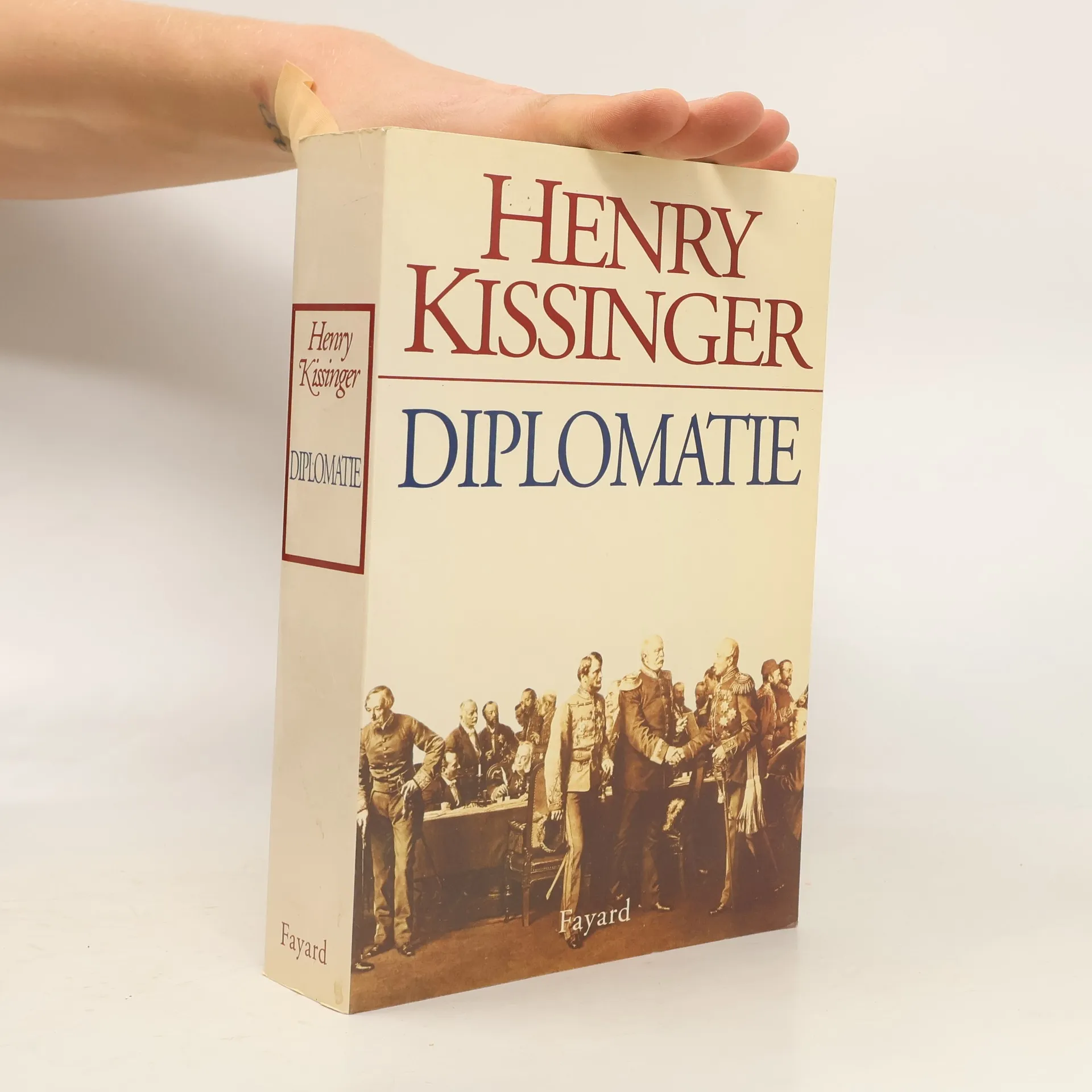
Une histoire de la diplomatie du 17e siècle à nos jours.
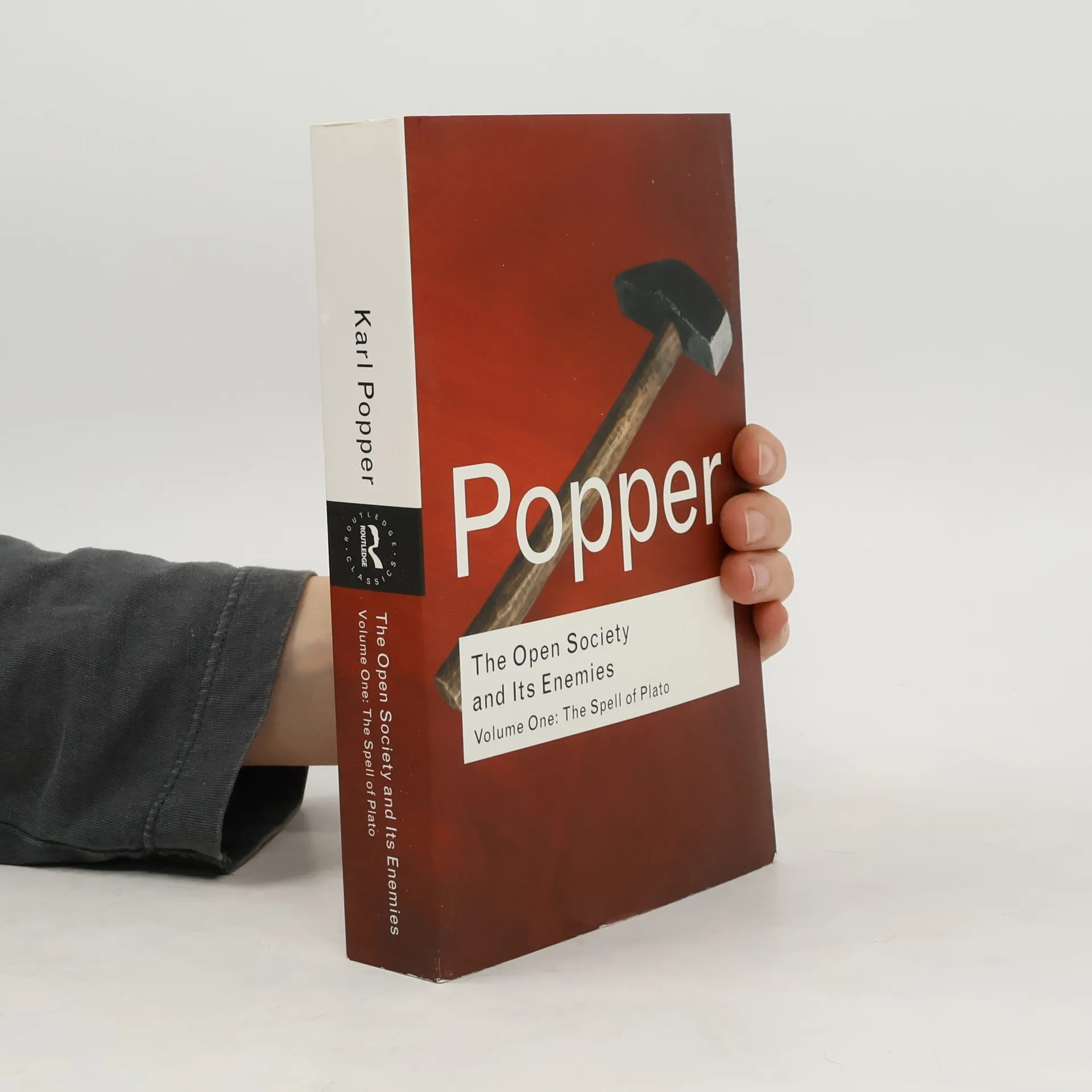
Popper was born in 1902 to a Viennese family of Jewish origin. He taught in Austria until 1937, when he emigrated to New Zealand in anticipation of the Nazi annexation of Austria the following year, and he settled in England in 1949. Before the annexation, Popper had written mainly about the philosophy of science, but from 1938 until the end of the Second World War he focused his energies on political philosophy, seeking to diagnose the intellectual origins of German and Soviet totalitarianism. The Open Society and Its Enemies was the result. In the book, Popper condemned Plato, Marx, and Hegel as "holists" and "historicists"--a holist, according to Popper, believes that individuals are formed entirely by their social groups; historicists believe that social groups evolve according to internal principles that it is the intellectual's task to uncover. Popper, by contrast, held that social affairs are unpredictable, and argued vehemently against social engineering. He also sought to shift the focus of political philosophy away from questions about who ought to rule toward questions about how to minimize the damage done by the powerful. The book was an immediate sensation, and--though it has long been criticized for its portrayals of Plato, Marx, and Hegel--it has remained a landmark on the left and right alike for its defense of freedom and the spirit of critical inquiry.
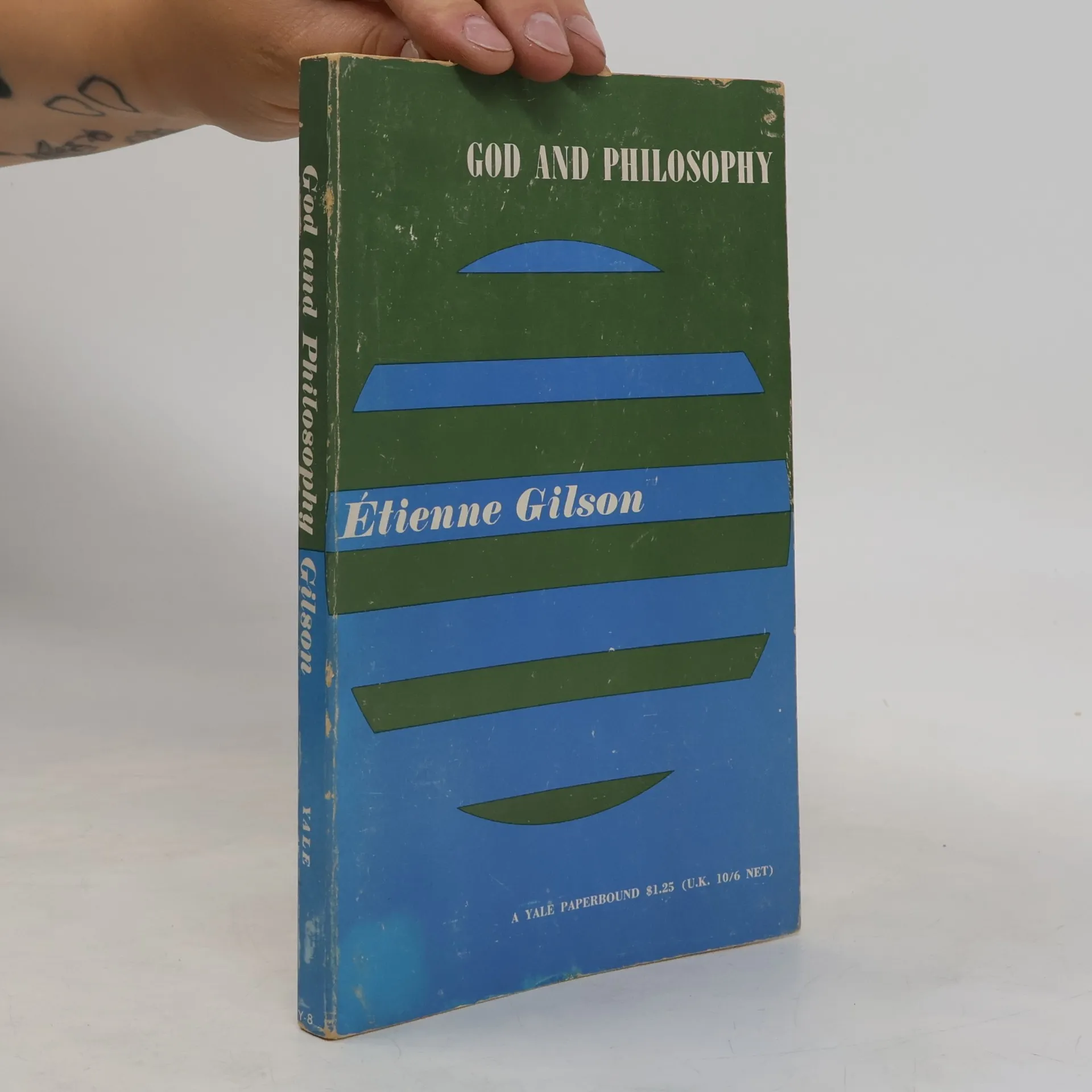
In this work, the Catholic philosopher Etienne Gilson deals with one of the most important and perplexing metaphysical problems: the relation between our notion of God and demonstrations of his existence.
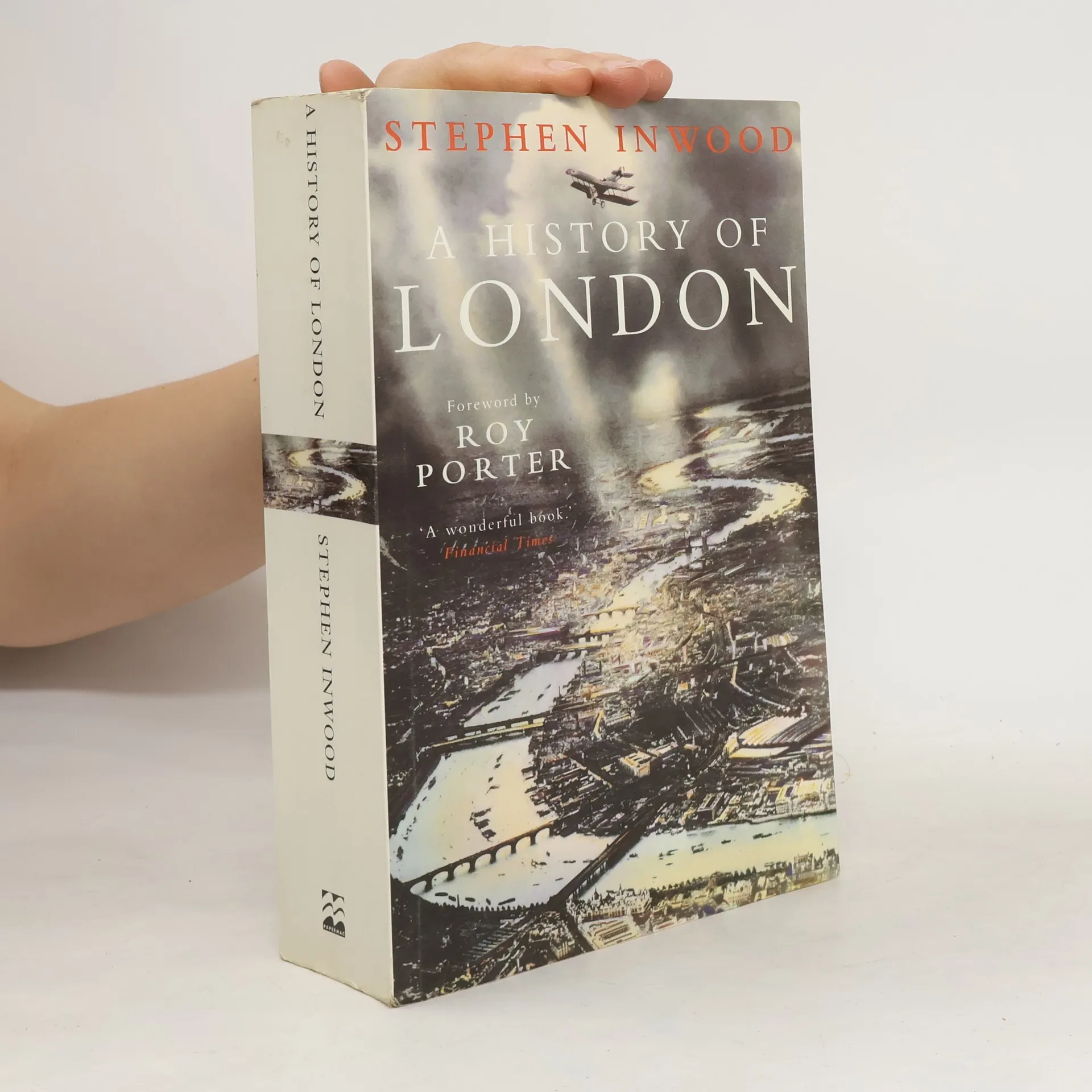
Stephen Inwood has written a compelling and comprehensive history of this incredibly unique and complicated city, from the fires and plundering of latterday Londinium to the frenetic art, music and politics of London's last 30 years. This is the updated paperback edition. "Inwood's book has it all, so much so that, coming to the end, the reader wants to start over again." - "Sunday Times". "An utterly winning work, erudite yet entertaining...This is a wonderful book." - "Financial Times". "Inwood proves himself a heroic reader, absorbing and filtering all that is to be known about a city for which he has a genuine and abiding affection." - "Daily Telegraph". "As sprawling and richly textured as London itself." - "Independent".
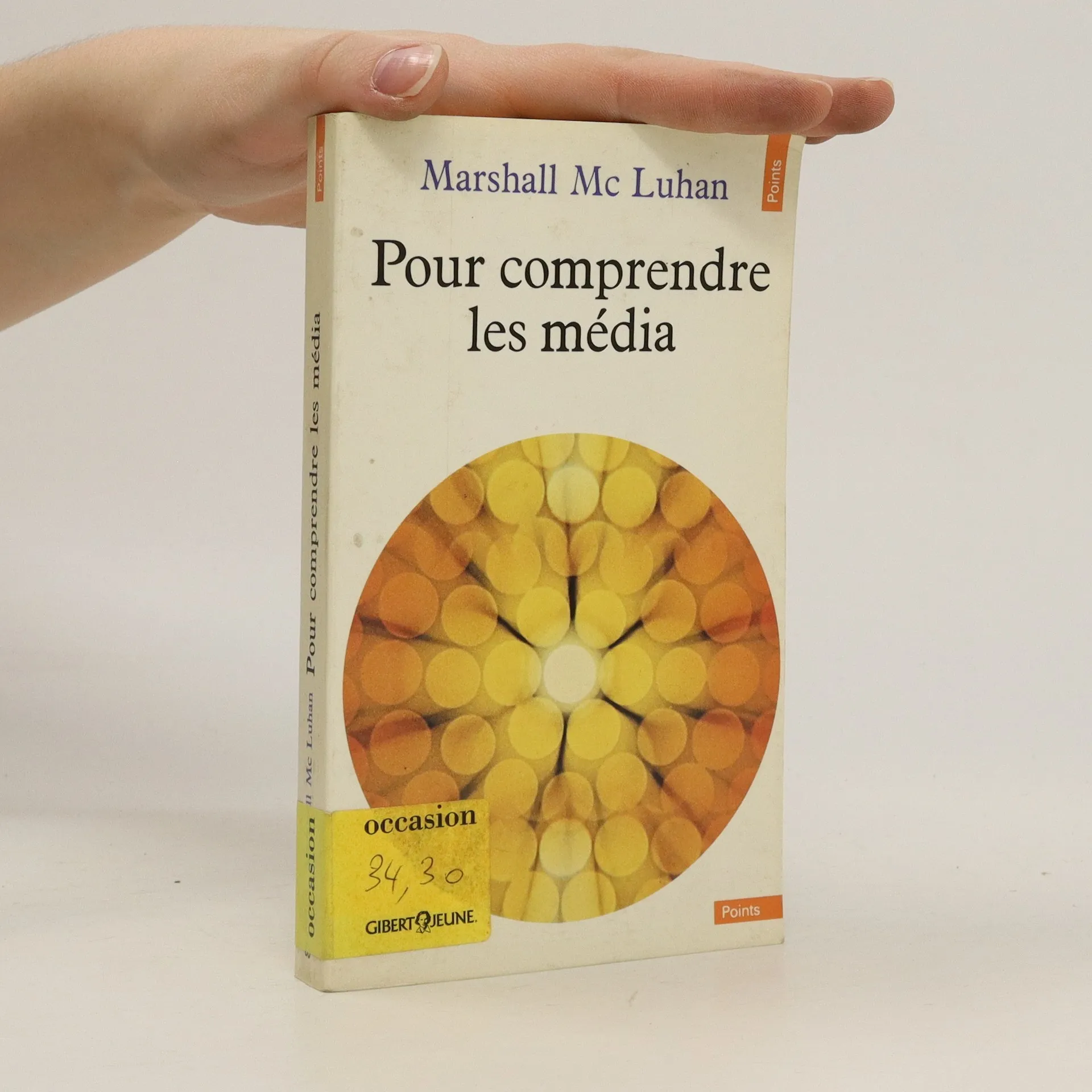
Le fait essentiel de la communication, c'est la communication elle-même et ses " média " (langage, argent, imprimé, mode, télévision ou cybernétique), plutôt que le message communiqué. Le "message", c'est à dire le contenu de la communication, n'est qu'un leurre qui détourne l'attention pendant que le "médium" exerce une action d'autant plus profonde qu'elle nous échappe. Cet ouvrage analyse d'une façon intuitive et parfois familière la nature des technologies qui constituent notre "environnement"; elles sont les prolongements de nos organes physiques et de notre système nerveux, destinés à en accroître la force et la rapidité. "Nous sommes tout à coup désireux de voir les gens et les choses se montrer tels qu'ils sont. Il faut voir dans cette attitude nouvelle une foi profonde en l'harmonie fondamentale de tout l'être. C'est avec cette foi que j'ai écrit le livre que voici". Marshall Mc Luhan
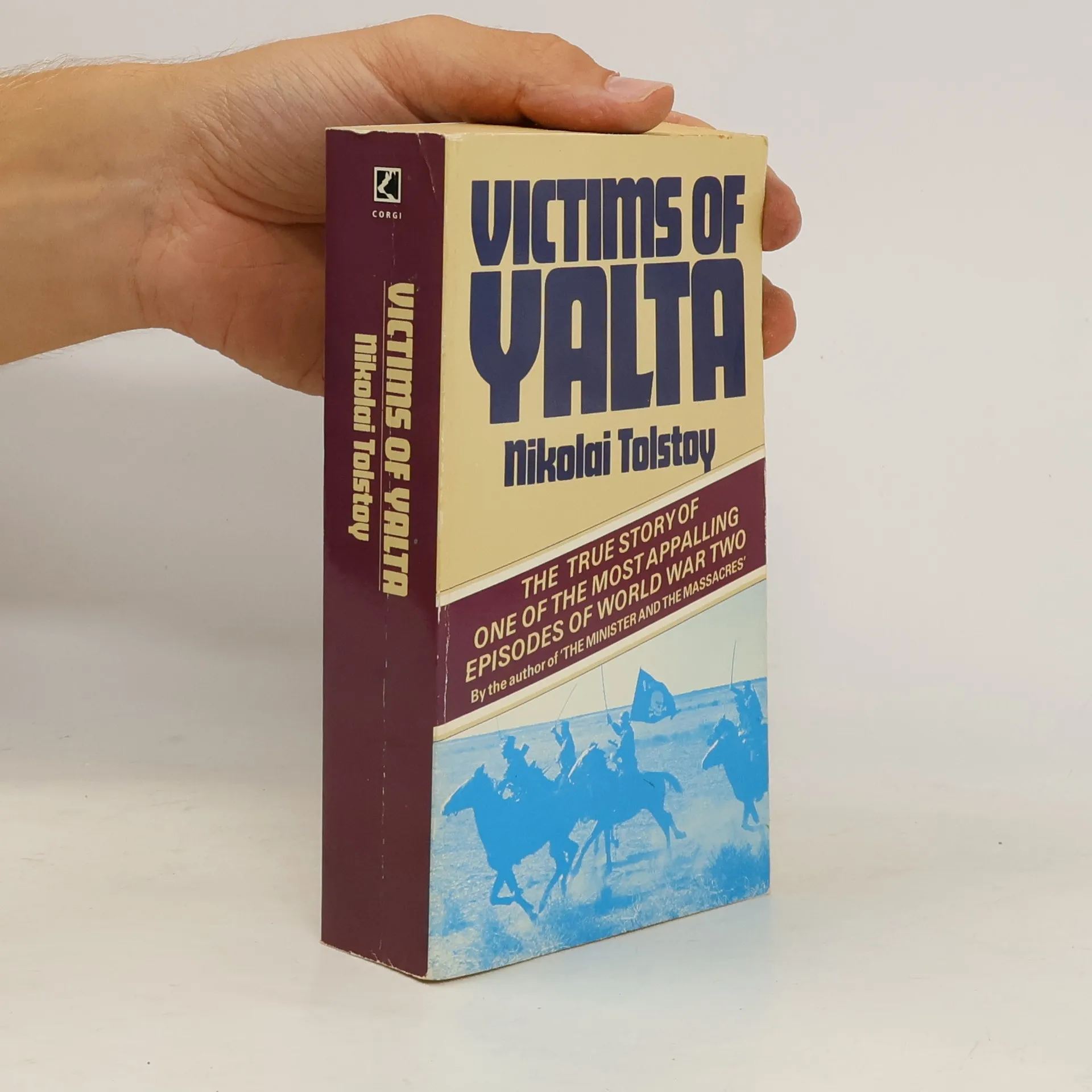
The True Story of One of the Most Appalling Episodes of World War Two
Stalinova "vojevůdcovská" nezpůsobilost vehnala v průběhu druhé světové války do německého zajetí miliony vojáků. Jeho nelítostná decimace všech vrstev národa, dokonce celých komunit, vedla generála Vlasova k rozhodnutí vytvořit armádu, která by ze dvou zel - Stalin a Hitler - porazila nejprve to větší, kterým se mu jevil Stalin. Stalin například po celou válku nepřistoupil k haagským konvencím o zacházení s válečnými zajatci a svým odmítavým postojem tak nepřímo způsobil tragický osud zajatců. Kromě vlasovců se proti bolševismu postavil také národ kozáků. Další skupinou stojící proti Stalinovi byli někteří příslušníci rozsáhlé bílé emigrace, jejichž potomci se mnohdy narodili již na Západě. Vedle nich se na konci války ocitlo v britském zajetí mnoho protikomunistických Jugoslávců. Více než dva miliony těchto lidí byly v letech 1944-1947 násilně navráceny do Sovětského svazu - podle dohod, jež Britové a Američané se Stalinem stvrdili na konferenci v Jaltě - v rozporu s řadou britských zákonů a ustanovení mezinárodního práva. Osudem těchto ubožáků byla buď okamžitá smrt zastřelením po návratu, či pomalejší umírání v táborech Gulagu. Vyvázli jen nemnozí......
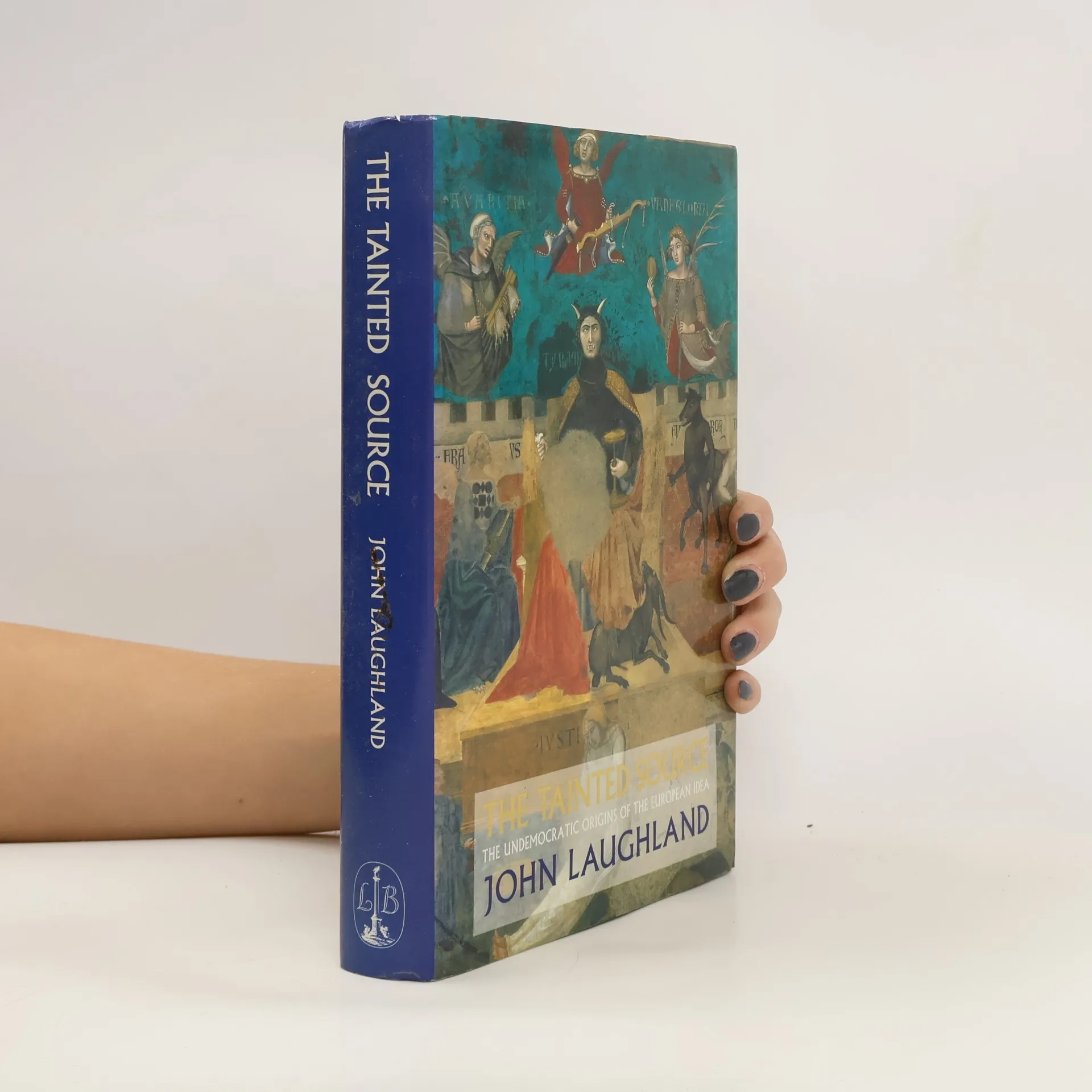
This text provides a broad and deep analysis of the underlying assumptions governing modern European politics, and of the way European union works in reality. It argues that the plans to integrate Western Europe around a single currency are dangerous for democracy and the rule of law. It also contends that Western policy towards Eastern Europe and Russia is similarly misguided, and that the current drift will only encourage the hegemony of Russia over the West. John Laughland shows how the European idea was warmly embraced by Fascists and Nazis during World War II - especially in France, Germany and Belgium. He reiterates the essential link between free trade on the one hand, and democratic politics, nationhood and the rule of law on the other.
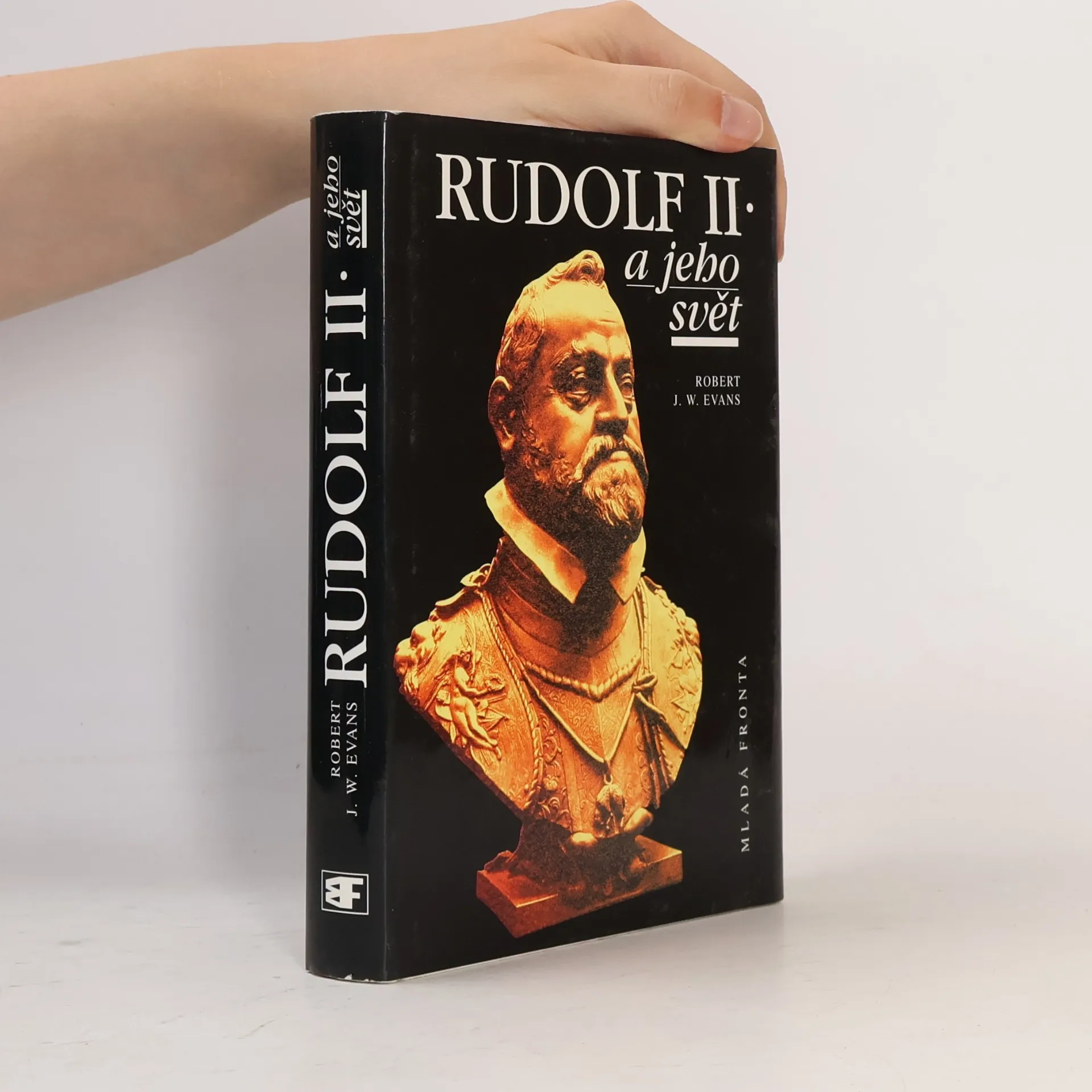
Podnázev: Myšlení a kultura ve střední Evropě 1576-1612 Středoevropská kultura rudolfínského období, obzvláště česká, a intelektuální počátky moderních dějin.
Shares the story of the author's family and upbringing, describing how they moved from poverty to an upwardly mobile clan that included the author, a Yale Law School graduate, while navigating the demands of middle class life and the collective demons of the past.
Charles Parnell Cassidy is an Australian politician cast in the traditional Irish-Catholic mold of rhetoric, dynasty, and influence-peddling. Martin Gregory is the moral and disenchanted protege who married Cassidy's daughter, went to Europe, became a success on his own merits, and scorned his father-in-law. When the terminally ill Cassidy appears in London to die, he makes Gregory the executor of his legal estate and sets a complex trap by offering him the keys to a vast empire of wealth and corruption spanning Australia and Southeast Asia. With Cassidy's evil influence ever present, Gregory tries to unravel the complications of the old man's estate, obligations, and debts, while struggling with his own ambition and the security of his family. A powerful story from a master storyteller.