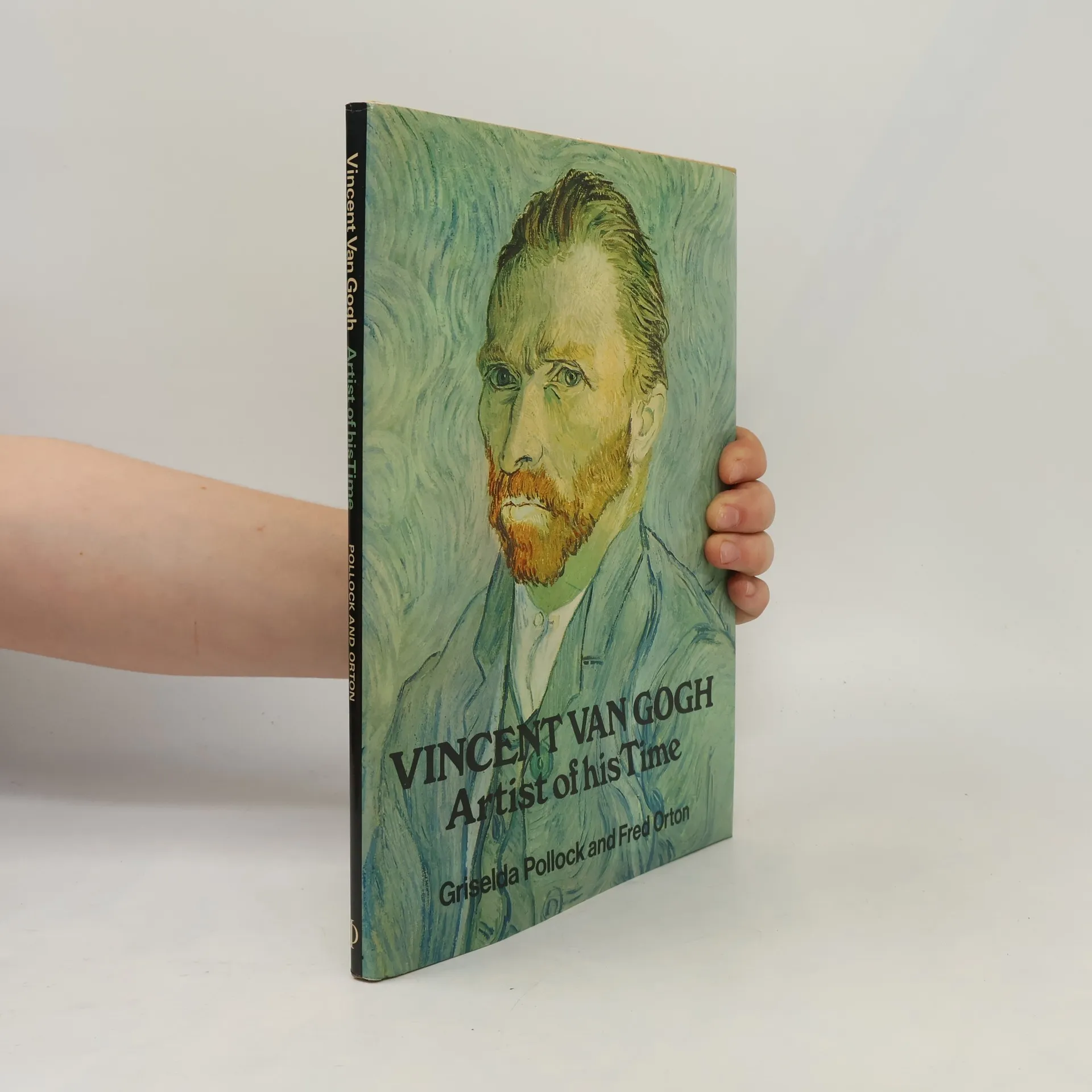
Griselda Pollock presents a critical exploration of feminist art history, tackling the contentious issue of the Old Masters' canon. She examines whether this traditional framework should be entirely dismissed, transformed, or restructured to better reflect women's contributions and perspectives in art. Through her analysis, Pollock challenges established narratives and advocates for a more inclusive understanding of art history that recognizes diverse voices and experiences.
Griselda Pollock Livres
Griselda Pollock est une théoricienne visuelle et une analyste culturelle pionnière, réputée pour ses contributions aux études féministes postcoloniales dans les arts visuels. Elle est célébrée pour ses approches théoriques et méthodologiques innovantes, qu'elle intègre habilement à des analyses perspicaces de l'art, du cinéma et de la théorie culturelle historiques et contemporains. Son travail offre une lentille critique et analytique pour comprendre des phénomènes artistiques et culturels complexes, ce qui en fait une voix importante dans la critique d'art.

After-Affects After-Images
Trauma and Aesthetic Transformation in the Virtual Feminist Museum
- 416pages
- 15 heures de lecture
Exploring the relationship between art and trauma, this book delves into whether artists move away from or towards their traumas and how these experiences manifest in their work. It questions whether art can transform trauma without providing a complete resolution, focusing on the role of artists as both creators and interpreters of personal and collective histories. Additionally, it examines how viewers engage with artworks that carry the weight of trauma, seeking connections and transformations through these emotional and historical traces.
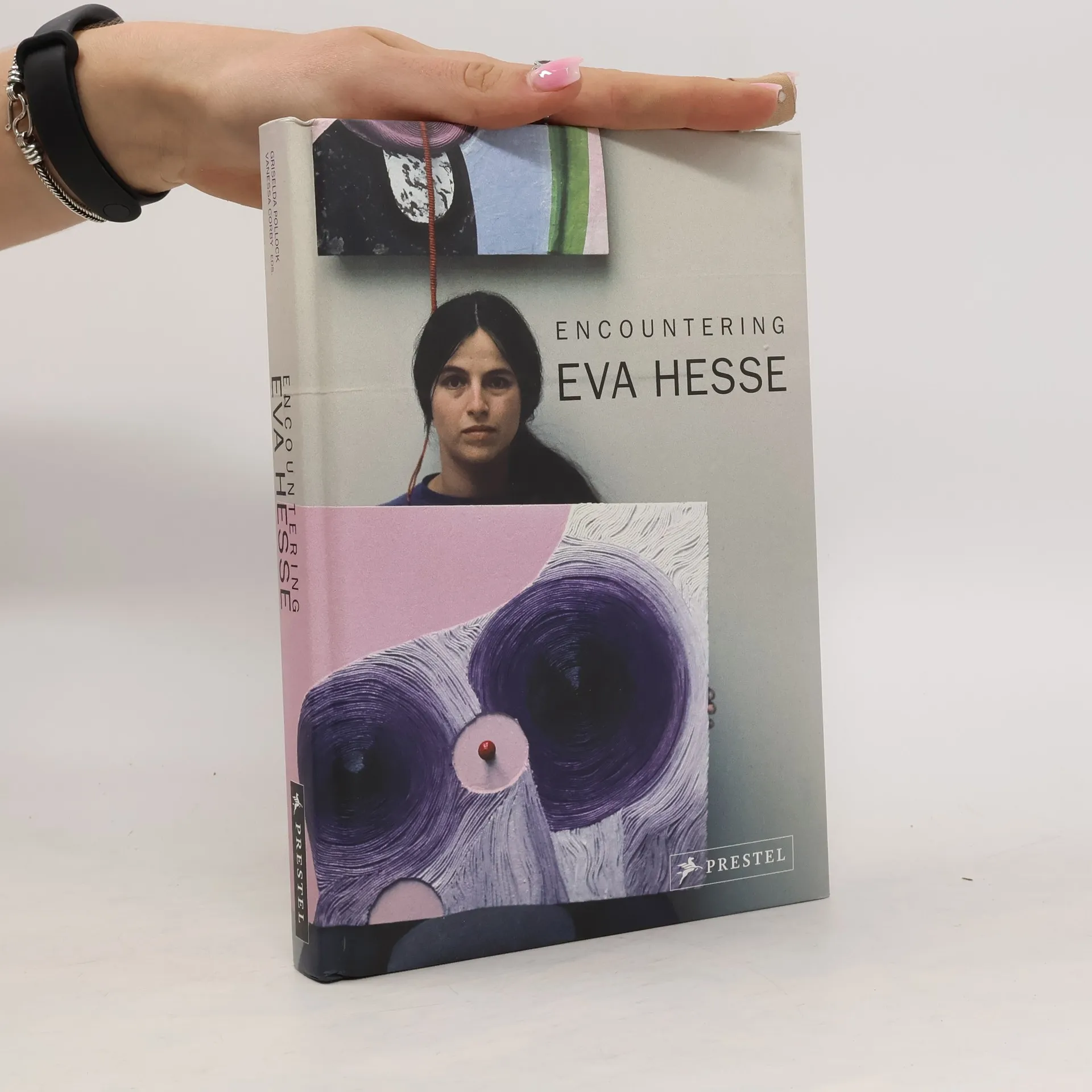
Encountering Eva Hesse
- 255pages
- 9 heures de lecture
Die jüdischstämmige Eva Hesse wurde 1936 in Deutschland geboren und kam im Alter von drei Jahren mit ihrer Familie in die USA. Nach dem Studium in Yale begann sie in den 1960er Jahren als Malerin und Bildhauerin zu arbeiten. Tragische Berühmtheit erlangte sie durch ihren frühen Tod mit 34, und erst in den letzten Jahren wird die Bedeutung Eva Hesses für die Kunstwelt des 20. Jahrhunderts erschlossen und gewürdigt. Das interdisziplinäre Autorenteam dieses Buches aus Künstlern, Museumsexperten und Kunsthistorikern führt den Leser an das vielseitige Lebenswerk dieser exotisch anmutenden Künstlerin heran und zeigt einen umfassenden Überblick über ihre Zeichnungen, Gemälde und fragilen Skulpturen sowie Fotos aus ihrem Studio und ihrem privaten Leben. Die facettenreiche Auswahl erlaubt eine neue Sichtweise auf ihr großes künstlerisches Vermächtnis und stellt einen wichtigen Beitrag zum Verständnis ihrer Arbeiten dar.
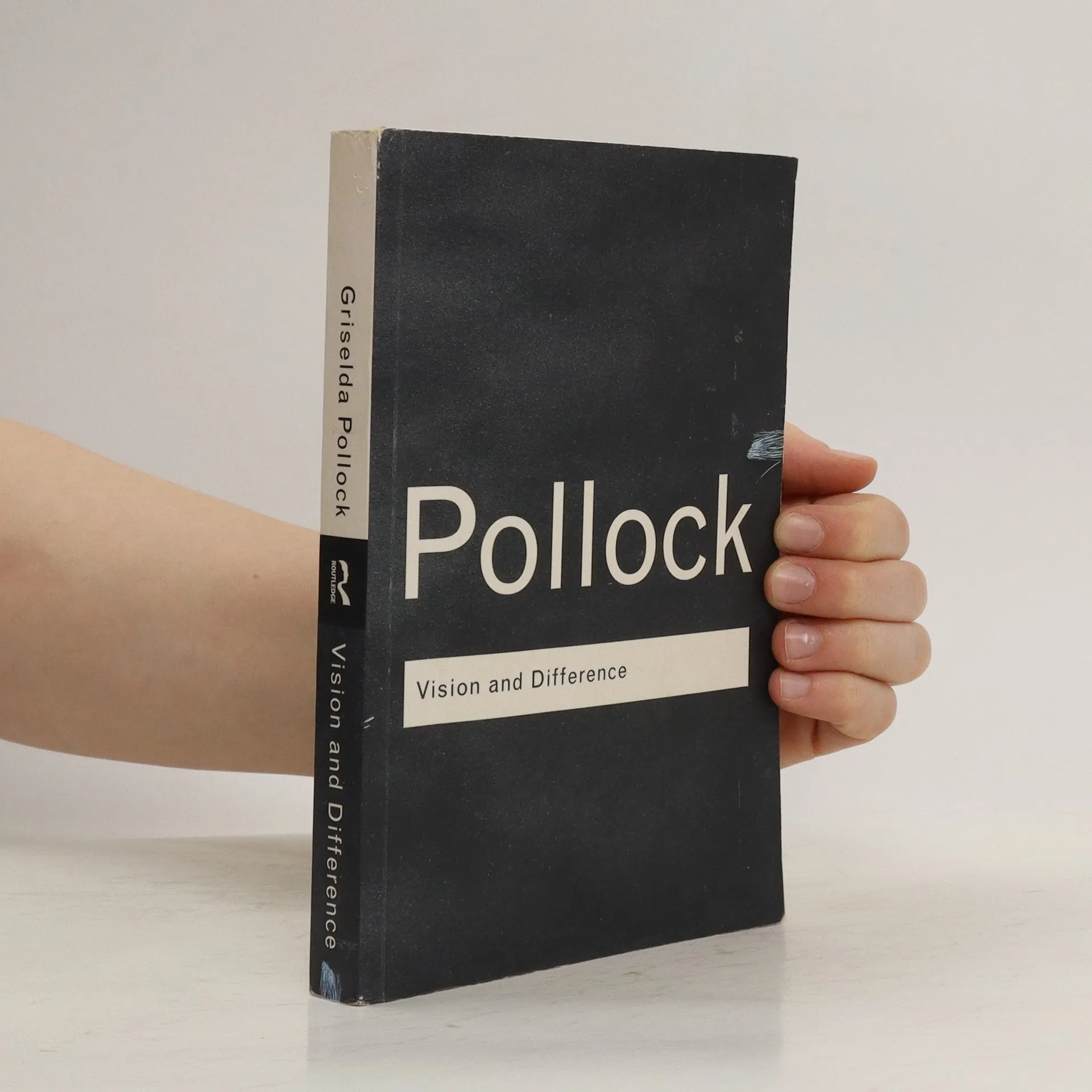
Vision and Difference
- 352pages
- 13 heures de lecture
Griselda Pollock provides concrete historical analyses of key moments in the formation of modern culture to reveal the sexual politics at the heart of modernist art, exploring the writings of Elizabeth Siddall, Mary Cassatt and Berthe Morisot.
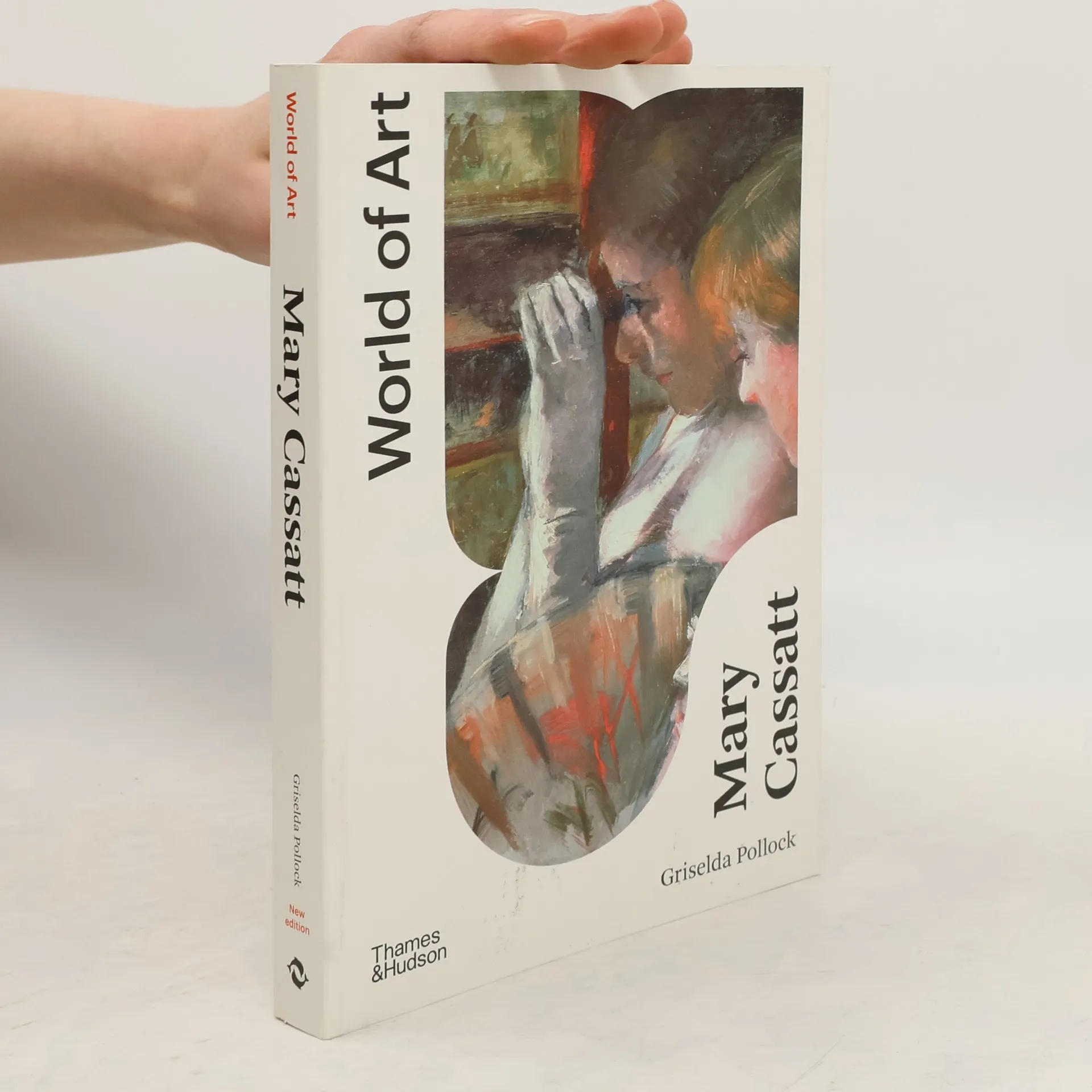
Mary Cassatt
- 280pages
- 10 heures de lecture
The definitive introduction to the artist Mary Cassatt, placing her work in the wider context of 19th-century feminism and art theory.
Griselda Pollock on Gauguin
- 120pages
- 5 heures de lecture
Griselda Pollock, feminist art historian and longstanding advocate of gender and racial inclusivity, unpacks the racist, sexist, and imperialist underpinnings of works created by Gauguin and others as they competed for preeminence in the European artistic avant-garde of the 1880s and '90s.