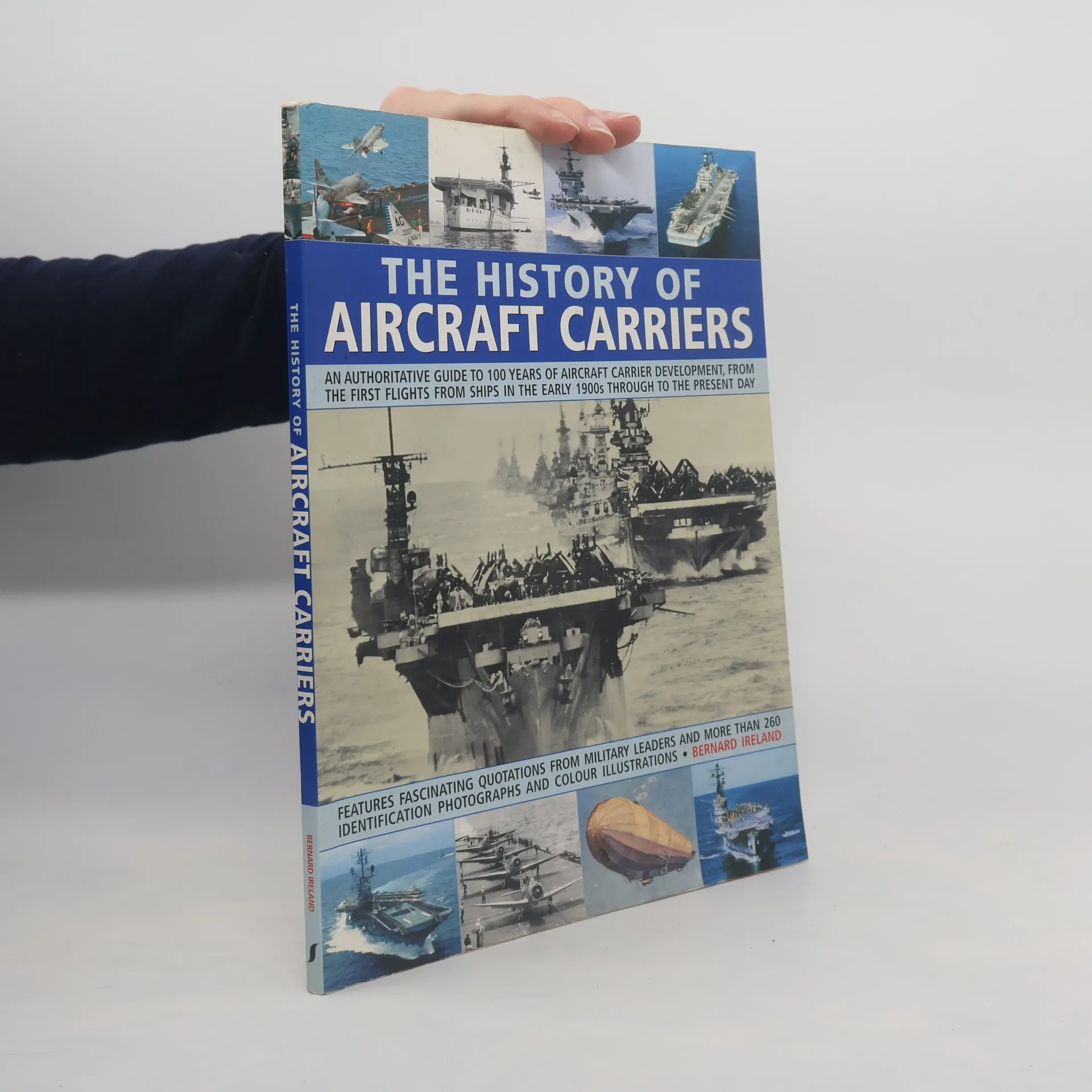
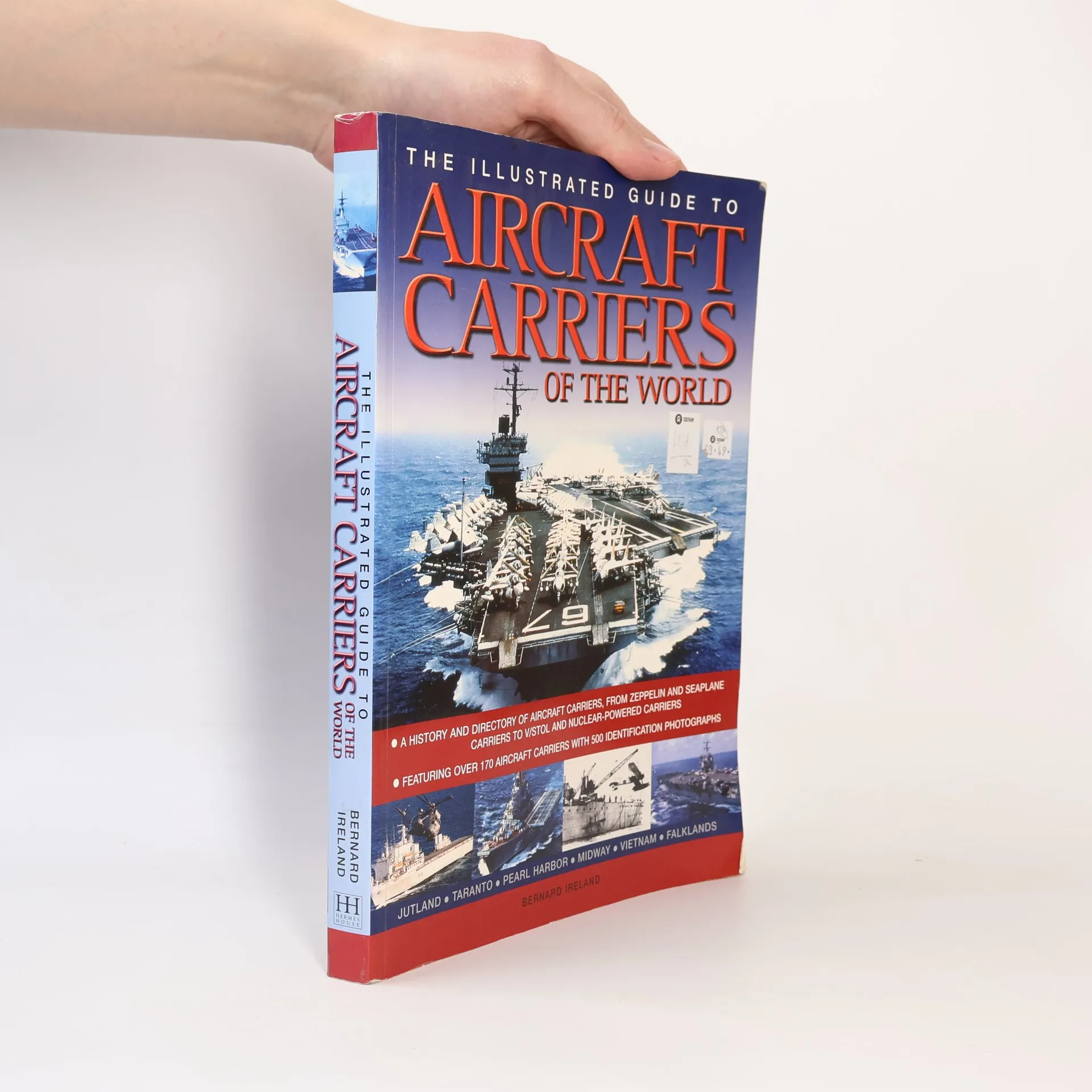
An Authoritative Guide to 100 Years of Aircraft Carrier Development, From the First Flights in the Early 1900s ... Shown in Over 260 Fascinating Photographs
96pages
4 heures de lecture
With magnificent illustrations, cutaway diagrams and historical paintings, this authoritative book provides both enthusiasts and historians with key information about the history of the aircraft carrier, and is an essential reference for everyone interested in naval aviation.
Providing the reader with a clear insight into how man has progressed from the first dug-out canoe to the great ocean liners and modern warships of today, this title studies historical voyages, advancements in technology with special features on key sea battles that changed the course of history, including Trafalgar, the Spanish Armada and Jutland.
Covers a period of the second World war that is of particular interest to
historians. Will appeal to readers of military, maritime and air publications.
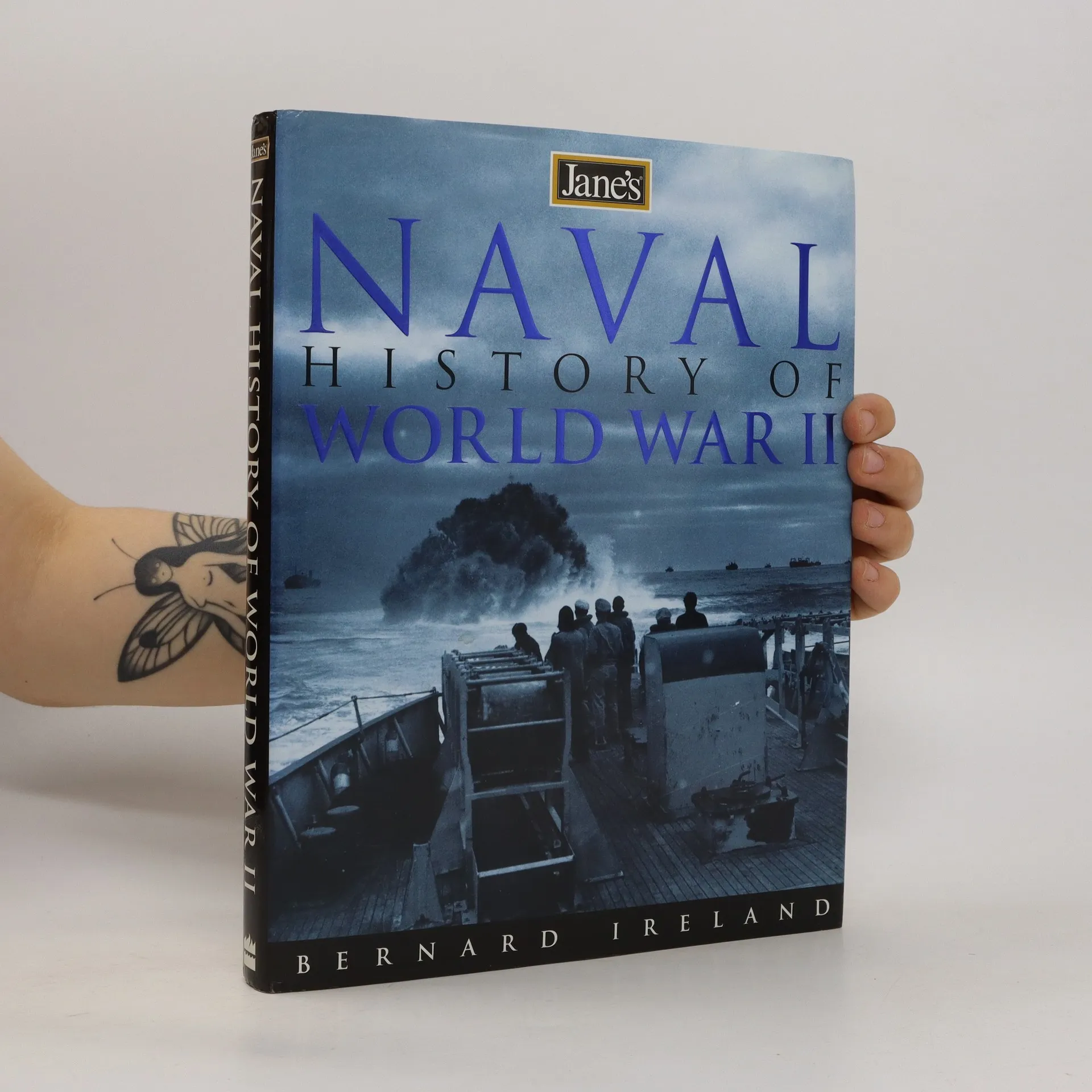
In Jane’s Naval History of World War II, he covers all the different types of warship that fought from the Atlantic and Arctic to the Pacific Ocean. From aircraft carriers to submarines, assault ships to destroyers and cruisers, his paintings bring to life the incredible variety of warships that took part in the greatest naval conflict in history.Naval historian Bernard Ireland offers new insights to the conflict, investigating how German U-boats ultimately lost the battle of the Atlantic while US submarines annihiliated Japan’s merchant navy. His own career in naval engineering enables him to reveal all sorts of hidden details that make Jane’s Naval History of World War II a radical new contribution to 20th century history.
100 Years of Jane's Fighting Ships - Centennial Edition
320pages
12 heures de lecture
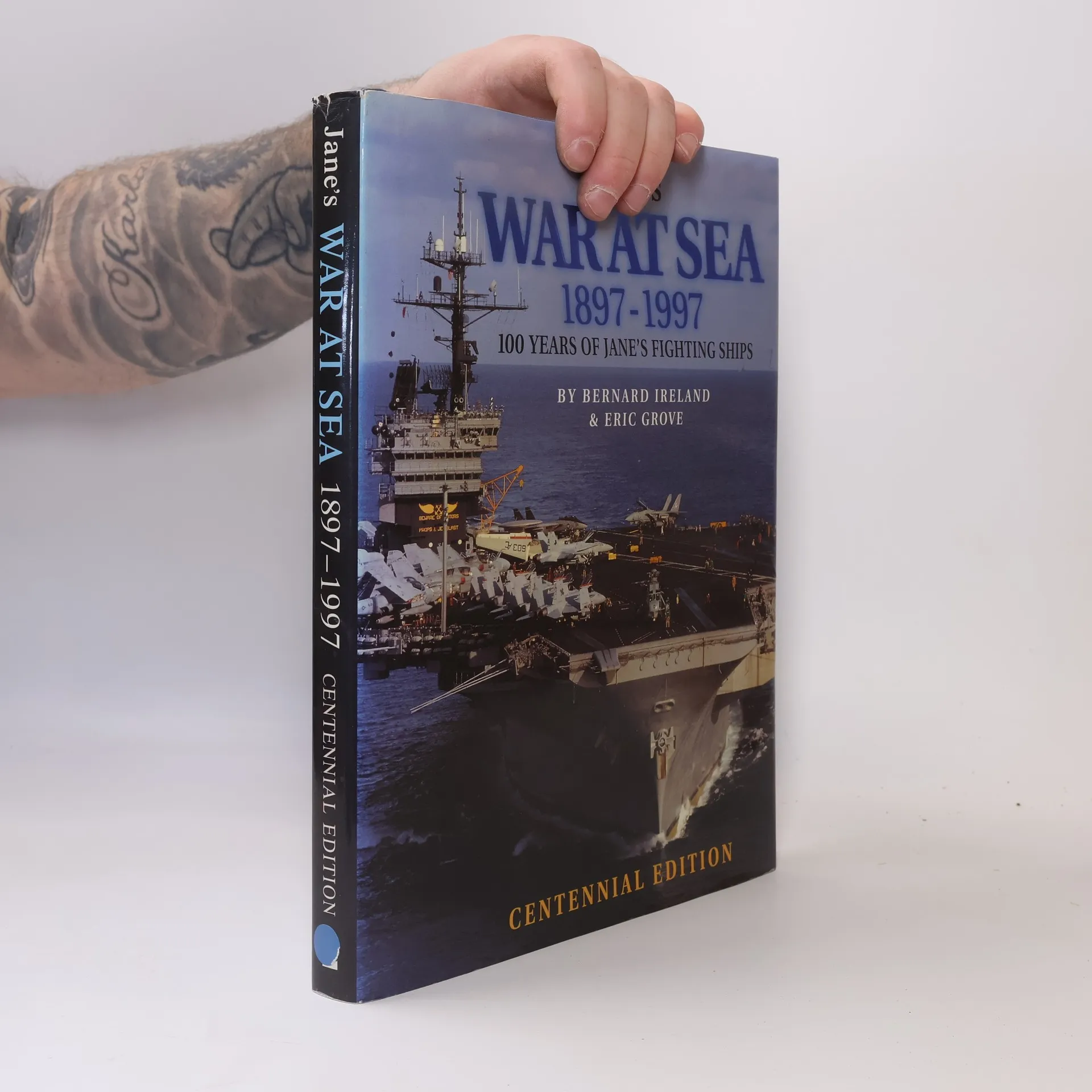
First published in 1897, Jane's All the Worlds Fighting Ships (later shortened to Fighting Ships ) established Jane's as the premier military publisher in the world. For 100 years, it has stood as the definitive guide to ship recognition and naval intelligence, and today this $300.00 publication is indispensable to more than 180,000 military and government readers. This centenary edition offers aficionados affordable access to Fighting Ships extensive archives of data and artwork. In its pages are photographs, descriptions, specifications, and schematics of the great warships that shaped history and captured people's imaginations, like the dreaded battleship Bismarck, the USS Ticonderoga, HMS Courageous, the Yamato, and the USS Enterprise. From the heyday of the ironclad to the era of the dreadnought battleships to the age of air power that made the carrier rule supreme, from the wolfpack U-boats to the ultra-stealthy nuclear boomers, this remarkable resource examines the evolution in warship design that occurred as a result of technological and tactical developments and reveals what the next generation of warships will look like. Featuring numerous articles by a fleet of leading naval officers and historians, including Admiral of the Fleet Sir Henry Leach (ret.), Jane's Fighting Ships, Centenary Edition is the ultimate reference for all military buffs and anyone interested in naval affairs or maritime history.
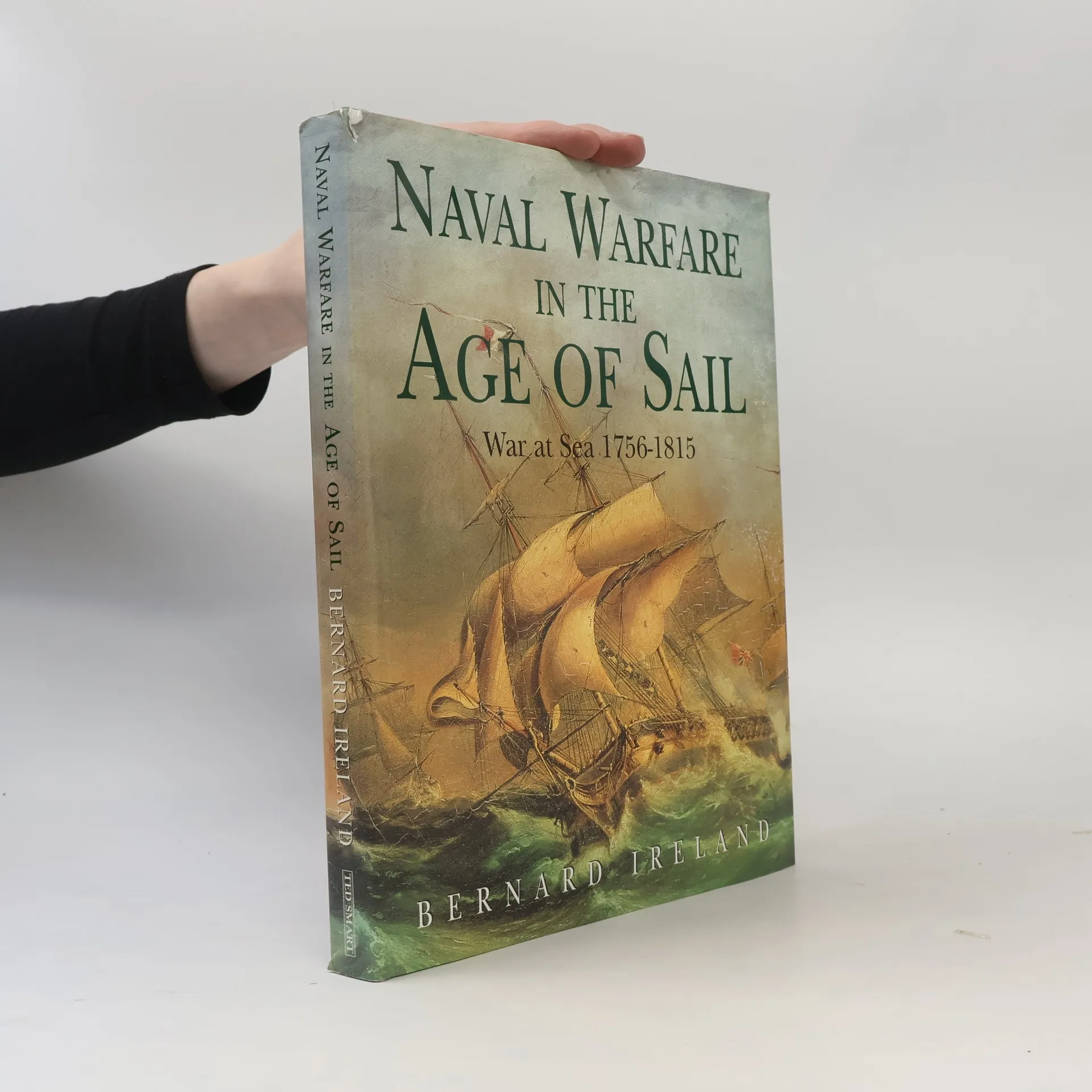
Covering the classic era of sailing ship warfare from the mid-eighteenth century to the Revolutionary and Napoleonic Wars, Naval Warfare in the Age of Sail reveals how warships were built, sailed, and fought in this period. The often dense technical detail is explained for the general reader through text and illustrations that bring the period vividly to life. Through discussions of single-ship actions, fleet operations, famous commanders, and the day-to-day routines of the men who worked the ships, Bernard Ireland investigates how the navy of King George III came to dominate the high seas, ushering in a century of British maritime supremacy. Acclaimed naval artist Tony Gibbons illustrates every type of sailing warship from ships of the line, frigates, and sloops to privateers' schooners, bomb ketches, and xebecs.
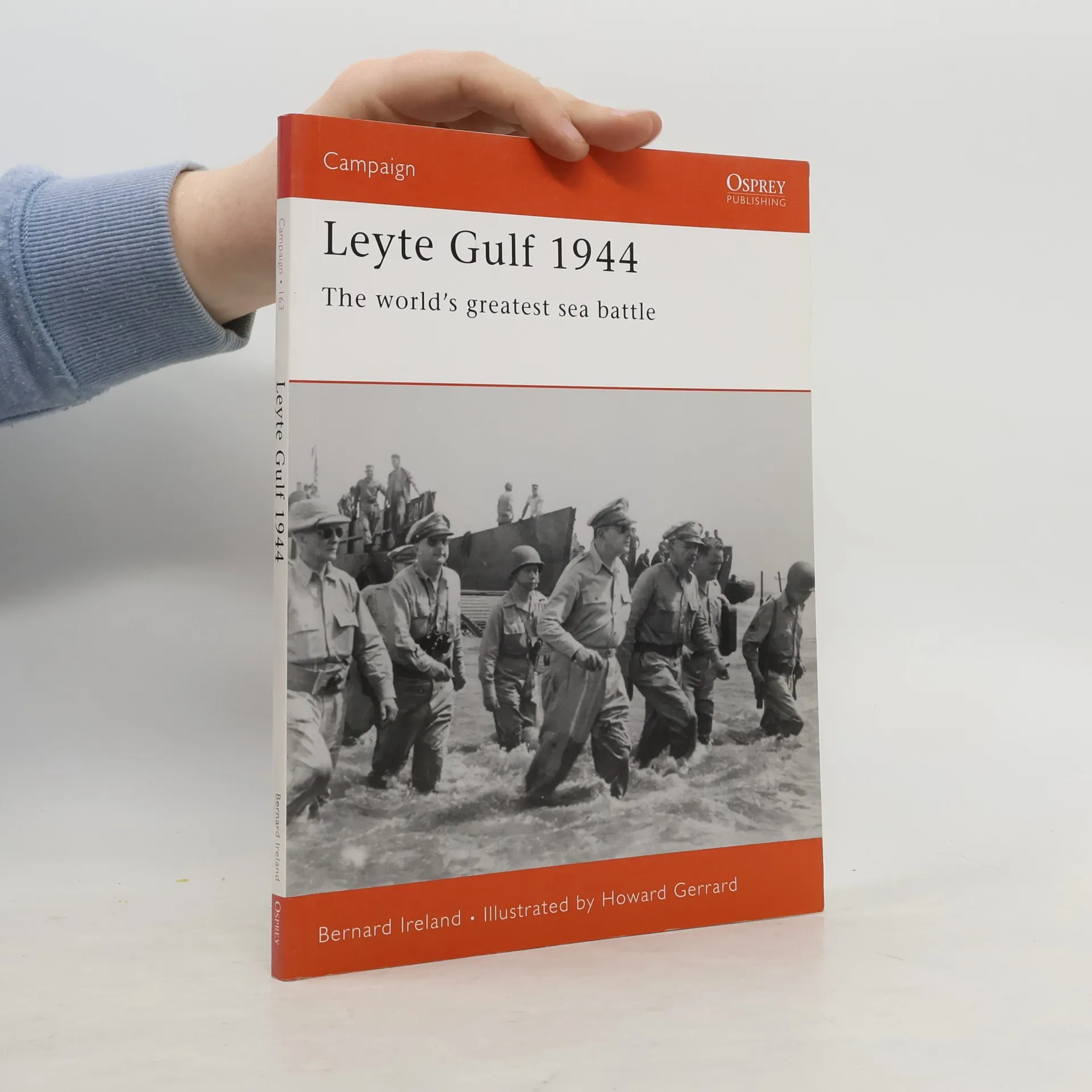
Leyte Gulf was a key victory for the United States: its scale dwarfed previous sea conflicts and its result created an opportunity for the US forces to invade the Philippines. Four different battles - Leyte, Samar, Cape Engaño and the Surigao Strait - occurred almost simultaneously as part of a Japanese plan to claim a Trafalgar-style victory over US forces. Yet they were defeated in the battles on the surface, under the sea and in the air. This highly-accessible book describes the conflict's interweaving battles and the personalities of the commanders involved in what has been called 'the greatest sea battle of all'.
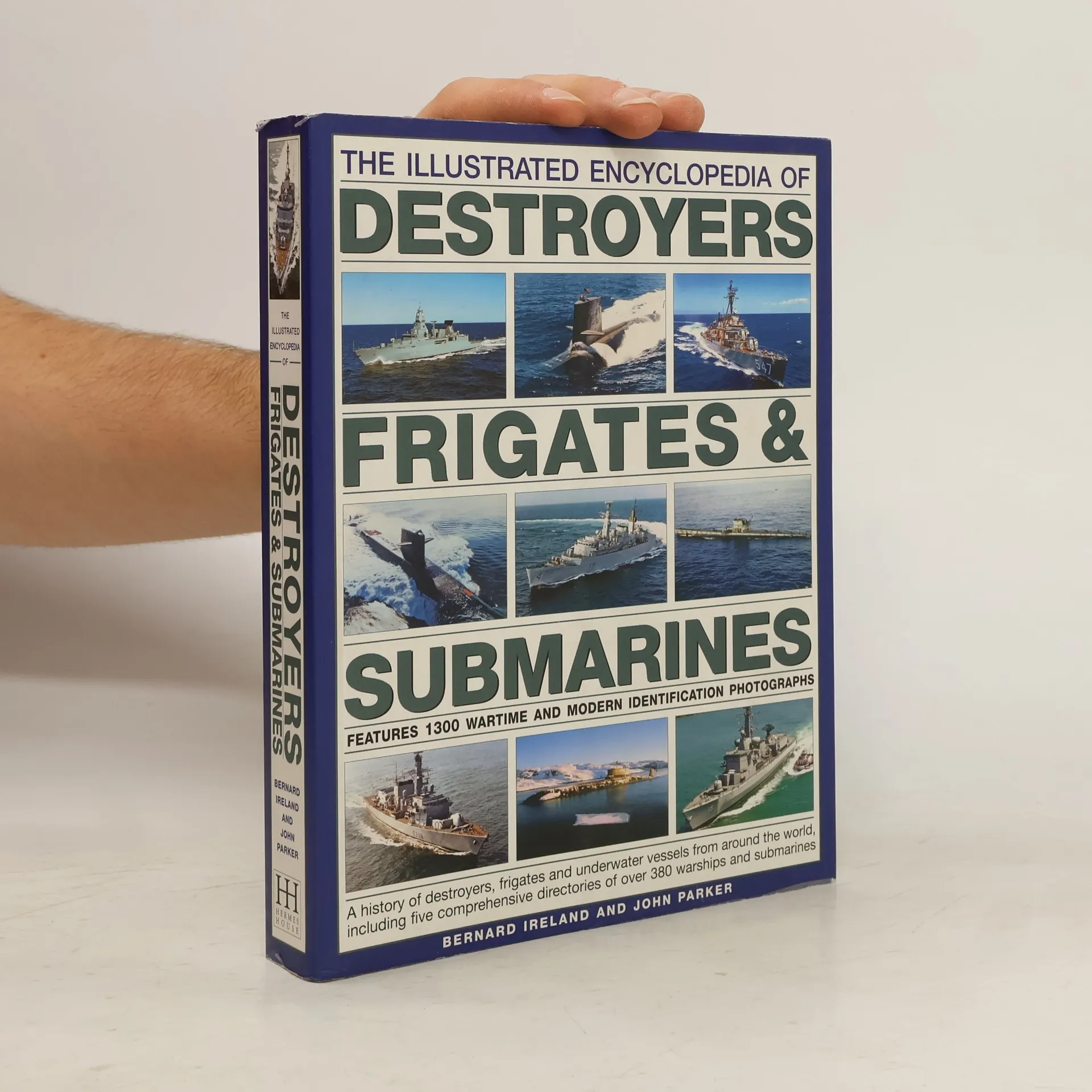
Charts more than a century of destroyer, frigate and submarine development,
starting with the earliest vessels, through two World Wars and the Cold War,
all the way to the incredible machines of the 21st century.
The authoritative naval historian Bernard Ireland takes a fresh and fascinating look at the long and bitter struggle waged by the Allies against the Nazi U-boat threat. After sifting through evidence old and new, he questions the popular theory that it was a 'damn close-run thing'. He cites the massive resources that the United States brought to bear both at sea and in their shipyards, together with advances in technology and the breaking of German codes by Enigma. A closely argued work that demands reading.
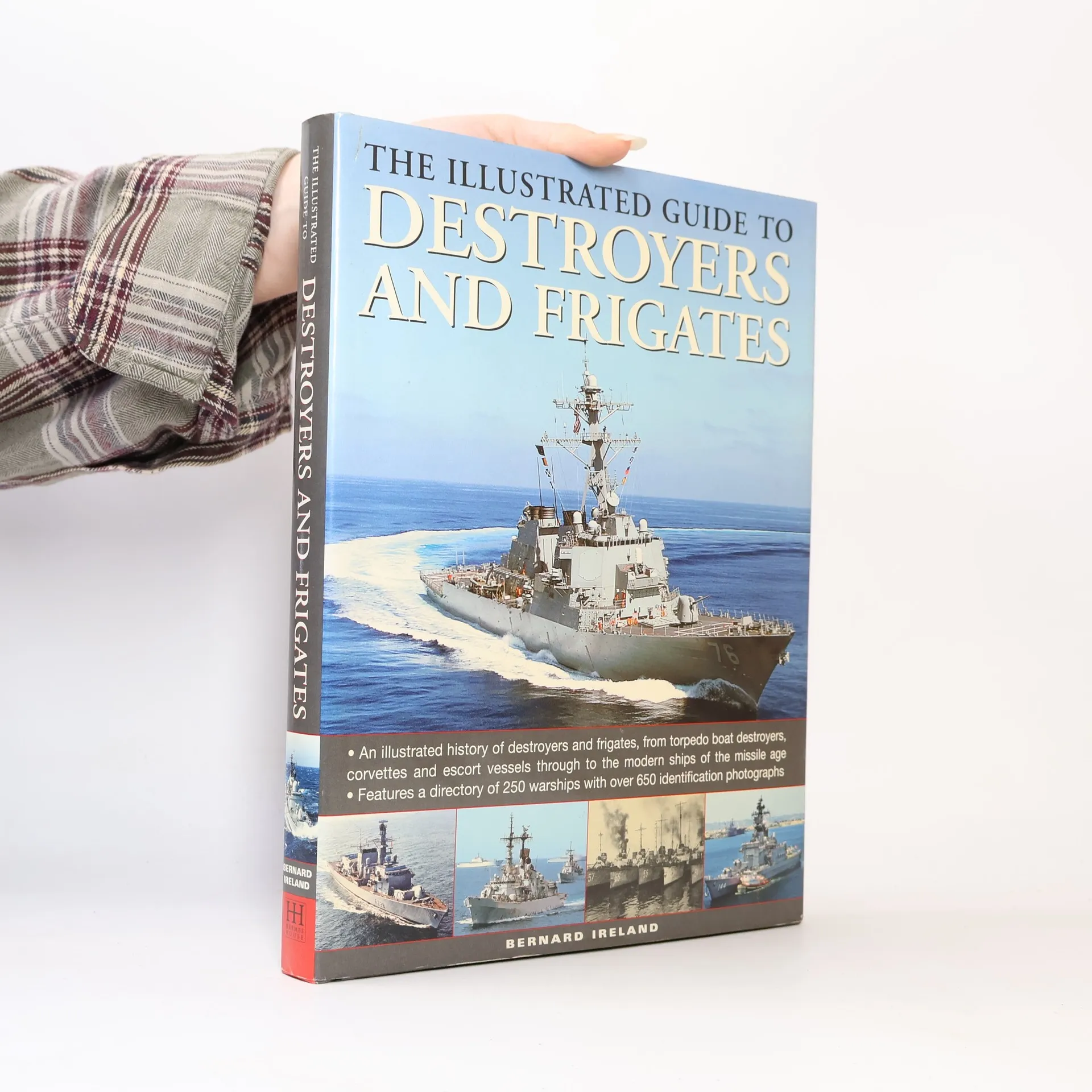
An Illustrated History of Destroyers and Frigates, From Torpedo Boat Destroyers, Corvettes And Escort Vessels Through To The Modern Ships Of The Missile Age
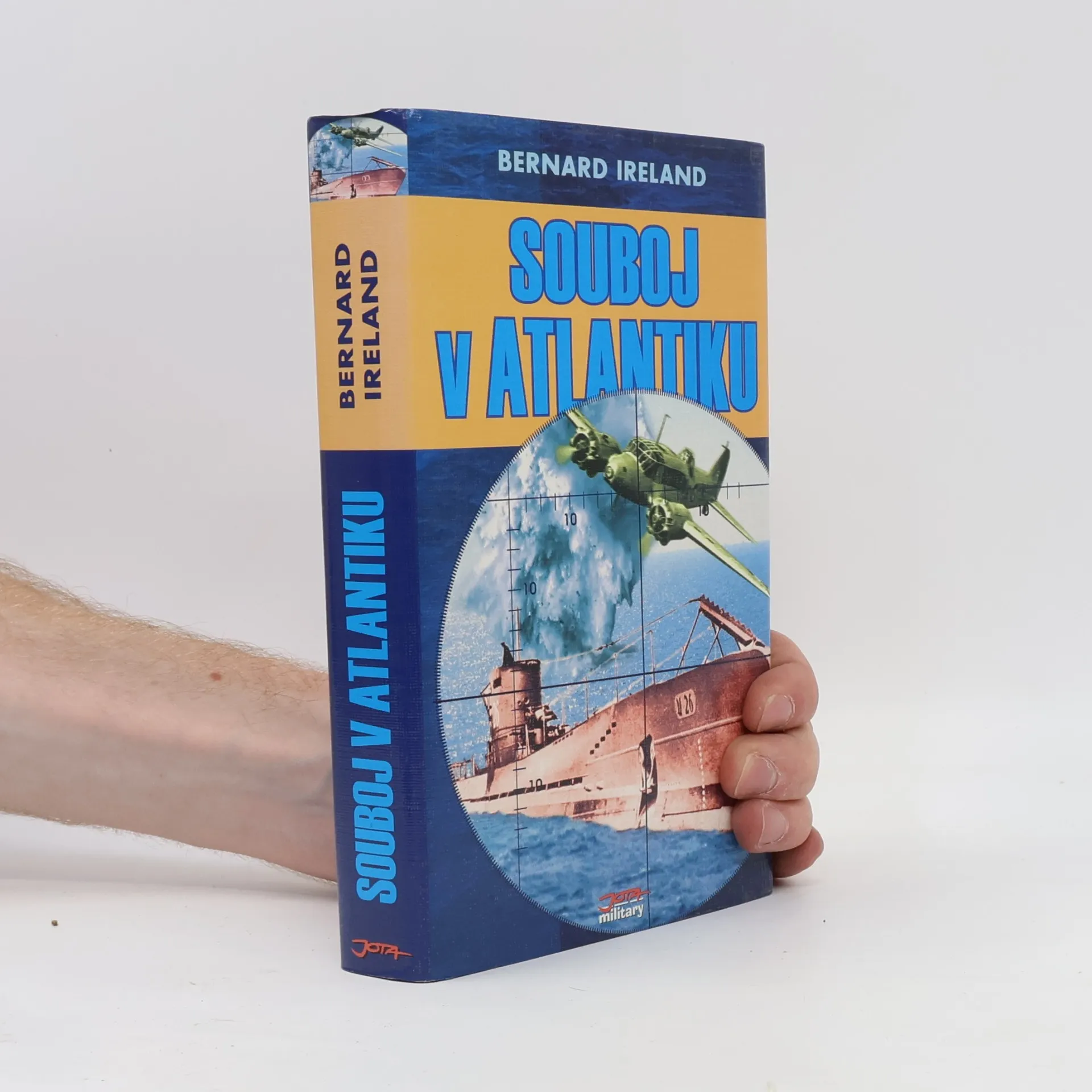
S odstupem šedesáti let od bitvy o Atlantický oceán se Bernard Ireland, přední britský námořní historik, znovu podrobuje studiu všech aspektů tohoto klíčového námořního konfliktu 2. světové války. Zkoumá úsilí o zajištění bezpečných plavebních tras, technické pokroky obou stran a mocenské třenice mezi Spojenci, jejich politickými představiteli a velením ozbrojených sil. Autor přináší čtivý popis událostí a dospívá k radikálním závěrům, zejména díky dříve utajovaným pramenům a znalosti vlivu britské kontrarozvědky, která úspěšně dešifrovala německé depeše. Přesvědčivě dokládá, že situace nebyla tak prekérní, jak se často tvrdilo. Prohlášení o „nadcházející pohromě v Atlantiku“ vycházela spíše z politických potřeb a pesimismu v Británii. Ve skutečnosti se situace začala obracet v neprospěch německých ponorek díky rychlému technickému vylepšování protiponorkového boje, průmyslovému potenciálu USA a úspěchům spojeneckých kontrarozvědek. Tyto hypotézy jsou podloženy silnými argumenty, což dílo rozhodně potvrzuje. Kniha obsahuje obrazovou přílohu s 40 fotografiemi, schématy a grafy, stejně jako rejstřík.
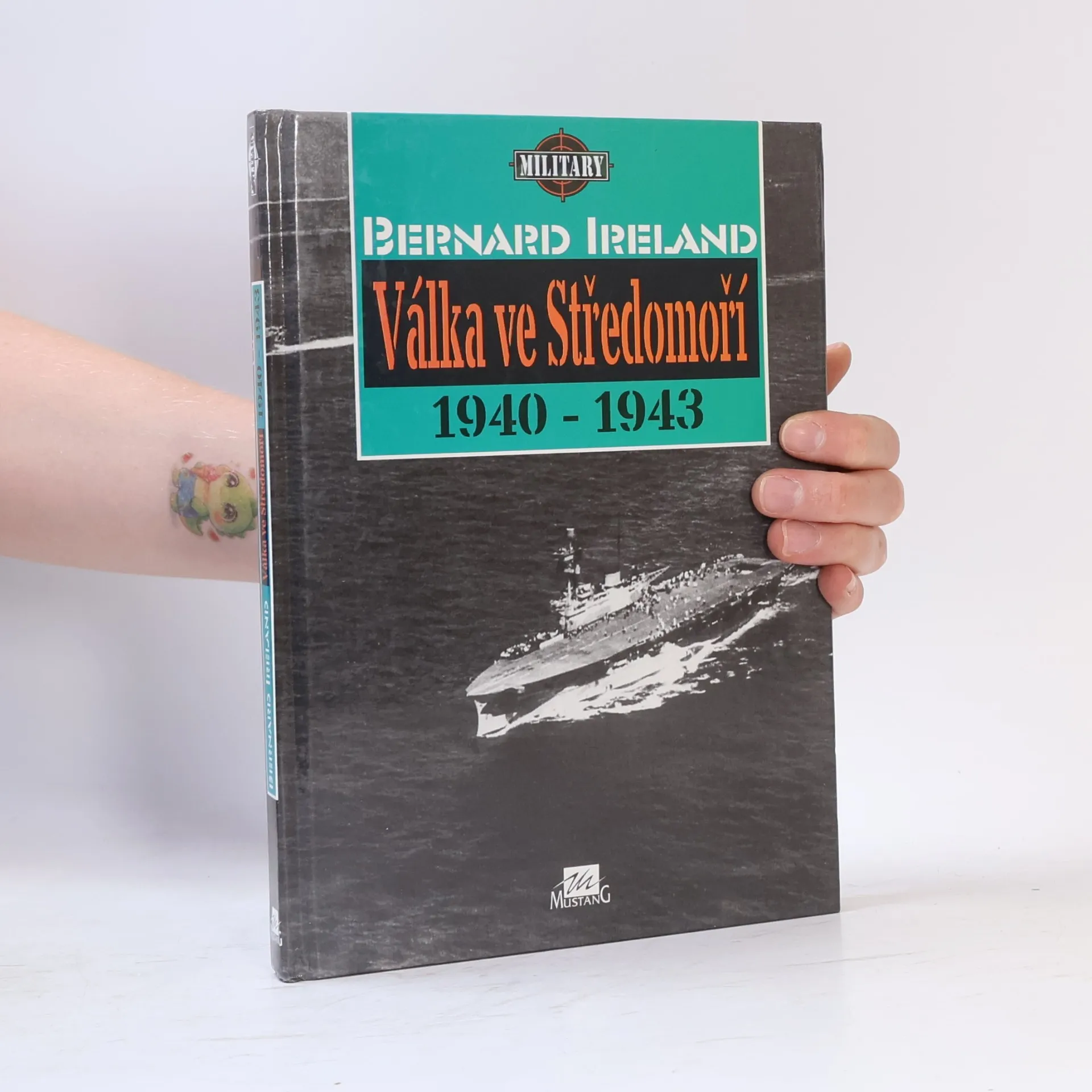
Kniha přibližuje poměrně málo známé bojiště druhé světové války - oblast Středozemního moře. V časové ose 1000 dnů jsou v ní promítnuty veškeré důležité historické události, které se v této oblasti od června 1940 odehrály na moři, pevnině i ve vzduchu. O co menší důležitost přikládalo Středomoří nejvyšší německé velení, o to větší iniciativu zde projevovali Italové. Rozhodující úlohu v této "středomořské kampani" hrály válečné konvoje, které byly terčem útoků bojujících stran. To, že se mocnostem Osy nedařilo dopravit převážnou část konvojů k cíli, je nakonec přivedlo, i přes jejich bojové umění v poli, k porážce.
Středomořské bojiště sice patří z celkového pohledu na 2. světovou válku k okrajovým oblastem, ale pro Velkou Británii, na rozdíl od Německa, mělo zásadní strategický význam. Winston Churchill i při plánování pozdějších spojeneckých operací výrazně prosazoval ve Středomoří úzké zájmy Velké Británie. Důležitou roli zde také chtěla hrát Mussoliniho Itálie, ale účinkování italské armády v řeckém i severoafrickém tažení působilo německému spojenci spíše problémy a komplikace. Autor po nezbytném úvodu a shrnutí vojensko-politické situace v Evropě v letech 1939 a 1940 přibližuje ve dvanácti kapitolách veškeré významné vojenské operace v této oblasti i politická rozhodnutí, která zásadně ovlivnila válku ve Středomoří od června r. 1940 (Itálie vyhlásila válku Francii a Velké Británii 10. června 1940) až do konce bojů na severu Afriky v květnu r. 1943.
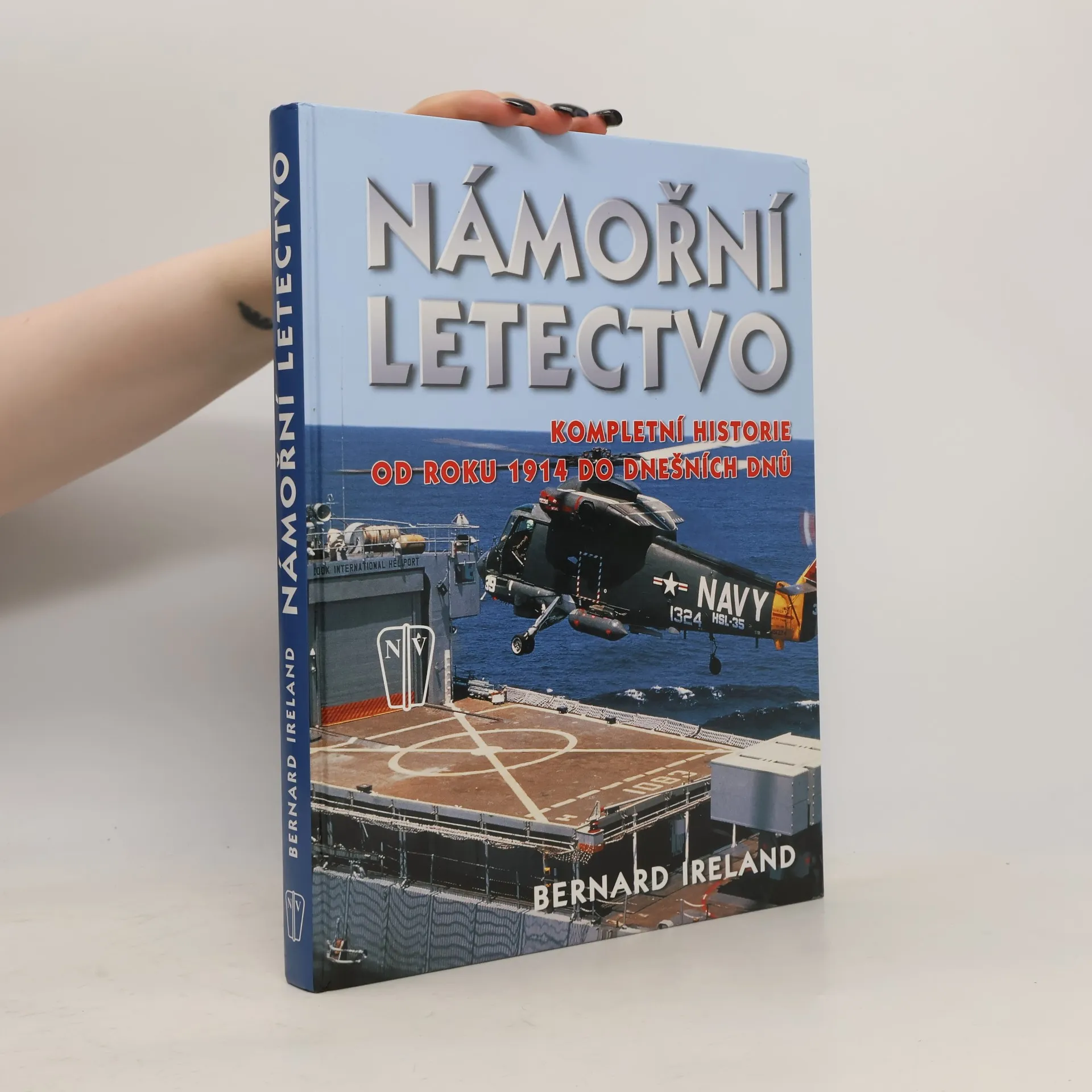
Sledujte historii vývoje leteckých sil námořnictva od prvních dnů vzducholodí a dvojplošníků, přes bitvy letadlových lodí v Pacifiku až po současné nejmodernější palubní letouny a protiponorkové vrtulníky. Kniha Bernarda Irelanda je fascinujícím průvodcem historií vývoje, poskytuje detailní technické popisy a vypočítává největší úspěch i prohry. Kniha je bohatě ilustrovaná a jedná se o nejnázornější a nejucelenější dílo o námořních letadlech současnosti.
Bitvy u zálivu Leyte byly pro americké vítězství v Tichomoří klíčové. Jejich rozsah zastínil všechny předchozí námořní konflikty a výsledek umožnil americkým silám dobýt Filipíny. Ve čtyřech různých bitvách – během vylodění v zálivu Letye a v bitvách u ostrova Samar, u mysu Engaño a v průlivu Surigao – byli Japonci poraženi jak v hladinových, tak v podmořských a leteckých bojích.
Bitvy proběhly prakticky ve stejnou dobu jako součásti japonského plánu dosáhnout nad Američany námořního vítězství v trafalgarském stylu. Kniha přístupným stylem popisuje prolínající se čtyři různé bitvy.







![Válka ve Středomoří : [1940-1943]](https://rezised-images.knhbt.cz/1920x1920/67743729.webp)