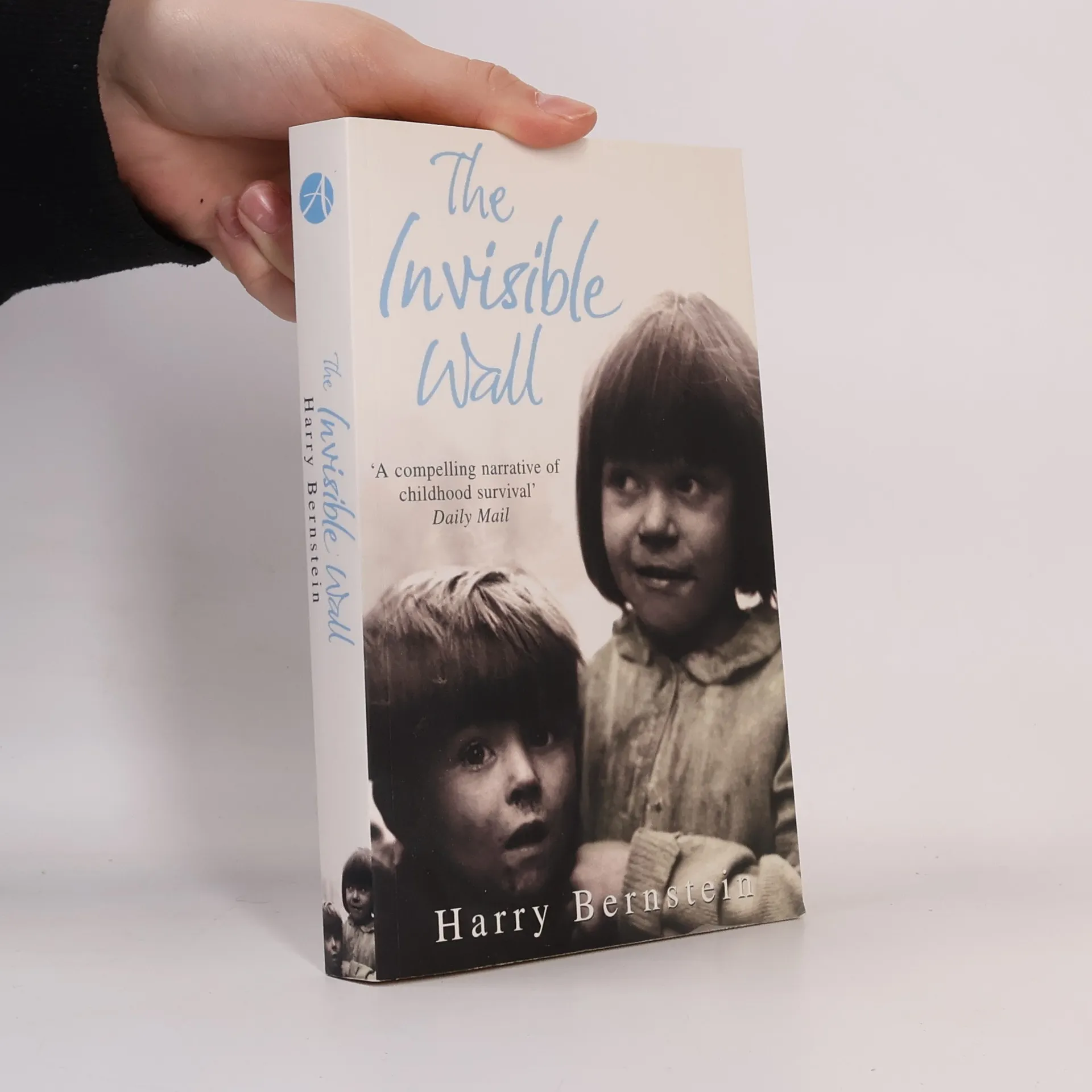
The Invisible Wall
- 336pages
- 12 heures de lecture
Harry Bernstein was born into a world of hardship and suffering in a northern mill town, in the shadow of the First World War.
4,1


Harry Bernstein a commencé à écrire dans sa quatre-vingt-dixième année, se tournant vers son passé après la mort de sa femme pour explorer les thèmes des préjugés, de l'amour familial et du dépassement de l'adversité. Ses œuvres explorent les complexités de l'identité et des relations intergénérationnelles, reflétant une vie marquée par des rencontres avec l'antisémitisme et des romances interculturelles. La prose de Bernstein se distingue par son honnêteté brute et sa profonde perspicacité sur la condition humaine, offrant une perspective unique sur la résilience et la quête de sens. Son écriture célèbre finalement le pouvoir durable de l'esprit humain.

Harry Bernstein was born into a world of hardship and suffering in a northern mill town, in the shadow of the First World War.
A Love Story That Broke Barriers
The narrow street where Harry Bernstein grew up, in a small English mill town, was identical to countless other streets in countless other working-class neighborhoods of the early 1900s, except for the "invisible wall" that ran down its center, dividing Jewish families on one side from Christian families on the other. On the eve of World War I, Harry's family struggles to make ends meet. His father earns little money at the Jewish tailoring shop and brings home even less, preferring to spend his wages drinking and gambling. Harry's mother, devoted to her children and fiercely resilient, survives on her dreams: new shoes that might secure Harry's admission to a fancy school; that her daughter might marry the local rabbi; that the entire family might one day go to America. Then Harry's older sister does the unthinkable: she falls in love with a Christian boy from across the street.--From publisher description
Der vierjährige Harry wird zum heimlichen Boten von Liebesbriefen eines jüdisch-christlichen Paares. Als die Beziehung entdeckt wird, wird das Mädchen ins Ausland verbannt. Auch Harrys Schwester Lily wehrt sich gegen die Zwangsheiratspläne ihrer Mutter mit einem Rabbi. Bernsteins Erinnerungen sind spannend und aktuell.
I sogni sono importanti nella casa di Harry. Per tutta l'infanzia, lui e i suoi cinque fratelli crescono sentendo la madre colorare il loro povero mondo con le proprie fantasie, e allora le stanze spoglie della casa si riempiono magicamente di mobili e di lussi, la fame diventa più sopportabile e le urla del padre, un ebreo polacco emigrato in Inghilterra e sempre attaccato alla bottiglia, fanno meno paura. Ma i sogni, si sa, sono come le bolle di sapone: bellissime finché le si osserva in lontananza, peccato che, quando si cerca di afferrarle, non resti niente in mano. Solo la mamma non si rassegna e continua a inseguire il suo sogno più grande, l'America. Finché, un mattino, quando Harry ha dodici anni, incredibilmente quel sogno si avvera. II postino recapita una busta proveniente da un'agenzia di viaggi sconosciuta. Quando Harry la apre e vede uscirne otto biglietti per il piroscafo diretto oltreoceano, anche se tutti sanno che è meglio non svegliare papa, tornato a notte fonda dal pub, non è possibile trattenersi dal gridare di gioia. Improvvisamente una nuova vita piena di promesse sembra accessibile e la famiglia attraversa per l'ultima volta la strada di ciottoli sotto casa, dice addio ai vicini, alle fabbriche e alla cittadina operaia del Lancashire in cui ha vissuto per anni e si mette in viaggio per raggiungere alcuni parenti emigrati a Chicago.
Si conobbero a un ballo alla Webster Hall di New York e si innamorarono fin dal primo sguardo. Era il 1935 e poco dopo Harry e Ruby erano sposati. Dal loro primo appartamento, una stanza ammobiliata nell’Upper West Side, agli anni nel Greenwich Village, al centro della scena artistica newyorchese e circondati da ballerini, musicisti e scrittori, fino alla scelta di trasferirsi in una comunità per anziani nel New Jersey, la loro è la parabola del grande sogno americano. Insieme, attraverso la Grande Depressione, la guerra mondiale, il Maccartismo. Insieme, nei momenti duri – licenziamenti, crisi – e in quelli felici – l’acquisto della prima casa, la nascita dei due figli. Una storia d’amore durata quasi settant’anni.Poi succede l’inevitabile: Ruby si ammala di leucemia e muore. Uno dei due doveva essere il primo, lo sapevano, ma Harry rimane improvvisamente solo: un’esperienza del tutto nuova e devastante. Così si mette a scrivere.