

In his beautifully crafted haiku, Basho captures the natural world with simplicity and deep feeling. As an ardent student of Zen Buddhism, he embarked on travels aimed at shedding material distractions and seeking spiritual enlightenment. His writings reflect the changing seasons, the scent of rain, the brightness of the moon, and the beauty of waterfalls, revealing the mysteries of the universe. This seventeenth-century travel writing chronicles Basho's challenging journeys through Japan while expressing his vision of eternity in the transient world around him. Nobuyuki Yuasa’s lucid translation preserves the lyrical qualities of Basho's poetry and prose, using contemporary language and rhythms. The introduction explores the haibun style, where poetry and prose coexist, and the edition includes maps and notes for context. For over seventy years, Penguin has been a leading publisher of classic literature in the English-speaking world, offering a diverse collection of more than 1,700 titles. Penguin Classics is trusted for its authoritative texts, enhanced by introductions and notes from distinguished scholars and contemporary authors, along with modern translations by award-winning translators.
Masayuki Miyata Livres
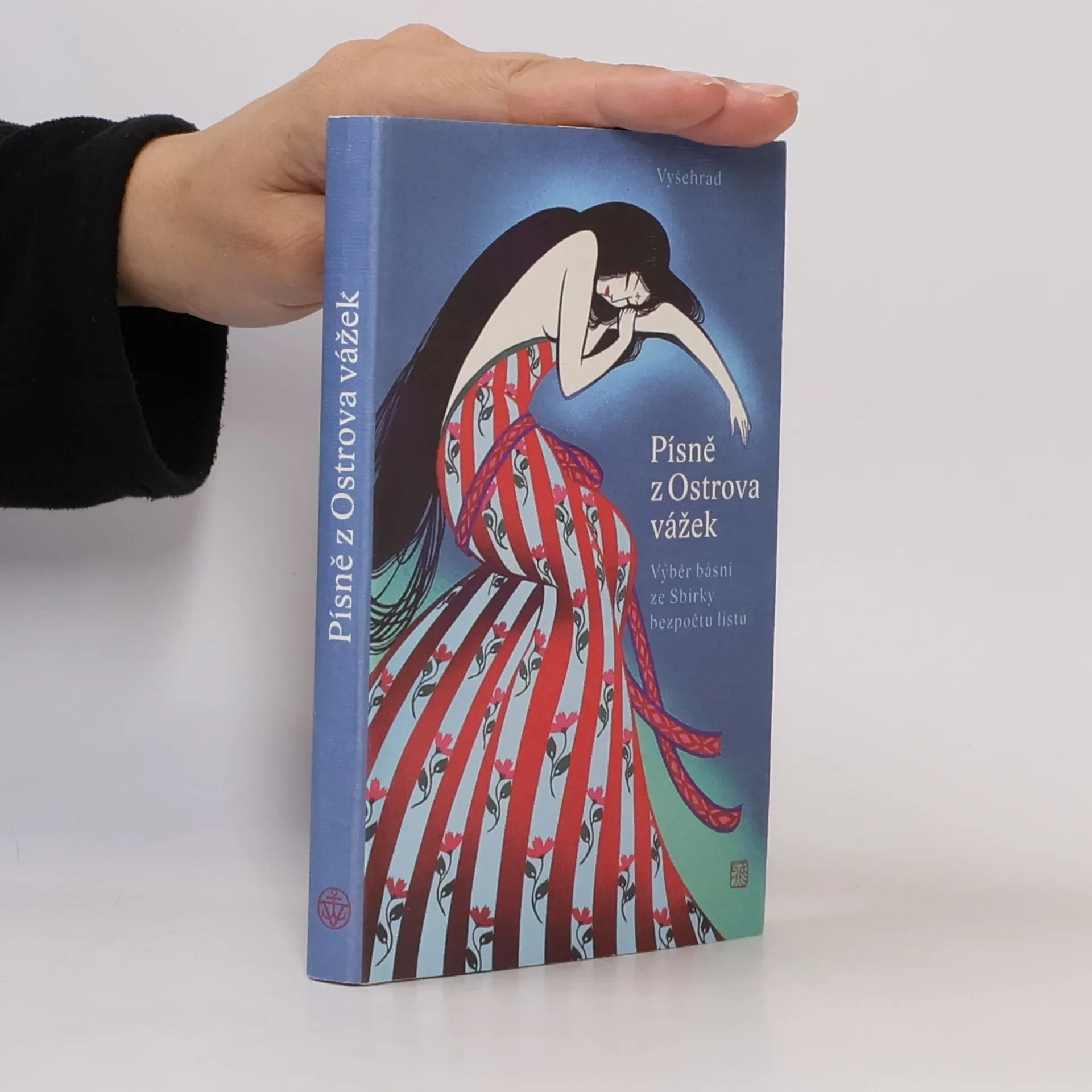
Písně z Ostrova vážek. Výběr básní ze Sbírky bezpočtu listů
- 128pages
- 5 heures de lecture
Sbírka bezpočtu listů (Manjóšú), sestavená v 8. století a obsahující více než čtyři tisíce básní několika stovek autorů a autorek, je jedním ze základních zdrojů japonské poezie. Díky neobyčejné pestrosti témat i autorů, kteří pocházeli z nejrůznějších vrstev společnosti – od nejvyšších hodnostářů až po drobné úředníky, muže i ženy, představuje jakýsi vzorník námětů a citových poloh. Výbor, který sestavil překladatel sbírky, významný japanolog českého původu Antonín V. Líman, nabízí přehled témat, která dodnes zůstávají pro japonskou sensibilitu a poetiku typická: inspirace krajinou – horami, řekami a mořem, květy a rostlinami (slivoně a sakury, květy hagi a hvozdíky, bambusy, pinie a javory), ptáky (kulíci, kukačky a jeřábi) a cestami, či posvátným nápojem sake. Nechybějí ani verše o lásce, odloučení, žalosti z odchodu drahé osoby, či „dadaistické“ básnické hříčky. Zasvěcené komentáře A. Límana pomáhají vychutnávat bohatství japonské poetické tradice vskutku plnými doušky. Kompletní český překlad s komentářem, který Antonín Líman vydal v letech 2001–2008 v nakladatelství Brody, je po francouzštině teprve druhým úplným překladem jedinečného textu do některého z evropských jazyků.