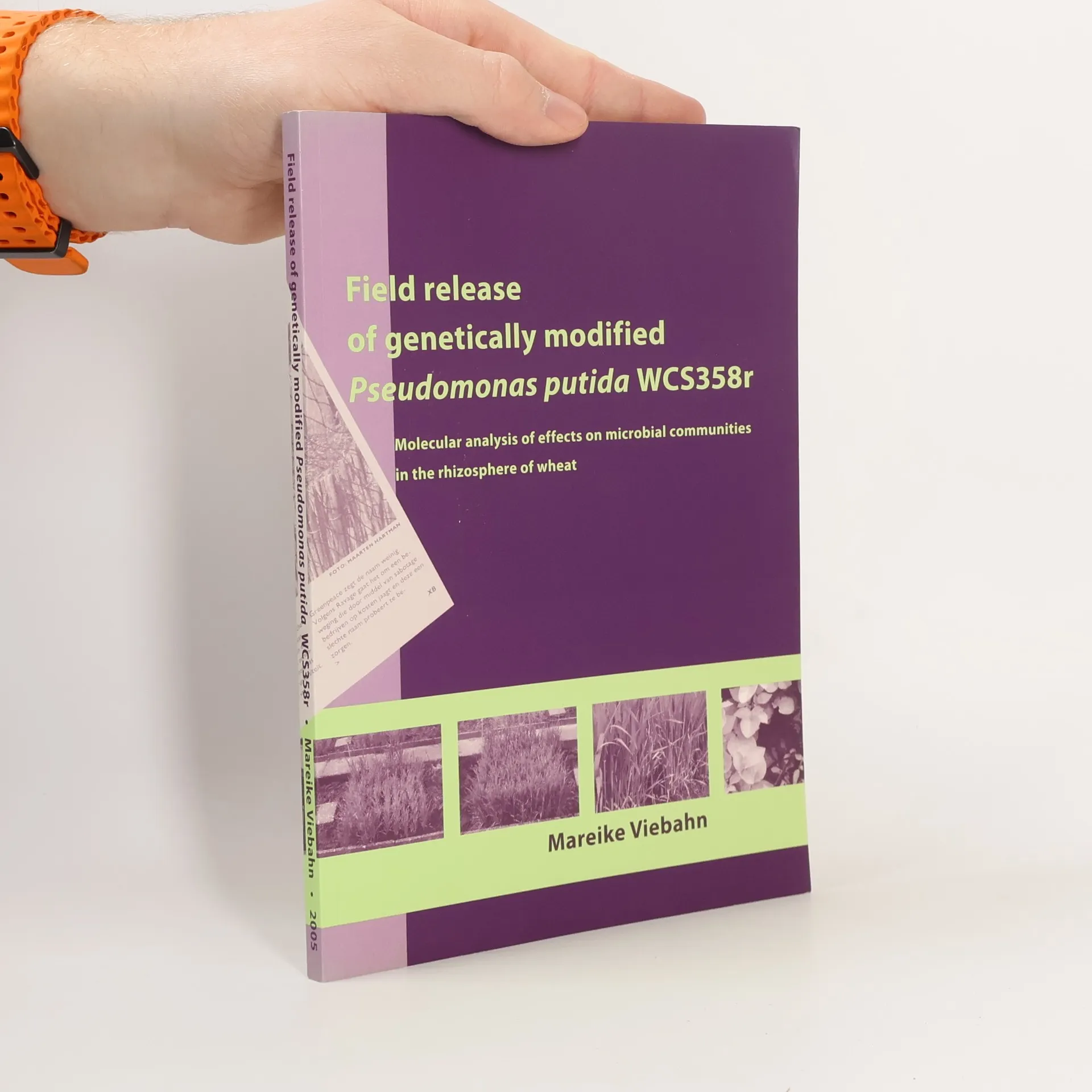
Field Release of Genetically Modified Pseudomonas Putida WCS358r
Molecular Analysis of Effects on Microbial Communities in the Rhizosphere of Wheat
- 159pages
- 6 heures de lecture




Molecular Analysis of Effects on Microbial Communities in the Rhizosphere of Wheat
Helgoland is a treeless island in the North Sea where the twenty-three-year-old Werner Heisenberg made the crucial breakthrough for the creation of quantum mechanics, setting off a century of scientific revolution. Full of alarming ideas (ghost waves, distant objects that seem to be magically connected, cats that appear both dead and alive), quantum physics has led to countless discoveries and technological advancements. Today our understanding of the world is based on this theory, yet it is still profoundly mysterious... As scientists and philosophers continue to fiercely debate the meaning of the theory, Rovelli argues that its most unsettling contradictions can be explained by seeing the world as fundamentally made of relationships rather than substances. We and everything around us exist only in our interactions with one another. This bold idea suggests new directions for thinking about the structure of reality and even the nature of consciousness.
What if the ancient Greeks were right, and the universe really did spring into being out of chaos and the void? How could we know? And what must its first moments have been like?To answer these questions, scientists are delving into all the hidden crevices of creation. Armed with giant telescopes and powerful particle accelerators, they probe the subtle mechanisms by which our familiar world came to be, and try to foretell the manner in which it will end.The result of all this collective effort is a complex story, stranger at times than even our most ancient creation myths. But its building blocks give us the power to work marvels our predecessors could scarcely comprehend. In Genesis, the CERN physicist and bestselling author Guido Tonelli sets out to do justice to that great story.
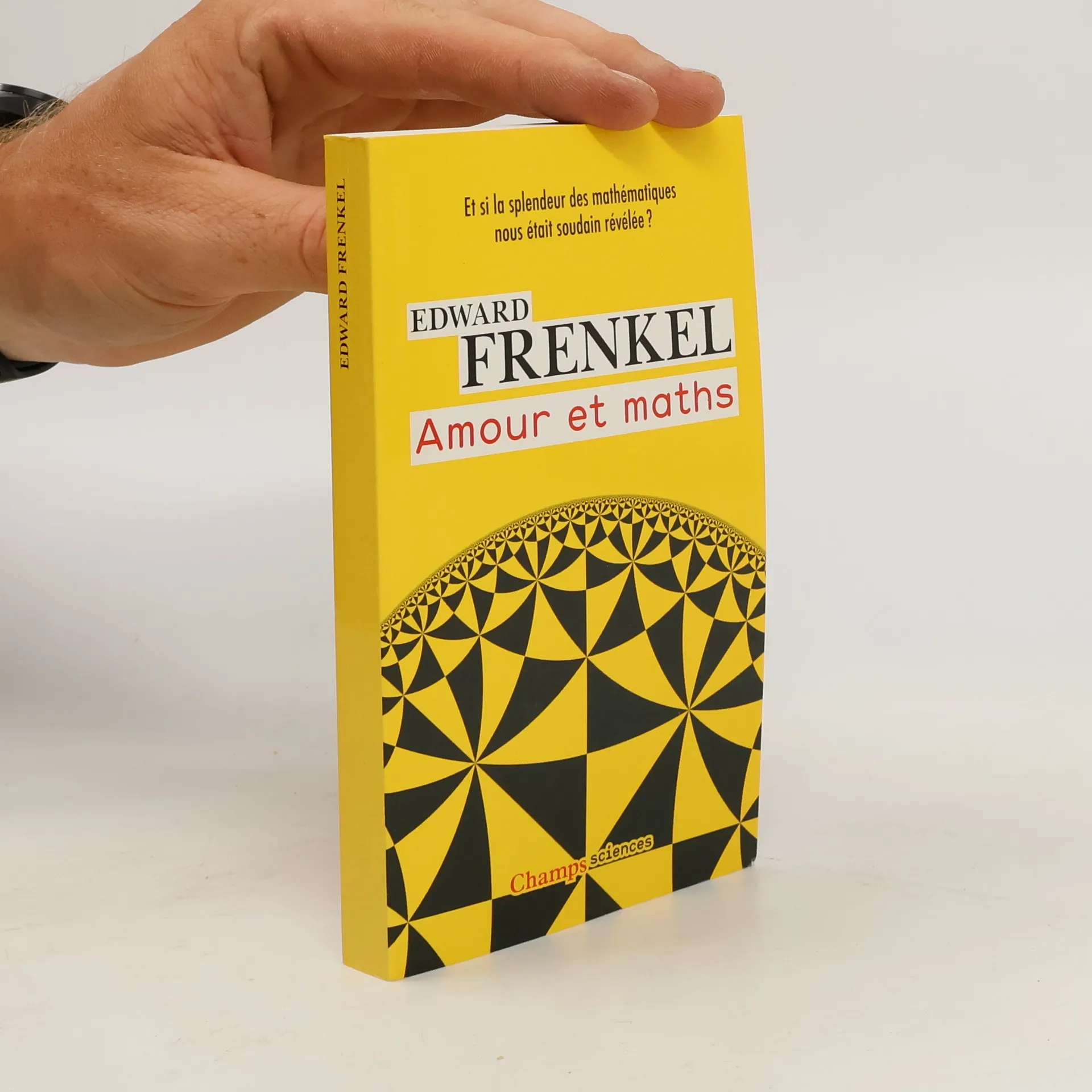
"Enfant, je ne soupçonnais pas l'existence du monde secret des mathématiques." Dans cet ouvrage fascinant, Edward Frenkel se propose de nous faire partager sa passion pour cette discipline en explorant ses mystères. Chercheur génial et iconoclaste, il parvient à donner vie à des abstractions, à nous faire comprendre la dualité quantique avec une recette de bortsch, ou la relation de Langlands à l'aide d'un gobelet... Aujourd'hui mathématicien de premier plan, Edward Frenkel nous conte en parallèle son singulier itinéraire, en particulier comment, en butte aux discriminations antisémites, il quitta l'URSS pour Harvard à l'âge de 21 ans. Une lecture réjouissante, qui achèvera de convaincre les amoureux des maths tout en transformant définitivement la perception des plus récalcitrants !