

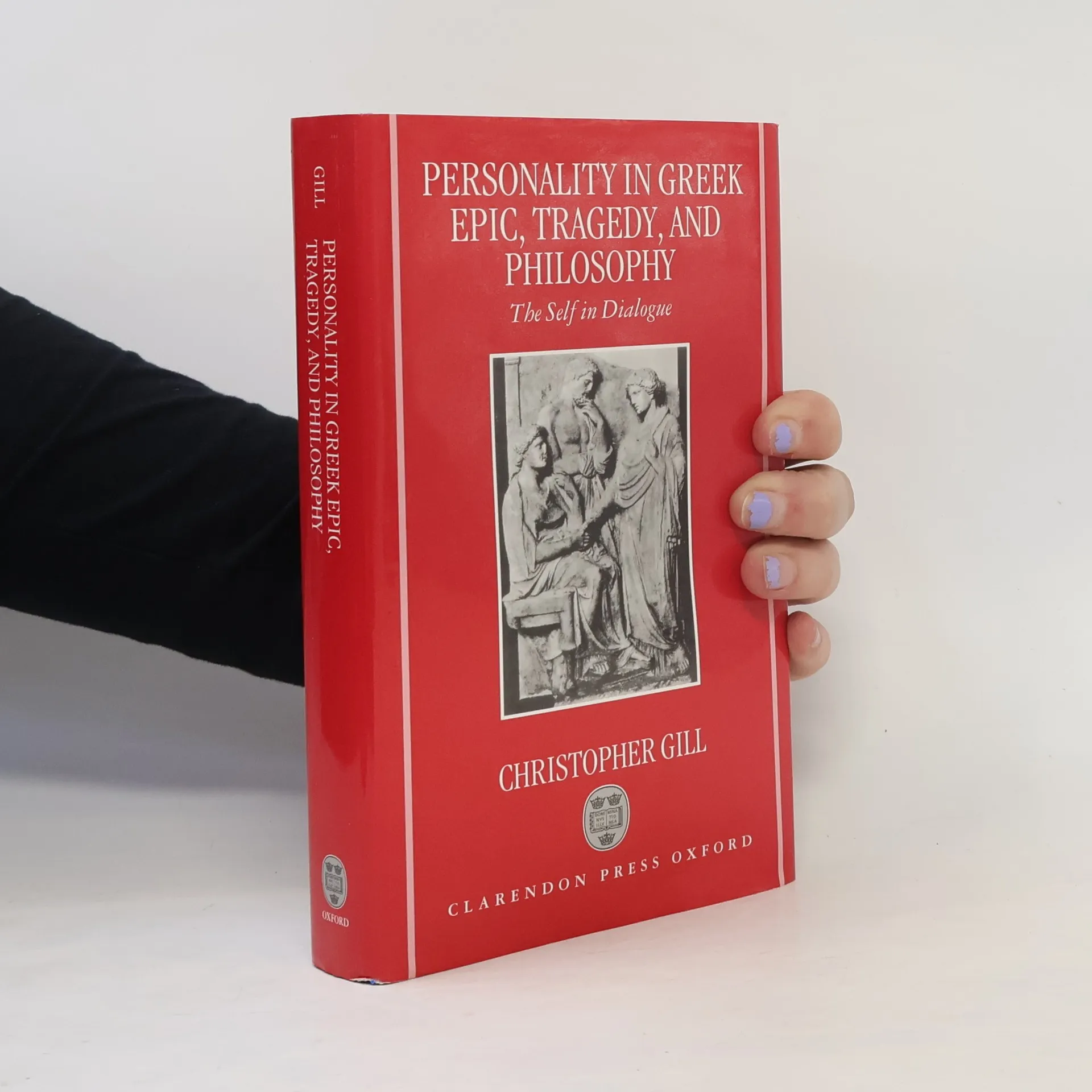
This is a major study of conceptions of selfhood and personality in Homer, Greek tragedy, and philosophy. The focus is on norms of personality in Greek psychology and ethics. The key thesis is that, to understand Greek thinking of this type, we need to counteract the subjective and individualistic aspects of our own thinking about the self. The book defines an 'objective-participant' conception of personality, symbolized by the idea of the person as an interlocutor in a series of types of psychological and ethical dialogue. The book is shaped as a response to recent work in the philosophy of mind, ethics, and personhood, as well as in classical scholarship. Clear and non-technical, with all Greek translated, the book brings out the continuing importance of ancient Greek thinking for contemporary study of ideas of personality and selfhood.
Christopher Gill Ordre des livres (chronologique)
New Surveys in the Classics - 25: Greek Thought
- 114pages
- 4 heures de lecture
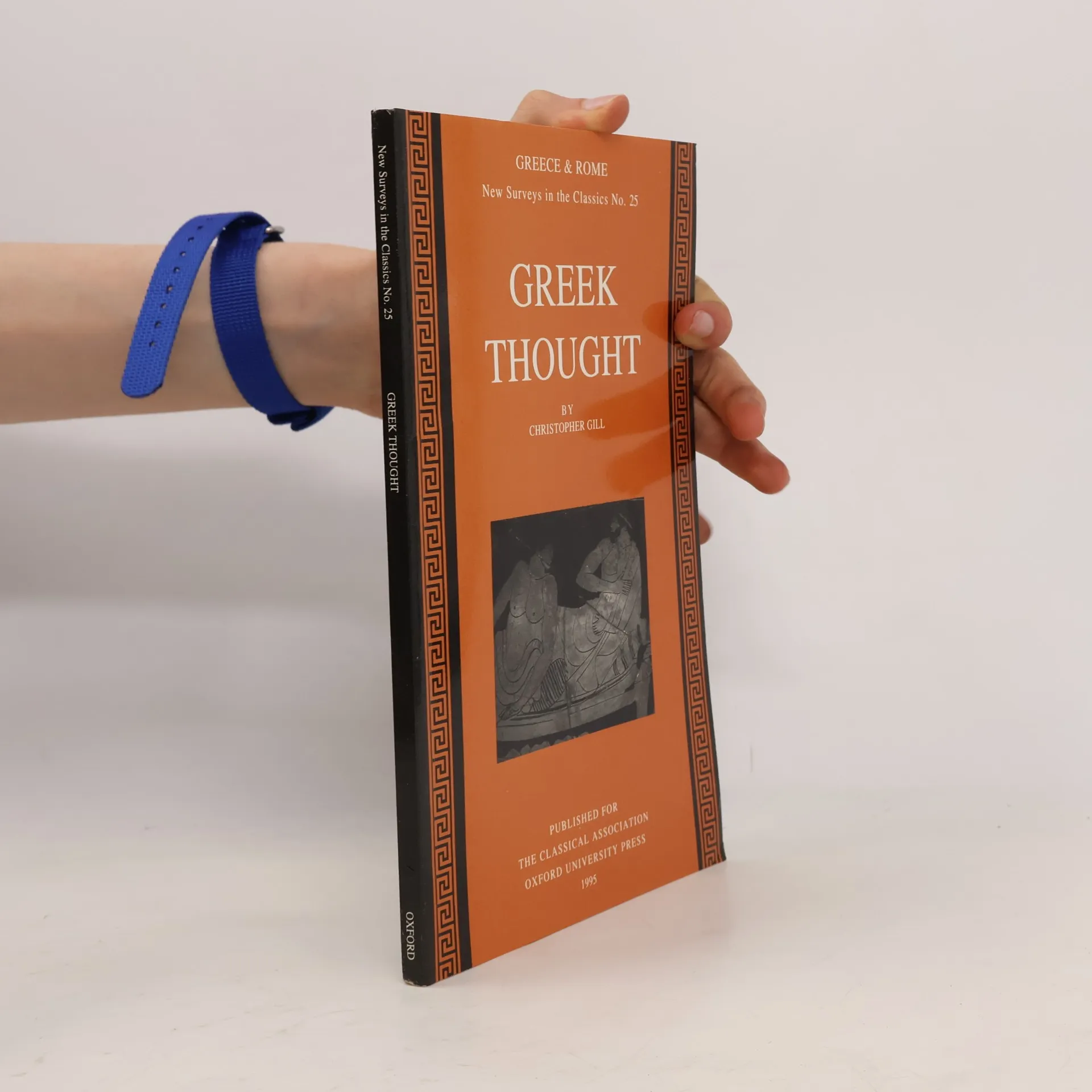
Four related themes in Greek thought are examined in this (1) personality and self, (2) ethics and values (3) individuals and communities, and (4) the idea of nature as a moral norm. Although the focus is on Greek philosophy (the Presocratics, Plato, Aristotle, and the Hellenistic period), links between philosophy and literature or the wider culture are also explored. The book combines a survey of recent scholarship on these topics with the author's own interpretations. It can be used by students or teachers of classical studies or philosophy as an introduction to key themes and issues in Greek ethics or psychology. One aspect of the subject given special emphasis is the relationship between ancient and modern ideas on the issues treated here. The book closes with a selective bibliography on modern work on Greek philosophy.
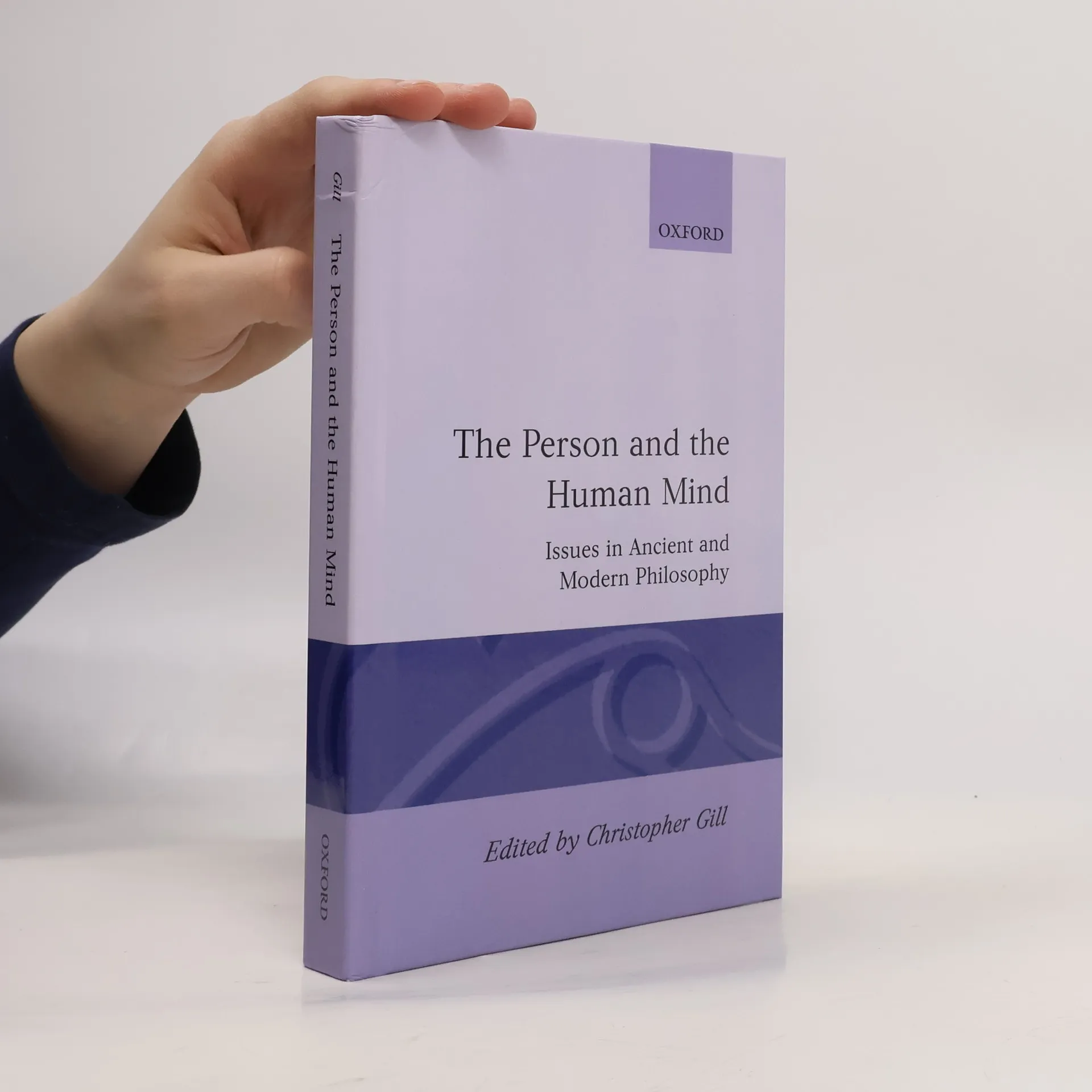
This collection of essays explores analogous issues in classical and modern philosophy that relate to the concepts of person and human being. A primary focus is whether there are such analogous issues, and whether we can find in ancient philosophy a notion that is comparable to "person" as understood in modern philosophy. Essays on modern philosophy reappraise the validity of the notion of person, while essays on classical philosophy take up the related questions of what being "human" entails in ancient ethics and psychology, and whether we should regard ourselves as, essentially, human or rational beings.