Bookbot

Hans Holbein Ordre des livres (chronologique)

    1 janvier 1497 – 29 novembre 1543
    Hans Holbein
    The Book Named The Governor
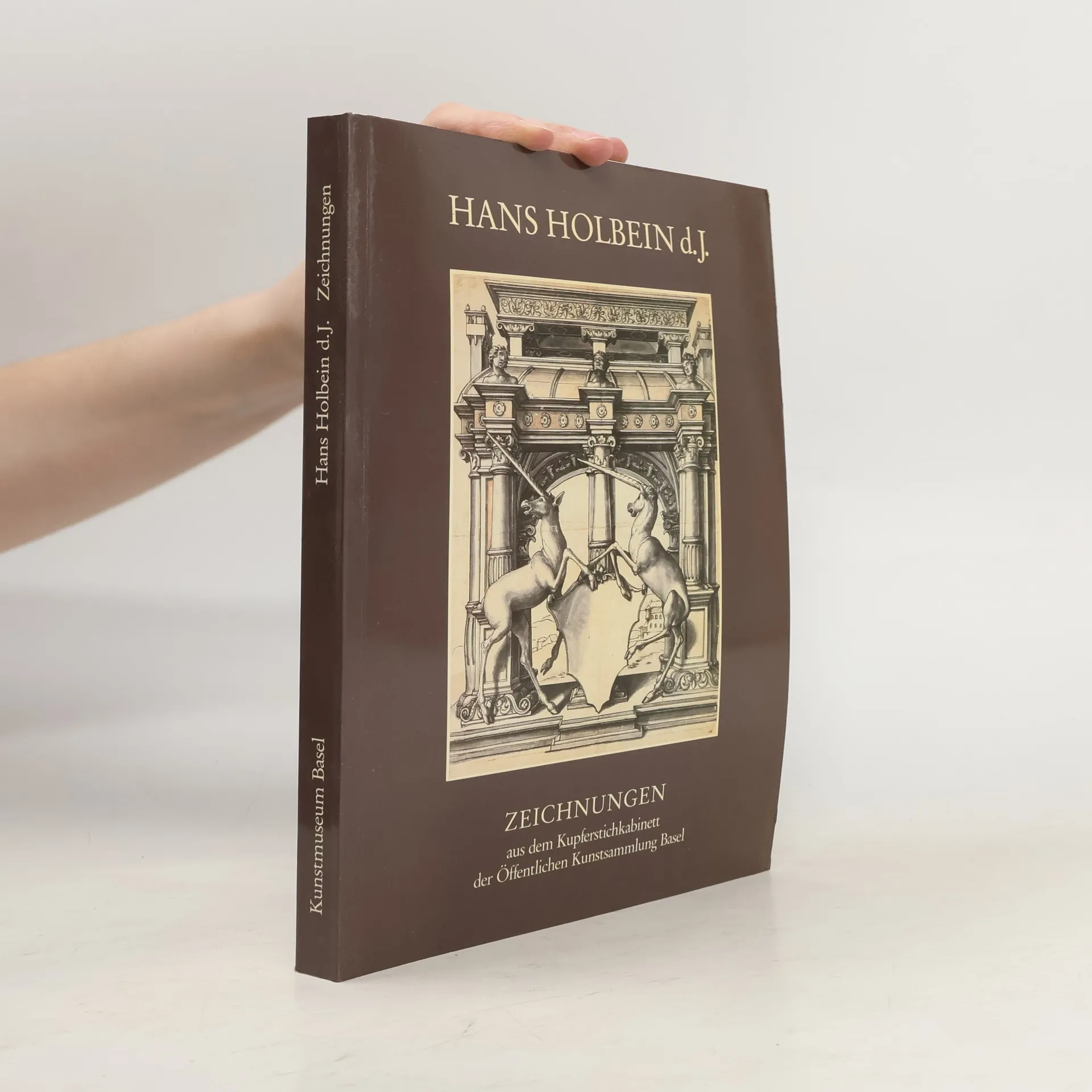
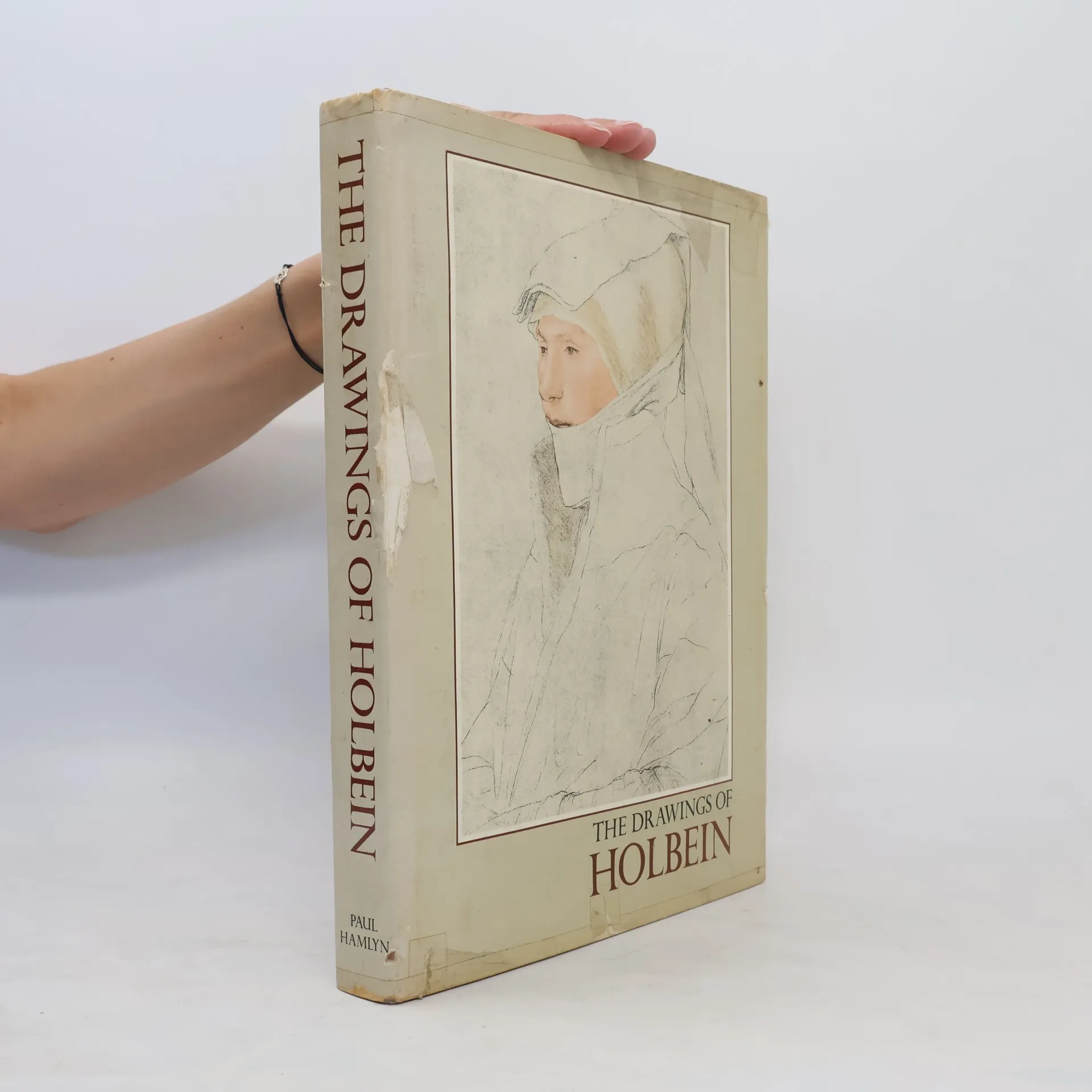
    The Drawings of Holbein
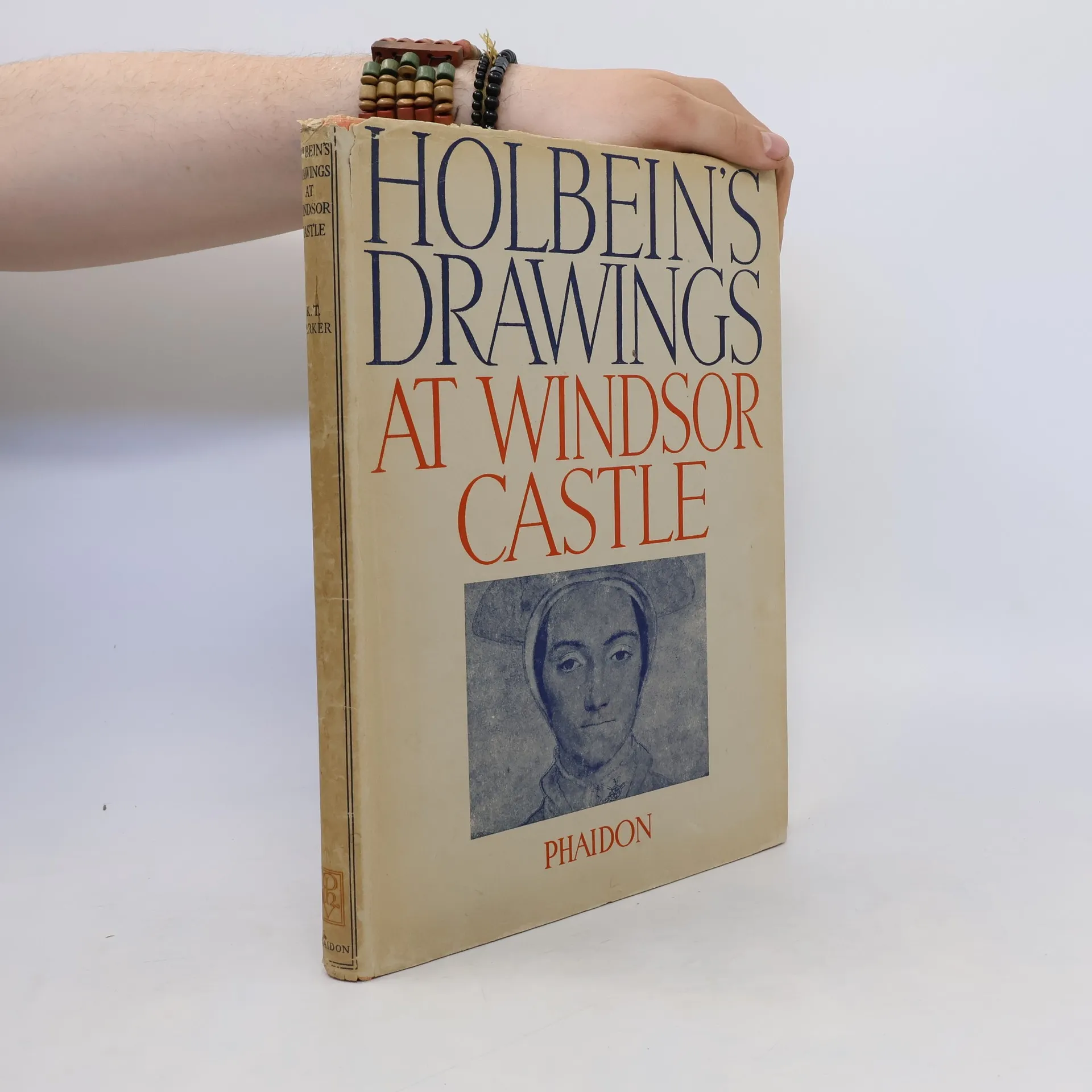
    Holbein's Drawings at Windsor Castle
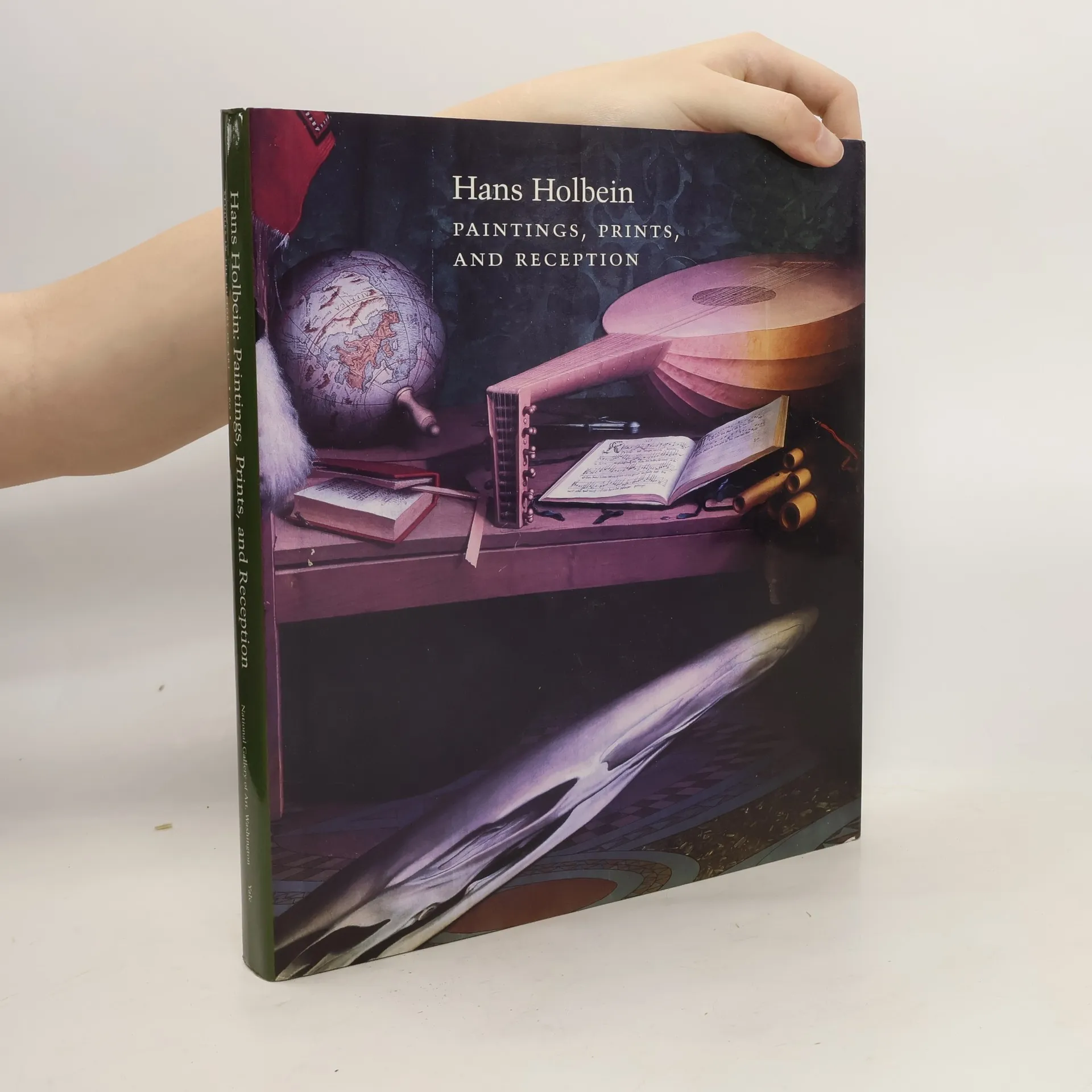
    Hans Holbein: paintings, prints, and reception [proceedings of the symposium "Hans Holbein: Paintings, Prints, and Reception, held 21 - 22 November 1997 in Washington]
    Holbein
    The Dance of Death
    • Es tut halt so sauwohl, keinen Verstand zu haben, dass die Sterblichen um Erlösung von allen möglichen Nöten lieber bitten, als um Befreiung von der Torheit. -ERASMUS Mit seiner Schrift Das Lob der Torheit eckte der Humanist Erasmus von Rotterdam bei vielen seiner Zeitgenossen. Zu offen wandte er sich gegen die weltlichen Auswüchse von Religion und Kirche. Auf dem Konzil von Trient (1545) wurde das Buch - wie die meisten anderen Bücher von Erasmus - auf den Index gesetzt. Geschadet hat es der Torheit und ihrer Beliebtheit allerdings nicht. Heutigen Lesern erlaubt Das Lob der Narrheit nicht nur einen tiefen Einblick in das Denken eines der größten Europäer, sondern bietet mit seinen bissigen Kommentaren und scharfsinnigen Analysen auch weiterhin beste Unterhaltung. Stultitia beendet ihr Selbstlob mit Ironie: Und jetzt - ich sehs euch an - erwartet ihr den Epilog. Allein, da seid ihr wirklich zu dumm, wenn ihr meint, ich wisse selber noch, was ich geschwatzt habe, schüttete ich doch einen ganzen Sack Wörtermischmasch vor euch aus. Mit 83 Handzeichnungen von Hans Holbein der Jüngere.

      Das Lob der Torheit: Mit Illustrationen von Hans Holbein2020
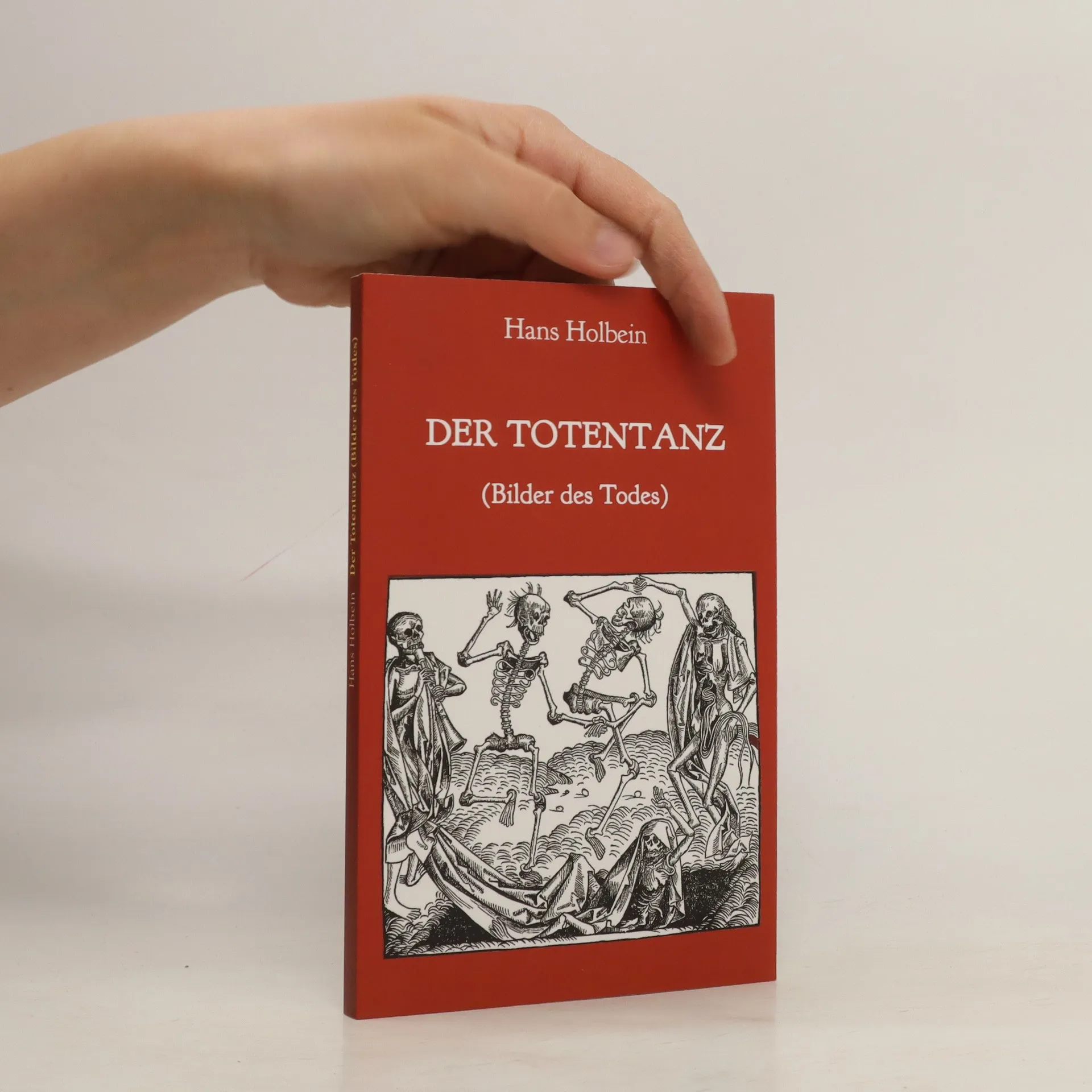
    • Der „Totentanz“ des Hans Holbein aus dem 16. Jahrhundert ist der wohl bekannteste im deutschen Sprachraum. Mit den eindringlichen Holzschnitten sollte den Menschen vor Augen geführt werden, daß ein jeder dem Tod begegnen wird. Sie sollen dazu anhalten, in sich zu kehren, und ein vor Gott rechtschaffenes Leben zu führen, da niemand weiß, wann die letzte Stunde kommt.

      Der Totentanz (Bilder des Todes)2020
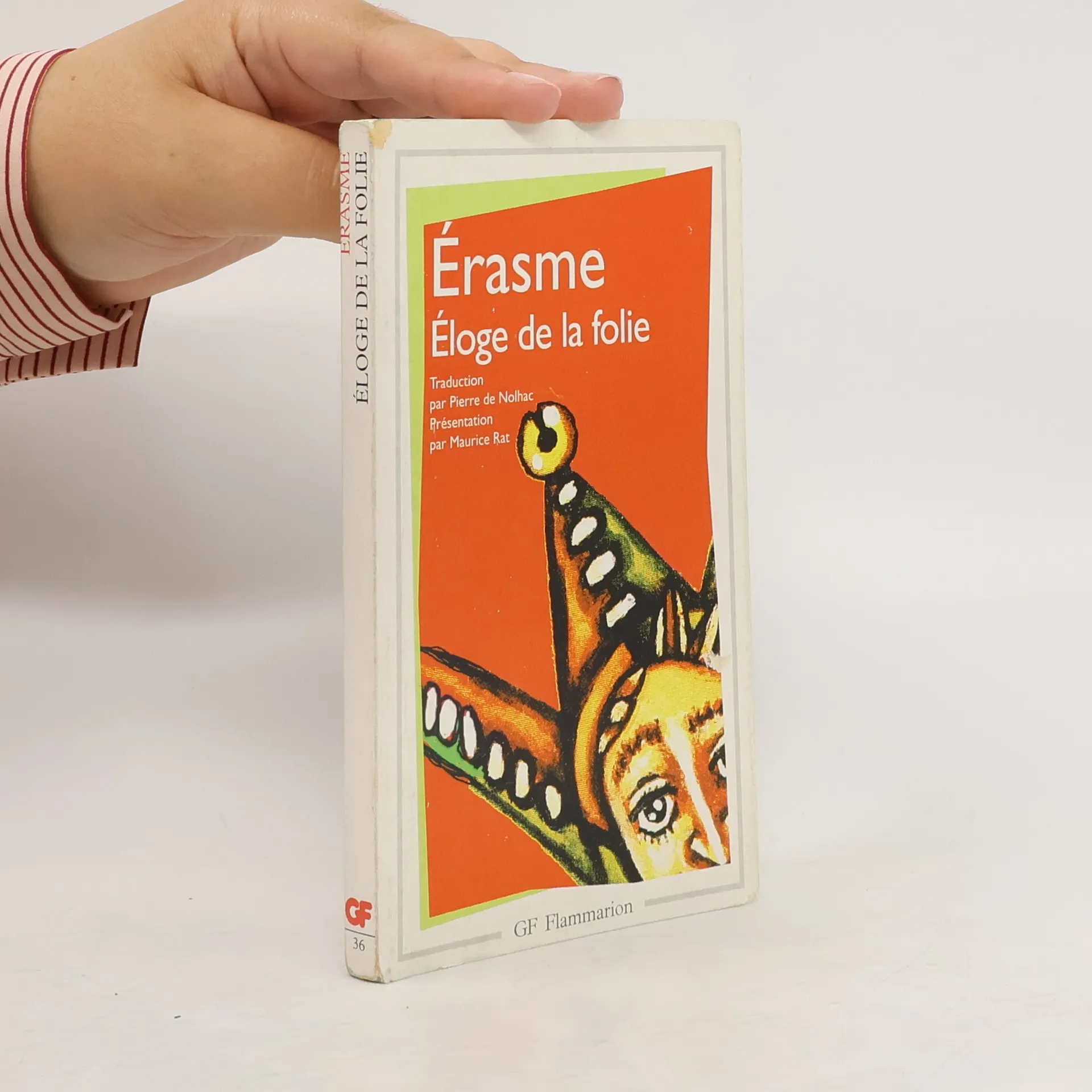
    • Eloge de la folie

      suivi de la Lettre d'Erasme à Dorpius

      • 185pages
      • 7 heures de lecture

      La folie, cette maîtresse des passions si dangereuse pour l'âme, ensorceleuse dénigrée par tant de générations de philosophes et d'esprits religieux, est ici transformée en bienfaitrice de l'humanité... Une bien grande ambition de la part d'un humaniste certainement avant-gardiste, voire visionnaire.

      Eloge de la folie2017
      3,7
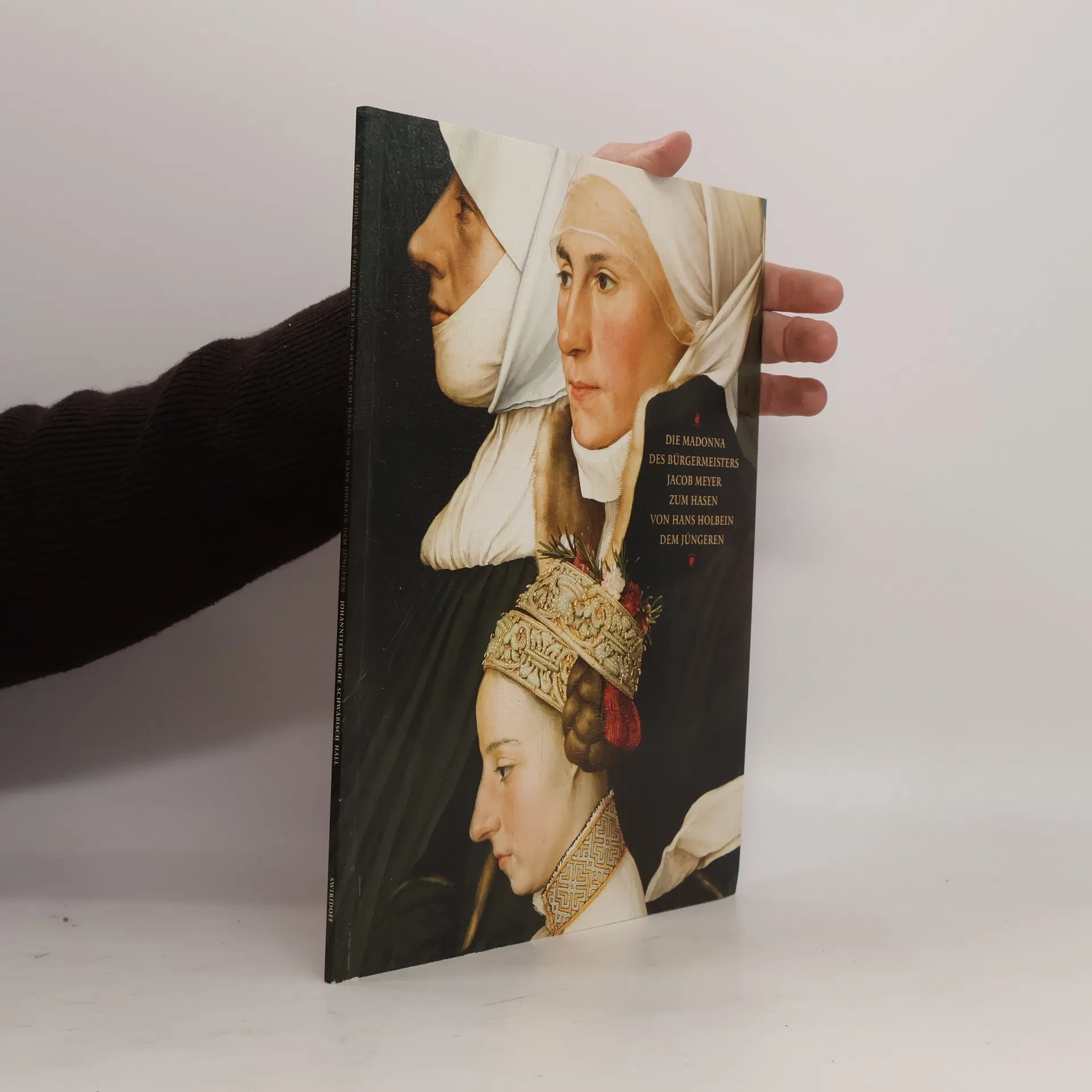
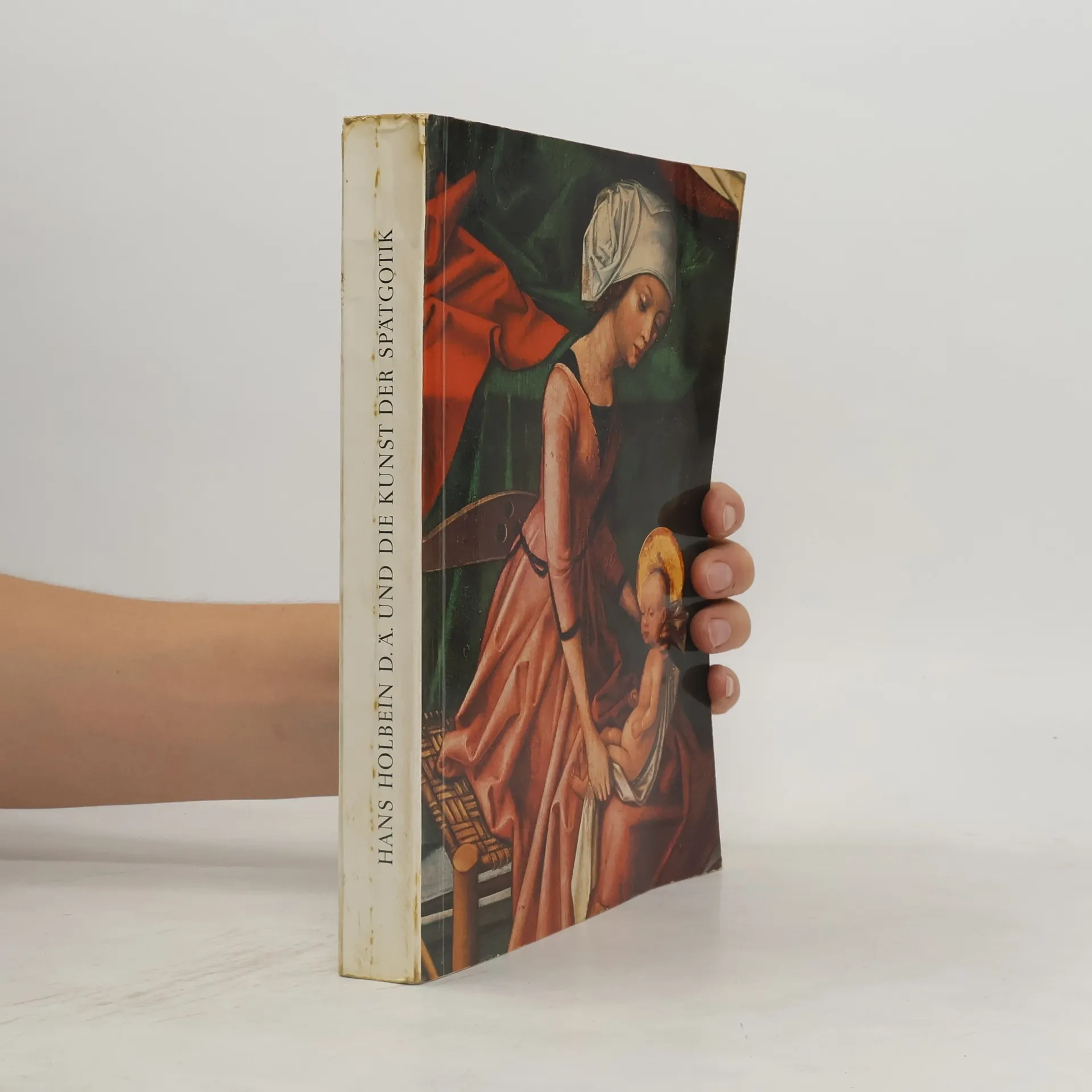
    • Vor fast 500 Jahren schuf Hans Holbein der Jüngere in Basel sein Meisterwerk, die 'Madonna des Bürgermeisters Jacob Meyer zum Hasen'. Diese Tafel, die mit der Sixtinischen Madonna von Raphael verglichen wird, erlangte Weltruhm durch ihre komplexe Entstehungsgeschichte, die geniale Bilderfindung Holbeins und ihr bewegtes Schicksal. Mit dem Erwerb des Gemäldes durch den Sammler Reinhold Würth findet die majestätische 'Schutzmantelmadonna' nun in der Schwäbisch Haller Johanniterhalle ihr neues Zuhause. Dort ist sie Teil einer bedeutenden Sammlung, die auch Werke von Lucas Cranach d. Ä., Tilmann Riemenschneider und dem Meister von Meßkirch umfasst, sowie ein Werk von Hans Holbeins d. Ä., dem Vater des Künstlers. Diese neue Madonna ergänzt die Sammlung der Alten Meister und zählt zu den berühmtesten und schönsten Altmeistergemälden der Welt. Hans Holbein d. J. gehört zu den herausragenden Künstlern des 16. Jahrhunderts. Die für ihre gelungene Generalsanierung preisgekrönte Johanniterkirche, ein säkularisiertes Kirchengebäude aus dem 12. Jahrhundert, bietet den idealen Rahmen für die bedeutende Sammlung Alter Meister in der Sammlung Würth.

      Die Madonna des Bürgermeisters Jacob Meyer zum Hasen von Hans Holbein d. J.2012
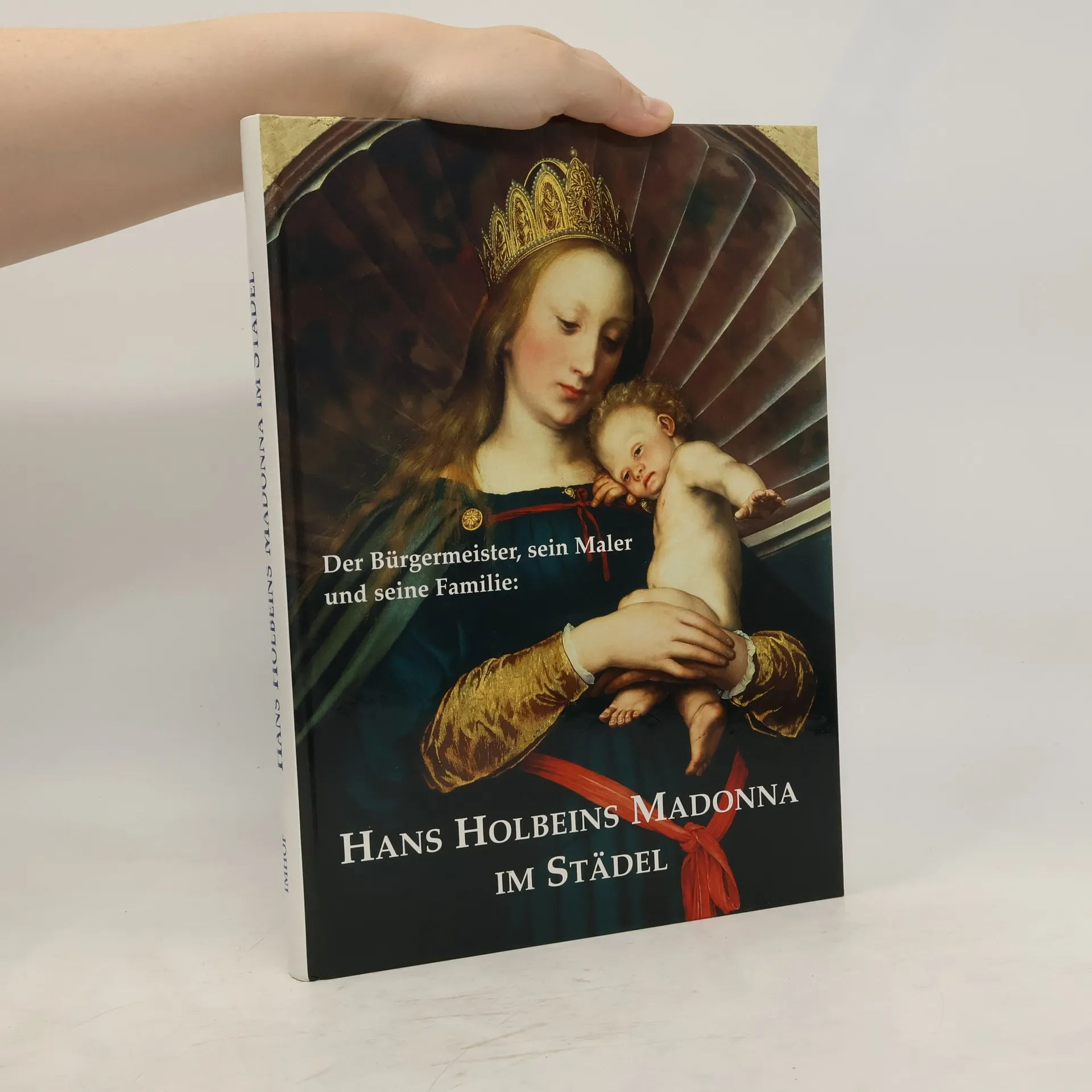
    • Hans Holbeins Madonna im Städel

      • 208pages
      • 8 heures de lecture

      Mit Beiträgen zur Madonna des Basler Bürgermeisters Jakob Meyer ("Darmstädter Madonna") und zum sog. Holbein-Streit.

      Hans Holbeins Madonna im Städel2003
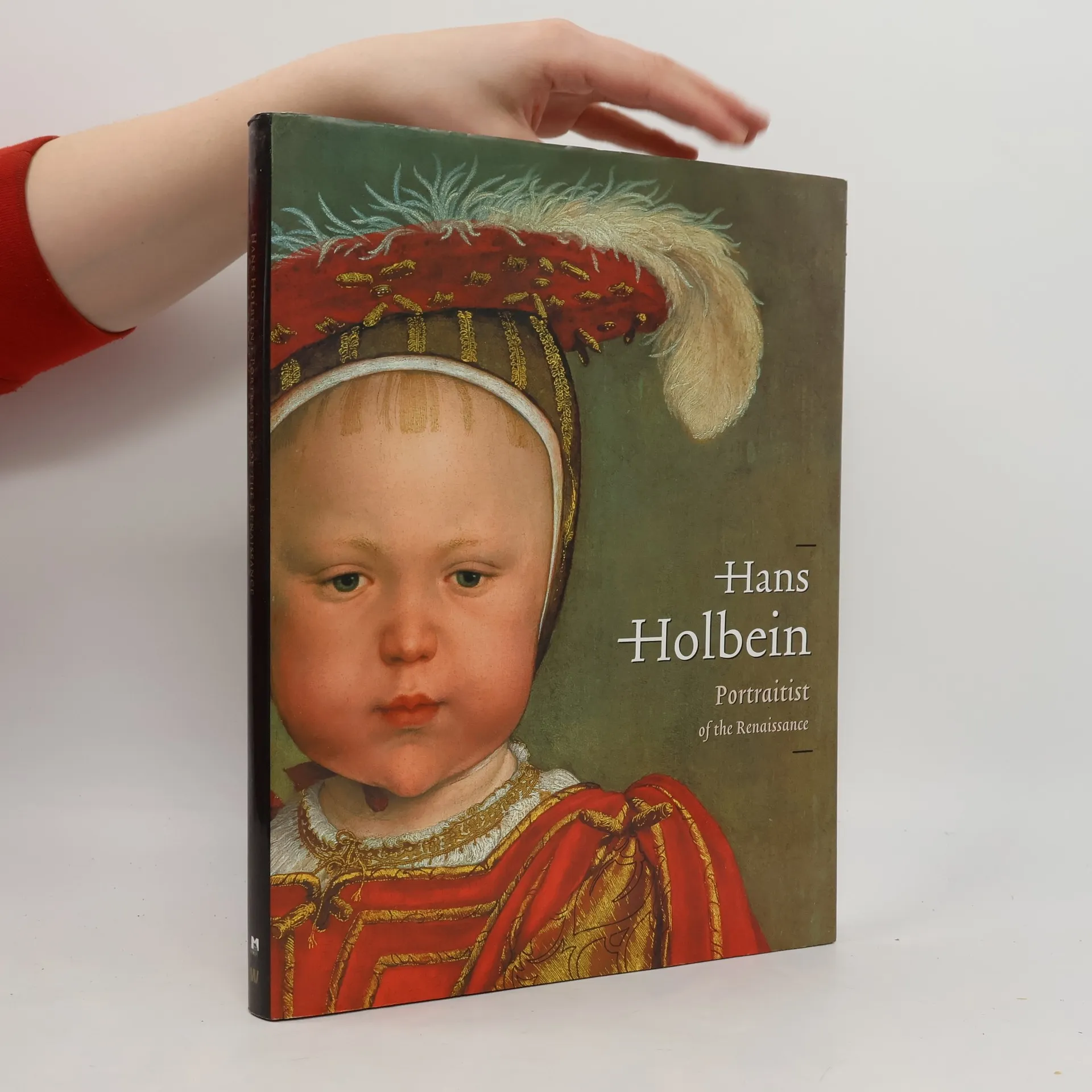
    • Hans Holbein

      Portraitist of the Renaissance

      • 184pages
      • 7 heures de lecture

      This publication has apprared on the occasion of the exhibition "Hans Holbein 1497/98-1543" in the Royal Cabinet of Paintings Mauritshuis, The Hague 16 august - 16 november 2003.

      Hans Holbein2003
    • This study brings together leading scholars from Europe and the United States to consider the art of Hans Holbein the Younger (1497/98–1543) from a variety of perspectives and disciplines. Generously illustrated and based on the most up-to-date research, the book is essential reading for anyone with an interest in Holbein the Younger and his magnificent art.In chapters relating to artistic exchange, the contributors discuss what Holbein knew of French and Italian art and how he utilized this knowledge. Conservation and technical chapters examine the materials and techniques in the painting The Ambassadors and documentary evidence on a series of festival paintings on canvas. Two contributors examine the artist’s woodcuts, particularly Dance of Death , in the light of contemporary political and theological issues. In addition, the historical and theoretical circumstances and contexts of Holbein’s portraits are investigated, notably their associations with classical antiquity and its revival in humanist thought. The book also considers the impact of the first scholarly monograph on Holbein’s reception and how German Romantic literary art criticism of the early nineteenth century shaped an image of his life and art.Published by the National Gallery of Art, Center for Advanced Study in the Visual Arts / Distributed by Yale University Press

      Hans Holbein: paintings, prints, and reception [proceedings of the symposium "Hans Holbein: Paintings, Prints, and Reception, held 21 - 22 November 1997 in Washington]2001
      4,4
    • Cinq cents ans après la naissance de l'artiste, l'ouvrage d'Oskar Bätschmann et Pascal Griener est une contribution majeure à la connaissance de l'art de Hans Holbein le Jeune (Augsbourg 1497 - Londres 1543), qui s'attache à l'ensemble de sa production.Formé par son père à Augsbourg, Holbein travaille pour d'importants mécènes en Suisse avant de s'établir en Angleterre à la cour du roi Henry VIII.Artiste ambitieux, Holbein a toujours cherché à se mesurer aux plus grands maîtres de l'Allemagne et de l'Italie comme Dürer et Mantegna et à ceux de l'Antiquité.Ni biographie ni catalogue raisonné, cet essai resitue Holbein dans son temps, en particulier en lui rendant sa culture et sa bibliothèque. On comprend enfin clairement l'influence de la pensée d'Érasme sur sa peinture et on découvre un artiste intellectuel, pétri d'humanisme et de classicisme.

      Hans Holbein1997
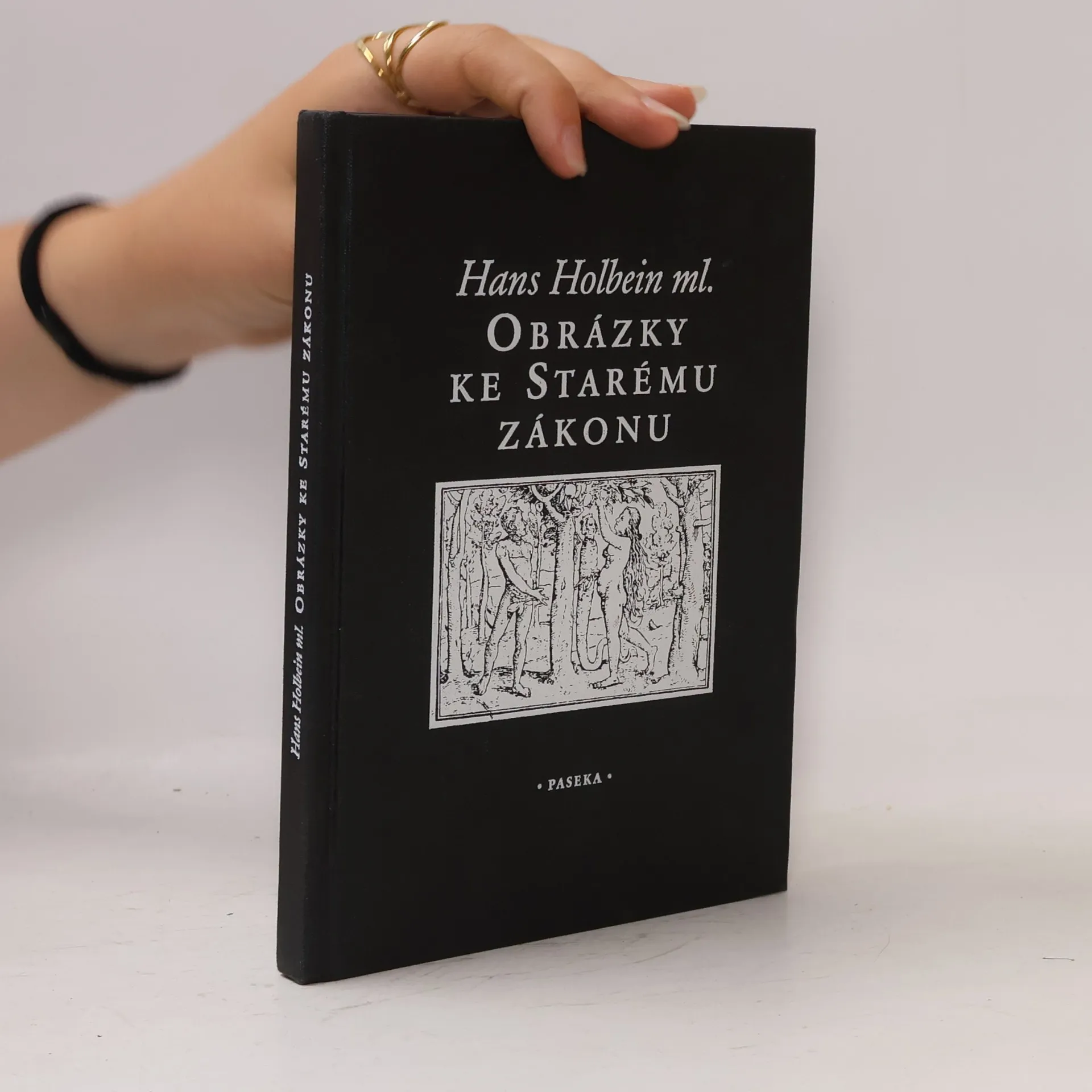
    • Obrázky ke Starému zákonu

      • 126pages
      • 5 heures de lecture

      Publikace přibližuje výtvarný doprovod významného německého renesančního malíře ke Starému zákonu.

      Obrázky ke Starému zákonu1996
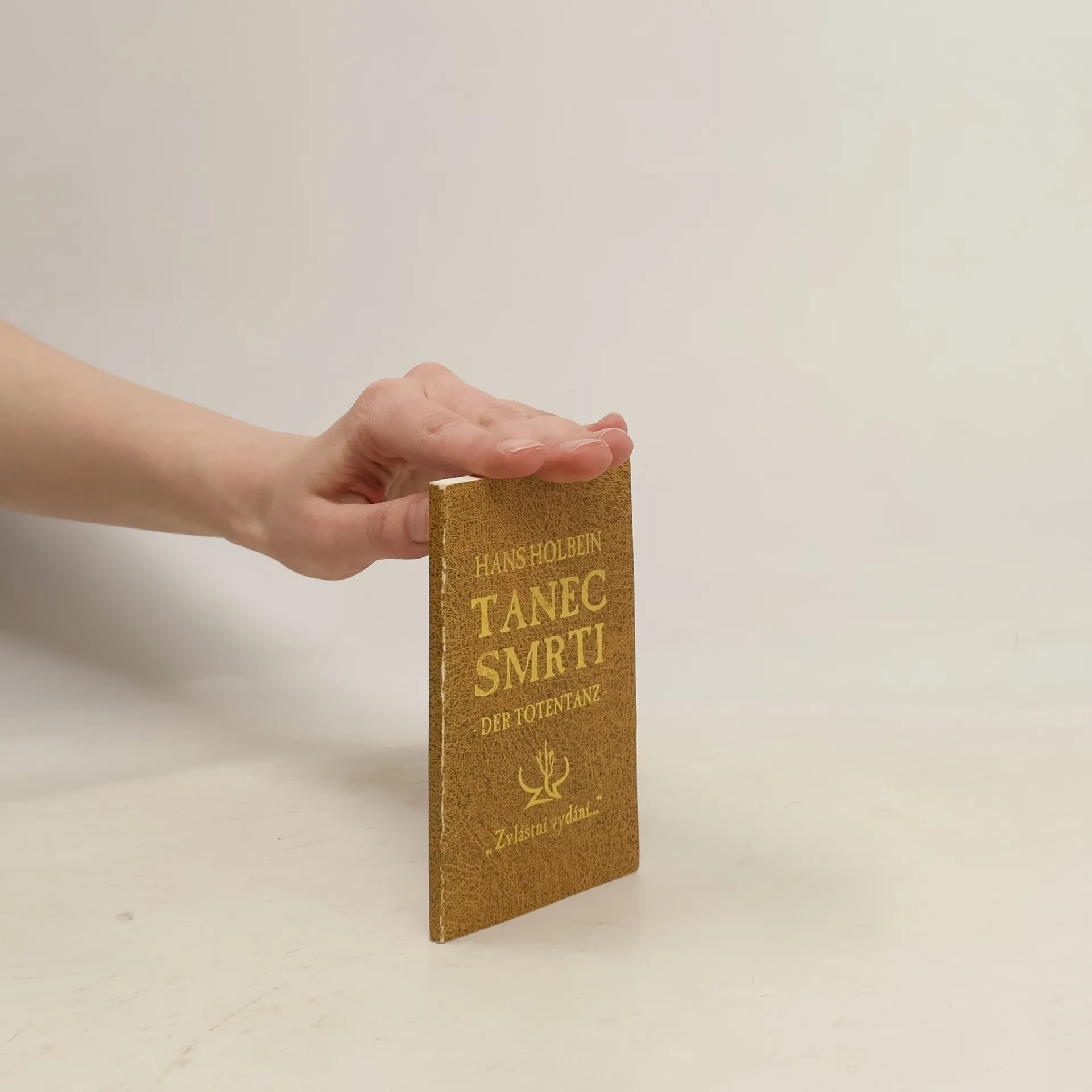
    • Tanec smrti: Zvláštní vydání

      • 92pages
      • 4 heures de lecture

      „Tanec smrti" Hanse Holbeina mladšího (1497 – 1543) je vrcholným dílem, které spojuje myšlenky končícího středověku a nastupující renesance. Téma smrti, které se vyvinulo od 14. století, se objevovalo v různých formách, včetně divadelních a maleb na hřbitovech. Na konci 15. století se "tanec smrti" již prezentoval v knižní podobě s dřevoryty. Holbein vytvořil své slavné dílo v letech 1524-25 v Basileji, kde byl obeznámen s místními verzemi „tance smrti". Na rozdíl od předchozích interpretací, které ztvárňovaly smrt jako stín, Holbeinova smrtka je živou postavou, která interaguje s lidmi jako přítel či nepřítel. Jeho dílo reflektuje myšlenku, že „jsme uprostřed života, v objetí smrti", přičemž Holbein zachycuje klíčové okamžiky v životě jednotlivce. Vysvětlující texty jsou minimální, stačí jednoduché označení stavu nebo věkové skupiny. Holbein „Tanec smrti" nakreslil třikrát, přičemž dřevoryty vytvořil Hans Lützelburger. První „zkušební" výtisky byly otištěny již v roce 1526. V roce 1538 bratři Trechselové vydali první datované výtisky v Lyonu. Toto dílo vychází v Čechách poprvé a zachovává hierarchii tehdejší doby. Dva obrazy z „Tance smrti" se nacházejí také na zdi prachatické radnice.

      Tanec smrti: Zvláštní vydání1994
      5,0
    • „Tanec smrti" Hanse Holbeina mladšího (1497 – 1543) představuje vrchol formálního a myšlenkového zpracování tématu smrti, které se vyvíjelo od středověku k renesanci. Téma se objevilo ve 14. století ve Francii, kde se začaly objevovat divadelní formy a malby „tance smrti" na hřbitovech a v klášterech. Na konci 15. století se již objevují knižní verze s dřevoryty. Holbein vytvořil své nejslavnější dílo v letech 1524-25 v Basileji, kde byl obeznámen s místními „tanci smrti". Zatímco předchozí umělci zachovávali tradiční ztvárnění, Holbeinovo pojetí je inovativní. Jeho smrtka není pouhým symbolem, ale živou postavou, která interaguje s lidmi jako přítel či nepřítel. Holbeinovo dílo je variací na myšlenku, že „jsme uprostřed života, v objetí smrti", a vyjadřuje klíčové momenty v životě jednotlivce. Dřevoryty vytvořil Hans Lützelburger, a první „zkušební" výtisky byly otištěny již v roce 1526. V roce 1538 bratři Trechselové vydali první datované výtisky v Lyonu. V Čechách vychází toto dílo poprvé, přičemž zachovává hierarchii tehdejší doby. Dva obrazy z „Tance smrti" se nacházejí i na zdi prachatické radnice, dokončené v roce 1571.

      Tanec smrti = Der Totentanz1994
      5,0
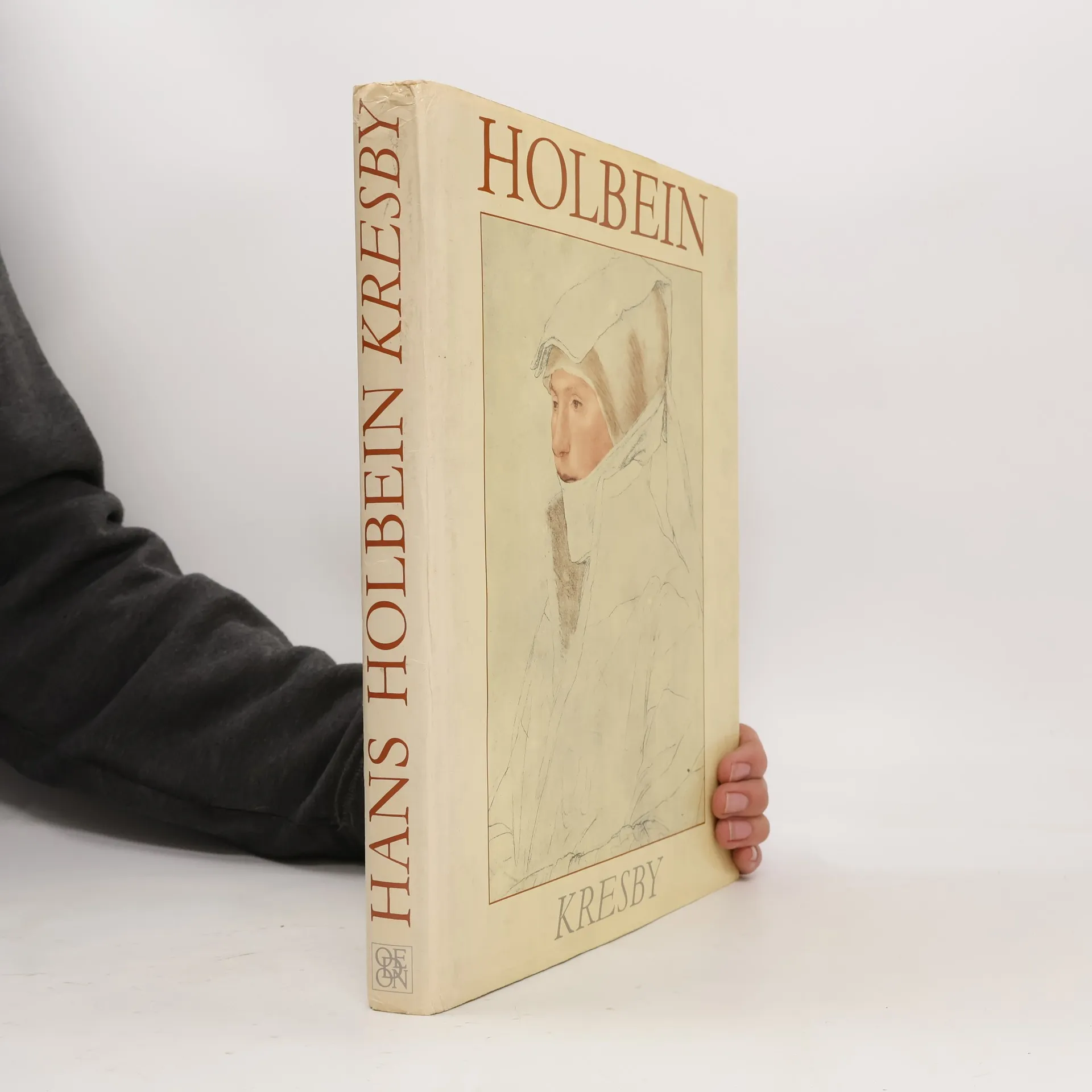
    • Holbein

      • 147pages
      • 6 heures de lecture
      Holbein1988
      4,0
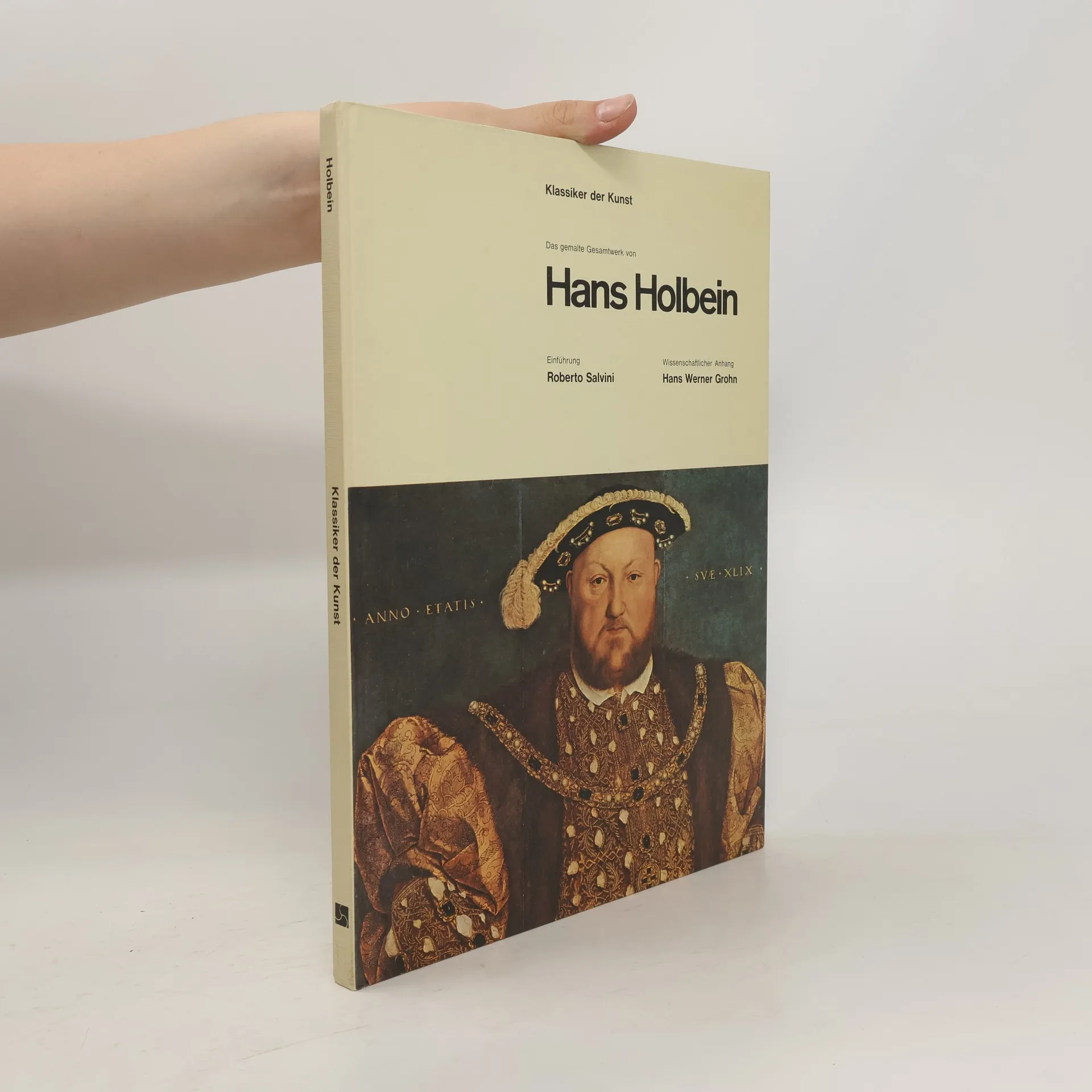
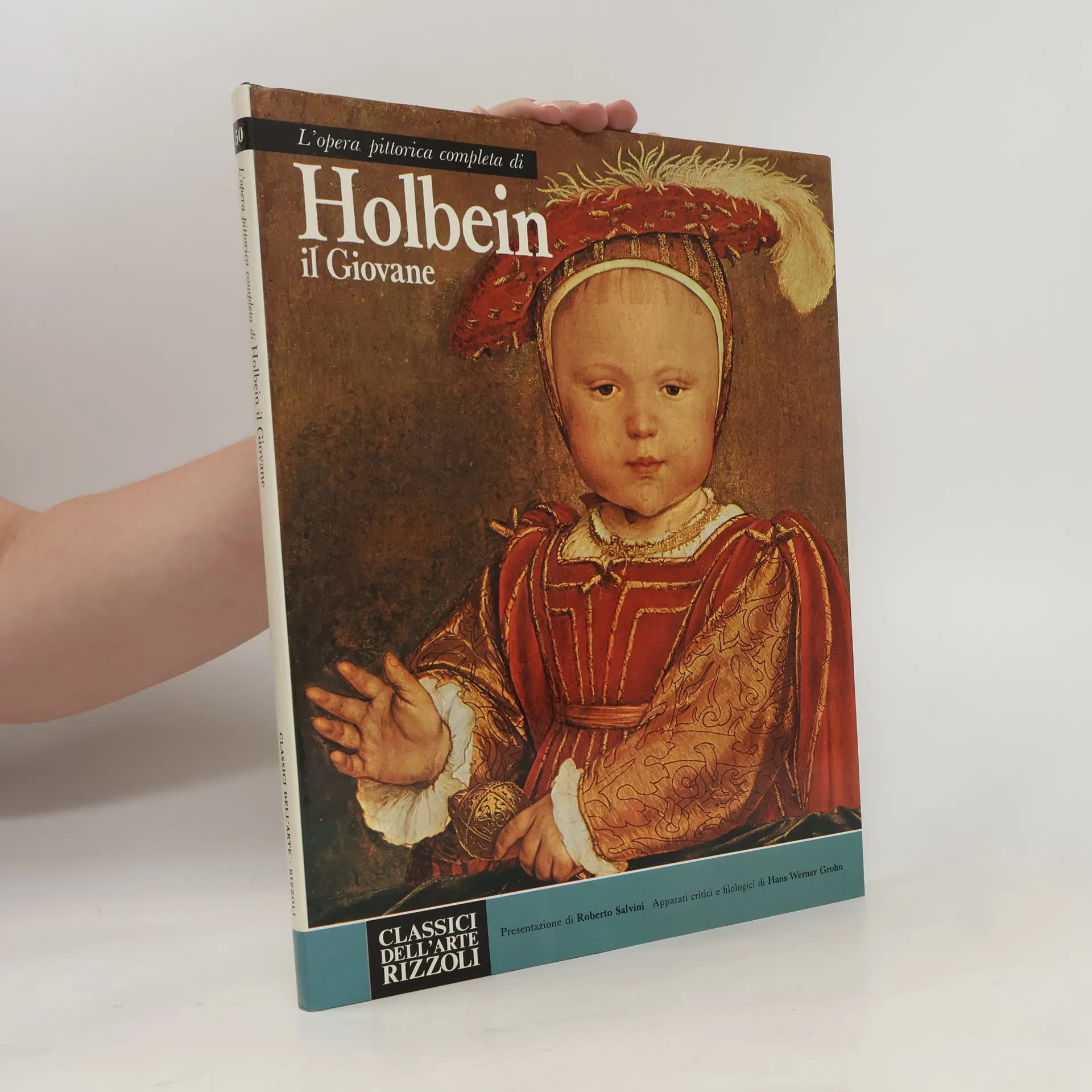
    • Holbein

      the complete paintings

      Complete paintings of Holbein. Full page color photos of paintings

      Holbein1980
      4,0
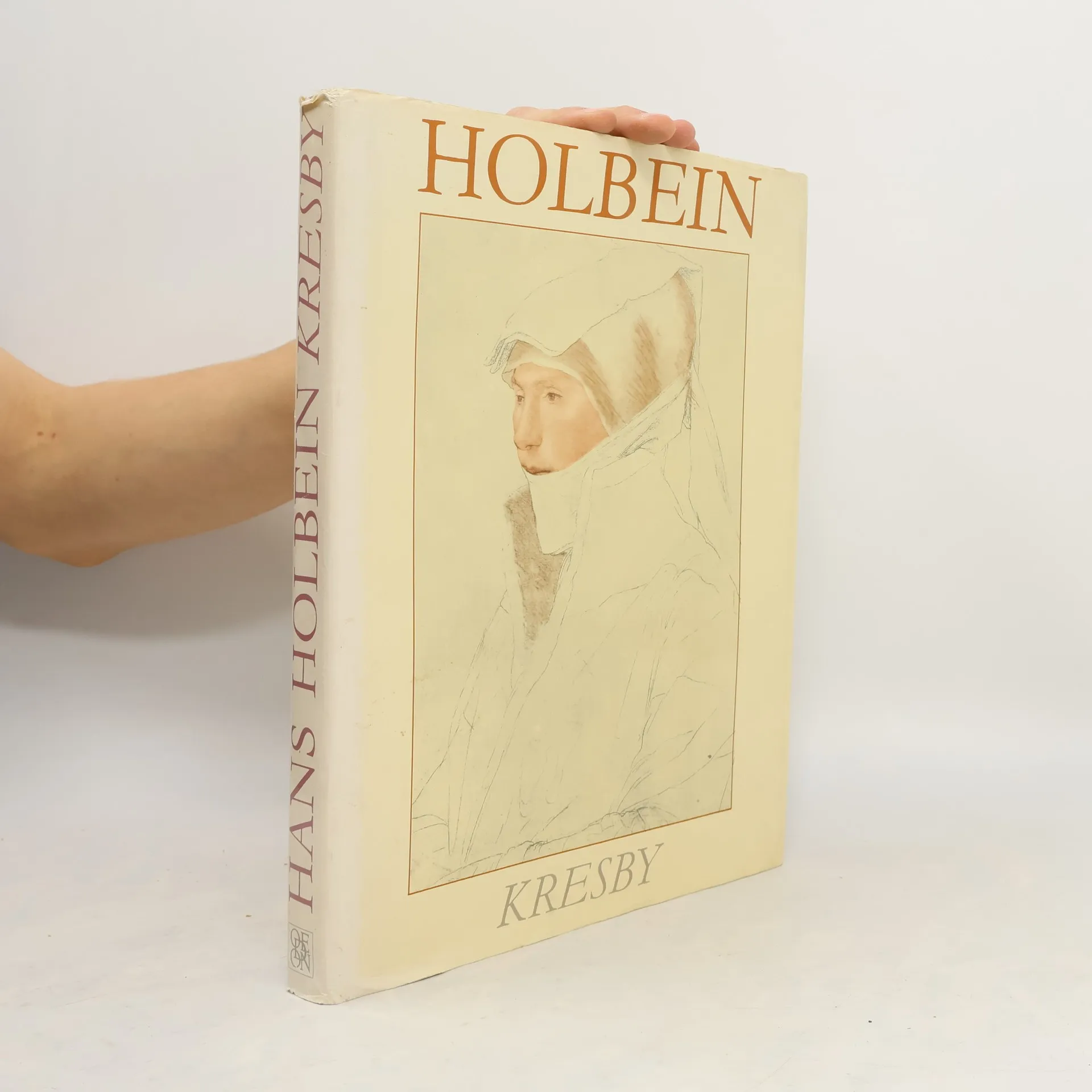
    • Kresby Hanse Holbeina mladšího, jednoho z největších portrétistů všech dob, patří v umění k nepomíjivým hodnotám. Obrazová část knihy, sestavená z 57 celostránkových světlotiskových reprodukcí, přináší výběr z nejznámějších a nejhodnotnějších Holbeinových kreseb.

      Holbein kresby1976
    • Exploring the theme of mortality, this work features a series of striking illustrations by Hans Holbein that depict the Dance of Death, a medieval allegory illustrating the universality of death. Each image presents various figures from different social classes, emphasizing that death comes for everyone, regardless of status. Holbein's intricate artistry and poignant commentary reflect the societal attitudes of his time, making this a powerful and thought-provoking piece on the inevitability of death and the human condition.

      The Dance of Death1947
      4,2