Unnatural Selection
Choosing Boys Over Girls, And The Consequences Of A World Full Of Men
- 336pages
- 12 heures de lecture
A shocking expose of the causes of Asia's massive gender imbalance and its consequences across the globe


Mara Hvistendahl est une écrivaine et journaliste primée, spécialisée à l'intersection de la science, de la culture et de la politique. Correspondante pour le magazine Science, elle a également écrit pour un éventail de publications prestigieuses. Sa vaste expérience de reportage, notamment en Chine où elle a passé beaucoup de temps, offre une perspective unique sur les développements mondiaux. Le travail de Hvistendahl explore les liens complexes entre le progrès scientifique et ses implications sociétales.

Choosing Boys Over Girls, And The Consequences Of A World Full Of Men
A shocking expose of the causes of Asia's massive gender imbalance and its consequences across the globe
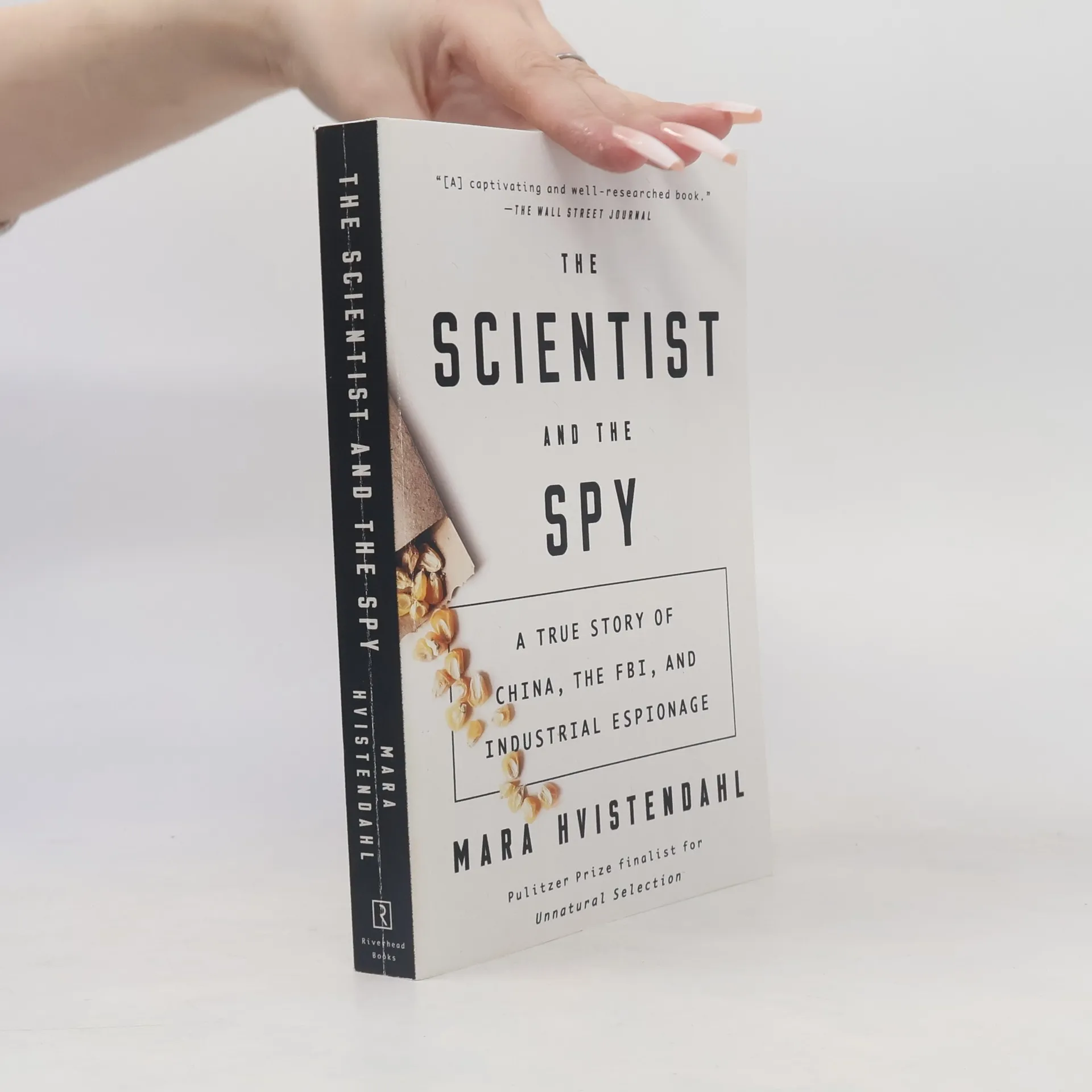
This riveting true story details a case of industrial espionage involving a Chinese-born scientist convicted of attempting to steal U.S. trade secrets. In September 2011, Iowa sheriff's deputies discovered three Asian men in a cornfield leased by Monsanto for patented hybrids. What began as a routine inquiry escalated into a federal case, leading to Mo Hailong, also known as Robert Mo, pleading guilty to conspiracy to steal trade secrets from U.S. agro-giants DuPont Pioneer and Monsanto for the China-based DBN Group. This case highlights the U.S. government's efforts to combat the rising tide of industrial espionage, particularly from Chinese companies, which costs U.S. businesses billions annually. As former Attorney General Eric Holder noted, companies fall into two categories: those aware of their compromise and those unaware. Journalist Mara Hvistendahl explores this troubling phenomenon as China advances toward technological dominance, shedding light on U.S. initiatives to protect proprietary innovation and technology. With increasing concerns about the threats to Western competitiveness, the narrative underscores the significance of espionage in innovation and questions whether current counter-espionage strategies serve the public good. The result is a compelling nonfiction thriller and a call to rethink how we safeguard intellectual property.