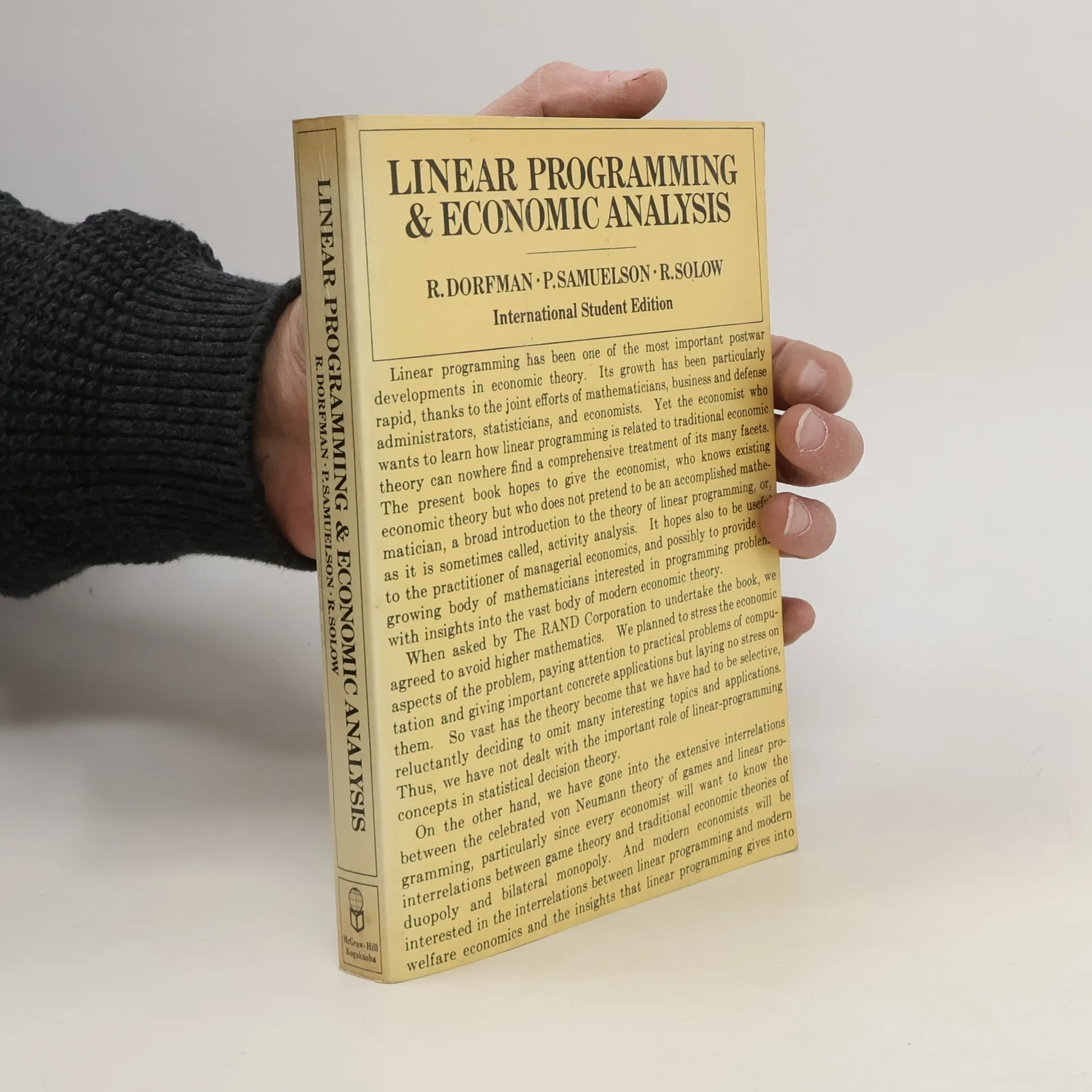
Alfred Marshall, the founder of modern economics, once described economics as 'the study of mankind in the ordinary business of earning a living'. In Economics for the Curious, 12 Nobel Laureates show that 'the ordinary business of earning a living' covers a wide range of activities, as they take readers on an engaging tour of some of the everyday issues that can be explored using basic economic principles. Written in the plainest possible language, Nobel Laureates including Paul Krugman, Eric Maskin, Finn E. Kydland and Vernon Smith confront some of the key issues challenging society today – challenges that claim attention in any phase of the business cycle. The range of topics includes how economic tools can be used to rebuild nations in the aftermath of a war; financing retirement as longevity increases; the sustainable use of natural resources and what governments should really be doing to boost the economy. Economics for the Curious is an accessible but informative display of the kinds of questions economics can illuminate. It will appeal to anyone who has an interest in economics and the world around them, and we hope it will encourage further interest and study in the topic from readers everywhere.
Robert M. Solow Livres
Robert Merton Solow était un économiste américain dont les travaux ont profondément modifié la compréhension de la croissance économique. Il a développé un modèle mathématique qui dépassait le simple travail et capital pour intégrer un troisième élément crucial : le progrès technologique, appelé 'résidu de Solow'. Ses théories ont remis en question les notions antérieures de crises économiques inévitables et ont souligné l'importance de l'innovation pour un développement durable. Les contributions de Solow résident dans son examen rigoureux des dynamiques qui stimulent l'expansion économique.


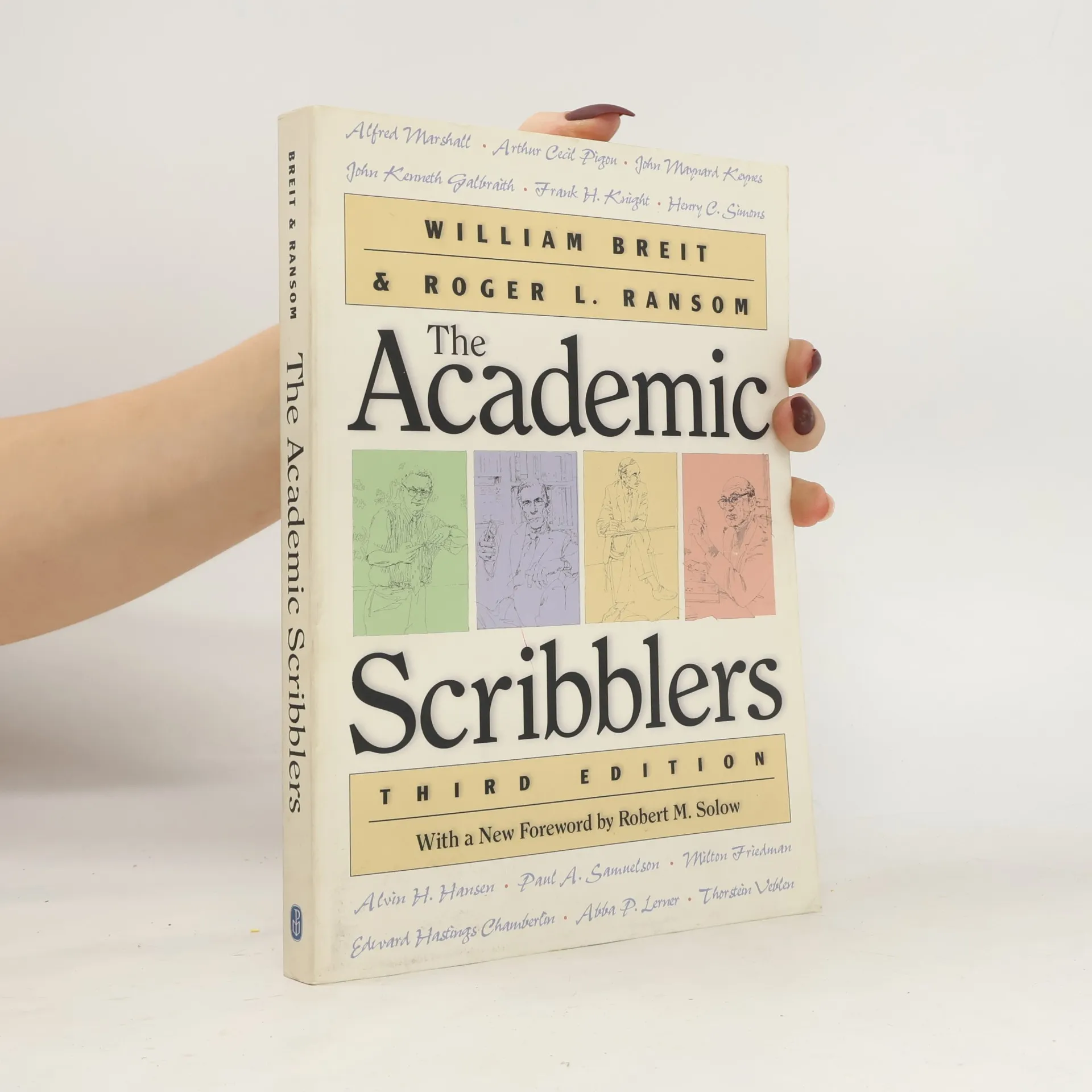
The Academic Scribblers
Third Edition - With a New Foreword by Robert M. Solow
- 282pages
- 10 heures de lecture
The Academic Scribblers offers a thoughtful and highly literate summary of modern economic thought. It presents the story of economics through the lives of twelve major modern economists, beginning with Alfred Marshall and concluding with Paul Samuelson and Milton Friedman. In a very real sense, this book picks up where Robert Heilbroner's classic The Wordly Philosophers leaves off. Whereas Heilbroner begins with Smith and ends with Joseph Schumpeter, Breit and Ransom bring the story of modern American and British economic theory up to the 1980s. The Academic Scribblers is an elegant summary of modern economic policy debate and an enticement into a happy engagement with the dismal science of economics. Originally published in 1998. The Princeton Legacy Library uses the latest print-on-demand technology to again make available previously out-of-print books from the distinguished backlist of Princeton University Press. These editions preserve the original texts of these important books while presenting them in durable paperback and hardcover editions. The goal of the Princeton Legacy Library is to vastly increase access to the rich scholarly heritage found in the thousands of books published by Princeton University Press since its founding in 1905.