Le Puits et le pendule: Khmers rouges!
Matériaux pour l'histoire du communisme au Cambodge
- 396pages
- 14 heures de lecture
French


Le Dr Benedict F. Kiernan est un universitaire et historien américain dont le travail examine de manière critique les forces historiques complexes et les dynamiques politiques qui mènent aux conflits et à l'oppression systématique. Il explore en profondeur les racines et les manifestations du génocide, analysant méticuleusement le contexte historique et les relations internationales qui façonnent ces événements dévastateurs. Les travaux de Kiernan offrent aux lecteurs un aperçu pénétrant de certains des chapitres les plus sombres de l'histoire humaine, éclairant les voies complexes menant à l'atrocité.

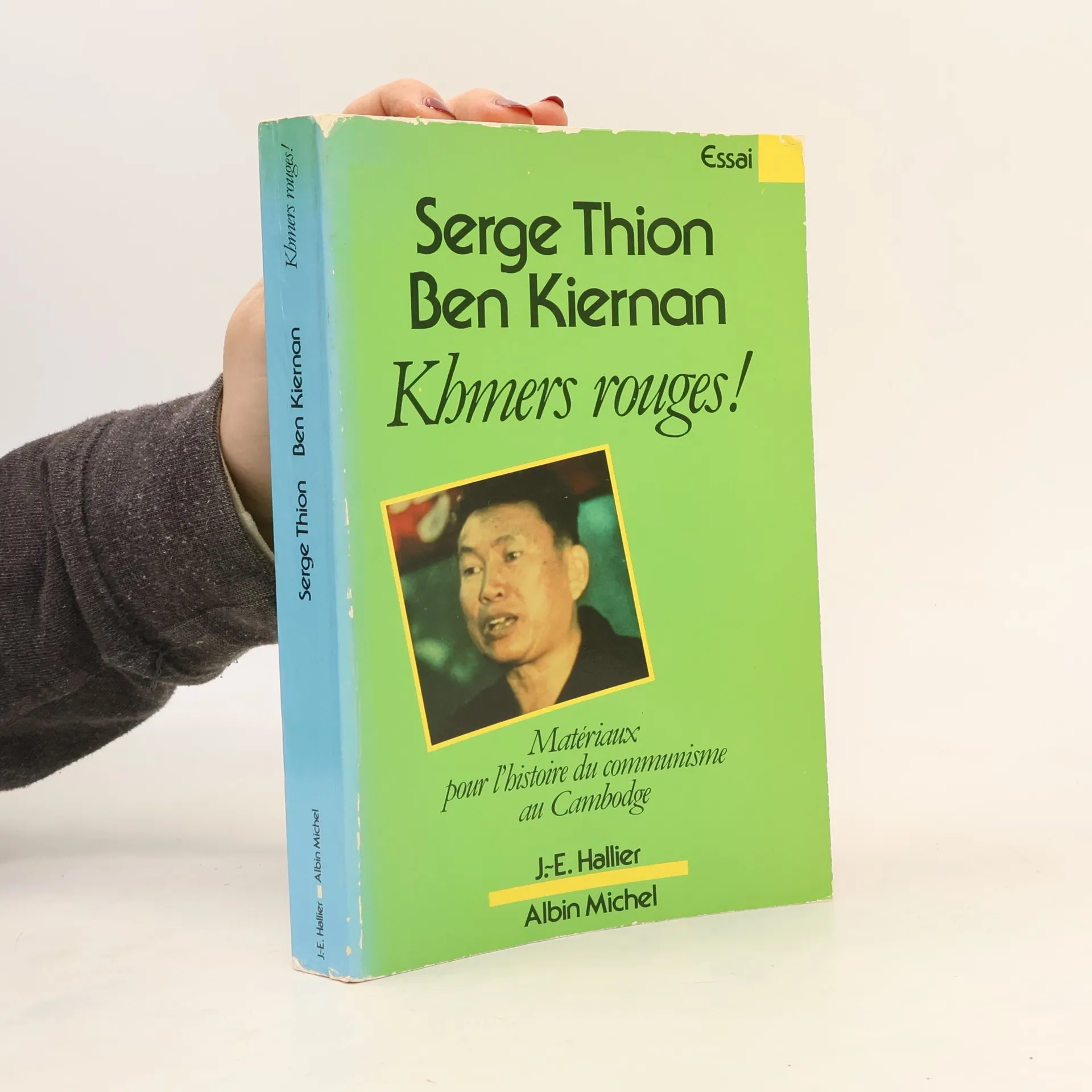
Matériaux pour l'histoire du communisme au Cambodge
French
Documentation, Denial, and Justice in Cambodia and East Timor
The book explores two contemporary instances of genocide and extermination that emerged in Southeast Asia in the same year. It delves into the historical contexts, political dynamics, and human experiences surrounding these tragic events, highlighting the causes and consequences of such atrocities. Through detailed analysis, the narrative aims to shed light on the complexities of human rights violations and the ongoing struggle for justice in the region.
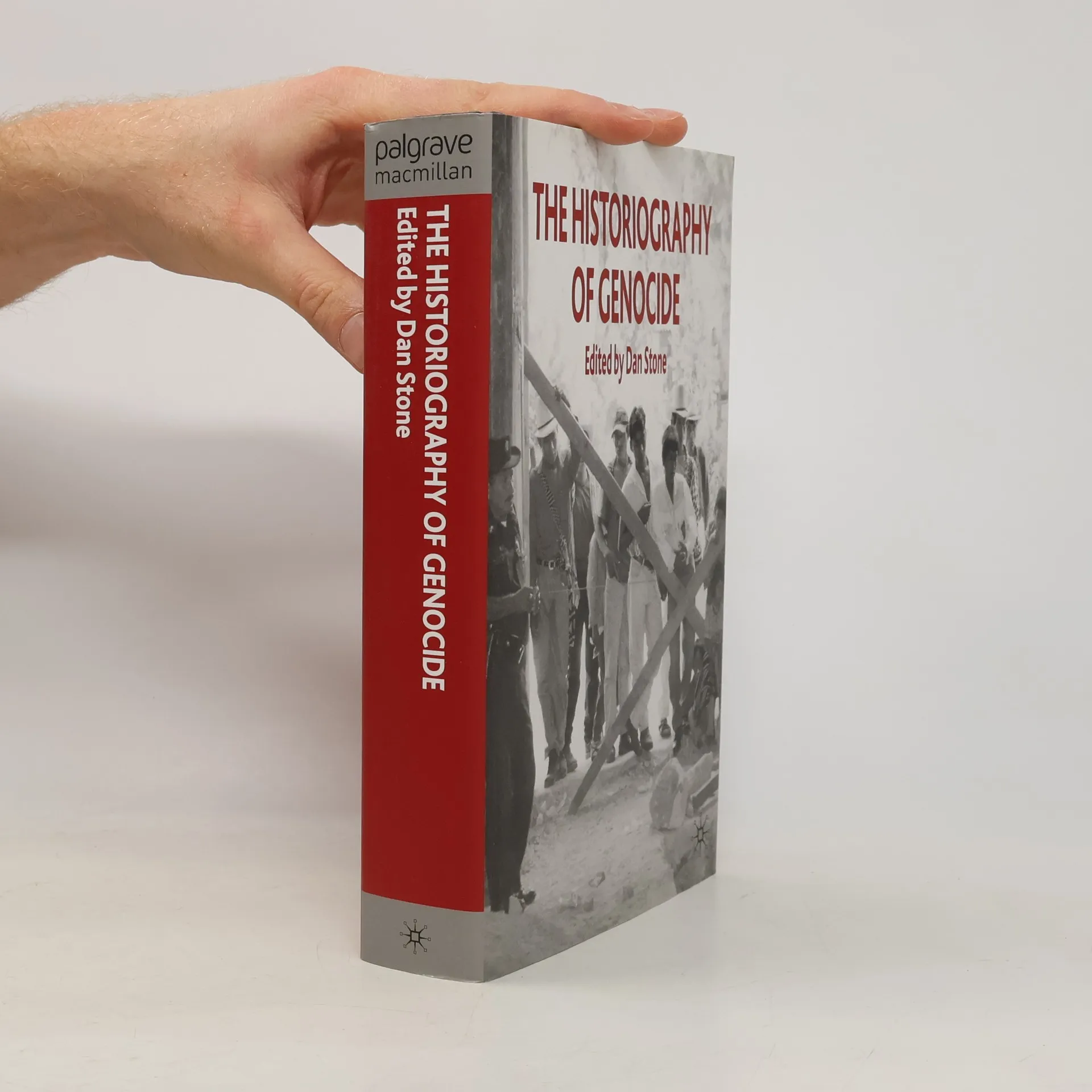
The Historiography of Genocide is an indispensable guide to the development of the emerging discipline of genocide studies and the only available assessment of the historical literature pertaining to genocides.
Presents the global history of genocide and extermination from ancient times. This book examines outbreaks of mass violence from the classical era to the present, focusing on colonial exterminations and 20th-century case studies including the Armenian genocide, the Nazi Holocaust, Stalin's mass murders, and the Cambodian and Rwandan genocides.
An exploration of what happened in Cambodia from 1930 to 1975, this title traces the origins and trajectory of the Cambodian Communist movement and sets the ascension of Pol Pot's genocidal regime in the context of the conflict between colonialism and nationalism.
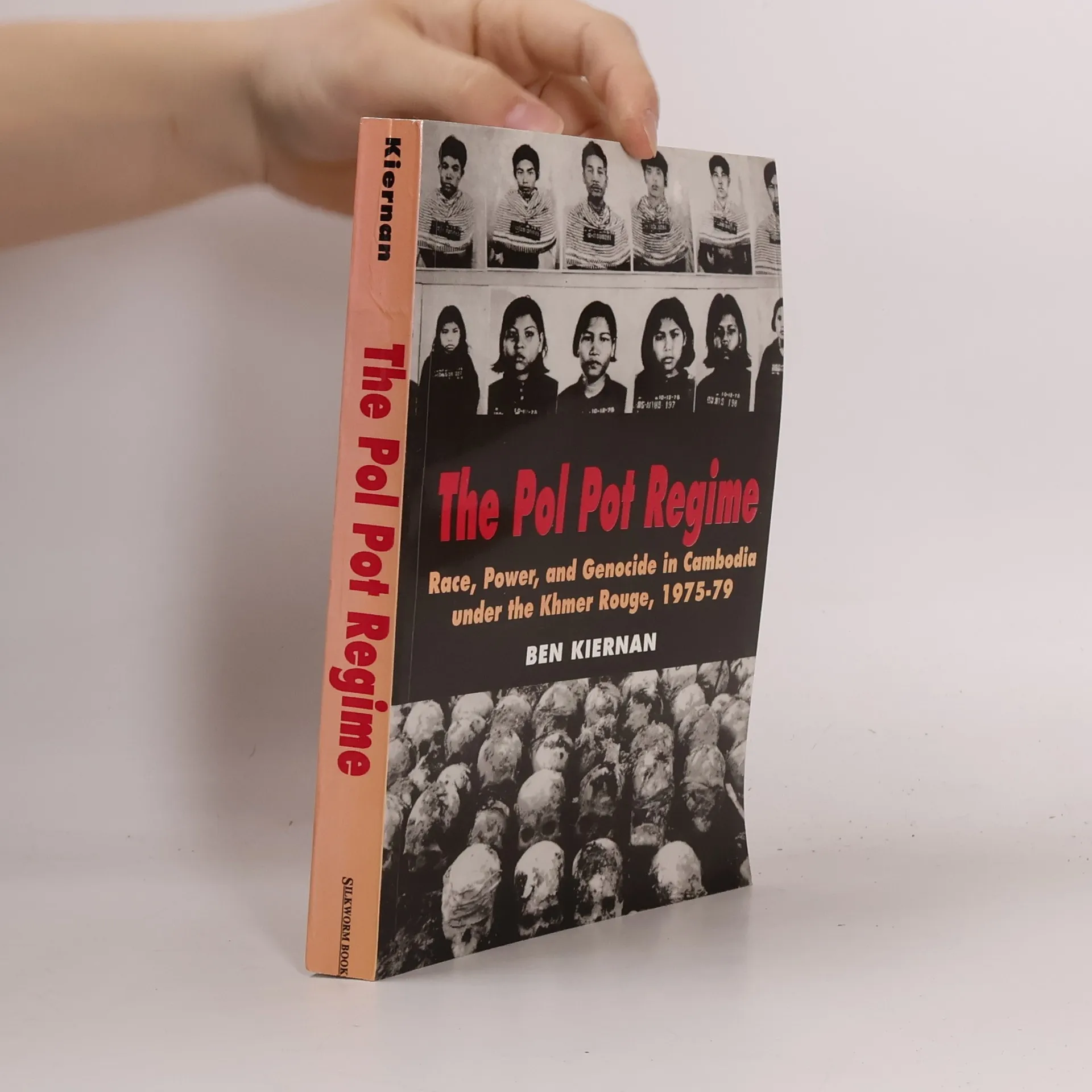
The Khmer Rouge revolution turned Cambodia into grisly killing fields, as the Pol Pot regime murdered or starved to death a million and a half of Cambodia's eight million inhabitants. This book - the first comprehensive study of the Pol Pot regime - describes the violent origins, social context, and course of the revolution, providing a new answer to the question of why a group of Cambodian intellectuals imposed genocide on their own country.