Ludmila Zapletalová Ordre des livres (chronologique)


Teória a didaktika športových hier I
- 184pages
- 7 heures de lecture
101 praktických rád - Golf
- 72pages
- 3 heures de lecture
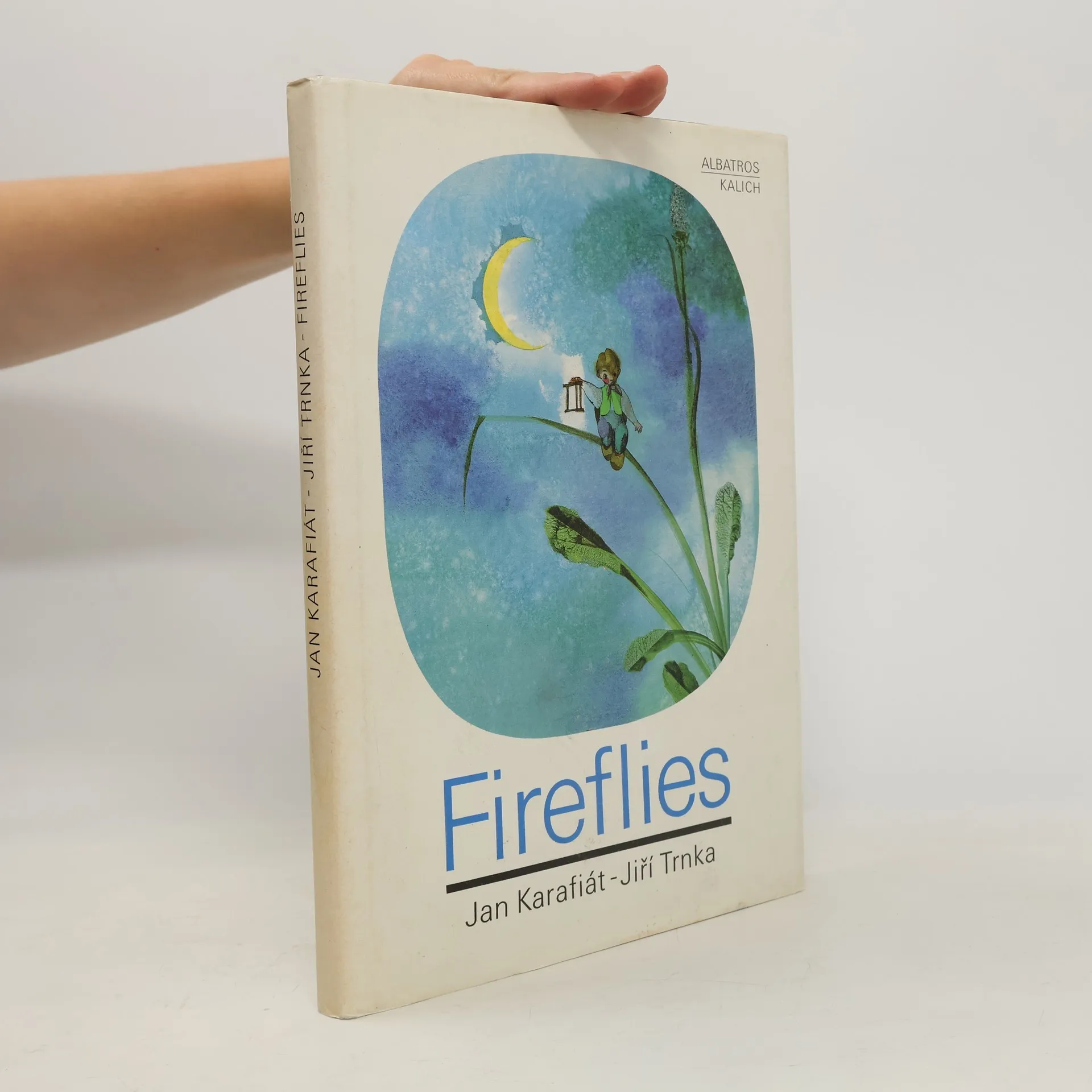
Fireflies
- 92pages
- 4 heures de lecture
The book tells the story of a family of fireflies – a mother, a father, and their mischievous son. The fireflies live in harmony with nature and their faith, praying before meals and believing that everything they encounter is from God's hands. The wisest character is Janinka, inspired by a Scottish patroness who supported the author both intellectually and materially, enabling the publication of the first edition. Before winter, the fireflies prepare their home and keep warm through the cold months. The animal characters exhibit human traits, embodying both good and bad qualities. They consider selfless work for others a given, and their relationships are filled with understanding and love. The story follows the adventures of the young firefly as he matures and experiences the cycle of life within a family where children become parents. The author addresses death as a natural part of life, gently conveying its presence. The poetic style, influenced by folk language, and the vivid depiction of nature throughout the seasons contribute to the book's immense success.
Sport
- 64pages
- 3 heures de lecture
Boxen, Fußball, Tennis, Karate, Rugby und vieles mehr: Dieser Band macht mit über 50 populären und noch zu entdeckenden Sportarten bekannt
Toto rozsáhlé encyklopedické dílo čtenáře postupně seznámí s poklady světového umění. Opírá se o proslulé dějiny Josého Pijoana, které vyšly před téměř 70 lety. Čtenáři, milovníci umění, ocení bohatství obrazové dokumentace, na níž je dílo založeno. Vynikající barevné reprodukce představují jednotlivé kultury, epochy, umělecké proudy a osobnosti. Desetidílné Dějiny umění jsou určeny širokému okruhu zájemců o výtvarnou kulturu a kulturní historii. První svazek zavede čtenáře do samých počátků výtvarné tvorby v hlubinách pravěku, za kulturou starého Egypta a Íránu, za uměním sumerským, akkadským, babylonským a asyrským i za památkami předkolumbovské Ameriky.
Historia del Arte Salvat 8
- 296pages
- 11 heures de lecture
El octavo volumen presenta el arte de los siglos XVIII y XIX, un período ricamente estructurado que abarca desde el rococó hasta la pintura postimpresionista. En Europa, el arte entró en la modernidad, liberándose de diversas convenciones y ampliando las posibilidades de respuesta a los cambios contemporáneos. En el siglo XVIII, los pintores se sintieron atraídos por el mundo cotidiano de las personas y los objetos; el clasicista David y los románticos Géricault y Delacroix representaron los grandes acontecimientos de la época; el realismo de Courbet, Millet y Daumier retrató al hombre común y su entorno. La pintura de paisajes y el impresionismo se desarrollaron; van Gogh reveló las posibilidades expresivas del color, mientras que Cézanne exploró sus posibilidades compositivas. El análisis de las principales corrientes del arte visual en Europa se complementa con un interesante ensayo sobre la arquitectura colonial de América Latina, prestando especial atención a la pintura francesa del siglo XIX, con estudios dedicados a F. Goya y E. Manet.