Bookbot

Michael McFaul Livres

    1 octobre 1963
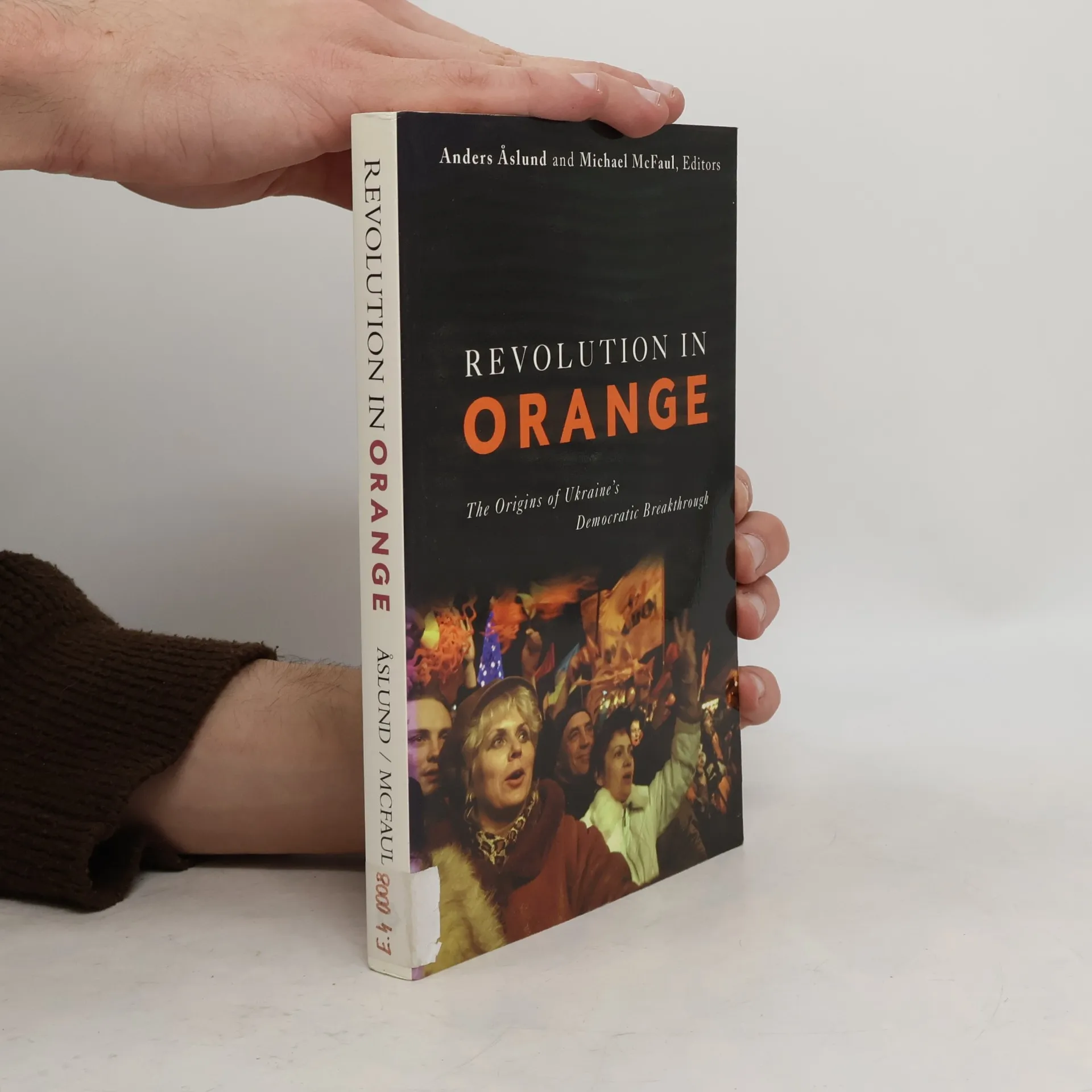
    Revolution in Orange
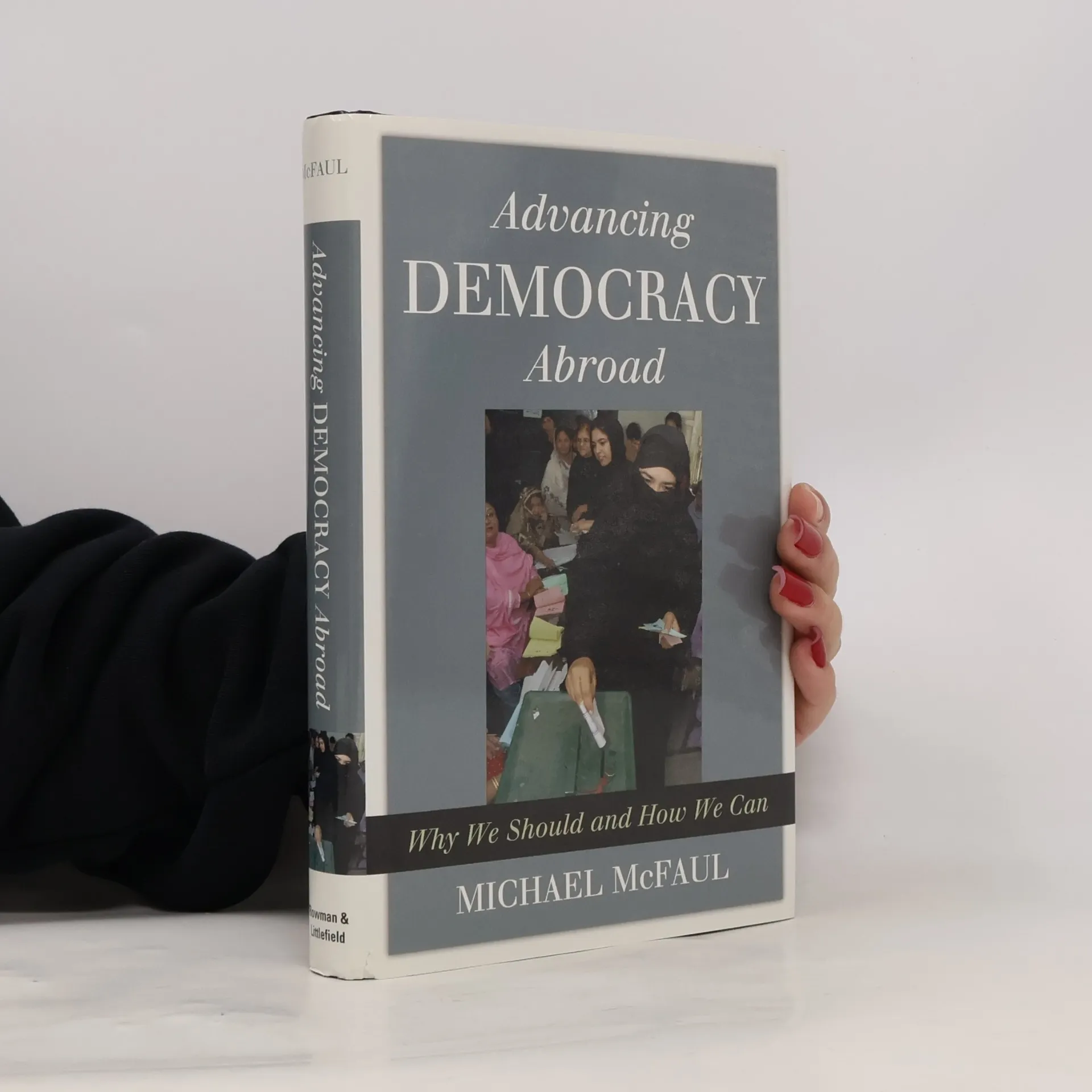
    Hoover Studies in Politics, Economics, and Society: Advancing Democracy Abroad
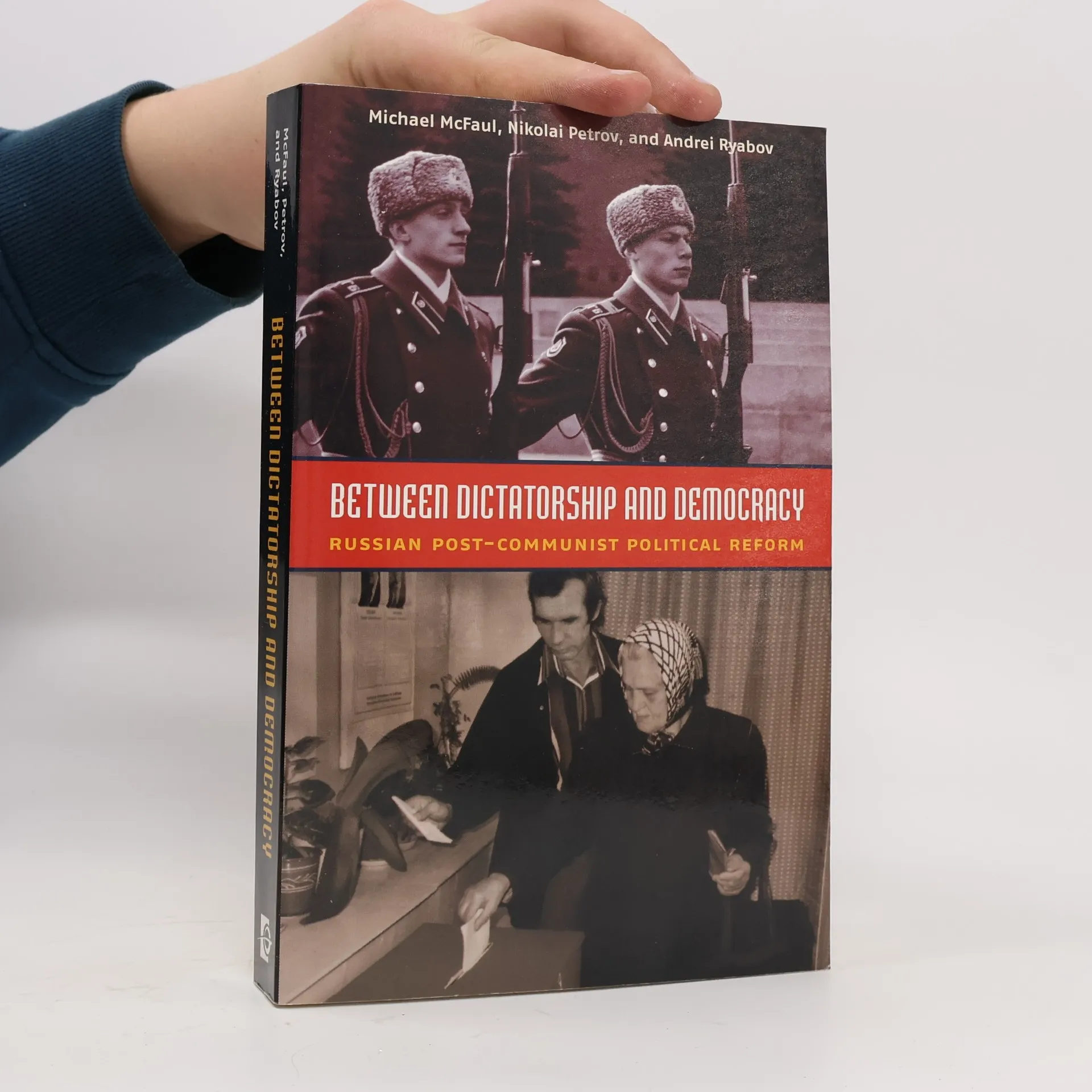
    Between Dictatorship and Democracy
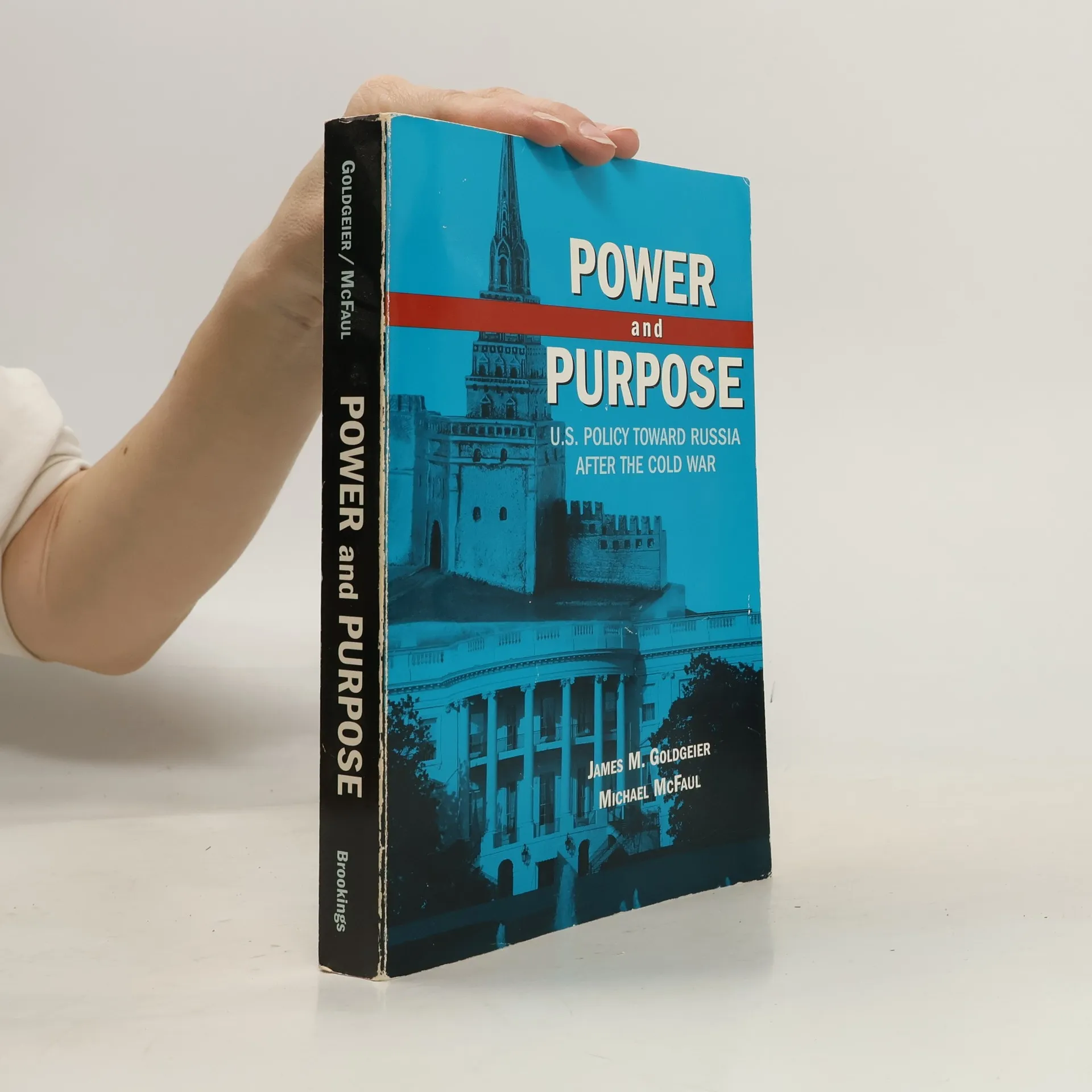
    Power and Purpose
    Not Whether But When
    From Cold War to Hot Peace
    • From Cold War to Hot Peace

      • 528pages
      • 19 heures de lecture

      In 2008, when Michael McFaul was asked to leave his perch at Stanford and join an unlikely presidential campaign, he had no idea that he would find himself at the beating heart of one of today's most contentious and consequential international relationships. As President Barack Obama's adviser on Russian affairs, McFaul helped craft the United States' policy known as "reset" that fostered new and unprecedented collaboration between the two countries. And then, as U.S. ambassador to Russia from 2012 to 2014, he had a front-row seat when this fleeting, hopeful moment crumbled with Vladimir Putin's return to the presidency. This riveting inside account combines history and memoir to tell the full story of U.S.-Russia relations from the fall of the Soviet Union to the new rise of the hostile, paranoid Russian president. From the first days of McFaul's ambassadorship, the Kremlin actively sought to discredit and undermine him, hassling him with tactics that included dispatching protesters to his front gates, slandering him on state media, and tightly surveilling him, his staff, and his family. From Cold War to Hot Peace is an essential account of the most consequential global confrontation of our time.

      From Cold War to Hot Peace
      4,3
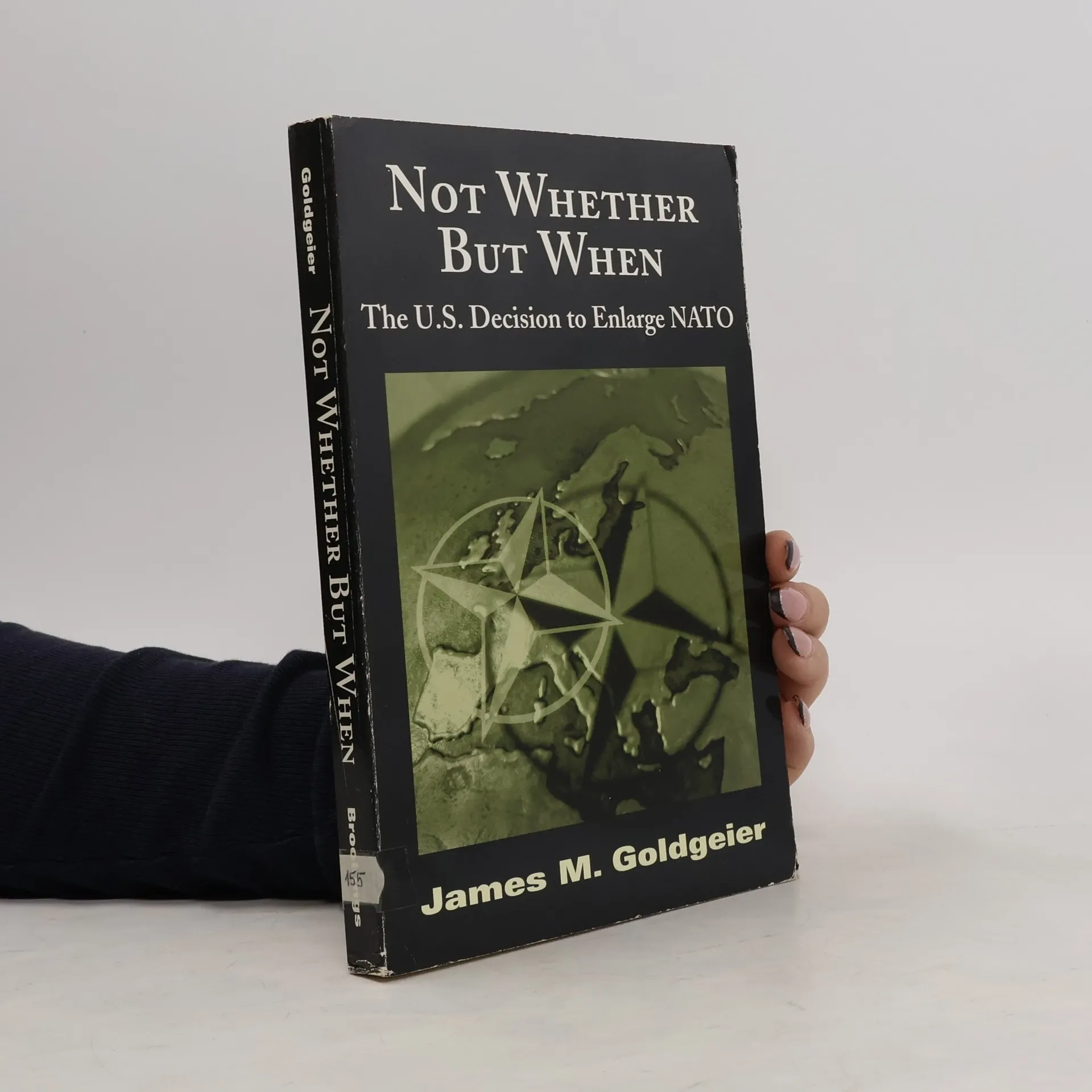
    • Not Whether But When

      • 235pages
      • 9 heures de lecture

      How did Poland, Hungary, and the Czech Republic become the newest members of the North Atlantic Treaty Organization? Based on interviews conducted with more than 75 individuals -from Cabinet officials to desk officers -James M.

      Not Whether But When
      3,9
    • Power and Purpose

      U.S. Policy Toward Russia After the Cold War

      • 481pages
      • 17 heures de lecture

      Russia, once seen as America's greatest adversary, is now viewed by the United States as a potential partner. This book traces the evolution of American foreign policy toward the Soviet Union, and later Russia, during the tumultuous and uncertain period following the end of the cold war. schovat popis

      Power and Purpose
      3,0
    • Between Dictatorship and Democracy

      Russian Post-Communist Political Reform

      • 364pages
      • 13 heures de lecture

      For hundreds of years, dictators have ruled Russia. Do they still? In the late 1980s, Soviet President Mikhail Gorbachev launched a series of political reforms that eventually allowed for competitive elections, the emergence of an independent press, the formation of political parties, and the sprouting of civil society. After the collapse of the Soviet Union in 1991, these proto-democratic institutions endured in an independent Russia. But did the processes unleashed by Gorbachev and continued under Russian President Boris Yeltsin lead eventually to liberal democracy in Russia? If not, what kind of political regime did take hold in post-Soviet Russia? And how has Vladimir Putin's rise to power influenced the course of democratic consolidation or the lack thereof? Between Dictatorship and Democracy seeks to give a comprehensive answer to these fundamental questions about the nature of Russian politics.

      Between Dictatorship and Democracy
    • Hoover Studies in Politics, Economics, and Society: Advancing Democracy Abroad

      Why We Should and How We Can

      • 287pages
      • 11 heures de lecture

      After eight years of President Bush's trumpeting the virtues of promoting freedom and democracy abroad but achieving limited results, many Americans have grown suspicious of democratic development as a goal of American foreign policy. As a new administration reviews the role democratization will play in its foreign policy, distinguished Stanford University political scientist and Hoover Institution senior fellow Michael McFaul calls for a reaffirmation of democracy's advance as a goal of U.S. foreign policy and sets out a radically new course to achieve it.In Advancing Democracy Abroad , McFaul explains how democracy provides a more accountable system of government, greater economic prosperity, and better security compared with other systems of government. He then shows how Americans have benefited from the advance of democracy abroad in the past, and speculates about security, economic, and moral benefits for the United States from potential democratic gains around the world. The final chapters explore past examples of successful democracy promotion strategies and outline proposals for effectively supporting democratic development in the future.Published in cooperation with the Hoover Institution

      Hoover Studies in Politics, Economics, and Society: Advancing Democracy Abroad
    • Revolution in Orange

      The Origins of Ukraine's Democratic Breakthrough

      • 216pages
      • 8 heures de lecture

      The protests and political events in Ukraine during the fall of 2004, known as the "Orange Revolution," were pivotal for both Ukrainian history and the broader context of democratization. Pro-Western presidential candidate Viktor Yushchenko faced a poisoning attempt that left him severely disfigured. When this failed, the ruling party, backed by the Kremlin, resorted to voter intimidation and electoral fraud in the runoff election. Yushchenko's supporters responded with strikes, sit-ins, and marches across the country, ultimately leading to the annulment of the election results. In a subsequent runoff, Yushchenko was elected president. This volume aims to explain the emergence of this nationwide protest movement and its significant impact, which has resonated from Kyrgyzstan to Lebanon. It distinguishes between essential and facilitating factors that contributed to the success of the Orange Revolution while challenging commonly held beliefs about critical elements of the movement. The chapters delve into the roles of former President Kuchma, oligarchs, societal attitudes, political opposition, civil society, media influence, and the involvement of Russia and the West. Contributors include experts from various institutions, providing a comprehensive analysis of this historic event.

      Revolution in Orange