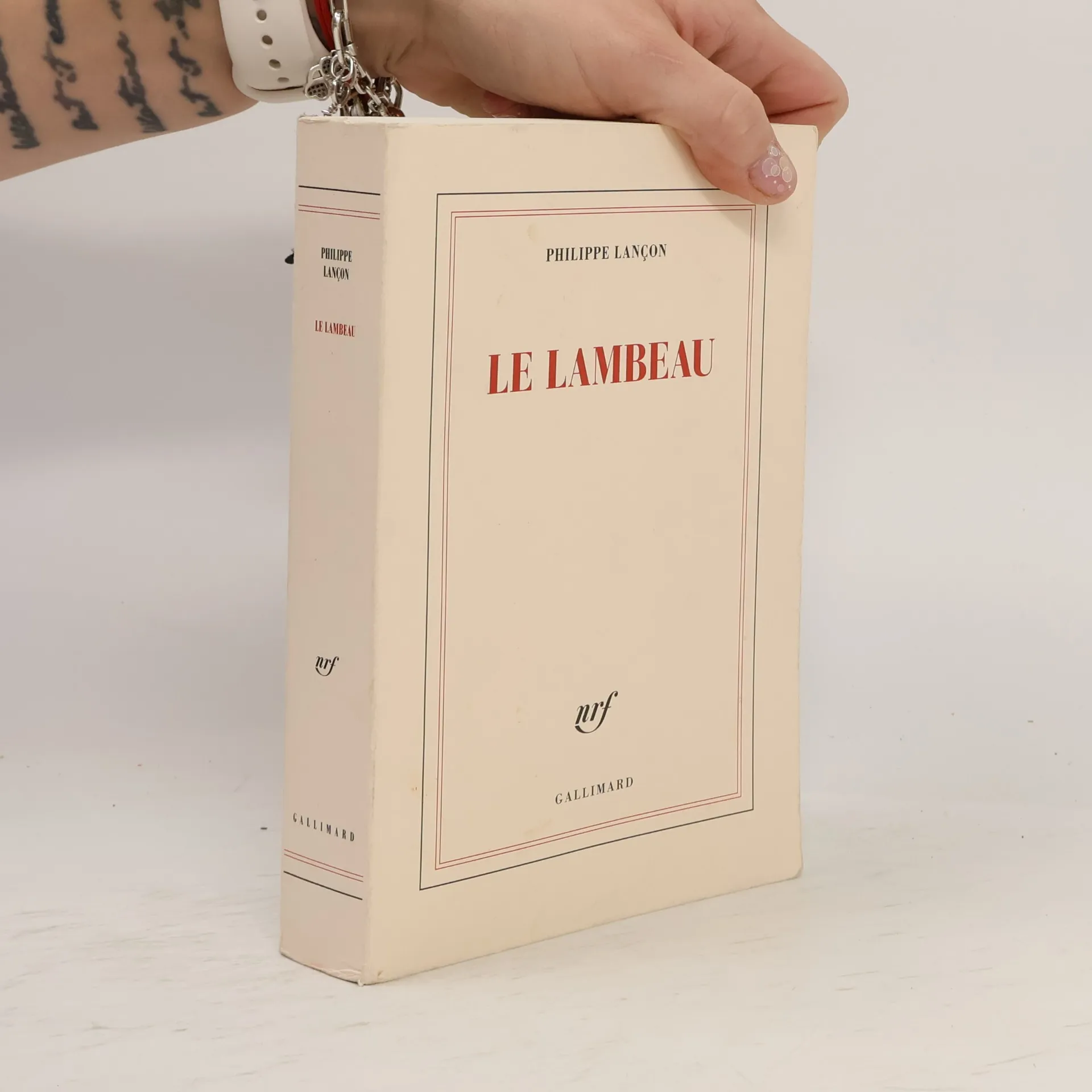
Un récit autobiographique de la vie de Philippe Lançon, journaliste et écrivain, avant, pendant et surtout après l'attentat contre Charlie Hebdo le 7 janvier 2015, attentat au cours duquel il a été grièvement blessé
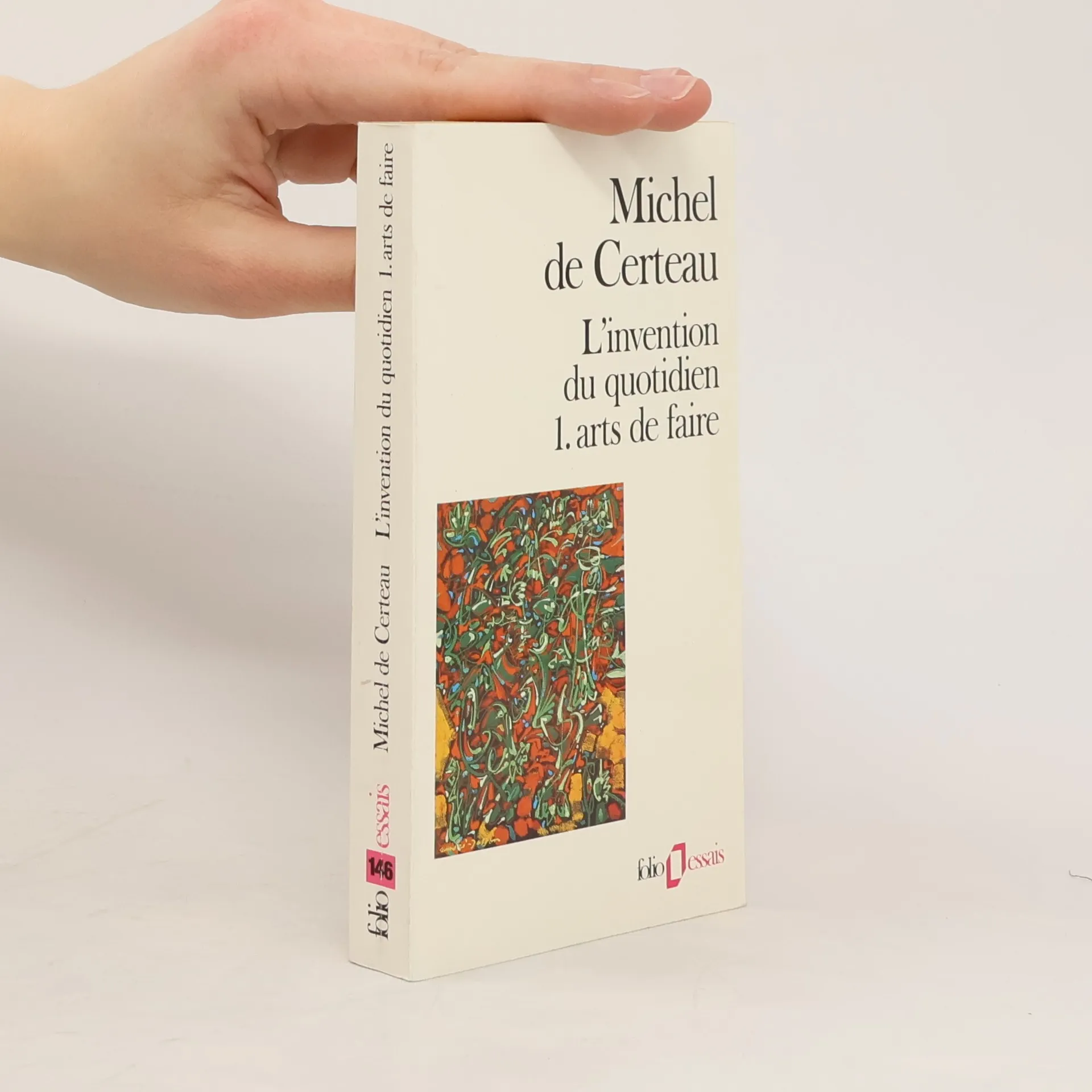
Dans L'invention du quotidien, I : Arts de faire, Michel de Certeau a étudié les ruses subtiles, les tactiques de résistances qui définissent l'art de vivre dans la société de consommation. Avec ce deuxième tome, Habiter, cuisiner, Luce Giard et Pierre Mayol développent une socio-histoire des arts de faire, à partir de «micro-histoires» qui passent de la sphère privée (faire-la-cuisine, arts de nourrir) à la sphère publique (la pratique du quartier, ici un espace ouvrier, la Croix-Rousse, à Lyon), et l'espace propre de l'habitat. De longs entretiens avec des interlocuteurs, qui sont essentiellement des femmes, permettent de suivre dans la réalité des trajectoires individuelles, à travers un montage serré d'habitudes, de contraintes et de ruses inventives nées de la circonstance.Ensemble, les deux tomes ouvrent le champ d'une «science pratique du sujet» qui s'émerveille, avec autant de respect que de tendresse, de l'inventivité des gens ordinaires, dont les manières de faire font des espaces public et privé un «lieu de vie possible». -- Site de l'éditeur
When Jean Tirole won the 2014 Nobel Prize in Economics, he suddenly found himself being stopped in the street by complete strangers and asked to comment on issues of the day, no matter how distant from his own areas of research. His transformation from academic economist to public intellectual prompted him to reflect further on the role economists and their discipline play in society. The result is Economics for the Common Good , a passionate manifesto for a world in which economics, far from being a "dismal science," is a positive force for the common good. Economists are rewarded for writing technical papers in scholarly journals, not joining in public debates. But Tirole says we urgently need economists to engage with the many challenges facing society, helping to identify our key objectives and the tools needed to meet them. To show how economics can help us realize the common good, Tirole shares his insights on a broad array of questions affecting our everyday lives and the future of our society, including global warming, unemployment, the post-2008 global financial order, the Euro crisis, the digital revolution, innovation, and the proper balance between the free market and regulation. Providing a rich account of how economics can benefit everyone, Economics for the Common Good sets a new agenda for the role of economics in society.
The beautiful Marquise de Banneville meets a handsome marquis, and they fall in love. But the young woman is actually a young man (brought up as a girl and completely in the dark about her―or his―true sex), while the marquis is actually a young woman who likes to cross-dress. Will they live happily ever after?In the introduction, Joan DeJean presents the fascinating puzzle of authorship of this lighthearted gender-bending tale written in the late seventeenth century in France. Was it François-Timoléon de Choisy, an abbot who was happiest in drag? Marie-Jeanne L'Héritier, an outspoken defender of women's writing of her day? Or Charles Perrault, L'Héritier's uncle and the famous author of such fairy tales as "Sleeping Beauty"? DeJean argues that the tale was a collaboration of all three and discusses the permeable borderline between masculinity and femininity, transvestism, and tolerance―then and now.
A Berlin Republic (Die Normalität einer Berliner Republik) brings together writings on the new, united Germany by one of that country’s most original and trenchant commentators, Jürgen Habermas. Among other topics, Habermas addresses the consequences of German history, the challenges and perils of the post-Wall era, and Germany’s place in contemporary Europe. Here, as in his earlier Past as Future, Habermas emerges as an inspired analyst of contemporary German political and intellectual life. He repeatedly criticizes recent efforts by historians and political commentators to “normalize” and, in part, to understate the horrors of modern German history. He insists that 1945—not 1989—was the crucial turning point in German history, since it was then that West Germany decisively repudiated certain aspects of its cultural and political past (nationalism and anti-Semitism in particular) and turned toward Western traditions of democracy, free and open discussion, and respect for the civil rights of all individuals. Similarly, Habermas deplores the renewal of nationalist sentiment in Germany and throughout Europe. Drawing upon his vast historical knowledge and contemporary insight, Habermas argues for heightened emphasis on trans-European and global democratic institutions—institutions far better suited to meet the challenges (and dangers) of the next century.
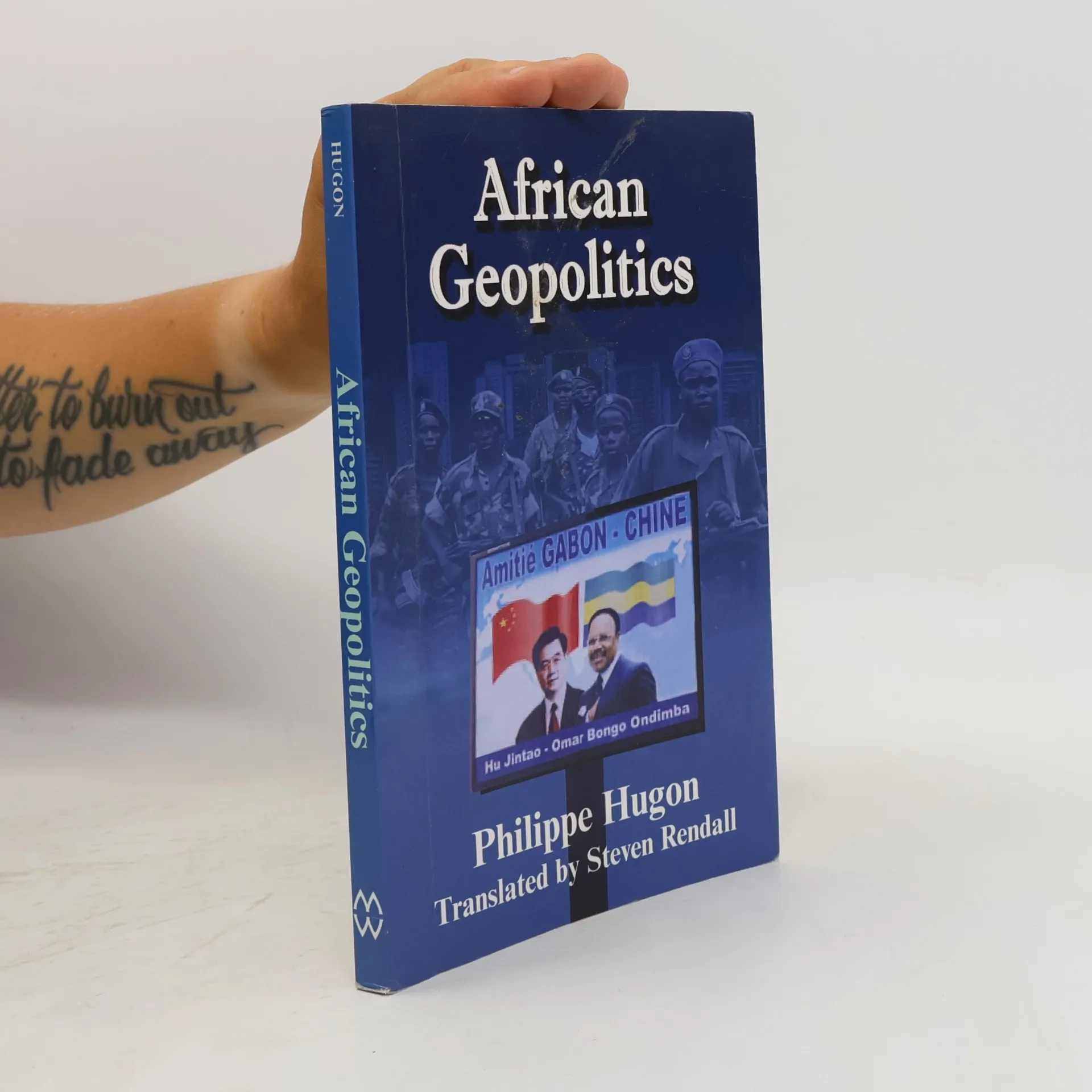
For over a thousand years, foreign powers, including the Arabs, Portuguese, Spanish, British, French, and now Chinese, interfered in African affairs to pursue economic and political gains. In a similar way, African rulers exploited this foreign presence for their own ends. Foreigners came in search of slaves, gold, and other natural resources, such as land and manpower for plantations. This process dragged Africa into the global geopolitical scene, resulting in civil wars, colonialism, and environmental demise. This book provides a brief outline of Africa's pre-colonial and colonial history, analyzing the economic, sociopolitical, and cultural fields on the level of the continent as a whole but emphasizing the diversity of the actors involved. It concludes by explaining the significant current challenges facing peace and security, food supplies, and sustainable development.