Reconciliation
- 160pages
- 6 heures de lecture
An autobiographical novella recounting the move towards reconciliation between a father and son; translated for the first time in English


Naoya Shiga fut un romancier et nouvelliste japonais dont l'œuvre s'étend sur les périodes Taishō et Shōwa. Son écriture se caractérise par une profonde perspicacité psychologique et un langage précis, capturant les complexités des relations humaines et la vie intérieure de ses personnages. Shiga se concentre sur l'exploration des dilemmes moraux et la recherche de la vérité dans la vie personnelle, offrant aux lecteurs des réflexions stimulantes sur l'existence.


An autobiographical novella recounting the move towards reconciliation between a father and son; translated for the first time in English
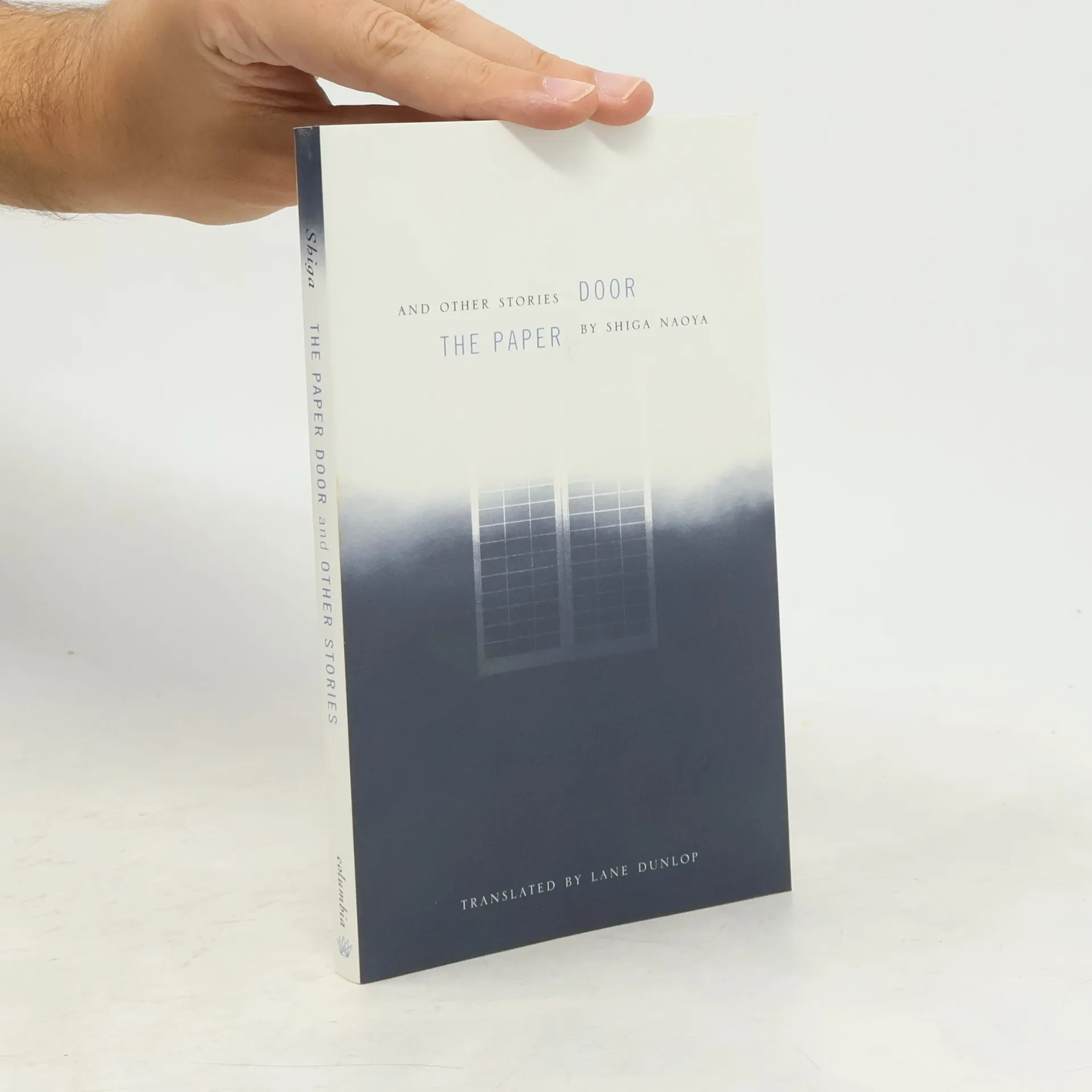
No modern Japanese writer was more idolized than Shiga Naoya. "The Paper Door and Other Stories" showcases the concise, delicate art of this writer who is often called "the god of the Japanese short story." Doyen of Japanese letters Donald Keene ranks some of Shiga's stories "among the most brilliant achievements in this genre by any twentieth-century Japanese writer." Shiga's unique style is concise and simple, with no unnecessary words. With the subtlest of gestures, he evokes the fullness of experience. Lane Dunlop's masterly translation of seventeen of Shiga's finest stories has provided English readers their first overview of the author's work. Now back in print, the book is augmented by Donald Keene's new preface contextualizing Shiga's awesome literary gifts. Dunlop has chosen stories that aptly represent Shiga's range and virtuosity. With selections spanning forty years, from the fable-like "The Little Girl and the Rapeseed Flower" to the psychologically complex "A Gray Moon," this collection delineates the development of Shiga's rare genius.
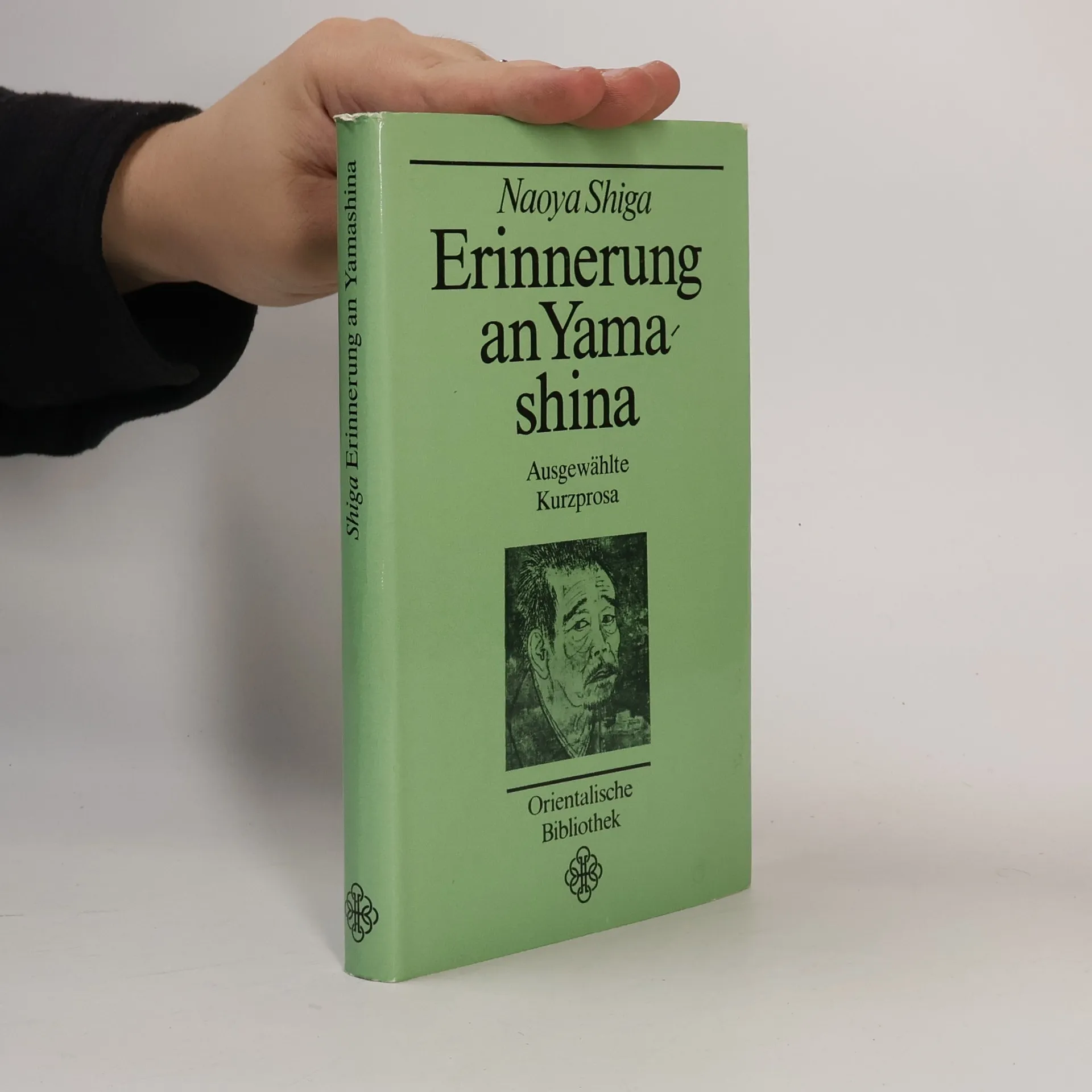
Naoya Shiga gestaltet Ausnahmesituationen und alltägliche Vorkommnisse, Konflikte der kindlichen Seele oder das Erlebnis der Natur mit impressionistisch wirkender Sensibilität.In seiner Kurzprosa spiegelt sich "die Eigenart modernen japanischen Denkens und Empfinden".
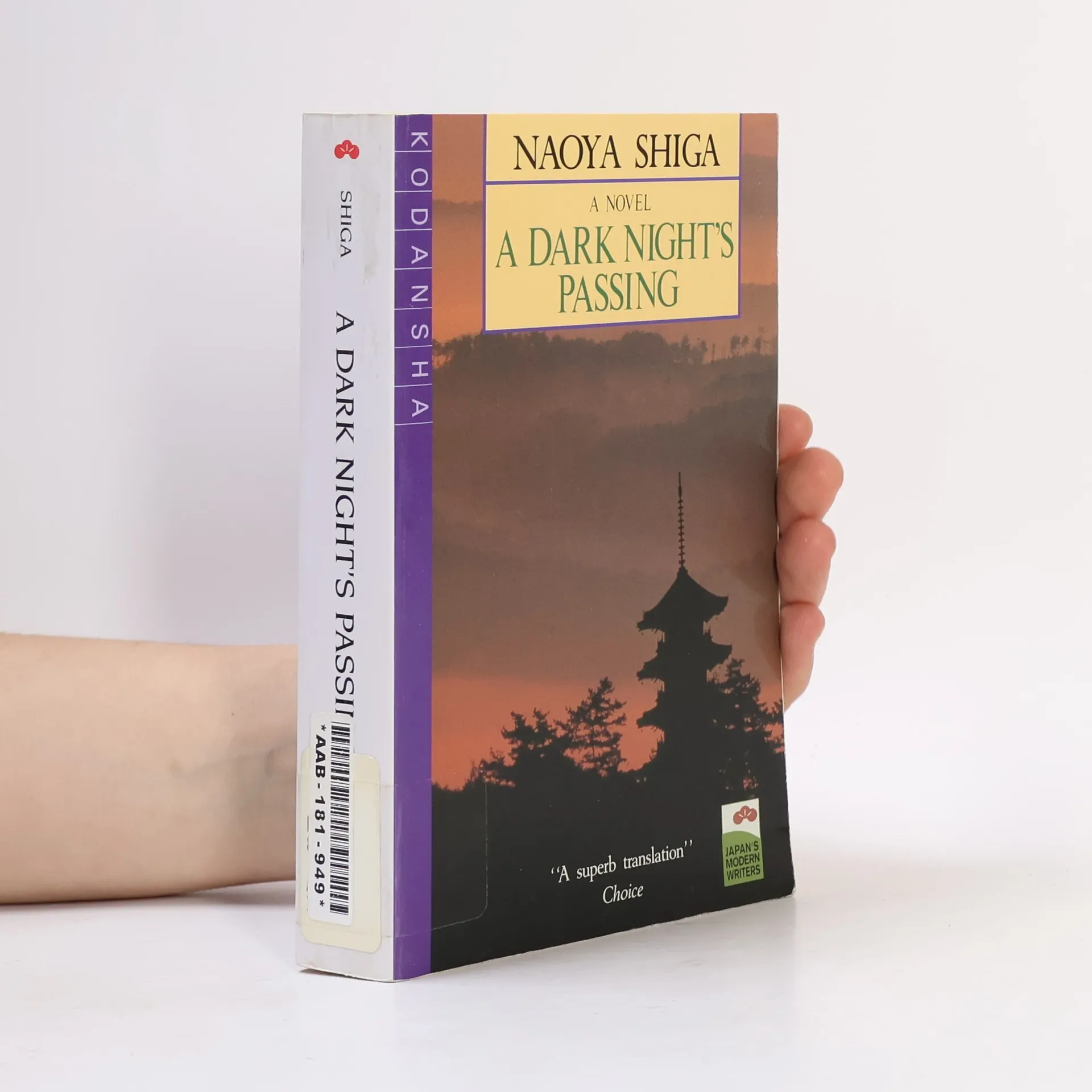
Tells the story of a young man's passage through a sequence of disturbing experiences to a hard-worn truce with the destructive forces within himself.